Full Article
about Vila-real
Second-largest city in the province and a major industrial and sports hub; it has notable religious heritage and the Termet area.
Ocultar artículo Leer artículo completo
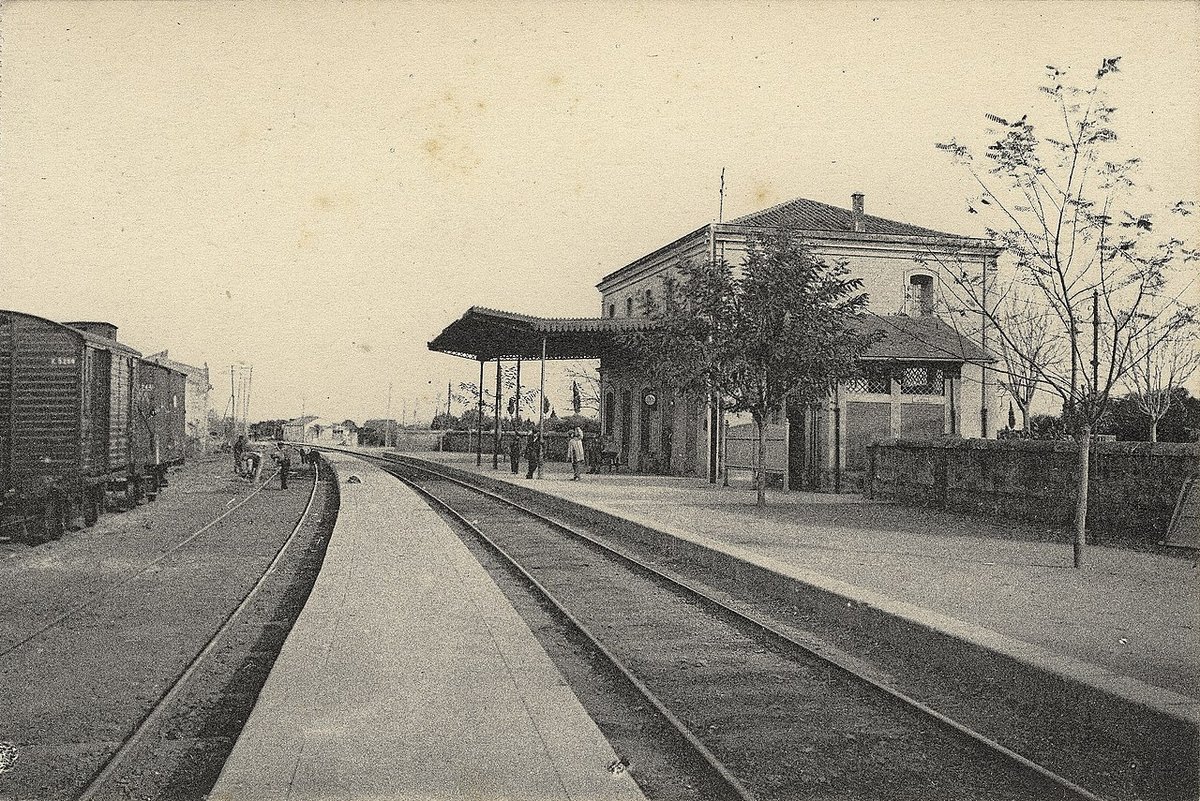
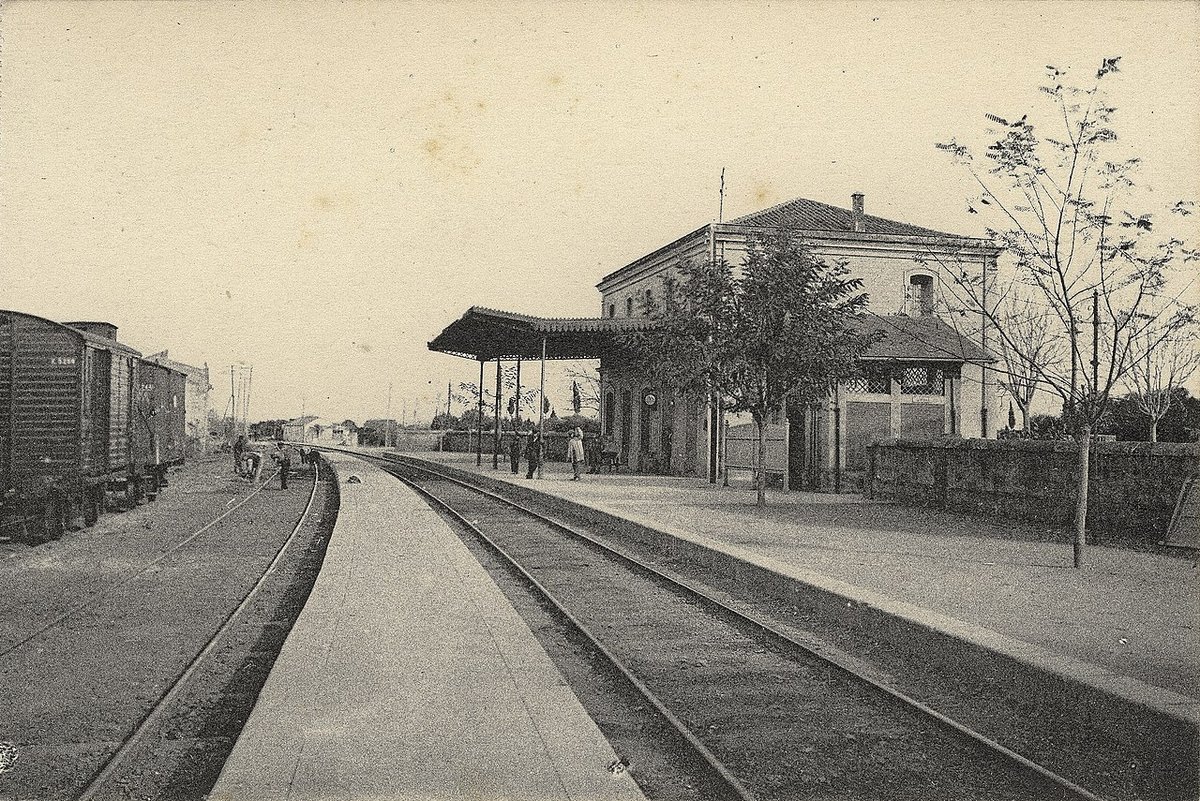
The morning train from Valencia pulls into Vila Real station at precisely 8:47 AM, depositing a handful of commuters onto a platform that smells distinctly of orange blossom. This isn't the Portugal destination that appears on British searches, but rather a working Spanish town where the day's rhythm depends more on agricultural cycles than tourist timetables.
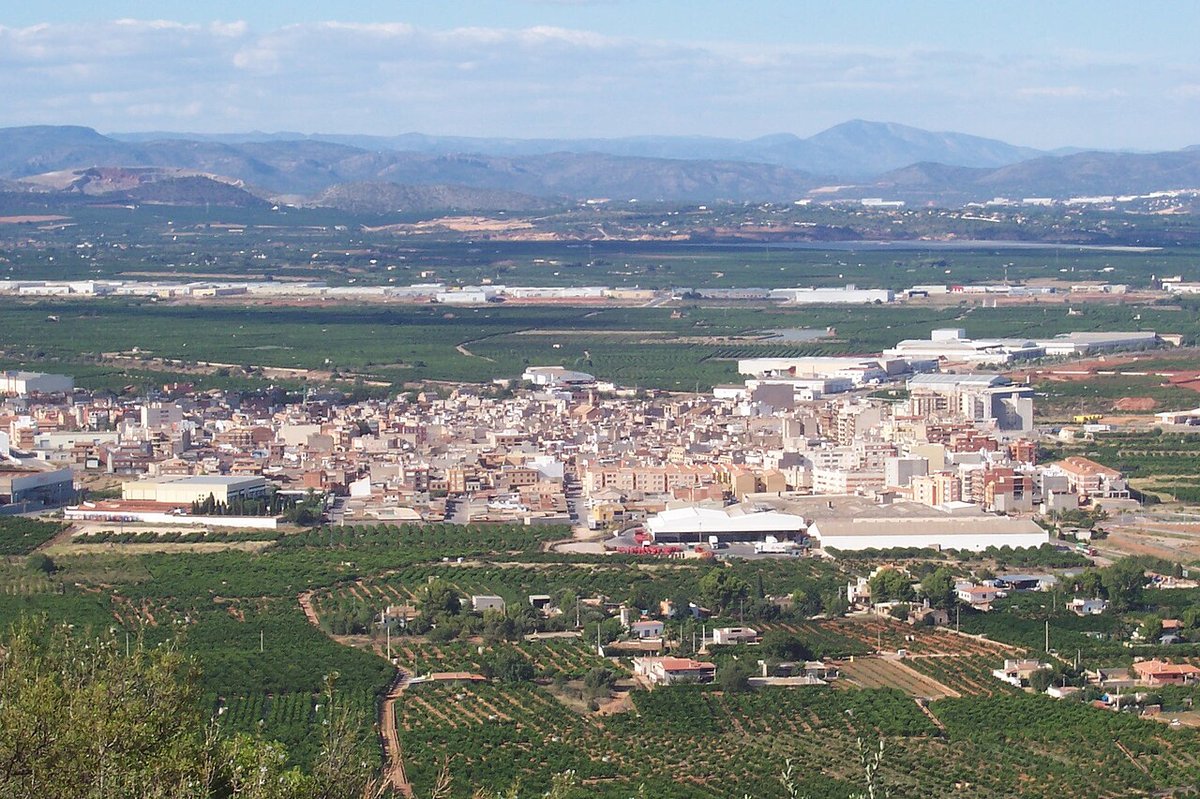
At just 42 metres above sea level, Vila Real sits comfortably on the coastal plain of Castellón province, surrounded by citrus groves that stretch towards the Mediterranean. The altitude makes for gentle cycling terrain, though summer temperatures regularly exceed 35°C, turning early morning rides into a necessity rather than a preference. Winter brings cooler days hovering around 12-15°C, when locals switch from iced coffee to thick hot chocolate at the cafés around Plaza Mayor.
The Grid That Makes Sense
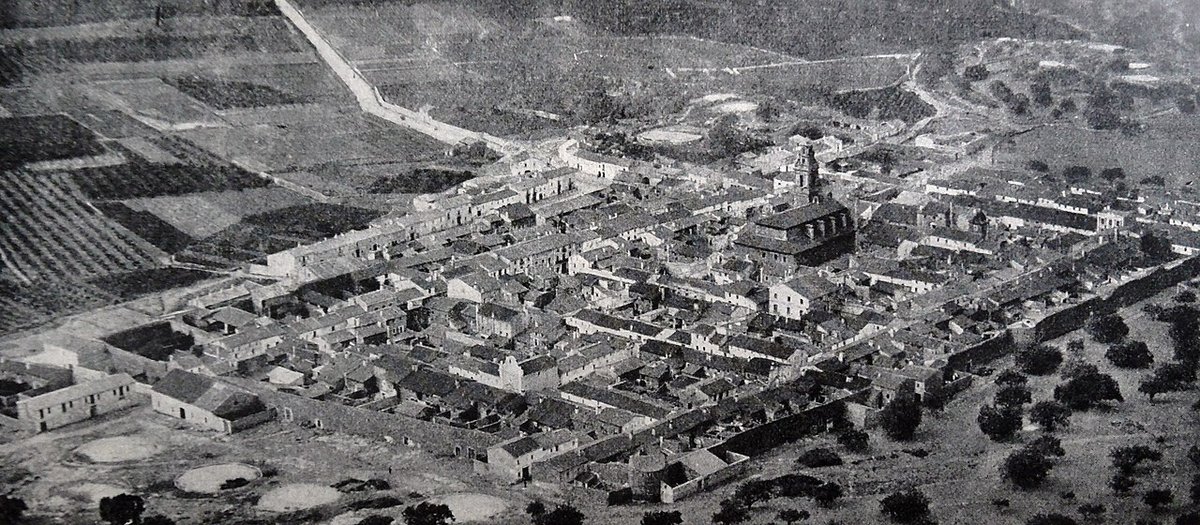
Medieval town planners knew their craft. Vila Real's street pattern follows the logical grid system typical of 13th-century new towns, making navigation refreshingly straightforward for visitors accustomed to Spanish urban mazes. The central axis radiates from Plaza Mayor, where the 17th-century town hall anchors the square with its stone façade and clock tower that still marks the quarter hours.
From here, Calle Mayor runs straight as a ruler towards the Basílica de San Pascual Bailón, whose baroque dome dominates the skyline. The basilica houses the remains of Saint Paschal Baylon, a 16th-century Spanish friar whose feast day transforms the town each May. Inside, the marble and gilt decoration reflects the wealth generated by centuries of orange cultivation, though opening hours vary seasonally and the sacristy closes without warning when volunteer guides are unavailable.
The church's bell strikes noon as market traders pack up their stalls in the nearby streets. Tuesday and Friday mornings see the weekly market spread across Plaza de España, where British expats stock up on Yorkshire tea bags sold alongside local saffron and ceramic cookware. Prices remain reasonable: a kilo of Valencia oranges costs €1.20, while a wedge of local goat cheese runs to €4.
Football Changed Everything
Twenty minutes' walk north-east, past the orderly 19th-century grid of the ensanche district, the Estadio de la Cerámica rises from the surrounding orange groves like a spacecraft that landed in the wrong century. This 24,000-seat stadium belongs to Villarreal CF, the football club that put this modest agricultural town on the international map when they reached the Champions League semi-finals in 2006.
Match days transform Vila Real's atmosphere entirely. The population effectively doubles when Barcelona or Real Madrid visit, with supporters arriving via the CV-18 from Castellón or the AP-7 coastal motorway. Hotel rooms within 20 kilometres sell out weeks in advance, and the town's restaurants abandon their usual menu del día for simplified football-friendly fare. The club's yellow shirts appear everywhere: hanging from balconies, displayed in shop windows, worn by grandmothers walking toy poodles.
Yet football success hasn't erased the town's agricultural identity. Behind the stadium, traditional irrigation channels called acequias still channel water to the surrounding huerta, maintained by the same water tribunal system that has governed Valencia's agricultural land for a thousand years. These concrete channels run between the orange groves, their gentle gradient visible only to those who know what to look for.
Eating Beyond the Tourist Trail
British visitors expecting a compact historic quarter lined with tapas bars will need to adjust expectations. Vila Real's dining scene spreads across different neighbourhoods, reflecting a town that grew organically rather than around tourism. The best rice dishes appear in modest restaurants near the agricultural cooperatives, where farmers discuss orange prices over plates of arroz al horno baked in traditional clay dishes.
Casa Pedró on Avenida Italia serves proper Valencian paella at €15 per person, but requires advance ordering and a minimum of two diners. Their secret weapon? Vegetables delivered daily from the family plot outside town, picked at dawn and in the pan by lunchtime. For quicker fare, Bar Manolo near the train station does excellent bocadillos filled with local sobrasada sausage for €3.50, though the lunchtime rush finishes everything by 2:30 PM sharp.
Vegetarians face limited options beyond tortilla and salads, though the Monday market on Avenida de Valencia stocks excellent local cheeses and honey. The town's Chinese-owned supermarkets stock familiar British products at inflated prices: expect to pay €4.50 for a small jar of Marmite, assuming they have it in stock.
When the Town Celebrates
May transforms Vila Real entirely. The nine-day festival honouring Saint Paschal Baylon begins with fireworks at midnight on 9 May, continuing with daily processions where locals carry the saint's statue through streets carpeted with rosemary and thyme. The smell of gunpowder mingles with orange blossom as brass bands march past houses draped in red and yellow bunting.
September's feria brings a different energy: agricultural machinery displays alongside fairground rides, with local teenagers competing in paella contests judged by grandparents who've been perfecting recipes for sixty years. The town hall sponsors free concerts in Plaza Mayor, though sound levels prompt complaints from residents of the nearby old people's home.
These festivals reveal Vila Real's split personality: proud of traditions yet embracing modern Spain. The same streets that host solemn religious processions in May fill with electronic music festivals in August, when temperatures make afternoon activities impossible and life shifts to nighttime rhythms.
Getting Here, Getting Around
The town's transport connections work well for those without cars. Valencia's cercanías trains run every 30 minutes during peak times, taking 50 minutes from Valencia Nord station. Single tickets cost €5.90, though the 10-journey bonometro reduces this to €3.55 per trip. From Castellón, the journey time drops to 12 minutes on the same line.
Driving presents few challenges apart from central parking restrictions. The AP-7 motorway links Barcelona (2.5 hours north) with Alicante (1.5 hours south), while the CV-18 provides a direct route from Castellón. Car hire costs from €25 daily at Castellón airport, though availability drops during football weekends.
Cycling infrastructure exists but remains patchy. Dedicated bike lanes connect the station with the town centre, but peter out towards the agricultural areas where most interesting riding occurs. Mountain bikers head towards the Desert de les Palmes natural park, 15 kilometres east, where trails climb to 800 metres and offer Mediterranean views back towards Vila Real's orange sea.
The Reality Check
Vila Real won't suit everyone. The absence of major tourist attractions means limited English is spoken beyond the stadium area, and siesta hours still rule: most shops close 2-5 PM, making afternoon sightseeing challenging. Summer heat can be brutal, with little shade in the modern districts and fountains that serve more as monuments than drinking water sources.
Yet for travellers seeking authentic Spanish town life beyond the Costas, Vila Real offers genuine insights into how modern Spain balances tradition with progress. The orange groves that surround the town ensure it smells wonderful for much of the year, while the football club provides contemporary cultural relevance that most similar-sized towns lack.
Come for the football or the festivals, stay for the market mornings and evening paseo when locals parade their impeccably dressed children around Plaza Mayor. Just don't expect souvenir shops or English menus. Vila Real serves visitors on its own terms, remaining firmly a Spanish town that happens to welcome tourists rather than the other way around.