Full Article
about Chilches/Xilxes
Coastal municipality with a long beach of pebbles and sand; known for its seafront promenade and quiet family atmosphere in summer.
Ocultar artículo Leer artículo completo
The morning air carries two distinct perfumes: orange blossom from the groves and salt spray from the sea. In Xilxes, these scents mingle constantly, reminding visitors that this modest Valencian municipality exists in two worlds simultaneously. Three kilometres separate the compact town centre from its coastal fringe—a distance that locals navigate daily, but catches many visitors off guard.
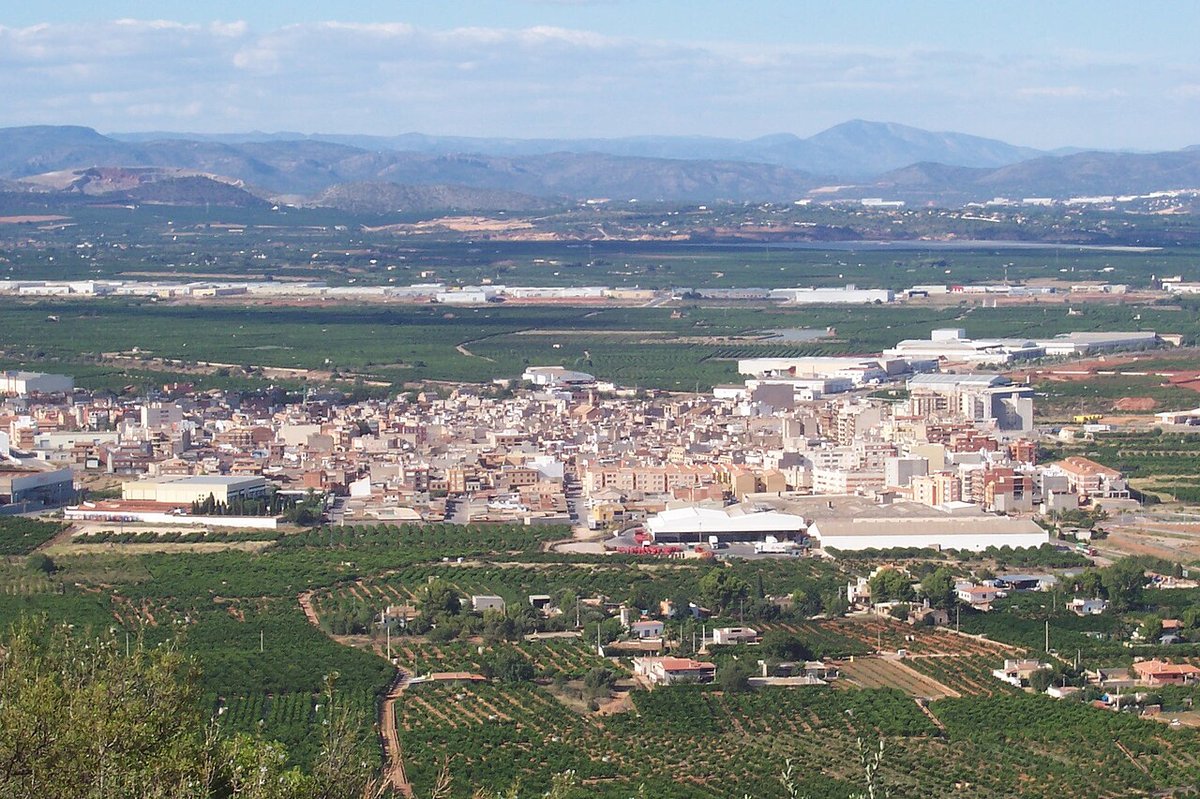
This geographical split defines Xilxes more than any monument or museum could. The agricultural heartland, flat as a table and bright with citrus trees, supports the traditional rhythms that have sustained families here for generations. Meanwhile, the Mediterranean shore offers a different pace entirely—one governed by swimming conditions, fishing boats, and the seasonal influx of summer residents who occupy the apartment blocks lining the promenade.
The Town That Works
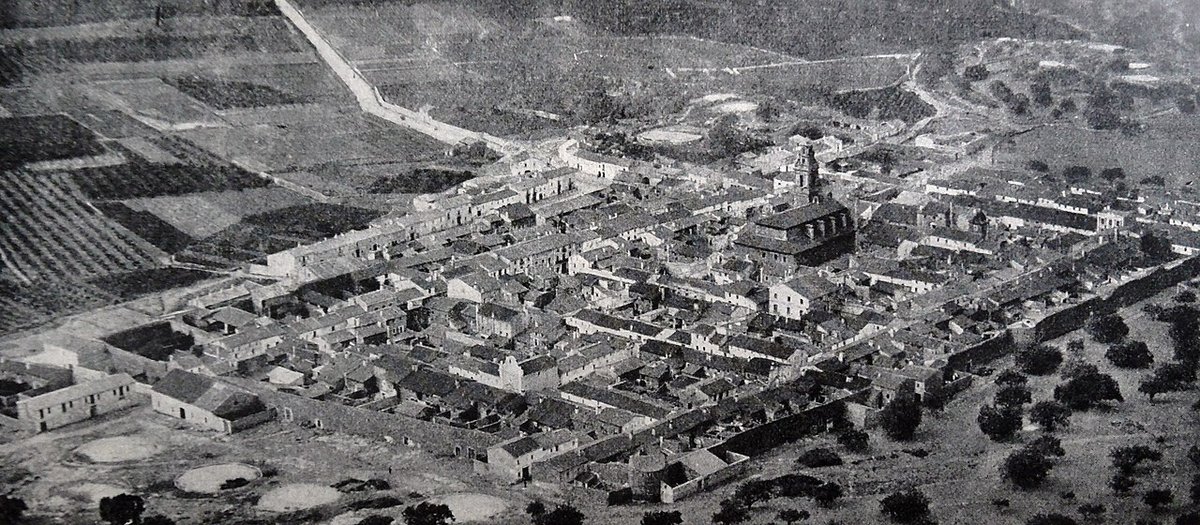
Xilxes proper feels like what it is: a working town of 5,000 souls where neighbours still greet each other in narrow streets and the church bells of San Blas provide the daily soundtrack. The parish church itself won't feature in architecture textbooks, yet its simple silhouette serves as the orienting landmark for anyone attempting to navigate the compact urban core. Around Plaza Mayor and the adjoining lanes, life proceeds at an unhurried pace. Elderly residents occupy benches beneath plane trees, while the evening paseo brings families out for their constitutional stroll.
The town's layout reflects its agricultural foundations. Streets remain narrow, houses modest, and the whole ensemble can be walked in twenty minutes. What saves it from feeling claustrophobic is the surrounding huerta—those characteristic Valencian market gardens that extend right up to the urban edge. Early risers can follow rural tracks between orange and mandarin groves, where the morning light turns the fruit to lanterns and the only sounds are birdsong and the occasional tractor.
Sea Change
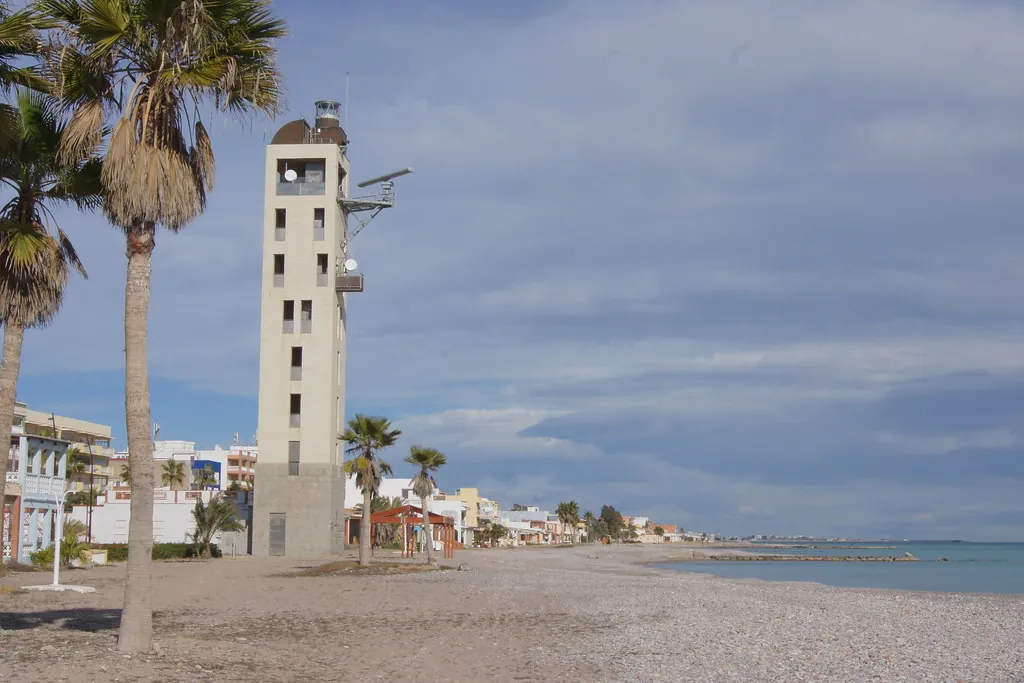
Drive, cycle, or take the infrequent bus three kilometres east and everything changes. The coastal development known locally as Platja de Xilxes feels almost like a separate settlement—one that exists primarily between June and September. Here, modern apartment blocks face the Mediterranean, their ground floors occupied by seasonal restaurants and beach bars that close with metronomic predictability each autumn.
The beach itself varies in character. Artificial sand covers natural stone during summer months, creating the kind of family-friendly coastline that British holidaymakers expect. Come winter, the stones reassert themselves, making this stretch particularly popular with dog owners whose pets appreciate the firmer footing. El Cerezo and Les Cases beaches offer different perspectives on the same shoreline—neither spectacular nor disappointing, simply serviceable stretches of Mediterranean coast where the water quality improves markedly when easterly winds subside.
Between town and sea lies La Marjal, wetlands that form an effective barrier to direct movement. Attempting to walk straight from urban centre to beach will add unnecessary miles to your journey—stick to the designated road, no matter how tempting the shortcut appears on maps.
What Arrives on the Plate
The split personality extends to local cuisine. Inland, restaurants serve the hearty rice dishes that sustained field workers: arròs al forn baked with chickpeas and morcilla, or simple vegetable paellas that make the most of garden produce. Near the beach, menus shift decisively toward seafood—arroz a banda cooked with fish stock, or baby monkfish simply grilled until the flesh flakes into pristine white segments.
Don't expect culinary fireworks. Xilxes cooks follow the Valencian preference for letting ingredients speak for themselves, which suits British palates perfectly. Local white wines from Castellón vineyards provide light accompaniment, their modest price tags reflecting proximity to source rather than prestige. Those seeking deeper insight into marine food chains can book tuna tours (€45-55) that include raw and seared bluefin tastings—an education for anyone whose fish knowledge stops at supermarket counters.
Street art provides an unexpected visual garnish. Eight large marine-themed murals decorate coastal walls, their vivid blues and greens offering photographic counterpoints to the predominantly beige architectural palette. Seeking them out provides a pleasant hour's diversion, particularly when beaches empty during siesta time.
Timing Your Visit
Spring delivers Xilxes at its most aromatic, when orange blossom saturates the air and temperatures hover in the comfortable low twenties. Agricultural tracks become pleasant walking routes, though serious hiking remains impossible—the terrain simply refuses to rise above sea level. Autumn offers similar conditions with the added bonus of harvest activity, as tractors laden with fruit rumble toward packing stations.
Summer brings obvious beach advantages but also crowds and parking headaches. Access roads clog between 11 am and 1 pm, then again from 6 pm onwards as day-trippers make their exit. Winter strips away tourism infrastructure—many restaurants close, promenades empty, and the town reveals its authentic face. British visitors accustomed to off-season Margate or Blackpool will recognise the melancholy charm of a resort waiting for better days.
San Blas celebrations in early February provide winter interest, with religious processions and neighbourhood gatherings that outsiders can observe respectfully. March brings modest Fallas festivities, summer delivers beach-based fiestas, but none approach the scale of Valencia's metropolitan excesses.
Practical Realities
Xilxes works best as a day trip from Valencia (45 minutes drive) or Castellón (20 minutes), though overnight stays offer fuller immersion. Choose accommodation based on priorities: beachside apartments for sea access, town centre for authenticity. Public transport exists but requires patience—services decrease dramatically outside peak season.
Bring cash for smaller establishments, check restaurant opening times before setting out hungry, and don't expect souvenir shops or organised entertainment. This is a place where Spanish families holiday, not an international resort calibrated to foreign expectations.
The village's greatest asset might be its honesty. Xilxes makes no pretence of being anything other than what it is: a citrus-growing municipality with a modest beach attached, where real life continues regardless of visitor numbers. In an age of curated experiences and Instagram moments, that authenticity feels increasingly precious. Come for the oranges, stay for the unvarnished glimpse of Mediterranean living, and leave before the limited attractions pall. Xilxes won't change your life, but it might remind you what Spanish coastal towns looked like before mass tourism changed everything.