Full Article
about Requena
Capital of wine and cured meats, with a stunning underground medieval quarter.
Hide article Read full article
The scent of fermenting must
The smell of grape must can reach you on the A‑3 before you see the town. It comes from the vineyards that define the Utiel‑Requena plateau, a landscape shaped by the bobal grape. To understand Requena, start with wine. It is not a backdrop; it is the reason for the town’s rhythm and, in many ways, its form.
La Villa and its underground cellars
Requena’s oldest quarter, La Villa, retains traces of its Islamic-era street plan. The layout is narrow and irregular, following the contours of the hill. But its most significant feature is hidden. Beneath the houses, residents carved cellars directly into the soft rock. These caves stored wine in large clay jars and maintained a stable temperature for fermentation.
Some of these cellars are connected, forming a private network that doubled as workspace. You could descend from your home to tend to the wine. A section of this system is now open to visitors. It shows a clear order: first came the production space, then the house built above it. Defence, seen in the remaining gateways and walls, came after. Wine came first.
The Torre del Homenaje, a keep from the old fortress, marks the highest point. From here, the view stretches across the plain toward Castilla, a reminder of Requena’s long role as a frontier settlement.
The silk interlude
Before the 19th century, wine was not the only economic engine. Silk production, from mulberry trees to looms, was important in the 1700s. This period left a different architectural mark on the centre.
Look for larger townhouses with wide doorways, brick and stone façades, and interior courtyards. They belonged to merchants and master weavers. One is commonly called the Palacio del Cid, a traditional name with no historical link to the figure. When the silk trade declined, the town’s focus returned firmly to the vineyard. These buildings remain as a brief, solid interruption in a story dominated by agriculture.
A table between regions
Requena’s cuisine reflects its administrative history; it was part of Castilla for centuries. The gazpacho manchego here is a hot stew of game or poultry with pieces of unleavened bread, shared from a central dish.
Cured meats like longaniza and morcón stem from the tradition of the matanza, or home slaughter. In bakeries, you will find pastries made with wine or must in the dough. The influences are not curated; they are the result of geography and habit, creating a table that sits between Valencia and Castilla.
The harvest calendar
The Utiel‑Requena designation of origin is one of the largest in inland Valencia. Bobal is the dominant grape, long used for bulk wine but now treated with more attention by local bodegas. The harvest sets the annual rhythm.
In late August or early September, the Feria de la Vendimia takes over the town. It is a local festival, not a staged event. The rest of the year, wine persists—in the underground cellars, in the working bodegas on the outskirts, and in the conversation.
Walking through layers
The logical way to see Requena is on foot from La Villa. From the tower, streets slope down past the visitable caves and through small plazas that structure the quarter.
Two churches anchor the centre. Santa María has medieval origins but has been much altered. El Salvador possesses a finely carved Renaissance portal, considered its most notable architectural detail.
The historic core can be walked in two hours if you keep moving. Wear shoes that handle steep, uneven surfaces—cobblestones give way to rough patches.
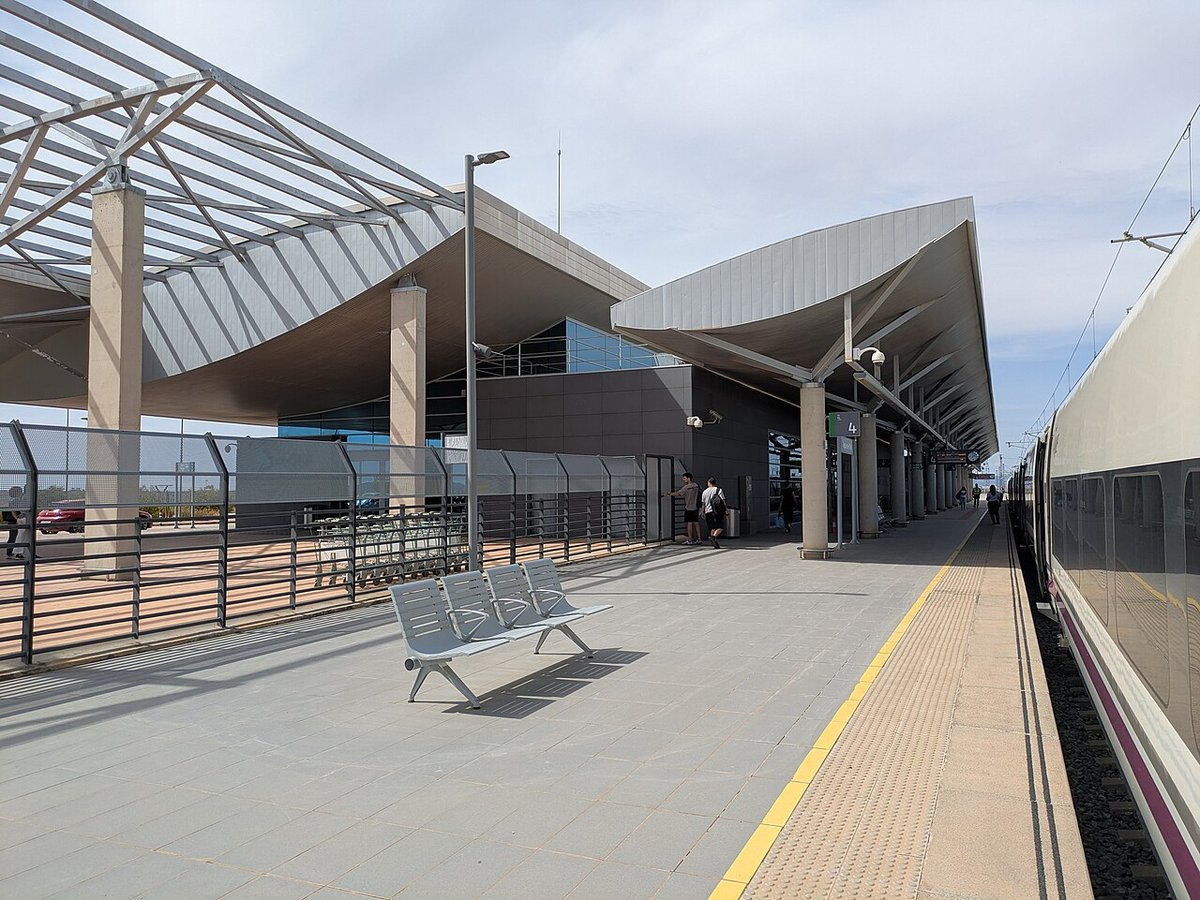
The train station is in the modern lower town, a walk from the old quarter. If you come by car, park in a central area and continue on foot. The place reveals itself at street level, in the transition from a sunlit plaza to the cool air of a cellar doorway.