Full Article
about Alcàntera de Xúquer
Small riverside town devoted to citrus farming, with a traditional atmosphere.
Ocultar artículo Leer artículo completo
The morning light hits the orange groves first, turning them gold while the village still sleeps. By half seven, the only sounds in Alcantera de Xuquer are bicycle chains clicking and the distant hum of irrigation pumps pulling water from the Xúquer river. This is agricultural Valencia at its most honest—not the polished version sold at city markets, but the working reality where 1,400 people still live by the land's rhythm.
At 33 metres above sea level, the village sits flat against the river valley floor. No dramatic hilltop views here. Instead, the landscape stretches wide, interrupted only by the occasional farmhouse and the straight lines of acequias—those medieval irrigation channels that still divide the land into neat rectangles. When the orange trees bloom in April, the entire valley smells like someone spilled expensive cologne. The scent carries for miles, drifting through open windows and settling on laundry hung out to dry.
The Church Bell Still Runs Things
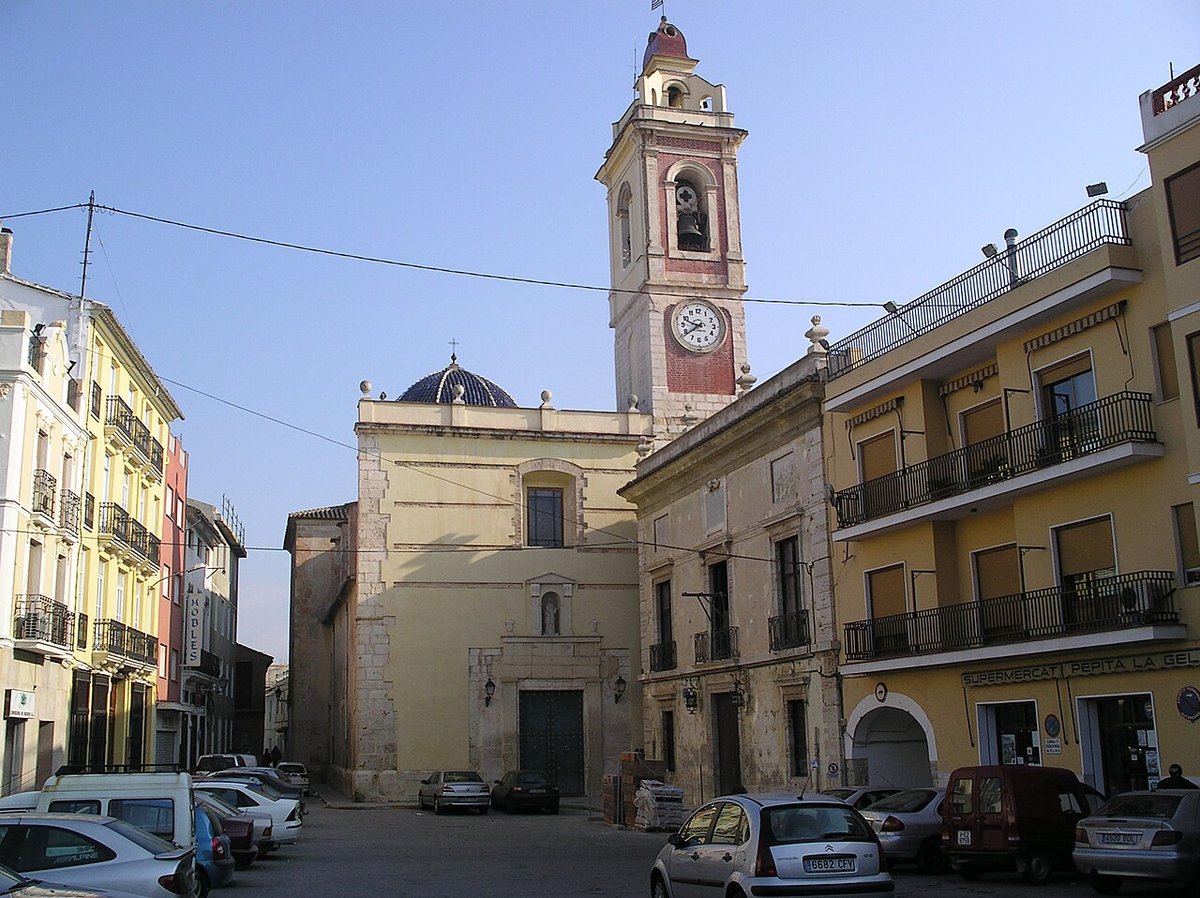
The parish church dominates the modest skyline, its bell tower the tallest thing for kilometres. Built in phases over three centuries, it shows—Gothic arches butt up against Baroque additions, while the doorway hints at earlier Romanesque simplicity. Inside, the walls bear watermarks from the 1957 flood that sent the Xúquer raging through houses and fields. Older residents still mark time by that disaster: before or after the water.
The church clock dictates daily life more than any smartphone. Field workers head out when it strikes six, return for lunch at two, and re-emerge for evening tasks at five. The rhythm feels almost medieval, though the tractors these days have GPS and the orange-picking platforms are hydraulically operated. Progress arrived quietly here, without disturbing the essential pattern.
Walking the grid-pattern streets reveals typical Ribera Alta architecture: ground-floor stables converted into garages, upper balconies just wide enough for a chair and a cigarette. House fronts wear their age openly—faded blue paint, iron grills gone orange with rust, wooden doors that no longer quite fit their frames. Nothing's been restored to death. The patina is real.
When the River Dictates Your Calendar
The Xúquer, barely 200 metres wide here, controls everything. In summer it shrinks to a polite stream where locals swim after work, keeping an eye out for the occasional tourist kayak that drifted too far from the rental base upstream. Come October, it swells with mountain runoff, sometimes jumping its banks to remind everyone who's boss. The 2019 flood put half the football pitch underwater and deposited enough silt to cancel Sunday matches for a month.
Access reflects this seasonal personality. Summer driving from Valencia takes 45 minutes via the A-7, then a straight shot down the CV-564. Winter storms can close smaller roads, turning the final approach into a detour through neighbouring villages. Public transport exists but requires patience—two buses daily from Valencia's Estació del Nord, timed more for schoolchildren than tourists. The 3.20€ fare buys you an hour and twenty minutes through increasingly rural landscape, ending at a stop that's basically someone's front garden.
Cycling proves more reliable than buses. Flat agricultural tracks connect Alcantera to nearby settlements: 12 kilometres to Alzira through uninterrupted groves, 8 to Carcaixent via the old railway line converted to greenway. Rental bikes aren't available in the village itself—arrange them in Alzira or bring your own. The riding is gentle, the surfaces mostly good, the traffic minimal once you leave the main road.
Eating What Grew Yesterday
The village's three restaurants all source vegetables from within a five-kilometre radius. At Casa Mari, the menu changes depending on what appeared at the back door that morning. Winter brings artichoke hearts simply grilled and dressed with local olive oil. Spring means tender broad beans stewed with morcilla. Summer showcases tomatoes that actually taste like something, served room-temperature with nothing more than salt and a splash of vinegar. Prices hover around 12€ for three courses, including the house wine that arrives in an unlabelled bottle.
The orange influence extends beyond breakfast juice. Local women make a bitter-orange marmalade that pairs surprisingly well with manchego. The bakery does a citrus-infused sponge that sells out by 11am. Even the paella gets a subtle orange note—the zest added with the saffron, giving the rice a floral quality that works better than it sounds.
For self-catering, the Saturday morning market fills the main square with precisely eight stalls. That's enough. One sells nothing but seasonal vegetables, another specialises in local honey (orange blossom, naturally), a third offers cheese from goats that graze the nearby mountains. The fish van arrives from Valencia at 10am sharp—crowds form early, especially when the sea bream looks particularly fresh.
Festivals Where Everyone's Invited
San Antonio Abad in January blesses the animals, though these days it's mostly dogs and the occasional pet rabbit. The real action happens afterwards, when families fire up portable barbecues in the church square and share sausages wrapped in crusty bread. If someone offers you a piece, take it—refusing food here counts as social suicide.
Summer fiestas in late July transform the village entirely. What was a quiet agricultural centre becomes a three-day party with pop-up bars, temporary discos in the sports hall, and fireworks that terrify every dog within a five-mile radius. The paella contest draws competitors from across the region, each convinced their grandmother's recipe reigns supreme. Visitors are welcome to taste, though you'll be expected to express strong opinions about socarrat—the coveted crispy rice layer at the pan's bottom.
Semana Holy Week processions feel intimate rather than spectacular. Locals carry the statues because they grew up with them, not for tourist photos. The Thursday night procession starts at 10pm and winds through narrow streets barely wide enough for the floats. Spectators press against doorways, creating tunnel-like conditions where incense smoke has nowhere to escape. It's claustrophobic, moving, utterly authentic.
The Honest Assessment
Alcantera de Xuquer won't change your life. There are no bucket-list monuments, no Instagram-famous viewpoints, no restaurants you'll dream about later. What exists is a functioning agricultural community that happens to welcome visitors who don't mind adapting to rural Spanish time.
Come here for slow cycling through orange groves, for conversations with farmers who've worked the same land for forty years, for food that travelled minutes not miles. Don't come expecting boutique hotels—the nearest accommodation is in Alzira, a 15-minute drive away. The village offers one modest guesthouse with three rooms above the main bar. Saturday nights get loud; the disco doesn't respect quiet hours.
Spring brings the famous orange blossom but also occasional agricultural burning that sends smoke across roads. Summer means 35-degree heat and siestas that shut everything between two and five. Winter can feel deserted—many younger residents work seasonal jobs elsewhere, leaving a population that skews distinctly elderly.
Yet for travellers seeking agricultural authenticity without the tour-group packaging, Alcantera delivers. It's Valencia's kitchen garden, unchanged by tourism because tourism was never really the point. The oranges will bloom regardless of whether you visit. The river will rise and fall on its own schedule. The church bell will keep marking time, indifferent to your presence, stubbornly consistent in a world that increasingly isn't.