Full Article
about Beneixida
New town rebuilt after the 1982 flood with modern, functional architecture.
Hide article Read full article
Beneixida: The town you get in five minutes
You know those places that feel familiar almost as soon as you step out of the car? Beneixida is one of them. You park by the square, walk two streets, and you’ve pretty much got the map in your head. There’s no tourist puzzle to solve here. What you see is what you get: a small town in the Ribera Alta where life moves at the pace of the surrounding orange groves.
With around six hundred people, it feels like everyone knows what everyone else is doing. The huerta isn’t just a pretty backdrop—it’s the reason the place exists. From the centre, you can see the neat lines of citrus trees stretching out in every direction, cut through by acequias and those dusty farm tracks you see all over this part of Valencia.
A centre that’s hard to get lost in
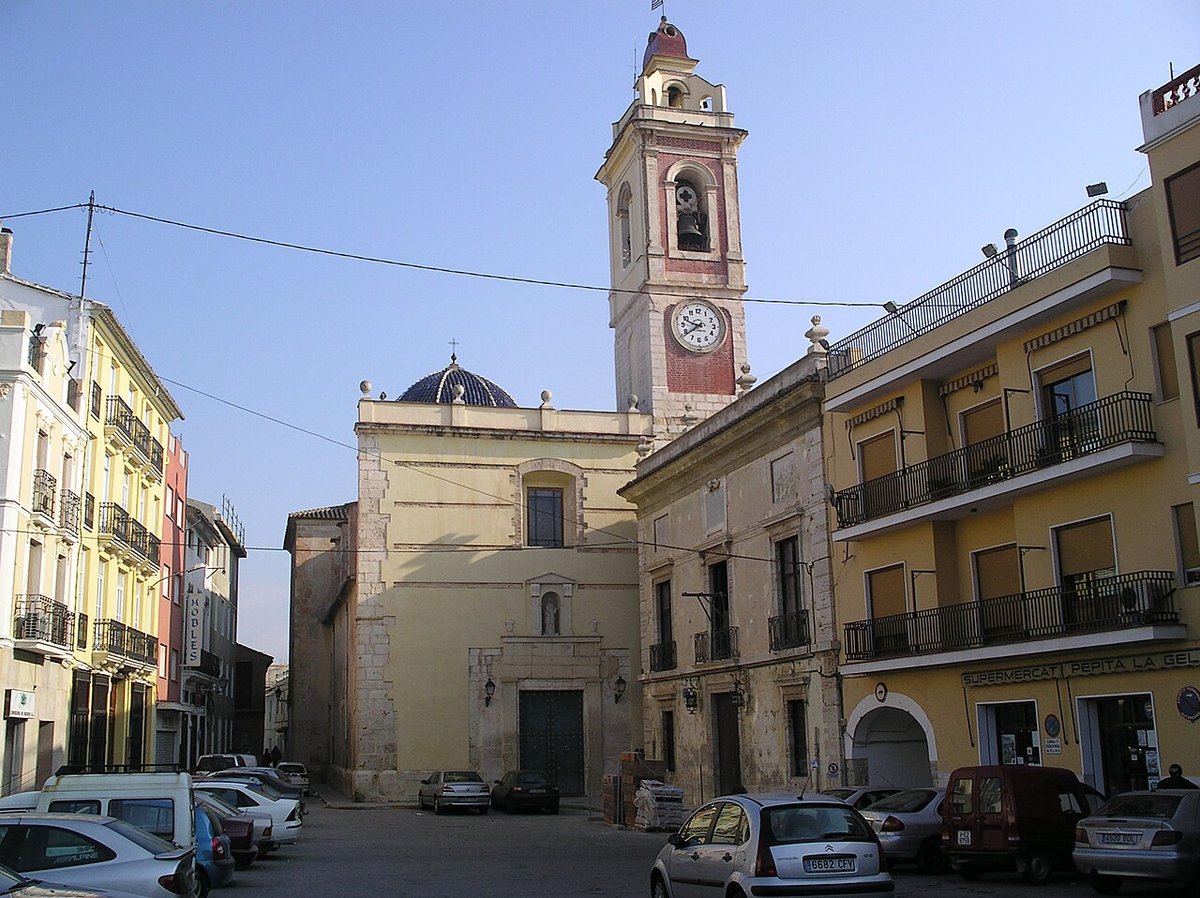
The town itself is compact. You’ll likely end up circling back to the main square without really trying. The church of the Inmaculada Concepción acts as a handy landmark. You use it more to orient yourself than for its architecture, especially when all the low, whitewashed houses start to look similar.
It’s functional. The streets are quiet on a weekday afternoon. You might see someone sweeping their doorstep or hear a TV through an open window. Look closer and you’ll spot details that haven’t changed in decades: old rejas on windows, heavy wooden doors faded by the sun, wrought-iron balconies holding pots of geraniums. It’s not flashy, but it feels real.
Where things actually happen: the huerta
The real character of Beneixida starts where the pavement ends. Step onto any of the dirt tracks leading out of town and you’re immediately in working farmland.
This isn’t a preserved landscape for visitors. Tractors rumble past, farmers are out checking irrigation lines, and depending on the season, you might catch the sharp, sweet smell of orange blossom or see crates of fruit being loaded. In summer, the green of the groves feels almost defiant against the heat.
Walking here is straightforward. Pick a track and go. The ground is flat, there’s hardly any traffic besides the occasional farmer on a motorbike, and you can walk for ten minutes or two hours. It’s peaceful in a very practical way—the peace that comes from being in a place where people are busy with things that matter.
Cycling works even better. You can cover more ground on these flat lanes and get that feeling of space you don't get in the narrow streets back in town.
Eating what grows next door
Don’t come looking for trendy bistros. Food here is tied directly to what comes out of that huerta you just walked through.
In local homes, you’ll still find dishes like olla amb fesols i naps—a bean and turnip stew that makes sense when there's a chill in the air. Rice is cooked for family gatherings, often with vegetables picked that same day: artichokes, broad beans, onions. It's simple cooking that hasn't needed to change much.
Festivals and finding life in the streets
The big event is for the Inmaculada Concepción in December. Like everywhere around here, it mixes religion with noisy street parties and communal meals.
But smaller things happen year-round—neighbourhood barbecues or celebrations tied to harvest dates organized by local associations. If you hit one by chance, you'll notice immediately: plastic chairs appear on sidewalks, kids take over the square with footballs and music echoes down streets that were silent an hour before.
It doesn't feel staged. It just feels like everyone decided to have lunch outside at once.
How to visit (and why)
From Valencia it takes about 45 minutes by car via Alzira if traffic plays nice. There are buses from nearby towns but they aren't exactly frequent so check times unless you fancy a long wait.
Here's my take: Beneixida isn't a destination for a full day trip. Think of it more as a detour. Stop on your way through Ribera Alta. Walk its streets for half an hour. Then stretch your legs properly on one of those farm tracks between orange trees. Have lunch somewhere simple. You'll leave with a clear picture of how this corner of Valencia lives and works—and you'll have done it without rushing or ticking off sights. Sometimes that's enough