Full Article
about Benifaió
Known for its Almohad-era tower in the square and intensive farming.
Hide article Read full article
Benifaió, un martes cualquiera
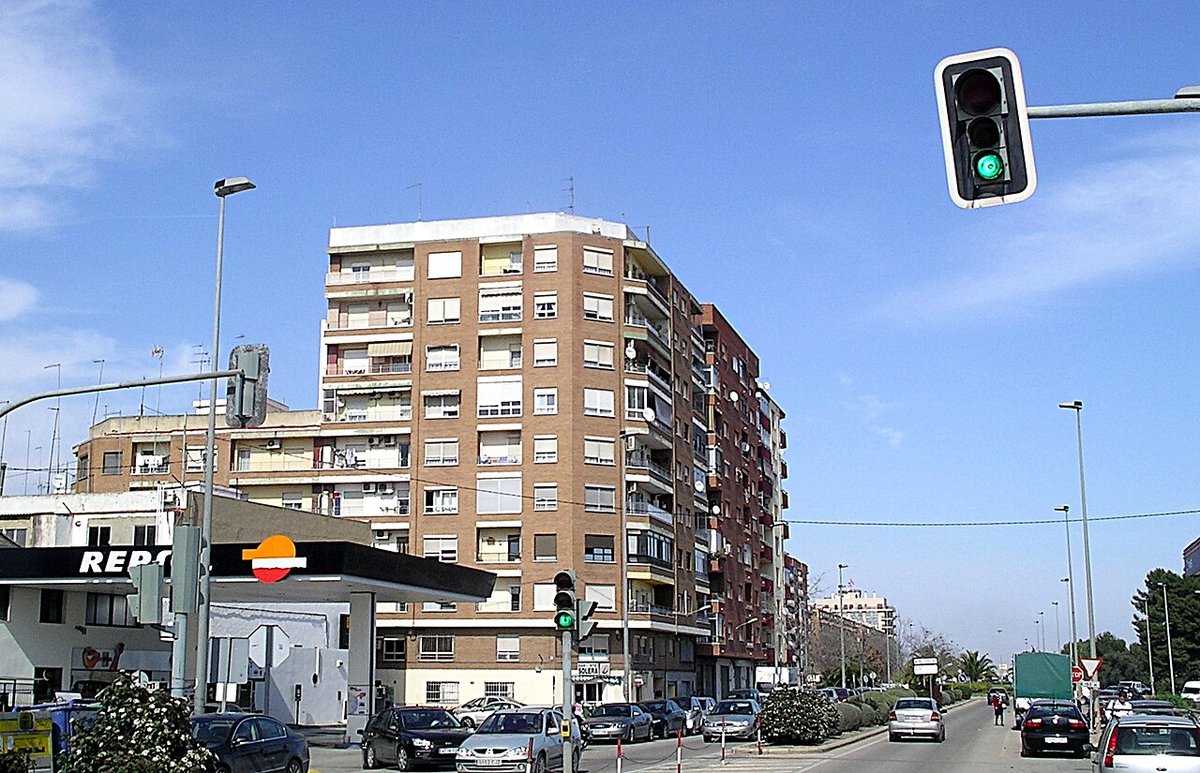
Benifaió es como ir a casa de tu primo que vive en un pueblo de la huerta. No vas a flipar con la postal, no hay mar ni montaña recortándose al fondo. Pero después de un rato, empiezas a pillar el ritmo. Aquí se come bien, se aparca sin drama y no te cruzas con una procesión de turistas con mochila. Es un pueblo que funciona, sin más pretensiones.
El esmorzaret no es postureo
Si llegas un día laborable a media mañana, el sonido ambiente no es el de las cámaras de fotos. Es el de las máquinas de café y las conversaciones a volumen de bar. En uno de estos locales, un tipo con la camisa abierta por el calor pide una cerveza y un plato caliente sin mirar la carta. Nadie le mira raro.
Pides un café con leche y un fartón, y el camarero puede que te mire con cierta ternura. “Chaval, eso es para la horchata”, te dice en valenciano. Tiene razón. El esmorzaret aquí es pan con tomate, algo sólido encima (una sardina, unos trozos de longaniza), aceitunas y charla. La charla empieza hablando del tiempo en el campo y termina arreglando el mundo. Es una rutina, no una experiencia diseñada para Instagram.
Torres que vigilan los naranjos
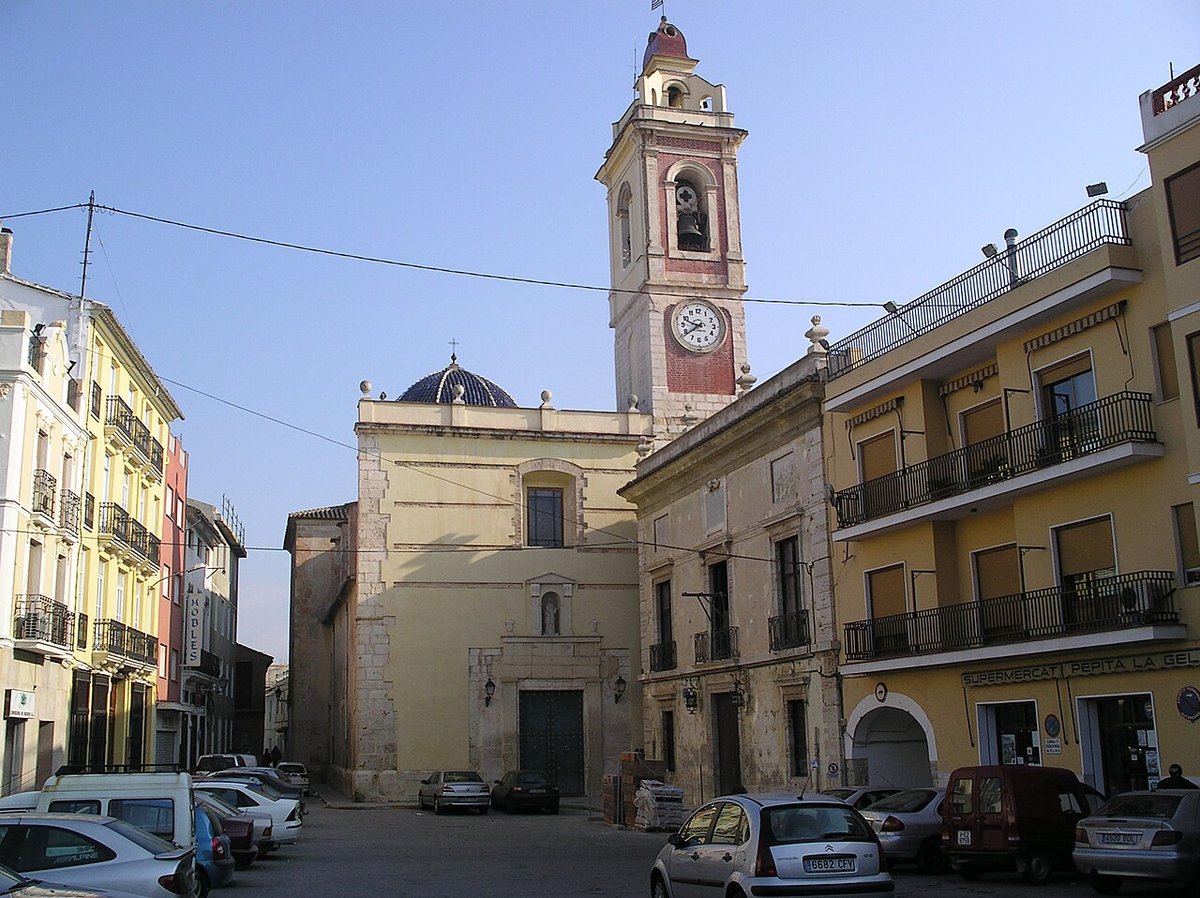
Lo que no te esperas en medio de la llanura son torres medievales. La Torre de la Plaça está plantada en mitad del pueblo, como recordando quién llegó primero. Si se puede subir (infórmate antes), ves desde arriba cómo se ordena el casco urbano. Justo debajo de la plaza encontraron unos silos antiguos para guardar grano. La historia aquí está bajo los pies.
Si te alejas un poco por los caminos de la huerta, aparece la Torre Mussa. Más baja y solitaria, parece un vigía perdido entre naranjos. Desde la senda se entiende su función original: controlar el territorio. Hay una ruta señalada que une varios puntos históricos así, pasando por estas torres. Es plan para una mañana tranquila.
El mercado donde te preguntan qué vas a cocinar
El Mercado Municipal huele a pescado fresco y a verdura recién traída del campo. No es decorativo. Detrás del mostrador, te pueden preguntar “¿y esto para qué lo quieres?” antes de recomendarte una pieza u otra.
Es común que el consejo para hacer paella (nada de chorizo, por cierto) venga junto a una lección rápida sobre cómo elegir los garrofones. No hay florituras. Es conocimiento práctico que ha pasado de abuelos a nietos detrás de una balanza.
Si coincides con fiesta
Cuando llegan las fiestas de San Pedro Apóstol, el tempo cambia. Suena música en la calle, huele a pólvora y salen las mojigangas, esas figuras gigantes que desfilan. La sensación no es la de un espectáculo montado para foráneos; es la de un pueblo celebrando lo suyo.
Durante el año también hay ferias o eventos populares con puestos y talleres. Si caes en uno, mejor: serás parte del ambiente callejero, no un espectador aparte.
Un paseo hasta el Júcar
Desde las últimas calles salen caminos llanos hacia la huerta y hacia el río Júcar. Se andan o se van en bici sin necesidad de equipo especial.
En primavera, cuando florecen los naranjos, el olor a azahar viene por oleadas. Ves alguna caseta de campo donde familias preparan paella los domingos. Es vida normal, no turismo rural empaquetado.
El paisaje no es espectacular; es abierto, cultivado y funcional.
Entonces, ¿merece la pena Benifaió?
Benifaió no va a ganar ningún concurso al pueblo más bonito de España. No tiene playa ni un casco histórico laberíntico.
Pero tiene otra cosa: funciona. La huerta lo envuelve en verde. Los bares se llenan a la hora de comer. La gente habla en la calle sin prisa. Mi recomendación es ir cualquier martes por la mañana. Pasear por el centro, mirar hacia arriba para ver una torre, llegarte hasta los campos y sentarte un rato en una plaza. En unas horas, Benifaió se muestra tal cual es. Y al final, te llevas la sensación de haber estado en un sitio real, no en un decorado