Full Article
about Carcaixent
Cradle of the orange, with modernist architecture and the Huerto de Soriano estate
Ocultar artículo Leer artículo completo
The scent that hits before the town comes into view
Twenty-one metres above sea level sounds negligible until you leave Valencia's coastal flats and the air thickens with blossom. Carcaixent sits just far enough inland—30 minutes by train, 40 by car on the AP-7—to escape the Costa Blanca package rhythm, yet close enough that the Mediterranean still moderates the nights. The first thing you notice isn't architecture or even the orange groves themselves; it's perfume, drifting through the carriage windows from late February onwards, weeks before the city acknowledges spring.
This is Spain's earliest citrus hub, the place where 18th-century merchants shipped the first sweet oranges to northern Europe. The trade never left. Between the town centre and the railway line, 1,600 hectares of trees still follow the Islamic acequia grid, irrigation channels that pre-date the Reconquista. Walk the grid and you clock the working calendar: January harvest, March blossom, July canopy so dense the temperature drops five degrees beneath it. Locals set their clocks by this cycle more than by the hour.
A centre that forgot to modernise its pavements
The Plaza del Mercado feels intentionally shabby. Café tables tilt on medieval cobbles, waiters navigate delivery vans that squeeze through archways built for mules. No one seems bothered. Order a café amb llet and you get a proper cup, not glass, plus a finger of condensed milk to regulate sweetness yourself—€1.40 if you stand, €1.80 seated. Sunday mornings bring an agricultural market where growers sell blemished fruit for jam; British visitors usually miss it because kitchens shut at 14:00 and the concept of lunch at 17:00 simply doesn't exist.
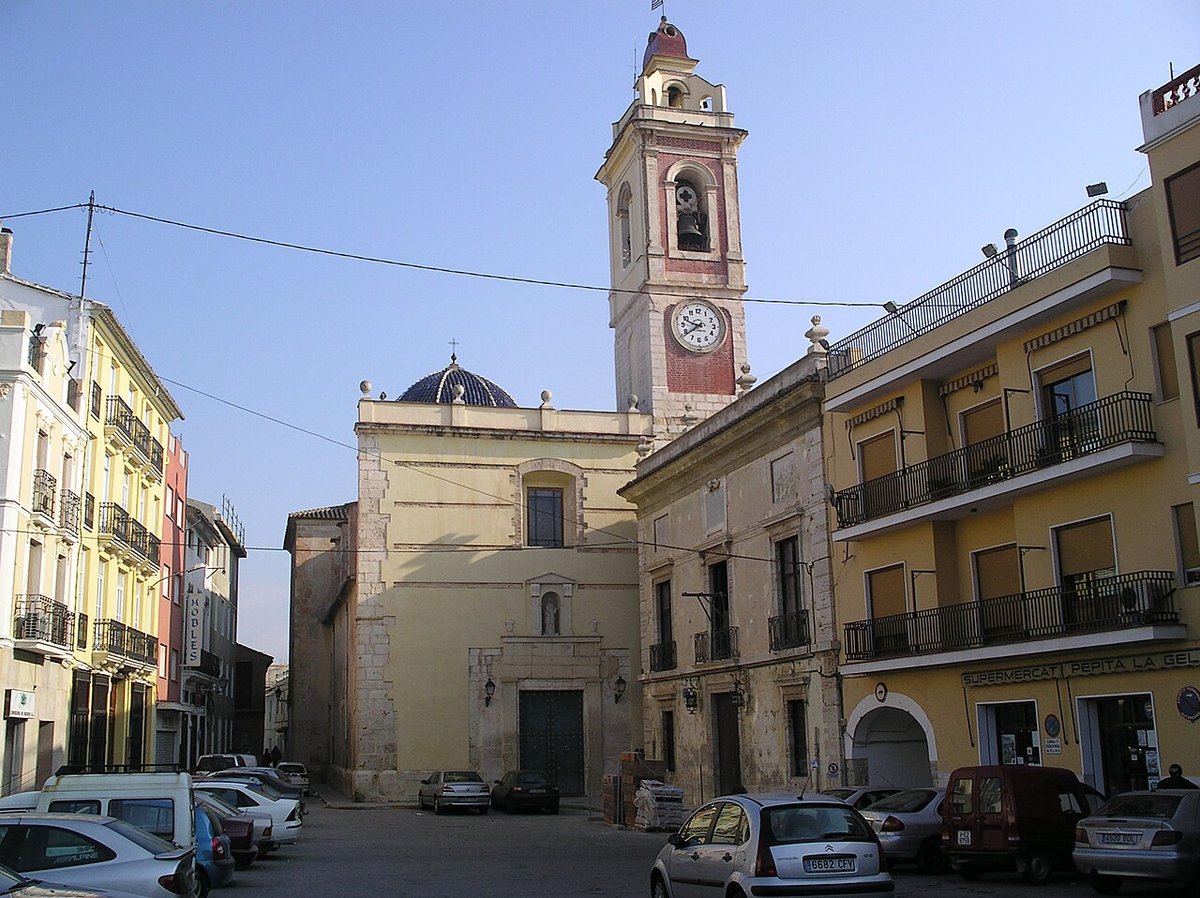
Architecture buffs head first for the Iglesia Arciprestal, its baroque tower visible from the train platform. Inside, the surprise is scale: side chapels large enough for parish meetings, a rood screen that survived 1936 by being boarded over and forgotten. Ask the sacristan—he appears when the door creaks—and he'll unlock the 1767 organ, still hand-pumped, still used for monthly citrus-fundraising concerts. Donations go straight into roof tiles loosened by last winter's gota fría storms.
Five minutes away, the Palau dels Centelles squeezes Gothic ribs into a Renaissance courtyard so small it feels like a film set. The building serves as the civic registry office now; wander in and you're likely to interrupt a wedding photo-shoot, guests fanning themselves with order-of-service sheets printed with orange-blossom motifs. No gift shop, no audio guide, just a staircase you can climb if you ask politely.
Museums and other quiet rooms
The Museu de la Taronja occupies a 1920s packing warehouse beside the river. Exhibits sound dry—antiquated grading machines, export labels in seven languages—until you realise the hand-painted wooden crates were Tesco's great-grandfather. A 1898 ledger shows "Carson of Liverpool" ordering 50,000 Valencias at three shillings per dozen. Upstairs, a darkened room pumps out blossom scent while time-lapse footage compresses a year into three minutes: green, white, orange, stripped bare, repeat. Children get given a waxed paper bag of loose peel to take away; by closing time the whole building smells like marmalade.
Tours of the surrounding groves leave from here on Tuesdays and Fridays, maximum twelve people, €12 including a bottle of juice pressed from whatever's in season. The English-speaking guide, Pilar, refuses tips but accepts help picking any fallen fruit—"otherwise the flies stage a coup." Wear trainers; the soil is sandy loam that seeps into sandals.
Flat walks and the illusion of wilderness
Carcaixent's acequias double as walking routes. The main track, Senda de la Acequia Mayor, runs 7 km south to neighbouring Alzira, shaded by reeds and the occasional date palm that seeded itself from washed-up stones. Direction is simple: keep the water on your right heading out, on your left returning. You'll pass farmers adjusting sluice gates with tools their grandfathers forged; nod, say "bon dia," and they'll explain which field belongs to which cooperative. The path is pancake-level, ideal for pushchairs, but carry water—village fountains are ornamental, not potable.
Cyclists can loop further, following signed lanes that skirt the Marchal Natural Park. Don't expect wilderness; even the "forest" sections are old orange terraces gone feral. What you get instead is birdsong—goldfinches feast on overripe fruit the pickers missed—and the odd ruined caseta where Victorian exporters once stored gloves and ledger books.
What arrives on the plate
Rice rules inland Valencia, but Carcaixent gives it a citrus twist. Arroz al forn arrives in individual clay dishes, baked with chickpeas, spare ribs and a strip of orange peel that caramelises against the earthenware. Less challenging than seafood paella for British palates, it still arrives after 20 minutes' wait; kitchens cook to order, no microwaves in sight. Try it at Origo on Calle Mayor, where the set lunch menu is €14 and they'll swap the ribs for squash if you ask before 13:30.
Pudding is harder to resist than it sounds: orange salad with cod and black olives. The fish is salt-cured, shredded paper-thin, more texture than taste; the juice dresses everything like a light vinaigrette. Children usually veto it, then polish off orange-blossom ice-cream from Heladería La Fita two doors down—€2 a scoop, portion size generous enough to share until adolescence hits.
For self-catering, the Friday indoor market stocks "ugly" fruit rejected by supermarkets: knobbly mandarins whose sugar content exceeds EU grading limits, sold in five-kilo sacks for €3. Pack them in checked luggage; they survive the flight better than any airport souvenir.
Timing pitfalls and how to avoid them
August is brutal. Thermometers touch 40 °C by 11:00, shutters slam until 19:00, most restaurants close for three weeks. British school-holiday visitors end up eating crisps in hotel bars and wondering where "authentic Spain" went. Come instead in late March for blossom, or mid-October when the Modernista fair recreates 1900 with vintage trams and costume parades—temperatures hover round 24 °C, hotels charge half summer rates.
Last train back to Valencia leaves at 22:05; miss it and a taxi costs €70 on the meter, more if Barcelona Football Club have played and drivers gauge sentiment. Hire cars should be pre-booked at Valencia airport; the on-site Hertz kiosk shuts at 23:00 and there's no night drop.
Cash remains sovereign. Several bars still operate on a tin-box-under-the-counter system; foreign cards provoke mild panic. Withdraw notes no larger than €20—farmers treat fifties with the suspicion reserved for Monopoly money.
Departure through the groves
Board the evening train and the perfume follows you inside, clinging to clothes, hair, the peel tucked into coat pockets for the journey home. Carcaixent doesn't shout its merits; it simply continues the routine that paid for the church tower, the palace, the warehouse museum. Visit once and you clock the agricultural calendar every time you peel an orange back in Britain—wondering whether the groves are in blossom, whether Pilar has room on Friday's tour, whether the sluice gates are open or closed. That's the village's real export: not fruit, but a lingering awareness that somewhere inland the seasons still taste of something.