Full Article
about Gavarda
Town relocated after the flood, with a historic iron bridge over the Júcar
Ocultar artículo Leer artículo completo
The scent hits you first. Not salt air or sun cream, but orange blossom so heavy it settles on your clothes like pollen. In Gavarda, 45 minutes south-west of Valencia city, the Mediterranean feels imaginary; this is orchard country, where the land is ruler-straight and every road ends in a citrus hedge.
Five thousand people live here, give or take the students who leave for university and drift back when rent in town gets silly. The place is pancake-flat, built on irrigation channels laid by the Moors, and the only thing that passes for a skyline is the parish church tower poking above the rooftops. No castle, no dramatic gorge, no Instagram staircases—just a working grid of streets where the loudest noise is often the clank of a tractor reversing into a cooperative depot.
What the Map Doesn’t Tell You
British tour operators simply never mention Gavarda. TripAdvisor has clocked barely fifty reviews, most of them written by wedding guests who needed a bed within taxi distance of a cousin’s finca. That anonymity is either a bug or a feature, depending on what you’re after. If you want souvenir tea towels, turn round now. If you want to watch a village decide—collectively, over coffee—whether today feels like an 08:00 or an 08:30 start, stay.
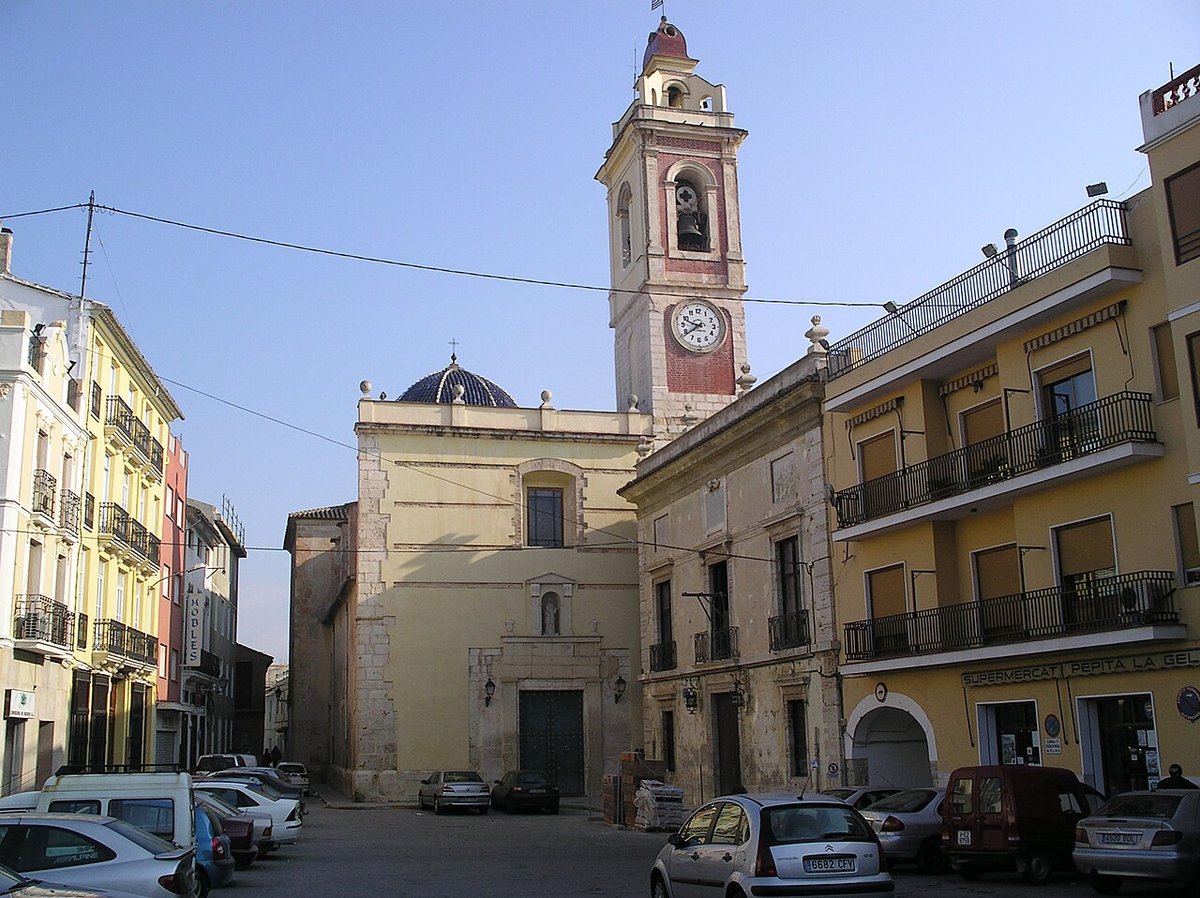
The urban core is small enough to cross in ten minutes. Houses are rendered in the warm, slightly pinkish plaster the region favours, their ground-floor doors still tall enough for a mule and cart. Look up and you’ll see satellite dishes bolted beside 19th-century wrought-iron balconies; Gavarda modernised in real time, without waiting for heritage grants. The church of Sant Miquel sits dead centre, doors usually unlocked, interior scented by candle wax and floor polish. Inside, the retable is a restrained baroque affair—no overwhelming gold leaf, just carved walnut and the sense that the parishioners, not the diocese, paid for every inch.
Outside, the Plaza de la Constitución is more car park than plaza, but the bar on the corner manages the square trick of serving toasted sandwiches that taste better than any £9 sourdough you’ve queued for in London. Coffee is €1.20, served in glass tumblers, and the waiter still remembers which English cyclist asked for soya milk last spring.
A Walk Through the Groves
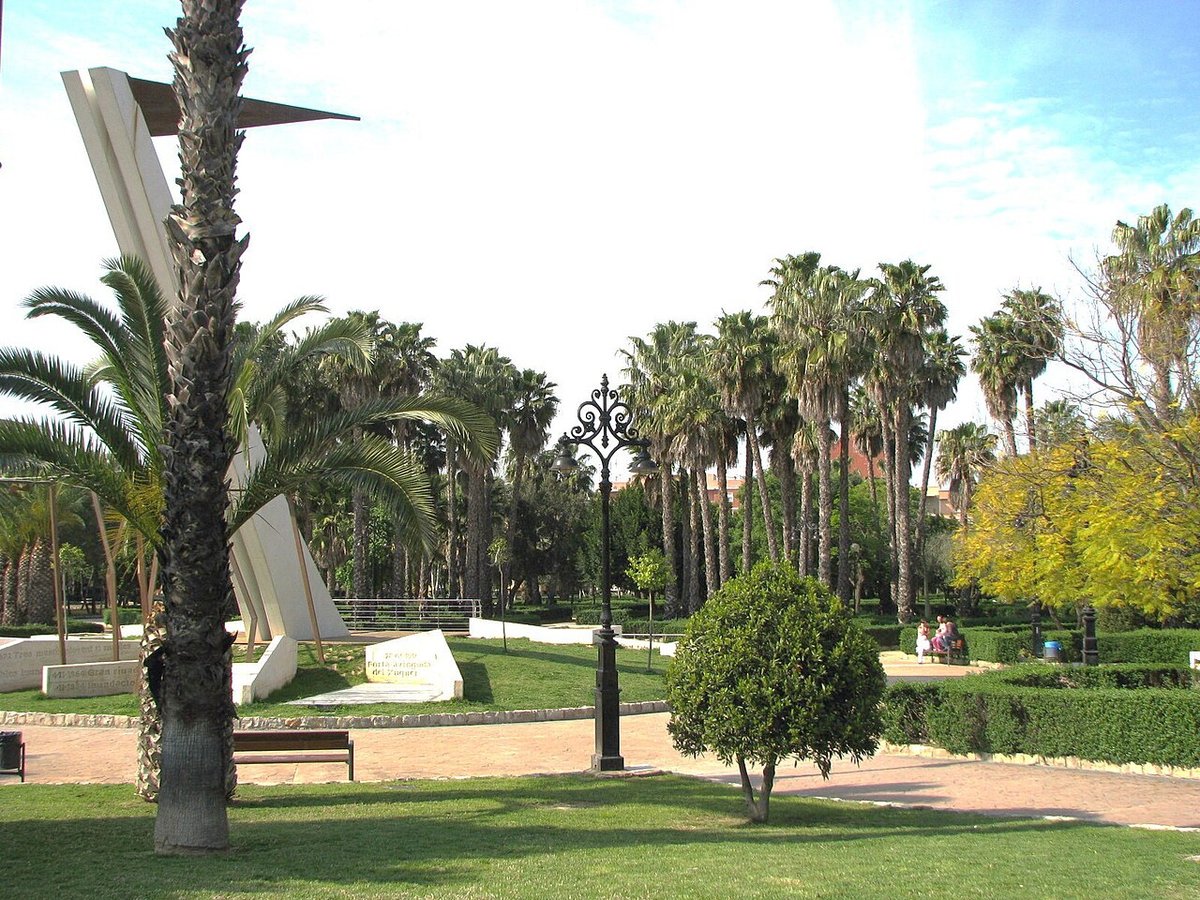
Go any direction beyond the last row of houses and you hit dirt tracks that divide the huerta into chessboard plots. Orange trees dominate—Valencia late-season, navel, blood—tagged with tiny plastic labels that read like a botanist’s diary. January to April the branches sag with fruit; locals carry carrier bags to “borrow” the odd kilo, and nobody seems to mind if you do the same. Pick one, tear the skin; the oil sprays like perfume.
Footpaths are signed, but only just. A circular route heads south along an acequia, the irrigation ditch still flowing with the same gravity-fed system devised a thousand years ago. You’ll pass a pumping station painted municipal green, then a corrugated shed where someone’s grandfather sells honey from a fridge. The landscape is absurdly tidy: no litter, no straggling brambles, just earth the colour of cinnamon and hedgerows of reeds that whisper when delivery vans whoosh past on the CV-564.
Spring brings the azahar bloom; mid-March to mid-April the whole valley smells like a florist’s fridge. Mid-summer, frankly, is brutal—40 °C by noon, cicadas screaming—and many villagers siesta behind roller shutters until six. Autumn means harvest: tractors towing fruit bins drive at parade speed, and the cooperative on Calle Mayor hoses sticky juice into the gutter. Evening air turns sharp with citrus sugar; it’s the closest the village comes to smelling like the sea.
Rice, Fire and Local Time
Gavarda doesn’t stage nightly flamenco. What it does have is a calendar dictated by crops and saints. The falla arrives mid-March: a papier-mâché effigy hoisted in the plaza, torched at midnight while the brass band plays something between a hymn and a football chant. August hosts the fiestas patronales—five days of paella contests, outdoor discos and a procession where the Virgin is carried, very slowly, in circles until her platform creaks. If you’re British and used to orderly queuing, the scrum at the rosquilla doughnut stall will feel anarchic; lean in, wave a euro, you’ll be served.
Food is practical, not pretty. The bakery opens at 06:00, sells bocadillos filled with last night’s stew; the logic is unarguable. Arroz al horno—oven-baked rice with chickpeas and black pudding—appears on Thursdays at Bar Niza; arrive after 14:30 and it’s gone. Vegetarians survive on escalivada (roasted aubergine and pepper) rolls and the local horchata, served ice-cold with fartons, those long iced buns designed for dunking. Prices feel like a typo: €2.50 for the bun, €1.80 for the drink, even in 2024.
Getting Here, Staying Sane
No train station, no Uber, only one taxi licensed for the village—book Miguel in advance or you’ll miss your flight. The nearest car-hire desks are at Valencia or Alicante airports; both routes feed into the A-7, then peel off onto the CV-50, a road so straight you could set cruise control and read a paragraph. Accommodation is thin: Casa Rural La Lloma has three rooms and a roof terrace that stares across unbroken orange lines to the mountains. Weekends fill with Valencian couples on cycling escapes; mid-week you might have the place to yourself, but the owner still expects you downstairs for breakfast at nine sharp.
Bring cash. The single ATM, inside the Cajamar branch, runs dry on Friday afternoon and isn’t refilled until Monday. Pack mosquito repellent—rice paddies lie ten minutes west, and the insects commute. Closed hours are real: bakery shuts at 13:00, museum (one room, free entry) opens Tuesday and Thursday only, and the village supermarket shutters from 14:00 to 17:30 because siesta is not folklore, it’s labour law.
The Honest Verdict
Gavarda will not change your life. It offers no infinity pool, no Michelin star, no backstreet bar where Hemingway carved his initials. What it does offer is a chance to calibrate to a slower metronome: one where the weekly market is three stalls and a van selling socks, where the priest’s sermon is broadcast over loudspeakers at 12:00 so even the atheists know when to start the rice, and where a stranger can pick an orange, bite into it, and realise that “authentic” was never meant to be a sales pitch—just a Tuesday.