Full Article
about Guadassuar
A farming town known for its San Vicente Fair and traditional dances.
Hide article Read full article
Guadassuar, un nombre que suena a río
Guadassuar es uno de esos nombres que te hacen dudar si estás leyendo bien. Viene del árabe Wad Aswa, que viene a ser algo así como la orilla del río. Y cuando llegas, lo ves claro: el pueblo está pegado al Magre, rodeado de huerta, como si las casas se hubieran construido justo donde terminan los campos.
Esto no es un pueblo para fotos panorámicas. Guadassuar tiene más pinta de lo que es: un lugar de la Ribera donde se vive con los horarios de la huerta. El ritmo no cambia porque pase un coche con matrícula foránea. Es constante y local.
Una torre que se hizo iglesia
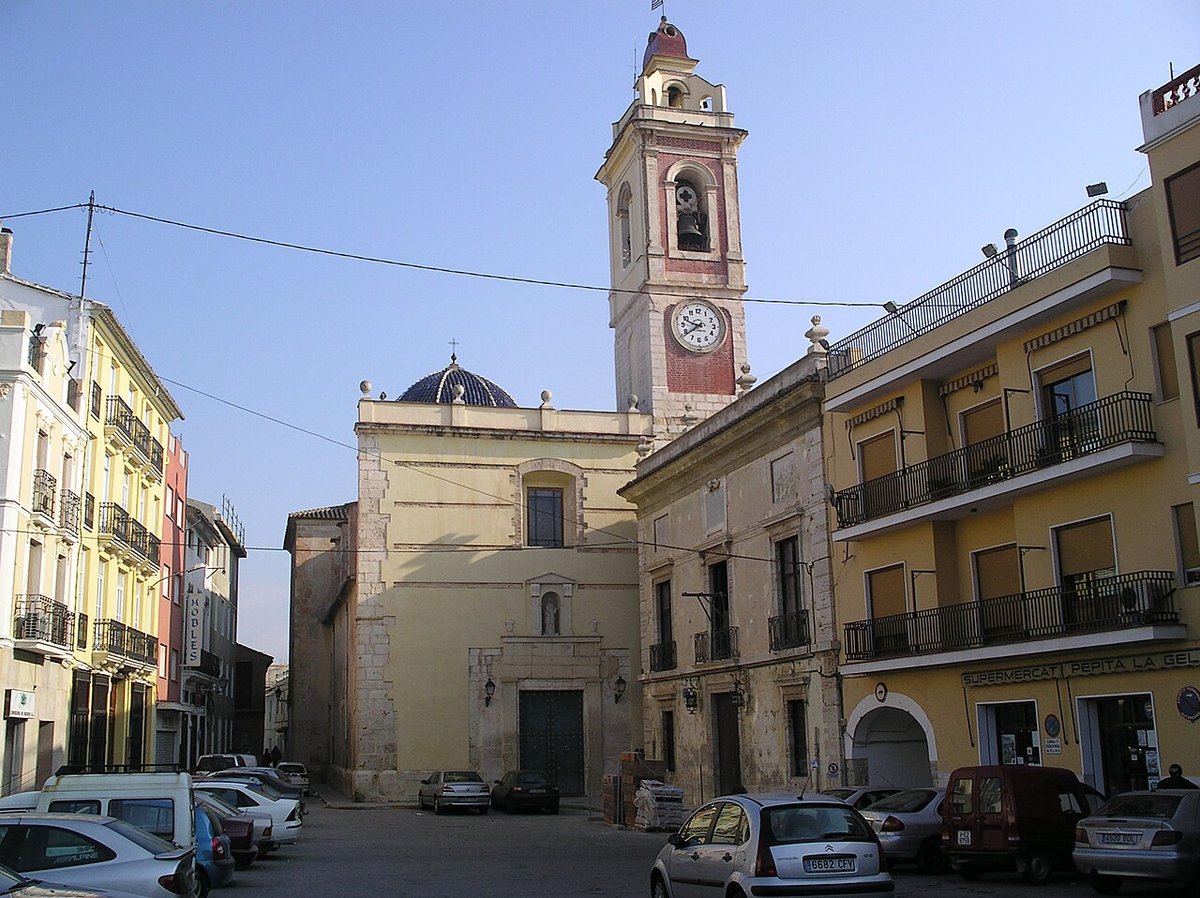
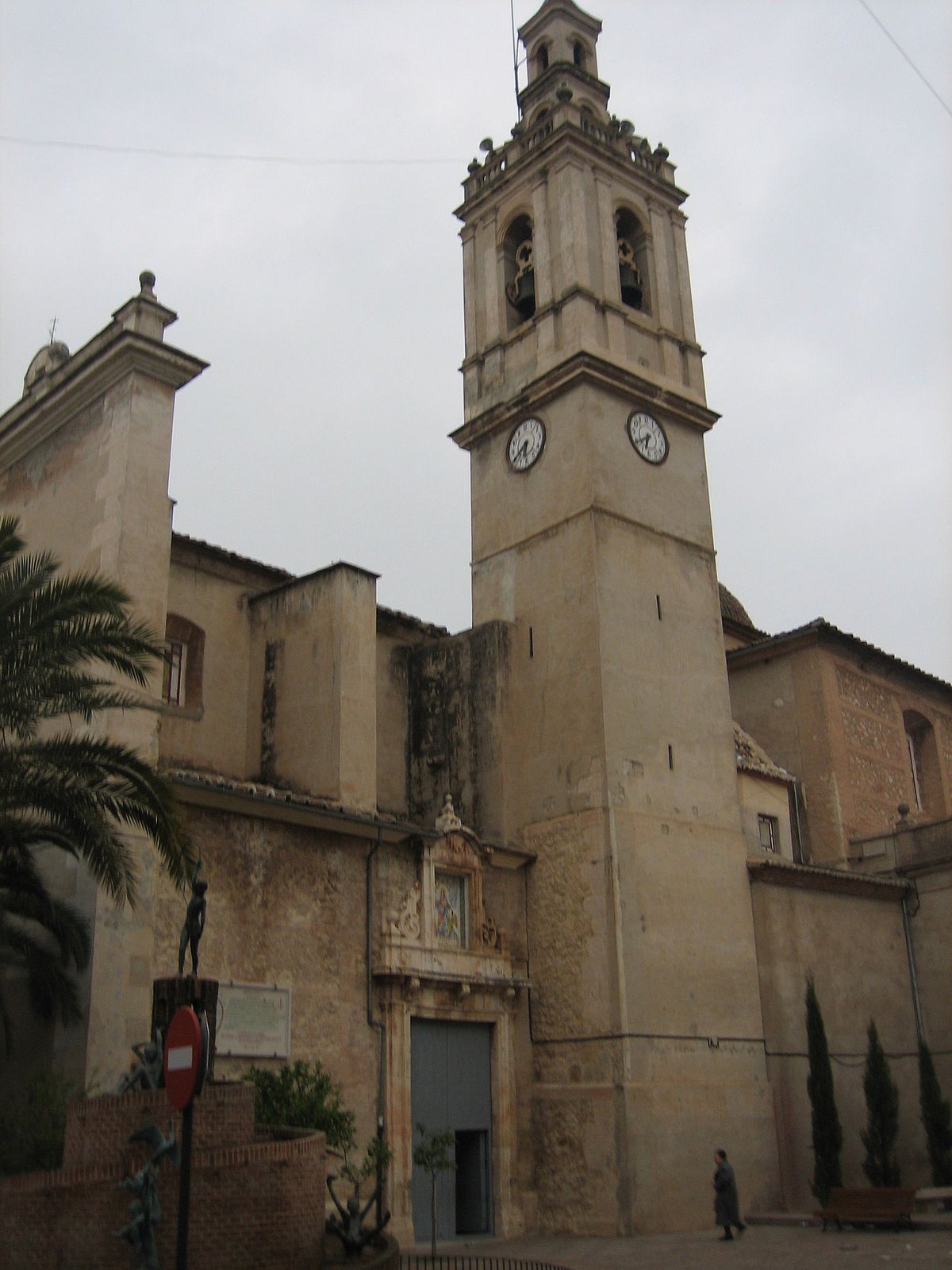
Lo primero que llama la atención es la torre campanario. No porque sea altísima, sino porque todo a su alrededor es bajo: calles tranquilas, casas de muros gruesos y tejados pensados para aguantar el verano.
La iglesia de San Vicente Mártir está construida sobre lo que fue una torre defensiva de la época islámica. Eso de reaprovechar estructuras pasó mucho por aquí. Se adaptaba lo que había y se le ponía encima una iglesia cristiana. Una decisión práctica que marca su arquitectura.
Dentro hay retablos barrocos e imágenes de devoción que llevan siglos en la vida religiosa del pueblo. Si puedes, sube al campanario. Desde arriba, la huerta se extiende hacia el Júcar como una superficie verde continua. La subida es estrecha y empinada, no es cosa de hacerla corriendo.
Comida de andar por casa
En sitios como Guadassuar, la comida no te llega a través de cartas pulidas ni diseños cuidados. Se transmite por costumbre.
La paella aquí sigue el estilo de interior de la Ribera. Arroz, verduras de temporada y carne, normalmente conejo. No tiene nada elaborado, pero se hace como siempre se ha hecho. Suele aparecer en casas o reuniones más que como algo que se busque expresamente en un restaurante.
Otro plato conocido por la zona es la olla de la plana, un guiso contundente con arroz, judías, verduras como cardos o nabos y lo que haya disponible. Parece sencillo hasta que te das cuenta de que cada casa lo prepara distinto.
Luego están las cosas más simples y muy locales: las cocas con tomate, sardinas o verduras, y las rosquilletas de anís que crujen al partirlas. Son esas cosas que siguen apareciendo en las mesas sin mucha ceremonia.
Fiestas para quien vive aquí
Las celebraciones principales giran en torno a San Vicente Mártir y Sant Roc. Esos días hay procesiones, actos religiosos, música y muchos petardos, en línea con lo que pasa en muchos pueblos valencianos.
El ambiente está más volcado hacia los vecinos que hacia los visitantes. Los jóvenes organizan tracas, las familias se juntan en la calle y la plaza se llena de conversaciones sobre temas locales, fútbol o detalles del ciclo agrícola.
También suele haber una feria vinculada a la tradición textil del pueblo. Las mantas hechas a mano tuvieron su importancia en Guadassuar, y ese vínculo aparece todavía en puestos con productos y artesanía local. Sigue porque el pueblo decide mantenerlo vivo.
Pasear por la huerta
Si te apetece caminar después de comer, el paisaje alrededor ofrece opciones sencillas.
La ruta al Pi Redó es probablemente la más fácil. Es un paseo corto hasta un pino grande y solo en medio del campo. No hay una ruta compleja ni un secreto oculto; solo ese árbol solitario en mitad de la huerta, con una presencia tranquila.
Otra posibilidad es seguir tramos de la Acequia Real del Júcar. Caminar junto a la acequia principal significa pasar entre naranjales y canales más pequeños que se ramifican hacia los campos. En primavera, cuando florecen los árboles, el olor a azahar llena el aire; es difícil explicarlo si no lo has olido antes.
Una tercera opción es ir hacia el río Magre por caminos agrícolas. Mucha gente local lo hace andando o en bici, muchas veces al final del día. Son rutas llanas sin desniveles fuertes, marcadas por el mismo paisaje agrícola que define toda esta zona.
Cómo llegar y cuándo hacerlo
Guadassuar está a poco más de treinta kilómetros de Valencia. En coche se llega fácilmente por las carreteras principales que cruzan la Ribera y luego por vías comarcales más pequeñas. También hay conexión ferroviaria dentro de la red de cercanías que recorre esta parte de la provincia.
La primavera es probablemente el mejor momento para venir: los campos están verdes y huele a azahar por todas partes. El verano trae calor serio —con humedad incluida— junto con mosquitos procedentes del río. El otoño suaviza mucho la luz sobre los campos y coincide con actividad agrícola. El invierno es más tranquilo; el pueblo baja otro cambio aún.
¿Merece desviarse? Depende totalmente de qué busques. Guadassuar no intenta presentarse como un destino moldeado para visitantes. Sigue siendo sobre todo un pueblo trabajador de la Ribera, con sus rutinas, sus campos y su forma propia de hacer las cosas todavía muy presentes