Full Article
about La Pobla Llarga
Birthplace of composer Calixto Pérez, surrounded by orange groves and local shops.
Ocultar artículo Leer artículo completo
The 4,500-Person Village That Feeds Valencia
The morning train from Valencia pulls into La Pobla Llarga at 8:47, and within minutes the platform empties. Not because everyone's jumped in taxis, but because most passengers have simply walked across the tracks and disappeared into the orange groves. This is a town where agricultural work still dictates the rhythm of daily life, where the local WhatsApp group buzzes more about irrigation schedules than restaurant openings.
La Pobla Llarga sits forty-five minutes south of Valencia city, close enough that commuters can feasibly work in the capital but far enough that property prices haven't spiralled into madness. The town's 4,500 residents share their space with approximately 100,000 orange trees, giving it one of Europe's highest human-to-citrus ratios. The maths works out at roughly twenty-two trees per person, though nobody's counting anymore.
A Town That Never Needed a Beach
The Júcar River loops lazily past the town's western edge, its waters diverted centuries ago into an intricate network of irrigation channels. These acequias, originally engineered during Moorish rule and refined by subsequent generations, still function exactly as designed. Walk along the main canal at 6 AM and you'll spot farmers adjusting sluice gates with the same tools their grandfathers used, directing water to specific plots on specific days according to traditions older than most European countries.
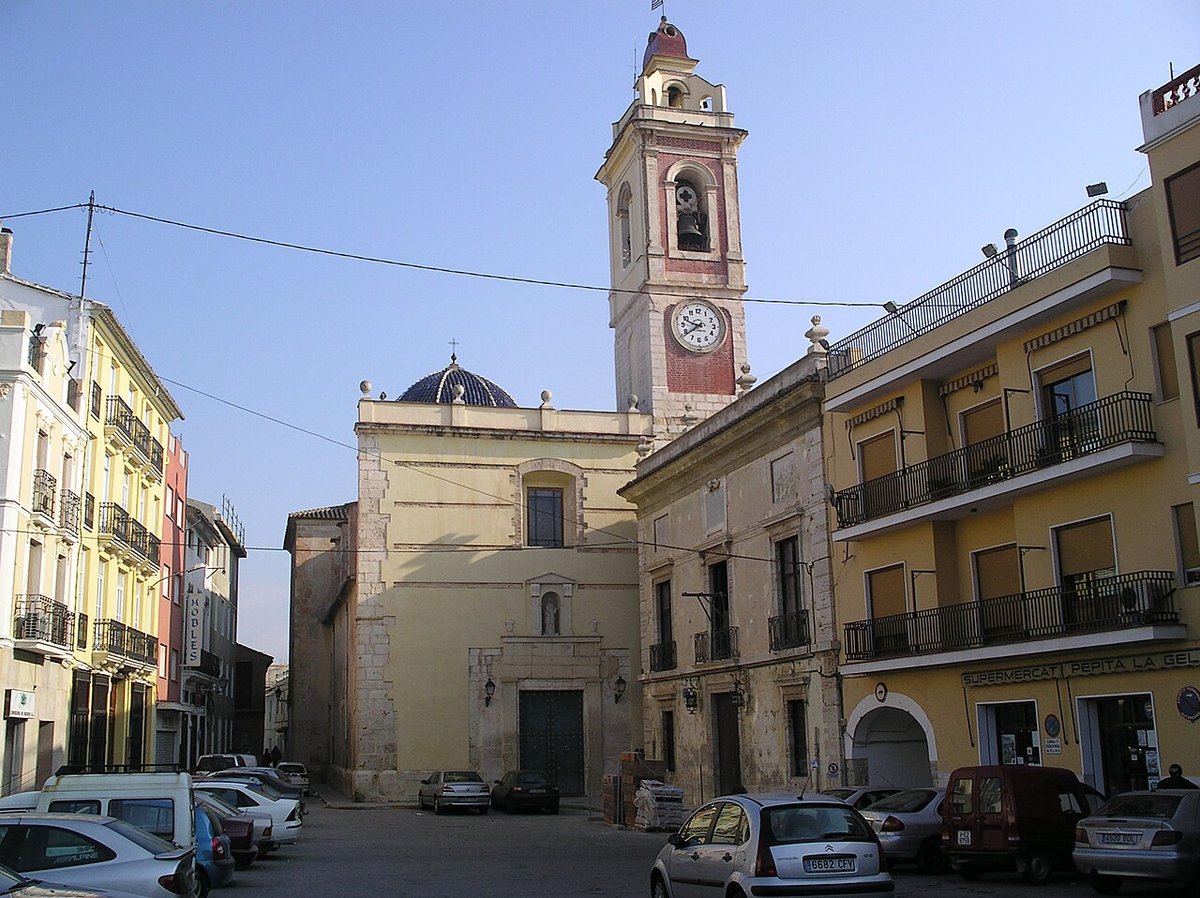
The town centre reveals itself slowly. No grand plaza mayor here, just a gradual widening of Carrer Major where it meets Carrer de l'Església. The parish church of San Lorenzo dominates this modest crossroads, its architecture a palimpsest of eight centuries of renovations. Gothic arches support Baroque additions, while modern restoration work has patched earthquake damage from 1748. The result shouldn't work but does, rather like the town itself.
Residential streets radiate outward in a grid that makes sense until you realise some follow the lines of medieval field boundaries. Houses are low, mostly one or two storeys, painted in the ochre and terracotta palette that defines this corner of Valencia. Doorways deserve attention: carved stone portals from the 1600s sit beside 1950s metalwork, while ceramic tiles spell out family names and house numbers in the distinctive blue-and-white style of Manises pottery.
Rice, Oranges, and the Space Between Meals
Local cuisine doesn't mess about. This is rice country, proper rice country, where paella isn't a tourist attraction but Tuesday lunch. The town's three restaurants all serve versions that would make Valencia city chefs nervous, using bomba rice from nearby Albufera and vegetables that were in soil that morning. Can Ximo, the oldest establishment, has been run by the same family since 1952. Their arroz al horno arrives in the same earthenware dish it was baked in, the rice crusted and caramelised around edges that have seen six decades of service.
Orange usage goes beyond breakfast juice. Local women (and it's still mostly women preserving these recipes) incorporate citrus into savoury dishes: duck with orange and pine nuts appears on winter menus, while summer brings salads of cod, orange and black olives. The town's bakery, open since 4 AM, produces a flaky pastry called coca that comes topped with candied orange peel and almonds. It's essentially a Mediterranean take on fruitcake, except people actually eat this one.
Thursday is market day, when the central streets fill with thirteen stalls selling everything from cheap underwear to excellent cheese. The honey stall merits special attention: orange blossom honey from hives kept within the grove itself, the flavour changing subtly each season depending on what the trees are doing. Bring cash. Cards are still viewed with deep suspicion.
Working Out How to Get Lost
Cycling here requires no Lycra whatsoever. Flat agricultural tracks, originally built for tractors and mules, create a fifty-kilometre network perfect for anyone who can stay upright on two wheels. The tourist office (open Tuesday to Saturday, morning only) lends basic bikes for free with just a passport deposit. Routes are signposted using an orange tree symbol that becomes increasingly ironic as you realise every path looks identical between the regimented citrus rows.
Walking offers better navigation and more interesting encounters. The PR-V-67 trail heads south from town, following irrigation channels for eight kilometres before reaching a small reservoir where locals swim illegally on hot afternoons. The path passes through three distinct agricultural zones: orange groves near town give way to vegetable plots, then rice paddies where red-wattled lapwings nest between the flooded fields. Spring brings a haze of blossom scent so intense it becomes almost solid.
Winter transforms the landscape entirely. Harvest season means the air carries the sharp sweetness of crushed orange skins, while early mornings echo with the mechanical hum of picking machines. These aren't the romantic hand-picked groves of tourist brochures: La Pobla Llarga embraced agricultural mechanisation in the 1970s and never looked back. The result is efficient but noisy, particularly during November and December when picking happens twenty-four hours a day under floodlights.
When to Arrive, Where to Sleep, What to Expect
Timing matters. August brings the fiesta of San Lorenzo, when the town's population temporarily doubles as Valencians arrive for long weekend parties. Accommodation becomes impossible, restaurants require queuing, and sleep is theoretical. March offers Fallas on a manageable scale: six monuments rather than six hundred, burned on the Sunday night with community barbecue rather than city-wide crowds.
Spring and autumn provide the sweet spot. March sees orange blossom creating natural aromatherapy, while October brings harvest activity without the summer heat that makes midday movement frankly idiotic. Temperatures hover around 22°C, perfect for long lunches that morph into longer conversations with locals who've discovered the British weakness for buying rounds.
Staying overnight limits you to two options. Hostal La Vega occupies a converted 19th-century townhouse on the main street, its twelve rooms basic but clean, costing €45-65 depending on season. Breakfast includes oranges that might have grown outside your window. Alternative accommodation involves renting village houses through the town hall's tourism office: three properties sleeping four to six people, from €80 nightly, fully equipped with kitchens for serious self-catering.
Getting here without a car requires commitment. Valencia's C-3 regional train runs five times daily, taking fifty-five minutes through scenery that starts urban then gradually surrenders to agriculture. The station sits fifteen minutes' walk from town centre, along a path that cuts directly through orange groves. No taxis wait: everyone walks, cycles, or has arranged collection. Driving from Valencia airport takes forty-five minutes via the A-7, though satellite navigation occasionally directs you down farm tracks that test both suspension and Spanish language skills for asking directions.
La Pobla Llarga doesn't do dramatic reveals or Instagram moments. It's a working town that happens to welcome visitors who understand that real places have early closing days, lunch breaks that last three hours, and conversations that require patience and phrasebooks. Come for the oranges, stay for the realisation that somewhere between Valencia's beaches and Alicante's resorts, Spain still functions exactly as it has for centuries. Just don't expect anyone to make a fuss about it.