Full Article
about L'Ènova
Historic town with Roman villa remains and marble quarries
Hide article Read full article
L'Ènova: cuando el GPS marca un pueblo y la vida marca otra cosa
Hay un momento en la carretera CV-50, viniendo desde Alzira, en el que el paisaje se aplana del todo y solo ves naranjos. A la izquierda, un cartel pequeño anuncia L'Ènova. No es una entrada espectacular. Es más bien como cuando alguien te da una dirección con pocos detalles: "sigues recto y está ahí". Y efectivamente, ahí está. Un núcleo de casas bajas, una torre de iglesia que hace de faro terrestre, y el silencio ancho de la huerta. Esto no es un destino. Es un lugar donde la gente vive, y eso se nota desde que aparcas.
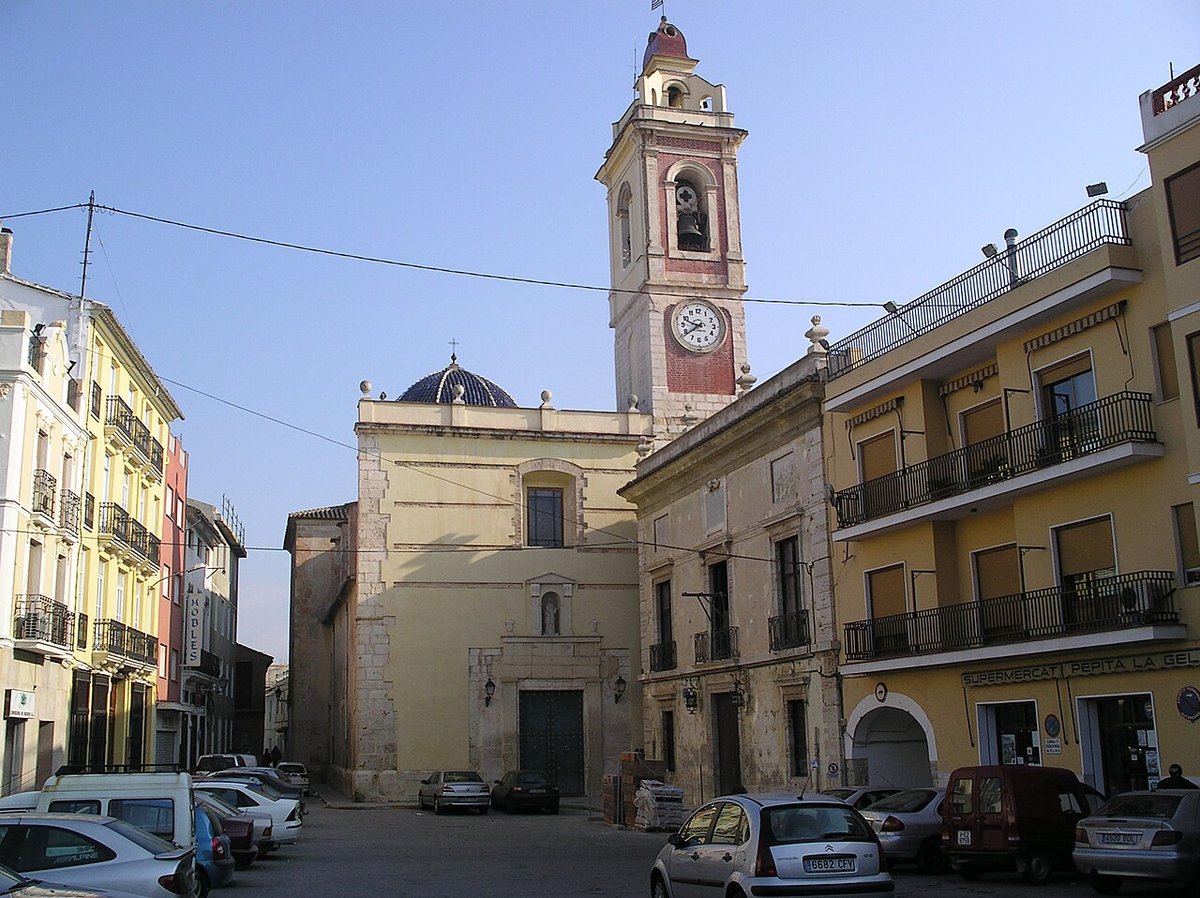
Con menos de mil habitantes, el ritmo lo marcan los tractores a primera hora y el repartidor del pan al mediodía. La plaza de la Mare de Déu de Gràcia es el salón del pueblo. Allí está la iglesia, con su fachada sobria, y algún banco donde sentarse sin más plan que ver pasar el tiempo. No hay un casco histórico monumental para recorrer. Hay calles tranquilas, algunas casas encaladas junto a otras con la fábrica vista, en ese estilo práctico de quien reforma cuando puede y como puede.
El aire huele a azahar (y a tierra mojada)
La verdadera postal de L'Ènova no está en sus calles, sino en lo que las rodea. El pueblo está cercado por naranjos. No son unos pocos árboles decorativos; es una llanura verde y ordenada que se pierde en el horizonte. En invierno y primavera, sobre todo al atardecer o después de una lluvia ligera, el olor a azahar se cuela por todas partes. Es ese aroma dulzón que conoces de colonias o ambientadores, pero aquí es real, pegajoso a veces, mezclado con el humus de la tierra regada.
Esto no es paisaje. Es economía. Las acequias cruzan los campos como venas abiertas, llevando agua a cada árbol. Ver cómo un agricultor maneja las compuertas de riego con una llave metálica enorme tiene algo de ritual doméstico a lo bestia. Son gestos que han cambiado poco en décadas.
Caminar por los senderos entre parcelas es probablemente la mejor forma de entenderlo. El terreno es plano, polvoriento o embarrado según la época. Se escucha el rumor constante del agua corriendo por los canales, algún tractor a lo lejos y poco más. La sensación es la de estar en los aledaños de un pueblo grande, pero uno que nunca llegó a crecer.
Comer como si te hubieran invitado a casa
No busques cartas conceptuales ni platos con firma. Aquí se come lo que hay: arroz (de muchos tipos), verduras de la huerta y carne local. Las raciones suelen ser generosas, los ingredientes saben a lo que son y el ambiente en los comedores recuerda al de una celebración familiar un domingo cualquiera.
La naranja, claro está, está siempre presente. Llega a la mesa tal cual, recién cogida del árbol. Pelar una y notar ese punto ácido que nunca tiene la fruta del supermercado es un recordatorio directo: estás sentado justo encima de donde crece todo.
Un punto quieto para mirar La Ribera Alta
L'Ènova funciona bien como campamento base si quieres explorar esta comarca sin agobios. En diez minutos en coche estás en Algemesí o en Alzira, pueblos más grandes con su propio bullicio mercantil. La gracia no está en ver paisajes diferentes cada día. Está en pillar cómo funciona este sistema: pueblos agrícolas conectados por carreteras rectas, cooperativas donde llega la cosecha y campos infinitos surcados por acequias. Es una lógica territorial que empieza a tener sentido cuando pasas unos días dentro.
Fiestas para vecinos
Las celebraciones aquí son lo que esperarías: procesiones tradicionales veraniegas con trajes típicos valencianos (vestidos bordados para ellas; pantalón oscuro y faja para ellos), paellas comunitarias en la calle cuando aprieta el calor. No son espectáculos montados para el forastero. Parecen más bien la fiesta mayor del barrio. Si coincides con alguna te sentirás observado con curiosidad benigna. Nadie te venderá nada.
En temporada también hay actividades ligadas al campo: alguna charla sobre variedades cítricas o paseos guiados por las explotaciones. Son iniciativas modestas. Sirven para confirmar algo obvio: aquí todo gira alrededor del naranjo.
Cómo llegar (y por qué hacerlo)
Desde Valencia se tresa menos de una hora por la A-7. El cambio es brusco: pasas del tráfico denso al vacío horizontal de la huerta en cuestión de minutos. Esa transición rápida define parte del viaje. Vienes a ver un pueblo normal. Vienes a caminar entre naranjos sin cruzarte con nadie. Vienes porque quieres saber cómo huele el azahar real pegado a tu ropa.
L'Ènova no te va a sorprender con monumentos ocultos ni gastronomía revolucionaria. Te ofrece lo que tiene: el ritmo lento de un lugar donde las estaciones las marca la cosecha, no el calendario turístico. Ven sin prisa, da una vuelta, siéntate en la plaza y espera a que suene la campana de las doce