AUTON VALENCIA 2015 PP.png
Junta Electoral Provincial de Valencia · Public domain
Comunidad Valenciana · Mediterranean Light

Manuel

The church bells strike noon as a tractor rumbles past the café terrace, its trailer loaded with crates of oranges destined for the cooperativa dow...

2,560 inhabitants · INE 2025
40m Altitude

Why Visit

Manuel Salt Flats Salt-works Route

Best Time to Visit

summer

Santa Ana Festival (July) julio

Things to See & Do
in Manuel

Heritage

  • Manuel Salt Flats
  • Church of Saint Anne

Activities

  • Salt-works Route
  • Countryside walks

Festivals
& & Traditions

Fecha julio

Fiestas de Santa Ana (julio)

Las fiestas locales son el momento perfecto para vivir la autenticidad de Manuel.

Full Article
about Manuel

Known for the inland natural site of the Salinas de Manuel

Ocultar artículo Leer artículo completo

The church bells strike noon as a tractor rumbles past the café terrace, its trailer loaded with crates of oranges destined for the cooperativa down the road. This is Manuel at midday – not a village frozen in time, but one where agricultural cycles still dictate the rhythm of daily life. Forty metres above sea level in the Ribera Alta, this modest settlement of 2,500 souls offers something increasingly rare in Valencia's interior: authenticity without artifice.

The Working Landscape

Manuel sits in the midst of what locals simply call la huerta – the fertile plain where orange groves stretch to the horizon and rice paddies create shimmering rectangles of water between the trees. Unlike the mountainous villages that punctuate Valencia's coastline, the terrain here is flat, worked, and intensely productive. The village itself rises barely perceptibly from surrounding fields, its single-storey houses and the occasional two-storey building forming a compact centre that takes twenty minutes to walk across.

The agricultural calendar governs everything. From January through March, the air carries the sharp scent of orange blossom, while autumn brings convoys of tractors hauling fruit to processing facilities. Rice cultivation transforms the landscape twice yearly – first when paddies flood in spring, creating temporary wetlands that attract migrating birds, then again during September harvest when fields turn golden. These aren't scenic backdrops but working agricultural installations, complete with irrigation channels (acequias) that still follow Moorish-era layouts and modern pumping stations that hum through summer nights.

Winter mornings can bring sea fog that rolls inland from the Gulf of Valencia, reducing visibility to fifty metres and coating orange trees in condensation. Summer temperatures regularly exceed 35°C, though the low altitude means nights remain warm enough for late dinners on terraced houses. Spring and autumn provide the most comfortable conditions for exploring, with daytime temperatures hovering around 22-25°C and minimal rainfall.

Beyond the Monumental

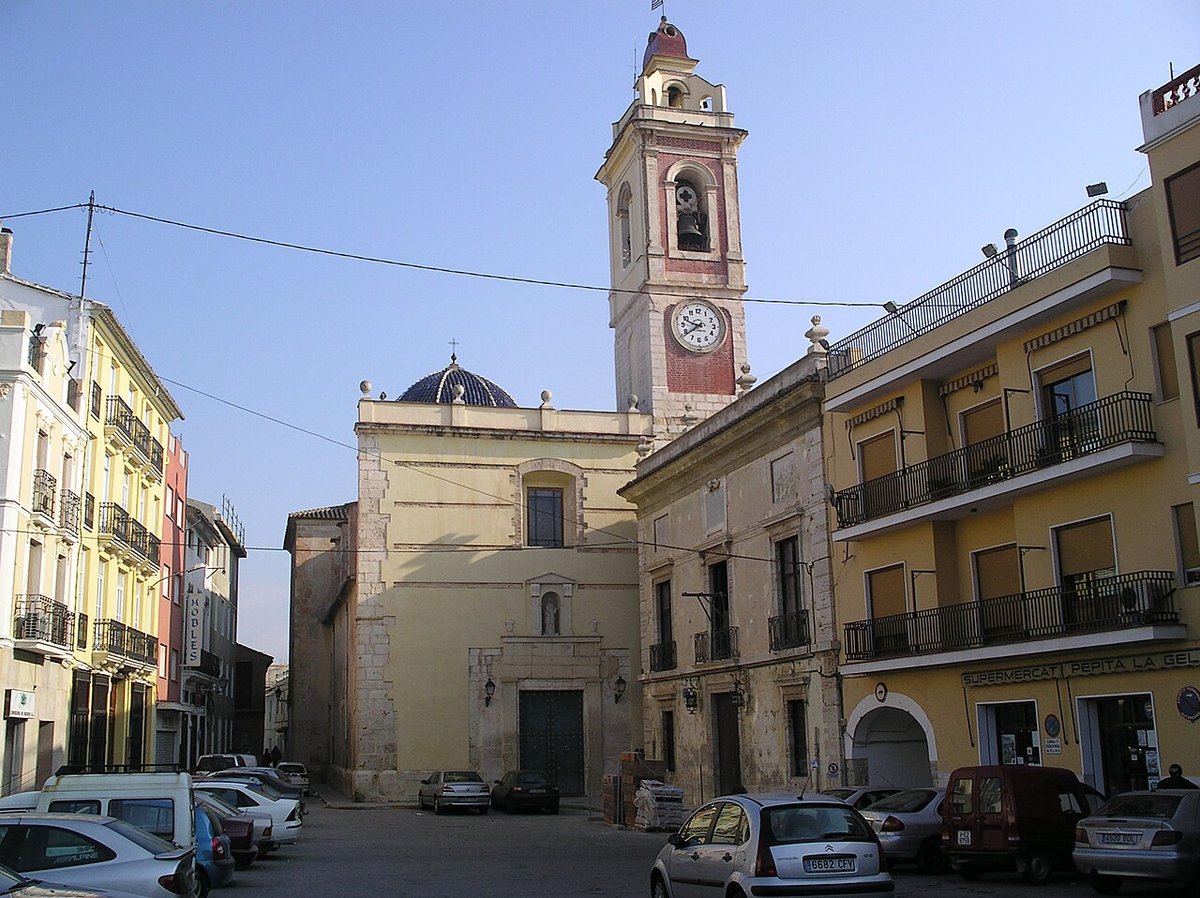
Manuel's parish church anchors the modest main square, but this isn't a destination for architectural enthusiasts. The building's significance lies in its social function – Sunday mass still draws regular attendance, and the adjacent plaza fills with parents chatting while children chase pigeons between benches. The church interior houses several centuries-old religious images, though visiting requires checking service times rather than tourist schedules.

Traditional architecture persists in pockets throughout the centre. Iron balconies support geranium-filled planters, while interior courtyards provide shaded relief from summer heat. These elements survive not through preservation orders but because they remain practical for local living conditions. Newer houses intermingle with older structures, creating a streetscape that reflects gradual change rather than museumification. The overall effect is residential rather than monumental – a place where people live rather than perform living for visitors.

Moving Through the Agricultural Matrix

The network of rural tracks connecting Manuel to outlying farms offers the village's most engaging experience. These caminos rurales serve dual purposes – agricultural access routes and recreational paths – though priority goes to tractors and farm vehicles. Morning walks between orange groves provide the best experience, particularly during April and May when temperatures remain moderate and irrigation channels run full.

Cycling routes fan out across the plain, following farm tracks that link neighbouring villages at roughly five-kilometre intervals. The terrain suits recreational cyclists more interested in landscape than endurance – flat routes, minimal traffic, frequent stops at village cafés. Navigation requires attention; the rectilinear field pattern creates a maze effect where every junction appears identical. Downloading offline maps proves essential, as mobile coverage drops between irrigation channels where raised banks block signals.

Birdwatchers find the rice paddies particularly productive during spring and autumn migrations. Herons, egrets and wading birds use flooded fields as feeding stations, while the surrounding orange groves support resident populations of hoopoes, shrikes and various warbler species. Observation requires discretion – these are private agricultural areas where birdwatching mustn't interfere with farm work or disturb livestock that graze between orchard rows.

Eating According to the Calendar

Local gastronomy reflects agricultural production cycles rather than restaurant trends. Rice dishes dominate winter menus, utilising varieties grown within sight of village houses. Restaurants source vegetables from surrounding plots, meaning menu availability changes weekly depending on harvests. Oranges appear in everything from salads to desserts during winter months, while summer menus emphasise lighter preparations suited to high temperatures.

The village supports several basic eateries serving traditional Valencian dishes at prices significantly below coastal resorts. A three-course menú del día typically costs €12-15, including wine and coffee. These aren't destination restaurants but neighbourhood establishments where farmers discuss crop prices over morning coffee and extended families gather for Sunday lunch. Service follows Spanish schedules – kitchens close by 4pm and don't reopen until 8:30pm minimum.

Festival Time and Its Consequences

Manuel's calendar revolves around agricultural festivals and religious observances rather than tourism initiatives. Fallas in March brings fireworks and street installations, though on a scale manageable for residents rather than spectacle-seekers. August's patronal festivals transform the village completely – streets fill with temporary bars, live music continues past 2am, and finding parking requires patience. Accommodation becomes impossible during these periods; the village contains no hotels, and nearby options fill months advance.

Autumn agricultural fairs provide more accessible insights into local culture. These events, timed to orange harvest, showcase traditional cultivation techniques and allow visitors to observe sorting and packing operations. They're work events first, entertainment second – meaning authentic experiences without tourist gloss, but also minimal infrastructure for non-Spanish speakers.

Practical Realities

Reaching Manuel requires private transport. The village lies fifteen kilometres from the A-7 motorway, with no train service and infrequent buses from Valencia (journey time 90 minutes, three services daily). Car rental from Valencia Airport provides the only practical access, though driving standards on rural roads demand caution – agricultural vehicles have right of way and indicators appear optional.

Accommodation options within the village itself are non-existent. The nearest hotels sit in Alzira, twelve kilometres distant, meaning Manuel suits day visits rather than overnight stays. Summer heat makes early morning or late afternoon visits essential; midday temperatures render walking routes uncomfortable between June and September. Winter brings its own challenges – frequent morning fog can delay driving arrival, while occasional flooding from irrigation channels renders some farm tracks impassable.

Manuel offers no visitor centre, no guided tours, no souvenir shops. What it provides instead is access to a living agricultural community where traditional practices continue because they remain economically viable, not culturally preserved. The experience rewards those seeking understanding over entertainment – travellers content to observe daily rhythms without requiring constant stimulation. Come prepared for heat, dust, and the occasional tractor blocking your path. The compensation lies in watching a Spanish village function on its own terms, unaffected by the performance demanded elsewhere by tourism's relentless gaze.

Key Facts

Region
Comunidad Valenciana
District
Ribera Alta
INE Code
46160
Coast
No
Mountain
No
Season
summer

Livability & Services

Key data for living or remote work

2024
ConnectivityFiber + 5G
TransportTrain station
HealthcareHealth center
EducationElementary school
Housing~6€/m² rent · Affordable
CoastBeach 18 km away
Sources: INE, CNMC, Ministry of Health, AEMET

Planning Your Visit?

Discover more villages in the Ribera Alta.

View full region →

More villages in Ribera Alta

Traveler Reviews