Full Article
about Monserrat
Municipality with many housing developments and a tradition of music and farming.
Hide article Read full article
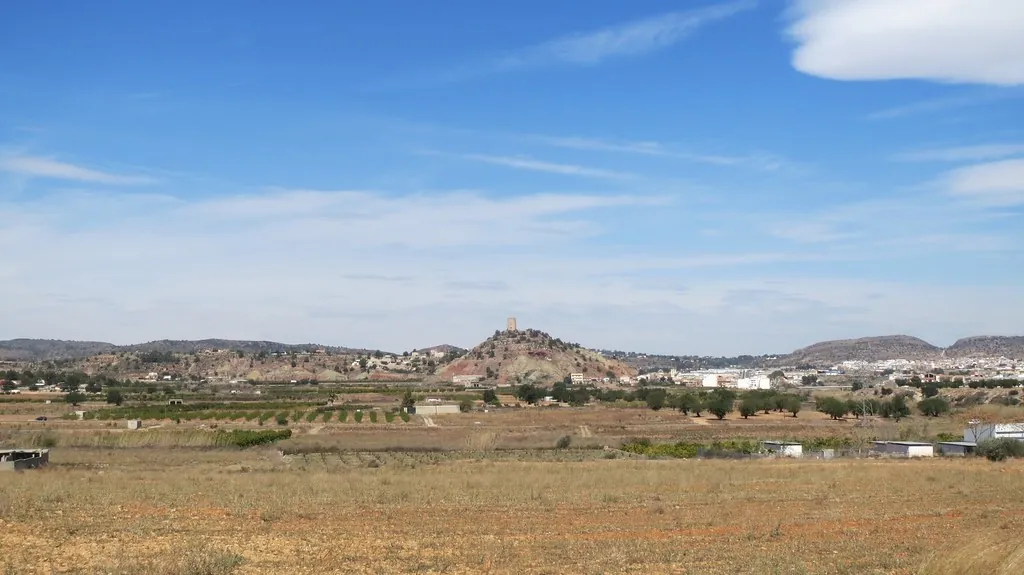
The air on the road into Monserrat carries the scent of dried rosemary and faint smoke before you see a single house. The source is practical: beehives worked in the old way, their smoke drifting across the orange groves. The village reveals itself slowly, a cluster of terracotta roofs on a rise above the plain. As the road climbs, the valley opens behind you, a patchwork of irrigated fields where the soil, in some terraces, turns a distinct, rusty red.
This is the Ribera. A landscape built on citrus and water channels, where life moves to the rhythm of the huerta. Monserrat doesn’t announce itself; you have to look for it.
The Hour When the Village Smells of Maize Bread
Between first light and mid-morning, the air in the Plaza Mayor often smells of freshly baked coca de masegura. It’s a simple dough of maize flour, oil, and herbs—a substitute for bread that’s been eaten here for generations. It’s not a delicacy; it’s habit, baked into memory.
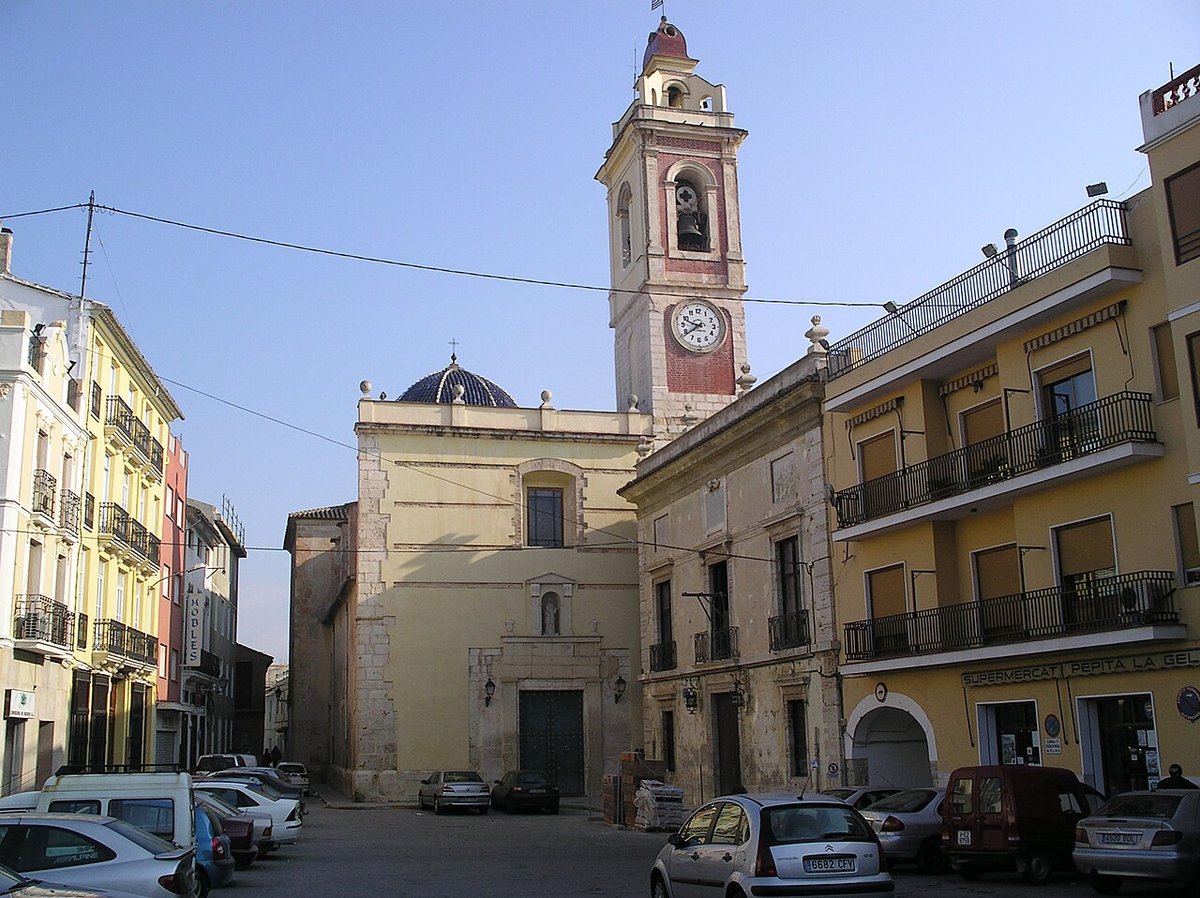
At that hour, the square is still half quiet. The church door is usually open. Inside, a series of old ceramic tiles tells the story of the Virgin. The blues and greens remain vivid in places, softened by time and dust. Up close, you notice small, almost playful details left by the artisan: on one panel, a dark bird is tucked among painted leaves.
These are things best seen before the village is fully awake. By ten, the square has filled with voices and the day has moved on.
Up to the Castellet
The path to the Castellet starts where the tarmac ends at the upper edge of town. The ground turns to pale, loose earth that shifts underfoot as you climb between pines and rosemary bushes. The ascent isn’t long, but it requires attention.
At the top are low walls of rammed earth and stone—the remains of an earlier settlement that blend into the terrain until you stand right beside them. From here, the view lays everything out: the village stretching towards the huerta, its reddish roofs and bell tower above neatly aligned plots.
On windy days, a distant sound carries across from the plain. It’s the train that arrived when the citrus trade began moving strongly towards Valencia. It still runs, though the landscape it once served has changed.
Come early or late. At midday, the sun falls directly onto this slope and there is no shade.
Along the Ridge Towards Montroi
One common walk from Monserrat follows the sierra towards Montroi. The path runs for kilometres through low scrub—thyme, rosemary, wild lavender. In spring, when the wind passes over them, the air fills with fragrance and the steady hum of bees.
There is little water along this route. Bring your own from the village. At one small pass, a thin thread sometimes falls into an improvised trough from a catchment point in the rock; don’t rely on it being there.
On the return, you pass near an old irrigation engine, its iron skeleton still visible among the trees. On nights when irrigation runs, the huerta carries the smell of wet earth and heated metal.
August Festivities
By mid-August, Monserrat changes. The patron saint festivities bring long tables to the streets, music, and gunpowder. As evening falls, families bring food outside. In several houses, all i pebre de anguila simmers in large paelleras. This eel stew is substantial, a dish of local tradition usually cooked among neighbours for neighbours.
When night arrives, gunpowder takes over the air again. For a while, the village smells of sulphur, crushed rosemary underfoot, and smoke lingering in narrow streets. The celebrations are intense but rooted; they repeat gestures that have marked August here for years.
Before You Come
On weekdays, these hills are quiet. At weekends, groups of cyclists and walkers use the same paths; some sections feel busier than they look on a map.
Spring mornings on the ridge can be cool despite Valencia’s mild reputation. A light jacket is useful if you set out early.
Dishes like paella with snails or other traditional stews are mainly prepared at home for festivities or family gatherings. You won’t find them on an everyday menu in any random week.
Arriving at sunset offers a final perspective. Before leaving, pause for a moment where the road descends from town. When the sun drops behind the sierra, the huerta turns golden for a few minutes. The village falls quiet, and as irrigation ends for the day, the smell of damp soil rises from the earth.