Full Article
about Montroy
Known for the Feria Valenciana de la Miel and its Moorish tower
Hide article Read full article
A town shaped by land and location
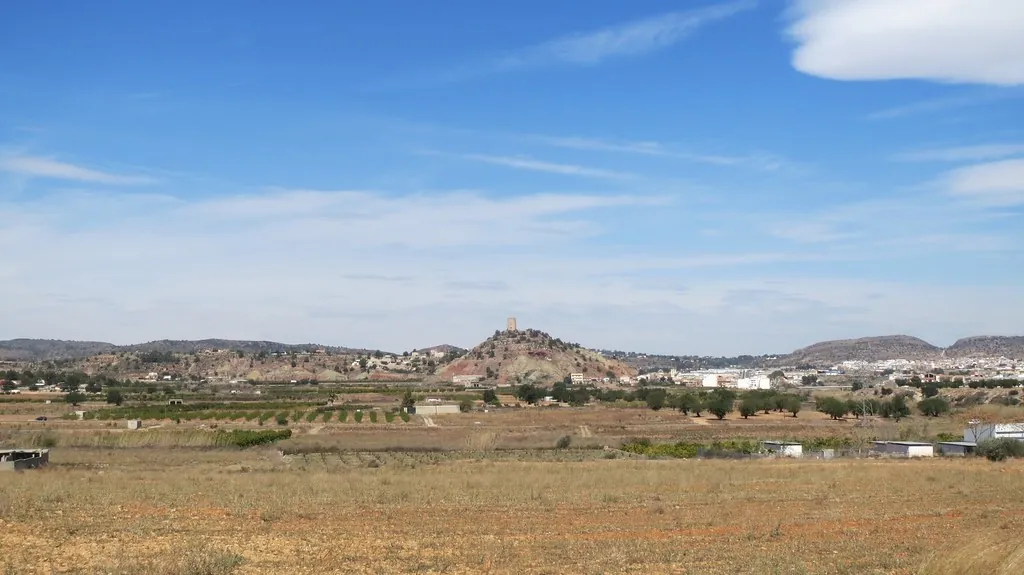
Montroy sits in the Ribera Alta, about thirty kilometres from Valencia, where the flat Júcar river plain begins to wrinkle into the first low rises. Its population, just over three thousand, has long been tied to farming. The town’s layout and daily rhythm still reflect that.
This isn’t a place built for visitors. It feels like a working agricultural town that has expanded over time, adding newer housing around a core that retains its original structure.
The church and the core
The centre of Montroy is compact. A handful of streets converge on the main square and the town hall, a pattern common in this part of the Comunidad Valenciana. Public life still concentrates here.
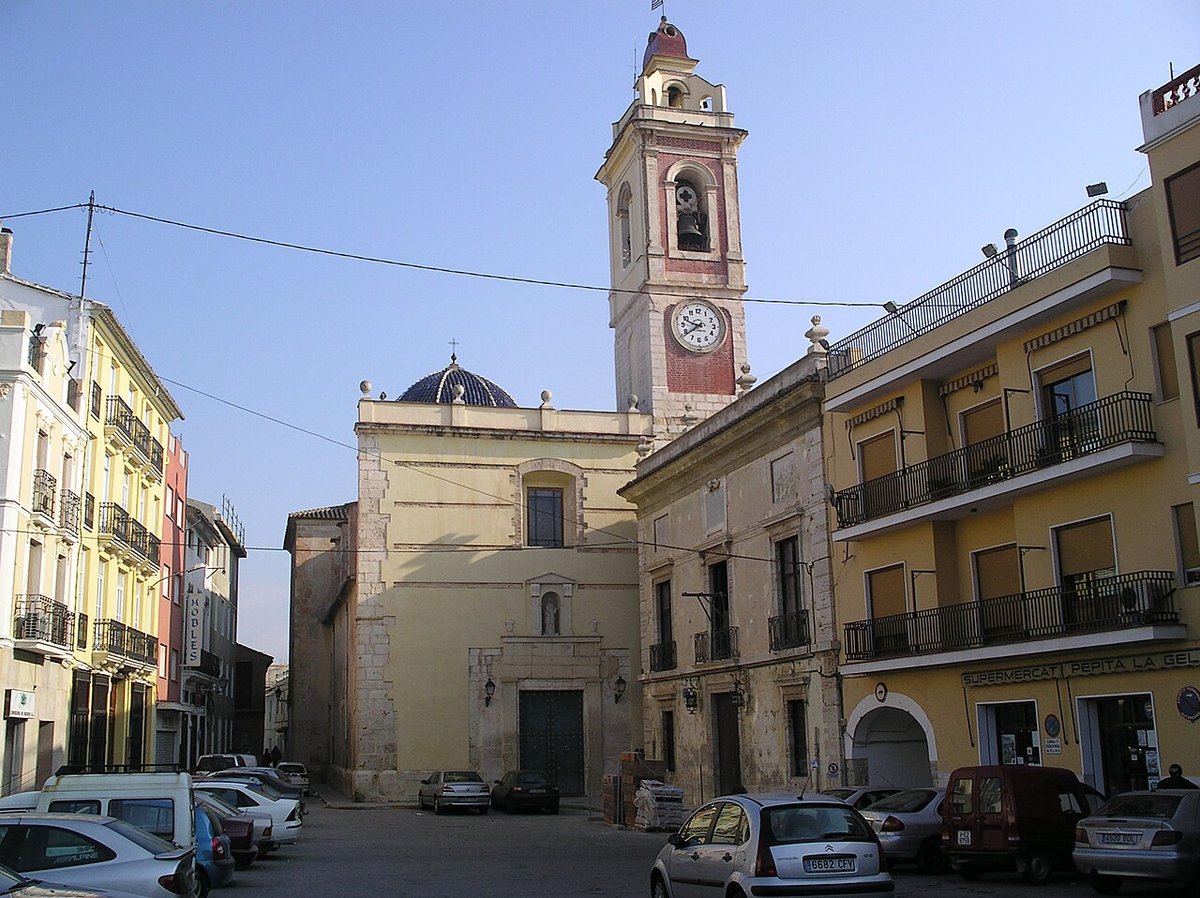
The Iglesia Parroquial de San Pedro Apóstol is marked by its bell tower. Built likely in the 18th century and modified later, its architecture is restrained, typical of rural parishes in the province. Its significance lies less in its form than in its function; for generations, it has framed the community’s religious ceremonies and key moments.
The surrounding houses, mostly one or two storeys, have been updated over time. You can still see traces of older domestic architecture: large doorways built for carts, interior courtyards, simple façades facing the street. They show how the town was organised when agriculture dictated daily life.
The citrus landscape and its water
Beyond the built-up area, the land opens into fields that explain Montroy’s economy. Orange groves dominate, mixed with olives and smaller vegetable plots. The pattern is one of smallholdings, not large estates.
The irrigation channels, or acequias, are part of this landscape. Some follow the historic layout of the traditional Valencian system, distributing water from main channels into smaller plots. They aren’t always visible from the road, but they run through much of the municipality and have been essential for centuries.
You won’t find the rice fields common closer to the coast here. The terrain and distance from marshy areas made citrus the logical crop.
Paths through the groves
The area around Montroy is crossed by agricultural tracks. These are working routes, used by farmers and their vehicles, but they also allow for walking or cycling between the cultivated plots.
Don’t expect signposted long-distance trails. The routes are shorter, offering a ground-level view of how agriculture operates in the Ribera Alta. During the orange harvest, usually from late autumn into winter, it’s common to encounter teams working and trailers full of fruit heading to storage.
Moving through this area means sharing space with the routines of cultivation. The experience is one of activity, not curated scenery.
The annual rhythm
The town’s calendar is punctuated by local celebrations. The fiestas patronales in honour of San Pedro Apóstol, at the end of June, remain a central event. Over several days, processions and community activities draw in much of the population.
In March, Montroy celebrates the Fallas. These are the same Valencian festivities famous in the capital, centred on building and burning monuments, but here the scale is smaller and the atmosphere more local.
Around Christmas, the town council and associations organise community events that involve many residents. In a place of this size, these occasions still function as important social gatherings.
Practicalities
Montroy is roughly a 35-minute drive from Valencia via the CV-50 and other regional roads. Public bus services exist but are infrequent.
The town itself is small and easily walked. To explore the surrounding agricultural tracks or visit nearby villages, having a car is practical.