Full Article
about Rafelguaraf
A town surrounded by orange groves, with rural hamlets and a quiet atmosphere.
Ocultar artículo Leer artículo completo
The scent hits you first. Not salt spray or suntan lotion, but orange blossom drifting across fields that stretch flat as a billiard table to every horizon. Rafelguaraf sits 38 metres above sea-level—no whitewashed hilltop village here—just a grid of low houses and citrus groves that produce the Valencian oranges ending up in British supermarkets each winter.
Locals call it simply "Rafel", dropping the mouthful of suffixes that baffle sat-navs. With 2,300 inhabitants, the place is small enough that the Thursday market blocks the main road completely. Stalls sell knickers, cheap trainers and mountains of just-picked fruit. By 2 pm the lorries have gone, the plastic bunting comes down, and the village reverts to its default setting: quiet, warm, faintly humming with bees.
What the guidebooks miss
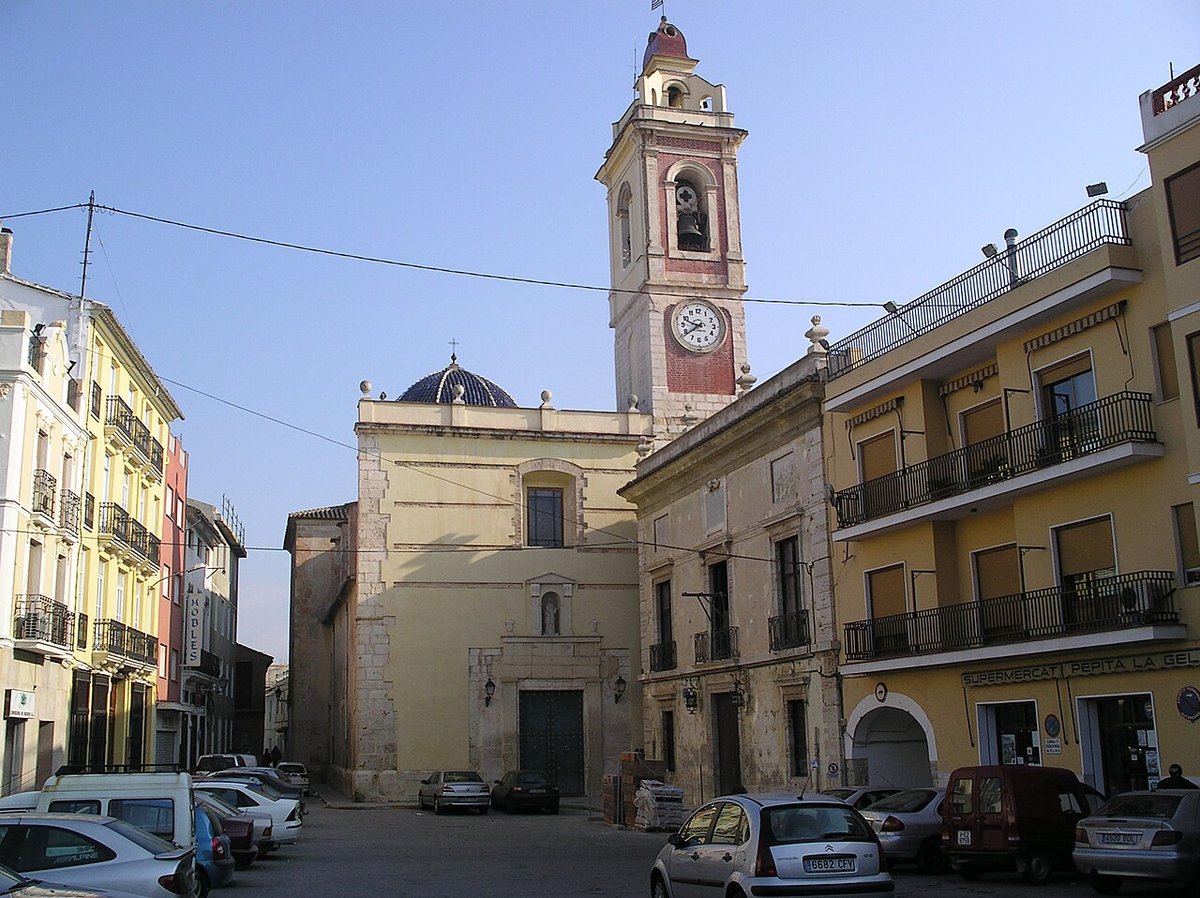
Nobody arrives by accident. The A-7 sweeps past 10 km away; you peel off at Alzira and drive north through lanes so narrow the verges scratch both wing mirrors. The first sight is the church tower of Sant Joan Baptista rising above rows of single-storey houses painted the colour of pale custard. Step inside and the temperature drops ten degrees. Baroque altarpieces glimmer in the gloom, their gold leaf paid for by orange money in the 1740s. A laminated card explains—in Valencian only—that the priest’s vestments are kept in a walnut cupboard to the right. Drop a euro in the box if you want the lights on.
Walk the grid of streets and you’ll spot the tell-tale clues of a working agricultural town: irrigation runnels chiselled into the kerbside, metal gates wide enough for a tractor, and the faint diesel smell that lingers even at dawn. House walls carry painted tiles showing the year they got running water: 1963, 1967, 1972—recent history in village terms. Grander doorways belong to the casas señoriales built by exporters who shipped oranges down the Júcar river to Valencia port, long before refrigerated lorries existed.
Eating (and drinking) like it’s still 1995
British visitors expecting tapas crawls will be disappointed. Rafelguaraf has four bars, two bakeries and one restaurant with a printed menu. Casa Sibarita opens at 8 am for coffee and stays serving until the last customer leaves—often well after midnight if Spain are playing football. Their €14 menú del día offers soup, grilled chicken with chips, and a wobble of flan that tastes like school dinners in the best possible way. Wine comes in 500 ml glass jugs; red is cold, white is colder, both cost €3.
Across the square, Enigma Gastrobar does a sirloin with Roquefort sauce that wouldn’t feel out of place in a provincial British pub. Locals queue on Sunday mornings for coques de tomata—oval flatbreads smeared with tomato and olive oil—then carry them home wrapped in paper like newspapers. If you need a cappuccino rather than café con leche, ask for it before 11 am; after that the machine gets switched off and the owner starts prepping paella for the lunchtime rush.
Cash is king. The village has two ATMs; one runs dry on Fridays when the citrus co-op pays wages, the other charges €2.50 for the privilege of getting your own money back. Cards are accepted at the pharmacy and nowhere else.
Cycling between canals and compost
The flat landscape makes pedal power sensible. A signed loop, the Ruta de les Aigües, follows irrigation ditches for 12 km through uninterrupted groves. Hire bikes at the petrol station on the main road—three elderly hybrids with squeaky brakes and a children’s trailer if you ask nicely. Expect to be overtaken by farm labourers on mopeds carrying ladders longer than the bike lane is wide.
Spring rides smell of blossom; autumn rides crunch through windfall fruit. Either way you’ll end up dusty and slightly sticky. Take water—shade is scarce and the only café en route is a vending machine outside a warehouse that stocks fertiliser sacks. Birdwatchers should bring binoculars: kestrels hover over the ditches and hoopoes strut along the furrows like striped punk mohawks.
Fiestas where earplugs are optional
Festivity here is less about foreign visitors and more about who’s home from university. The big week is the last of June, when Sant Joan fires burn on crossroads and the brass band marches at 3 am. British guests invariably underestimate the volume; fireworks echo between the low houses like artillery. If you need sleep, book the B&B on the edge of town—its walls are thick and the owner hands out free earplugs.
August brings the “fiestas de verano”: foam parties for teenagers, outdoor paella for 800, and a mobile disco that shuts down promptly at 23:30 because the mayor’s wife goes to bed early. Semana Santa processions are short and serious—hooded penitents carry statues of the Virgin made heavier by the weight of decades of candle smoke. Photographs are allowed, flash is not.
Getting there (and away again)
Valencia airport is 45 minutes by hire car; Alicante is 90. Public transport exists but feels like an afterthought. Take the train to Xàtiva, then a taxi the final 35 km—budget €45 and ring the day before because only two cabs cover the entire comarca. Buses from Valencia’s main station leave twice daily except Sundays when the service disappears entirely.
Stay at Casa Sibarita—four rooms, a splash pool filled by mountain spring water, and owners who speak school-trip English. They’ll lend you a map hand-drawn on the back of an orange carton and warn you which farm dogs bite. Double rooms start at €70 including breakfast: toast, homemade marmalade and oranges you slice yourself with a knife sharp enough to require respect.
The honest verdict
Rafelguaraf won’t change your life. It has no castle, no Michelin stars, no souvenir shops flamenco-ing for custom. What it does have is the smell of orange blossom at dawn, the sound of Spanish that isn’t slowed for tourists, and the realisation that somewhere between the airport and the coast an entire village carries on growing the fruit that brightens British Januarys. Come for 24 hours, stay for 48 if you like silence. Leave before you start resenting the 9 am church bells—they ring every day, not just when you’re trying to sleep.