Full Article
about Real
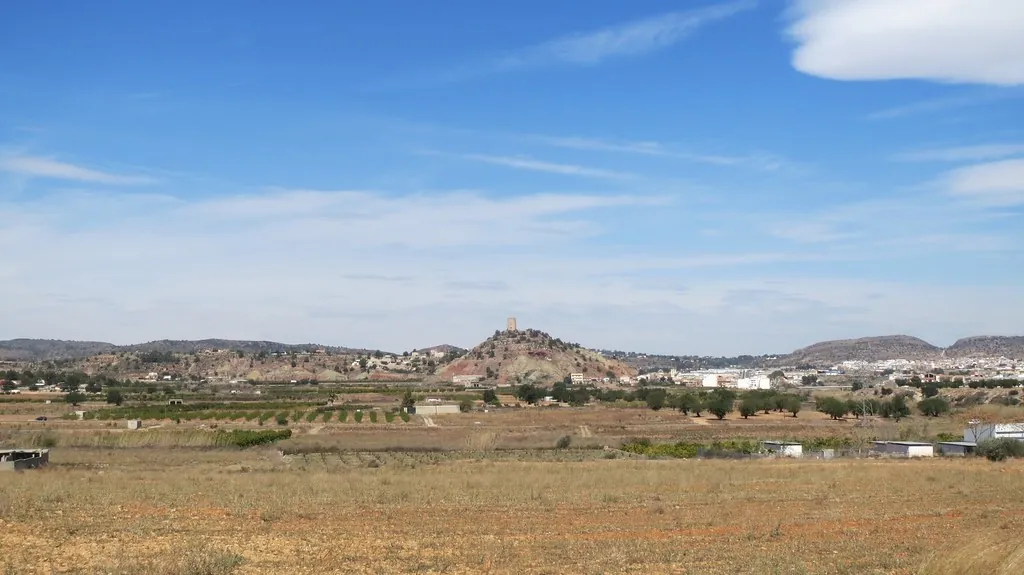
Formerly Real de Montroy, an agricultural village on the Magro River
Hide article Read full article
The bells in the church tower strike half past seven as the first light settles over the orange groves that encircle the village. Night mist still clings to the irrigation channels, and the air carries the scent of damp earth and azahar, the blossom of the orange tree. Tourism in Real often begins like this, with that blend of moisture and perfume slipping through half-closed shutters before the village has properly woken.
Real, in the Comunidad Valenciana, moves at its own pace. There is no rush to fill the morning. Instead, the day unfolds quietly, guided by light, water and the steady routines of the huerta, the agricultural land that shapes life here.
Along Calle Mayor to Plaza de la Constitución
Begin on Calle Mayor, where the asphalt gives way to older paving slabs. The houses are low, with wide doorways and walls that still hold the cool of early morning. Around this time the baker usually passes through, and a neighbour might pull a chair up to the doorway to catch the first stretch of sun.
A few minutes away lies Plaza de la Constitución. At its centre, the fountain keeps up a constant stream, water striking stone with a steady, almost hypnotic rhythm. The sound muffles the distant murmur of the road that runs through the comarca, the wider district. For a brief moment it feels as if nothing else exists beyond the square.
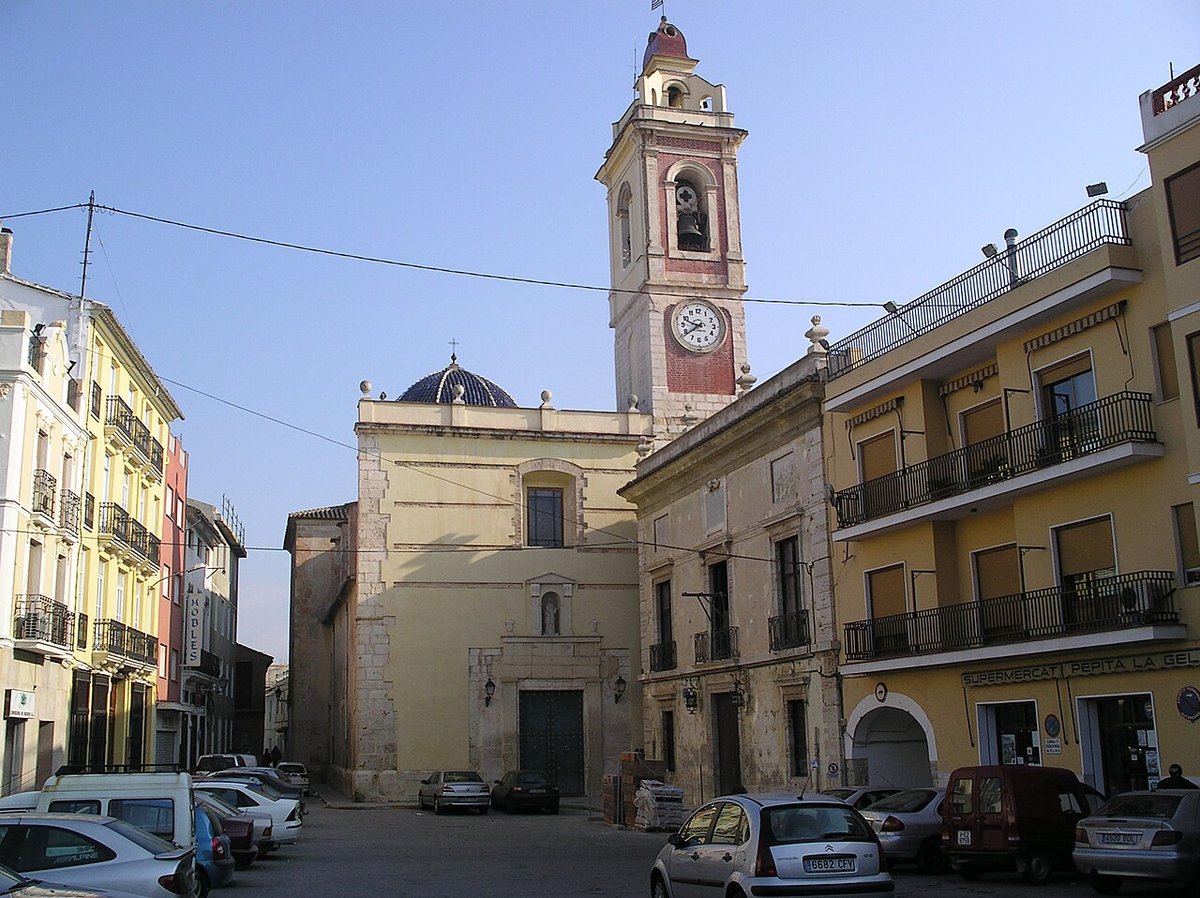
At the highest point of the village stands the church of San Pedro. It does not reveal itself all at once. First, a corner of the tower appears between two façades, then the full entrance comes into view as the street rises. The stone is pale, and in the morning light it takes on a soft golden tone. Inside, there is often the scent of spent wax. The floor creaks underfoot. The stained-glass windows, more recent than many expect, wash the walls in a clear blue when the sun streams through.
When Paella Sets the Pace
In Real, paella remains a Sunday meal. It is prepared in courtyards or open garages, chairs drawn up around the pan while conversations stretch out and the stock reduces slowly over the fire. The wood often comes from orange branches pruned in winter. The smoke carries a faint sweetness that lingers in clothes long after the meal has ended.
This is not a dish that appears every day. It is more commonly seen at family gatherings. The ingredients are straightforward: chicken, green beans, garrofó, a large local bean typical of Valencian paella, and rice. There are no embellishments. The colour usually comes from saffron or whatever happens to be at hand in the pantry. It is cooking that needs no explanation because it is woven into the rhythm of the place.
The emphasis is less on spectacle and more on habit. The pan sits low over the fire. People wait, talk, watch the liquid reduce. Lunch is not hurried. It follows the same cadence as the village itself.
Between Irrigation Channels and Orange Groves
Behind the cemetery, a dirt service track begins, tracing the line of an acequia, one of the irrigation channels that distribute water through the fields. The surface of the water appears still, yet if you dip your hand in, you can feel the current pushing steadily past.
Orange trees line both sides, forming a kind of green corridor. Light filters through the leaves in shifting bands as the wind moves the branches. In March and April, when the orange blossom opens, the scent fills the entire path. It is intense, almost dense, hanging in the air as you walk.
Winter brings a different scene. The trees are heavy with bright fruit set against dark green foliage. Harvest crates rest along the edges of the fields, and the occasional tractor moves slowly along the track.
Follow the canal for long enough and a small fork in the water appears. There is a brick irrigation hut and a low parapet where farmers sometimes sit to check the level of the acequia. It is a good place to grasp how the huerta functions in this part of the Comunidad Valenciana. Here, water still sets the timetable.
Evening Light in the Square
As the day fades, the plaza fills with voices again. Shutters are lifted to let air circulate, and the light turns more golden across the façades. Tables occupy a terrace, and neighbours linger in conversation while children cross the square from one side to the other.
The pace slows further after dusk. There is little noise and no harsh lighting. From behind the church, a simple but wide view opens out: a flat expanse of orange groves stretching towards the horizon. With the return of night-time humidity, the scent of azahar becomes noticeable again, drifting back over the village.
Real does not transform dramatically in the evening. Instead, it softens. The same elements remain in place, stone, water, trees, but their colours and smells shift as the temperature drops.
When to Go and What to Bear in Mind
Orange blossom usually opens between March and April. That is when the fragrance fills the paths through the huerta. Anyone sensitive to pollen may want to bring something suitable for allergies during this period.
Winter coincides with the harvest. It is common to see tractors and trailers loaded with fruit coming and going at first light. During some spring bank holiday weekends, traffic in the area increases noticeably, and parking near the centre can be more difficult.
Those planning to walk along the irrigation paths should wear closed shoes. The ground in the huerta has uneven furrows, and when the fields are watered, mud appears quickly. And if a farmer offers the chance to taste a freshly picked orange, it is worth accepting. Straight from the tree, the flavour is markedly different.
Tourism in Real is shaped by small details: the sound of water in Plaza de la Constitución, the gradual reveal of San Pedro’s tower, the scent of orange wood smoke rising from a Sunday paella. It is a place where mornings arrive with mist over the acequias and evenings settle gently over rows of trees, and where water and citrus continue to define the day.