Full Article
about Sant Joanet
Small Ribera town with a restored Moorish tower
Ocultar artículo Leer artículo completo
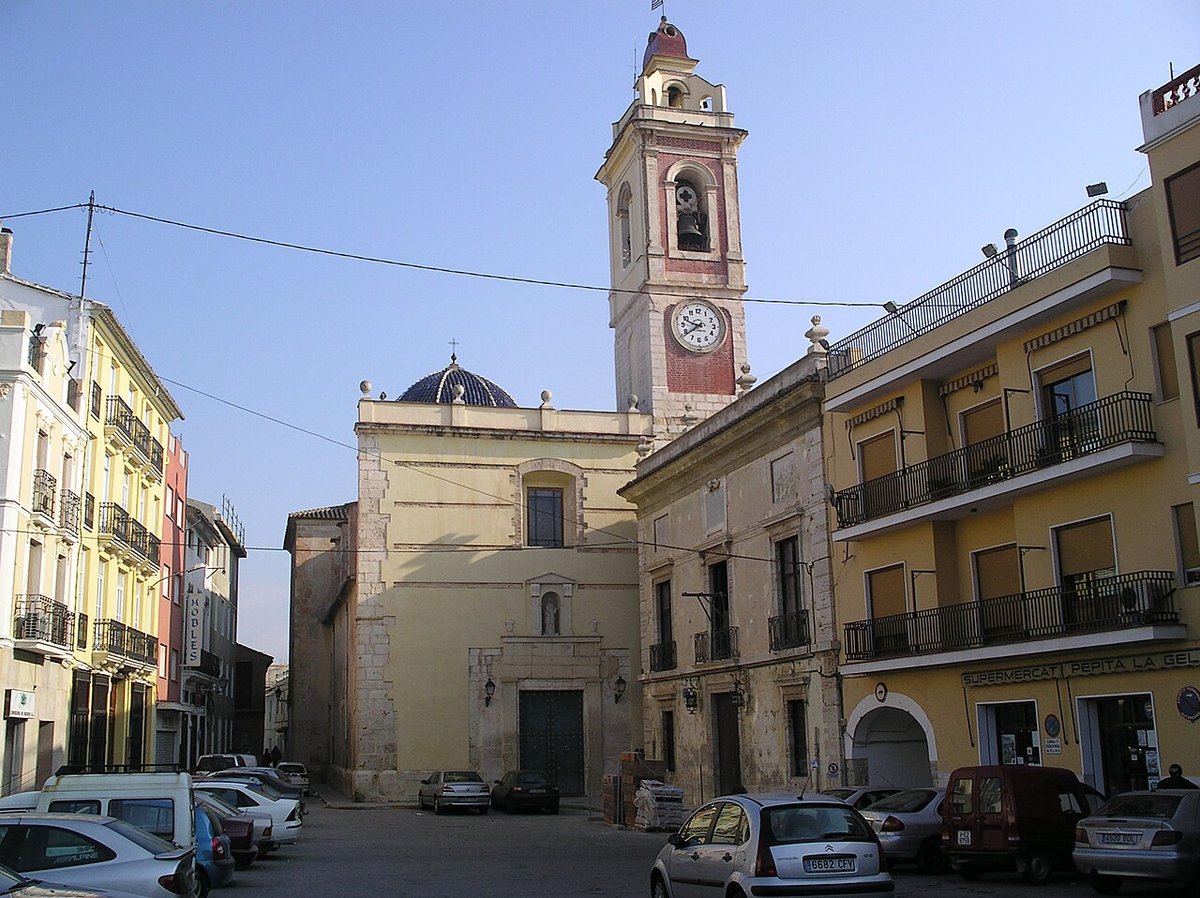
The church bell strikes noon, and every resident of Sant Joanet could theoretically fit inside the single nave of San Juan Bautista. With 540 souls spread across three square kilometres, this isn't a village that shouts for attention—it's one that whispers through irrigation channels and citrus-scented breezes.
The Arithmetic of Small-Scale Spain
Five hundred and forty residents. Forty streets. One bakery. The numbers tell their own story in this Ribera Alta municipality, where orange trees outnumber humans by roughly twenty to one. At sea level—barely thirty metres above it—Sant Joanet sits flat against the Valencian landscape, its low-rise houses spreading like a casual afterthought between the groves.
This isn't the Spain of postcards. The houses are practical rather than pretty: two-storey affairs with iron balconies and whitewashed walls that reflect the Mediterranean sun with almost aggressive brightness. Walking through the compact centre takes precisely forty-three minutes at a leisurely pace, including a stop at the only bar for a café amb llet. The plaza mayor measures forty metres by thirty, with four benches that face inward like a permanent committee meeting.
The agricultural reality hits immediately. Irrigation channels—some dating from Moorish times—cut precise lines through the surrounding huerta, feeding a patchwork of citrus orchards that shift from deep green to brilliant orange with the seasons. These aren't heritage displays or tourist attractions. They're working farms where harvest schedules dictate daily rhythms more reliably than any smartphone notification.
When the Trees Do the Talking
Spring arrives with olfactory force. From late March through April, orange blossom releases its distinctive perfume across the municipality, a scent so concentrated it seems almost solid. The azahar season draws photographers and pollen-heavy bees in equal measure, though visitors should note that anti-histamine tablets sell out quickly at the pharmacy in neighbouring Alzira.
Autumn brings a different kind of activity. From October through February, the harvest transforms quiet lanes into minor industrial routes. Tractors pulling trailers piled with oranges create brief traffic jams—defined here as three vehicles waiting at the single roundabout. The agricultural cooperative on Carrer Major hums from 6 am, when trucks depart for markets in Valencia and beyond.
Summer requires strategy. Temperatures regularly exceed 35°C from July through August, making midday exploration distinctly uncomfortable. Early risers are rewarded with golden light filtering through the groves and the sound of irrigation water gurgling through ancient channels. Evening walks become practical again after 7 pm, when long shadows stretch across the flat agricultural plain.
Winter proves surprisingly wet. January and February can bring substantial rainfall—up to 80mm in a single month—transforming the dirt tracks between orchards into muddy challenges. Wellington boots become essential equipment for anyone planning to explore beyond the asphalted roads.
The Gastronomy of Proximity
Eating in Sant Joanet requires planning. The village supports exactly one restaurant, open Thursday through Sunday only, serving a fixed menu that changes weekly. Expect rice dishes that would make a Valencian grandmother nod approvingly: paella with rabbit and garrofó beans, arroz al horno baked in earthenware dishes, and lighter arroz del senyoret where seafood arrives pre-shelled for maximum convenience.
The bakery on Carrer Sant Josep opens at 7 am and typically sells out of coques—flat breads topped with vegetables or tuna—by 10:30 am. Coca de mullador, topped with escalivada vegetables, costs €2.30 and serves as breakfast for many agricultural workers. The bakery closes at 1 pm and doesn't reopen, a schedule that surprises British visitors expecting all-day availability.
For broader options, Alzira lies eight kilometres north-east. The drive takes twelve minutes, or thirty-five minutes by the irregular bus service that runs four times daily. Restaurant Casa Salvador specialises in duck rice and has served the same recipe since 1952. They'll accept walk-ins, but booking ahead prevents disappointment—telephone numbers are written on paper and definitely not available online.
Practical Realities for the Curious
Accommodation within Sant Joanet itself is limited to two options. Casa Rural El Naranjal offers three bedrooms in a converted farmhouse on the village edge, with rates from €80 per night including breakfast featuring homemade marmalade from their own oranges. Alternatively, three rooms above the bar provide basic but clean accommodation for €35 per night, though weekend noise from the plaza below continues until 2 am.
Public transport connects with regional centres, but timing matters. The bus to Valencia departs at 7:15 am, 1:30 pm, and 6:45 pm, taking ninety minutes to reach the capital's main station. A single ticket costs €4.70, purchased from the driver with exact change appreciated. Services reduce to twice daily on Saturdays and disappear entirely on Sundays.
Car hire remains the practical choice for exploring the wider Ribera Alta region. Valencia Airport lies seventy-five minutes away via the A-7 motorway, with rental vehicles available from all major companies. Parking in Sant Joanet presents no challenges—find any space that doesn't block an irrigation channel entrance.
The Honest Assessment
Sant Joanet won't overwhelm with attractions. The church contains one notable baroque altarpiece, the town hall displays photographs from the 1957 flood, and the agricultural cooperative offers guided tours by prior arrangement. The total cultural itinerary requires perhaps two hours of concentrated attention.
What the village provides instead is access to an agricultural rhythm increasingly rare in twenty-first-century Europe. The irrigation channels still follow medieval patterns. Harvest timing depends on weather, not market algorithms. Neighbours recognise strangers immediately and will offer directions with genuine concern for successful navigation.
Visit in spring for orange blossom and comfortable walking temperatures. Come in autumn to witness the harvest machinery and buy juice oranges at farm-gate prices. Avoid August unless intense heat and empty streets appeal. Don't expect souvenir shops or evening entertainment beyond the local bar's television showing football matches.
Bring binoculars for birdwatching in the irrigation channels. Pack walking shoes for flat, easy tracks between groves. Most importantly, abandon any checklist mentality. Sant Joanet rewards those content to observe ordinary Spanish rural life continuing with minimal regard for tourism's demands. The village functions perfectly well without visitors—it simply tolerates those curious enough to wander through.