Vista aérea de Sellent
Instituto Geográfico Nacional · CC-BY 4.0 scne.es
Comunidad Valenciana · Mediterranean Light

Sellent

The scent hits before the village comes into view. Not salt air or seaweed, but orange blossom so heavy it settles in the back of your throat. Sell...

383 inhabitants · INE 2025
80m Altitude

Why Visit

Sellent River Riverside walks

Best Time to Visit

summer

Feast of the Immaculate Conception (August) agosto

Things to See & Do
in Sellent

Heritage

  • Sellent River
  • Church of the Immaculate

Activities

  • Riverside walks

Festivals
& & Traditions

Fecha agosto

Fiestas de la Inmaculada (agosto)

Las fiestas locales son el momento perfecto para vivir la autenticidad de Sellent.

Full Article
about Sellent

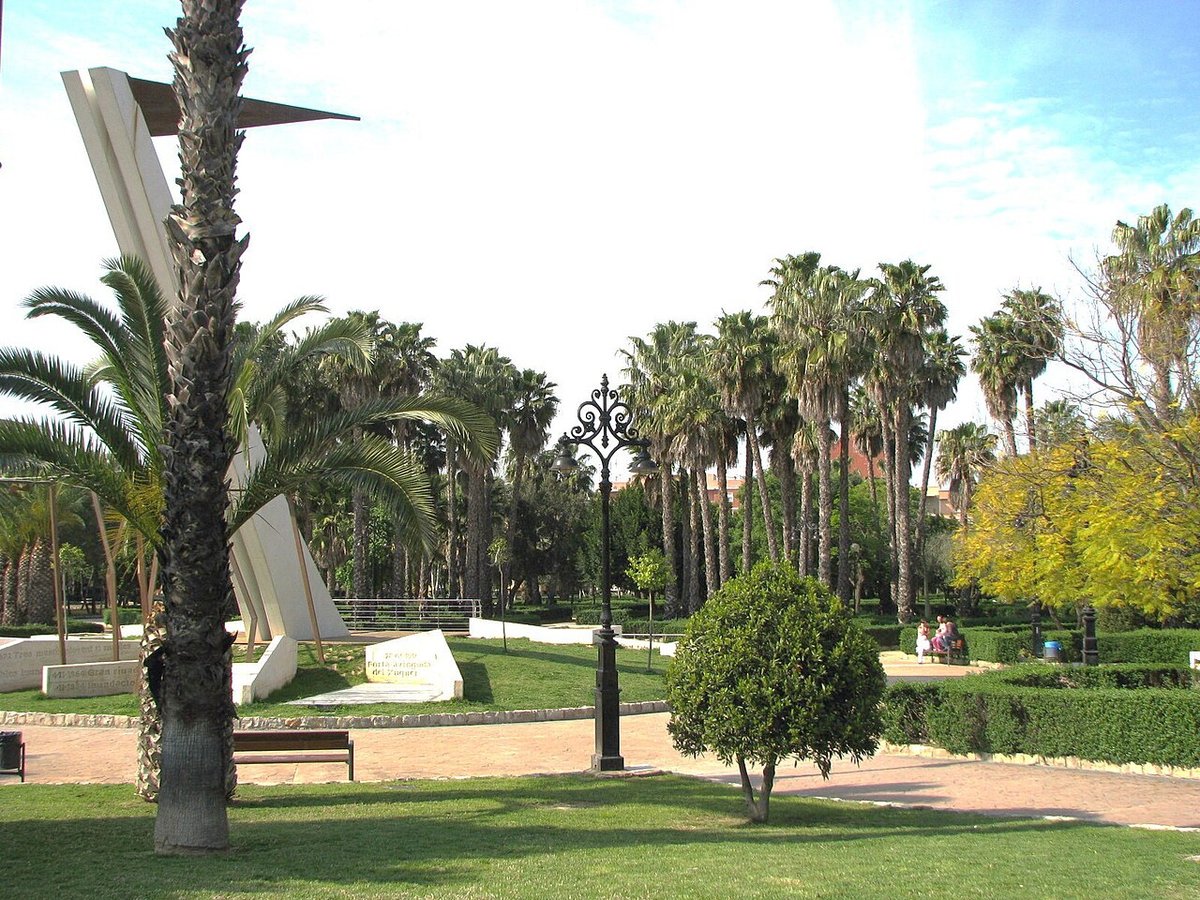
Agricultural town crossed by the Sellent river with a new bridge

Ocultar artículo Leer artículo completo

The scent hits before the village comes into view. Not salt air or seaweed, but orange blossom so heavy it settles in the back of your throat. Sellent sits just 35 kilometres inland from Valencia's coast, yet the Mediterranean might as well be an ocean away. Here, the rhythm follows irrigation channels rather than tides, and the locals check citrus prices instead of wave reports.

The Working Village That Forgot to Become a Resort

Three hundred and eighty residents call Sellent home, though that number swells when the harvest begins. They've watched neighbouring villages repaint themselves as rural destinations—adding boutique hotels and tasting menus—while Sellent remains what it always was: a place where agriculture pays the bills. The streets lack decorative planters and vintage signage. Instead, you'll find practical two-storey houses with wooden doors that show their age, and the occasional glimpse into interior courtyards where washing hangs between orange trees.

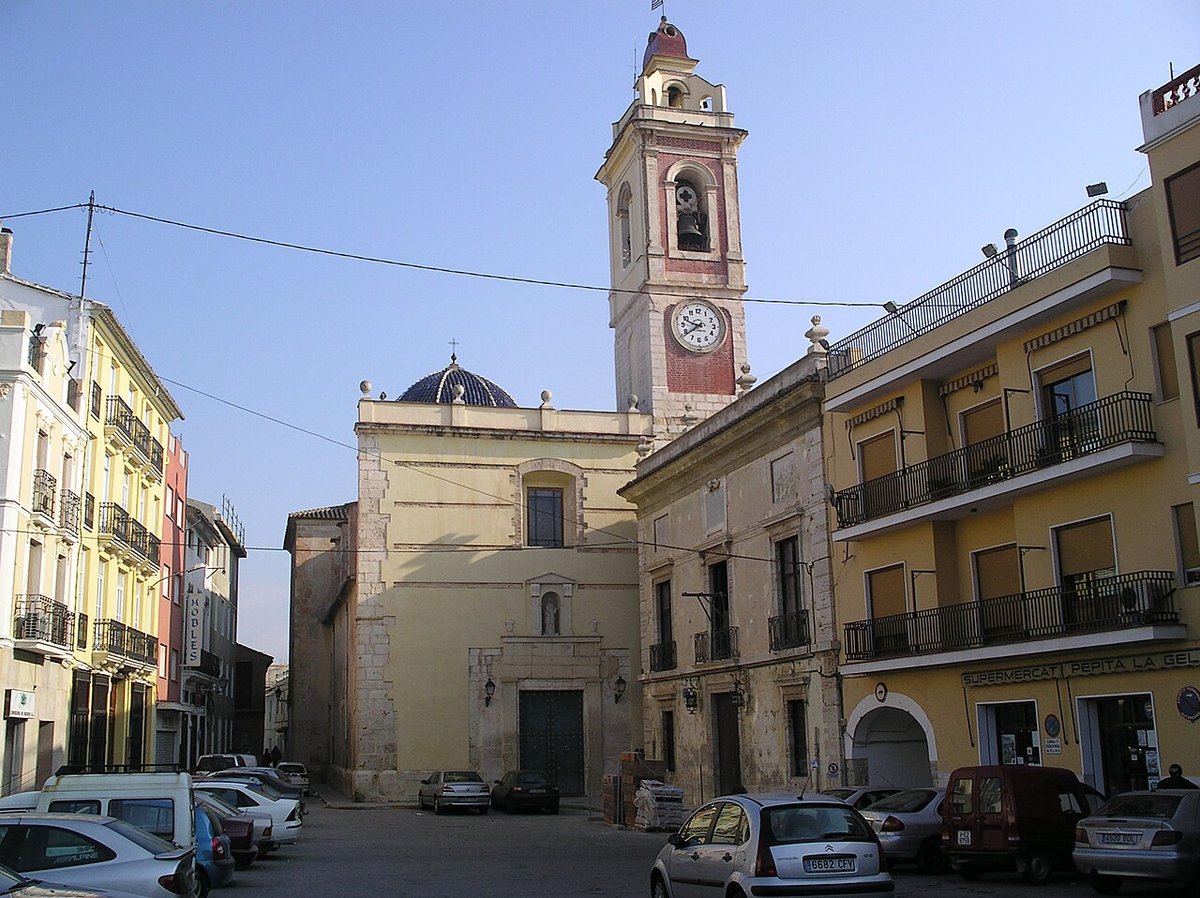
The church dominates the single plaza, its modest bell tower serving as both landmark and meeting point. Unlike coastal villages where bells mark tourist hours, these chimes still regulate work schedules. At 7:30am, they remind field workers to finish their coffee. Evening bells signal when to gather for the daily paseo—though here it's less parade, more practical stretching of legs after hours bent over vegetable plots.

Walking the compact centre takes twenty minutes, assuming you don't stop to chat. Someone will attempt conversation regardless of your Spanish level. Pointing at citrus groes beyond the last houses usually works; everyone grows something, and harvest stories transcend language barriers.

Between the Rows

The real Sellent begins where the asphalt ends. Dirt tracks divide geometric citrus blocks, each plot marked by low stone walls and irrigation ditches that predate smartphones. These channels—acequias—still follow Moorish engineering from centuries past. Water arrives on strict schedules, turning dusty paths into muddy challenges after release days.

Spring brings the famous azahar bloom, when white petals carpet the ground like agricultural confetti. The fragrance attracts day-trippers from Valencia city, though few venture beyond the first grove. Those who do discover the system beneath the beauty: each tree positioned for optimal water access, graft points visible where commercial varieties join hardy rootstock. Farmers work methodically, checking irrigation valves with the same attention coastal mechanics give boat engines.

Autumn shifts the palette from white to orange as fruit ripens. Pickers appear in family groups, their aluminium ladders clanging against branches. Wages depend on speed—experienced crews fill 25-kilo sacks in under two minutes, moving down rows with mechanical precision. Visitors expecting photo opportunities should ask first; these aren't heritage demonstrations but paid labour during peak season.

The flat terrain suits casual cycling more than serious hiking. Agricultural tracks link Sellent to neighbouring villages—Almussafes, Benifaió, Algemesí—forming a 30-kilometre loop through continuous citrus. Road bikes handle the hard-packed sections fine, though mountain bikes better manage post-harvest ruts. Carry water; shade exists only at field edges, and farmhouses rarely stock tourist supplies.

What Passes for Gastronomy

Sellent's restaurants number exactly two, both serving variations on the same theme: rice with whatever the huerta provides. Paella here means rabbit and snails when available, vegetables when not. The special isn't written down; it depends on morning market purchases in Alzira, twenty minutes away by car. Expect to pay €12-15 for dishes that would cost €25 closer to the coast, served on mismatched plates with wine from bulk containers.

Local bars open at 6am for workers needing coffee and brandy before fieldwork. They close mid-afternoon, reopening around 8pm for the evening session. Food runs to basic raciones: tortilla, cured meats, tinned seafood dressed up with olives. The tortilla arrives properly runny in the centre, not the overcooked discs coastal bars serve to nervous tourists.

Buying direct from growers requires timing and Spanish. Knock at farmhouse doors between 10-11am or after 6pm—never during siesta, when even field workers retreat indoors. Oranges sell by the 5-kilo bag for €2-3, though varieties change monthly. The family at number 47 Calle San José keeps chickens and sells eggs by the half-dozen; their daughter speaks school English and handles transactions while grandparents pretend not to understand money discussions.

When the Calendar Dictates

Fiesta schedules reveal agricultural priorities. January's San Antonio blessing involves animals rather than fireworks—farmers bring tractors for priestly sprinkling alongside the traditional dogs and canaries. Summer fiestas happen when harvest pressure eases, featuring street parties that finish by 2am because dawn brings fieldwork.

Spring brings British cycling clubs pedalling through blossom tunnels, their expensive bikes contrasting with local utility models. They arrive organised, complete with support vehicles and energy gels, puzzling farmers who've cycled these tracks for decades on bikes worth less than a single tourist helmet.

Autumn attracts different visitors: urban Spaniards seeking authentic village life for weekend Instagram posts. They photograph weathered farmers without asking, hashtagging #authentic #rural #blessed while complaining about muddy shoes. The irony isn't lost on locals who watch them drive back to Valencia Sunday evening.

Winter strips the landscape to essentials. Without blossom or fruit, irrigation channels run clear and fields show their geometry. This is Sellent at its most honest—no perfume to mask the agricultural reality, no pretty colours for camouflage. Temperatures drop to 5°C at night; houses lack central heating, relying on pellet stoves that smell of burning olive pits. Some visitors find this depressing. Others recognise it as the real Spain coastal resorts erased decades ago.

The Practical Bits Sellent Doesn't Mention

Public transport barely exists. Buses from Valencia run twice daily, stopping at the motorway junction three kilometres outside town. Walking those three kilometres reveals why hire cars aren't optional—they're essential for reaching anywhere useful, including the nearest supermarket in Alzira.

Accommodation means staying in neighbouring towns. Sellent itself offers zero hotels, hostels, or official guesthouses. The closest options sit in Almussafes (15 minutes drive) or Alzira (20 minutes), functional chain hotels serving business travellers rather than romantic rural retreats. Book early during Fallas—Valencia's March fire festival—when city refugees fill every room within 50 kilometres.

Weather catches out coastal visitors who assume inland means cooler. Summer temperatures hit 40°C regularly; the flat huerta traps heat between citrus walls, creating convection ovens out of field tracks. Walking becomes unbearable between 11am-5pm, when even locals retreat indoors. Spring and autumn deliver the promised pleasant conditions, though sudden storms turn dirt tracks to mud that clings to shoes like wet concrete.

The village won't suit everyone. Those seeking dramatic mountain views or Gothic architecture should continue driving. Sellent rewards visitors interested in agricultural reality—people who find beauty in function, who can appreciate engineering that keeps oranges growing despite Mediterranean drought cycles. Come for the blossom, stay for the education in how food actually reaches British supermarkets. Leave before expecting entertainment beyond watching irrigation water flow downhill, carrying centuries of agricultural knowledge toward trees that finance village life.

Key Facts

Region
Comunidad Valenciana
District
Ribera Alta
INE Code
46225
Coast
No
Mountain
No
Season
summer

Livability & Services

Key data for living or remote work

2024
Connectivity5G available
TransportTrain nearby
HealthcareHospital 7 km away
EducationElementary school
Housing~5€/m² rent · Affordable
CoastBeach nearby
Sources: INE, CNMC, Ministry of Health, AEMET

Planning Your Visit?

Discover more villages in the Ribera Alta.

View full region →

More villages in Ribera Alta

Traveler Reviews