Full Article
about Corbera
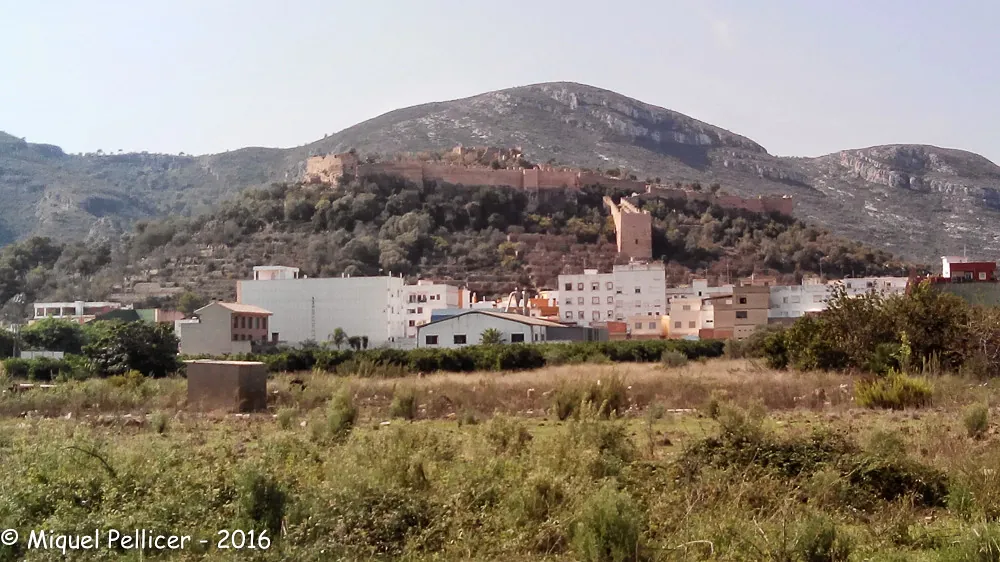
Dominated by the ruins of its castle, visible from afar and surrounded by orange groves.
Hide article Read full article
A Village Rising from the Plain
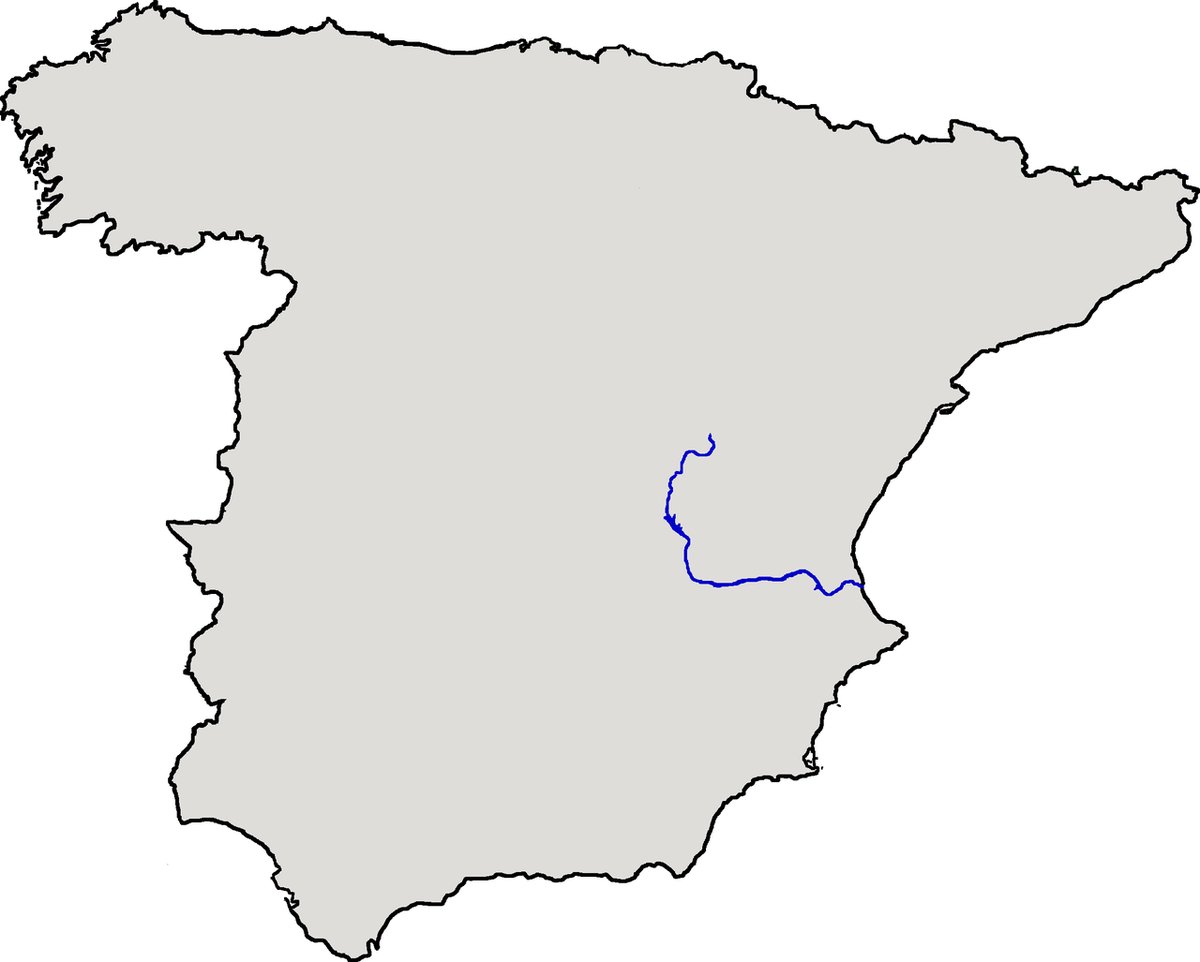
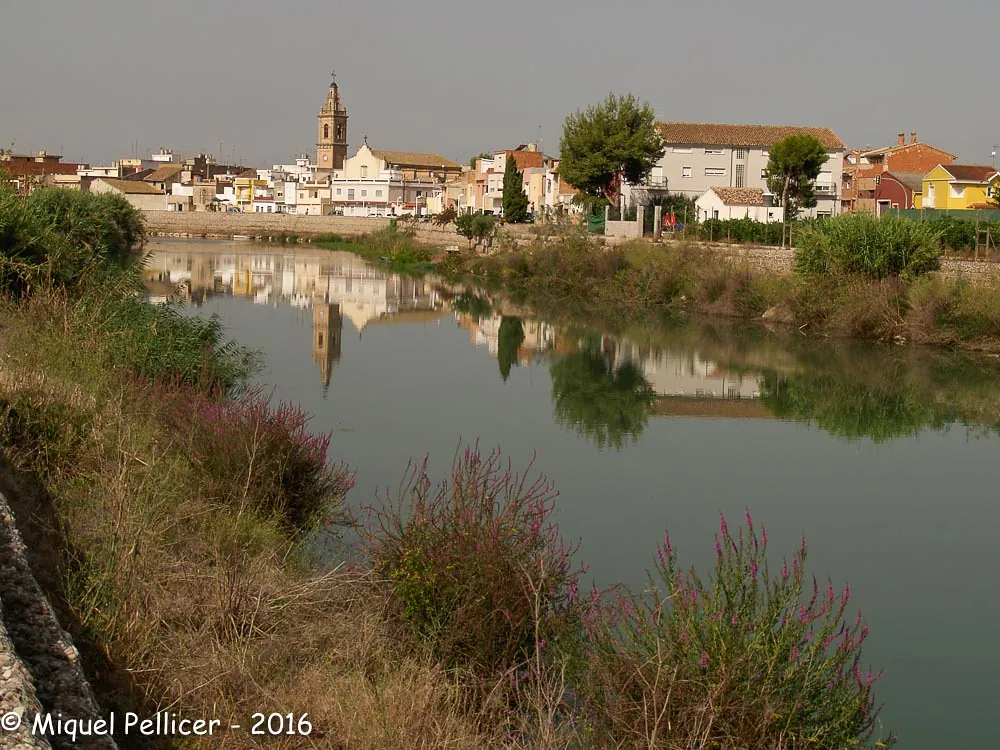
Tourism in Corbera begins with the landscape around it. Before reaching the village, the road runs past kilometres of orange groves laid out across the flatlands of the Ribera Baixa, with the river Xúquer flowing relatively close by. From a distance, Corbera looks like a small cluster of rooftops emerging from a sea of citrus trees.
As the road draws nearer, the setting becomes clearer. The historic centre stands on an isolated hill, one of the few distinct rises in a largely level comarca. The position was not chosen by chance. During the Andalusí period, a fortification was built at the top, taking advantage of the natural vantage point over the surrounding plain.
The hill continues to define Corbera’s outline today. It shapes the streets, the views and even the way daily life unfolds between town and farmland.
The Hill Chosen by the Andalusí
The ruins of the castle explain the logic behind the settlement. It is not a large fortress, yet its location allowed those who controlled it to watch over the agricultural plain and the routes linking the coast with the interior along the course of the Xúquer. The early population gathered at the foot of the hill, around this strategic point.
After the Christian conquest in the 13th century, the defensive structure remained in use for a time. At the summit stands the Ermita de San Miguel, associated with the first reorganisation of the territory following the arrival of the Christians. Over the centuries the castle lost its military purpose, but the silhouette of the hill never lost its importance. It still marks the profile of Corbera from afar.
Walking down from the upper slopes along the steepest streets helps to make sense of the relationship between relief and agriculture. The municipality is small in size yet fertile, thanks to the historic irrigation systems of the Ribera. Citrus gradually came to dominate much of the land when this crop expanded across the comarca from the early modern period onwards. Today the landscape around Corbera is, above all, orange groves.
In spring, when the trees blossom, the agricultural tracks fill with the scent of azahar, orange blossom. It is not a staged attraction. It is simply the rhythm of the countryside asserting itself.
A Cuisine Rooted in the Fields and River
Corbera’s cooking follows the pattern found in many villages of the Ribera. Paella here typically includes rabbit and garrofón, a large local bean common in market gardens and nearby scrubland. These are ingredients shaped by what the surrounding land has traditionally provided.
Dishes linked to the river also appear. All i pebre de anguila, a garlic and paprika stew of eel, is closely associated with the environment of the Xúquer and the nearby Albufera lagoon. It reflects the long-standing connection between communities and the waters that irrigate their crops.
Simple, portable foods developed out of working life in the fields. Cocas saladas, such as coca de mullador topped with vegetables and sometimes sardine, were easy to carry during long hours outdoors. Sweets follow the agricultural calendar. Pumpkin fritters are typical in the colder months, while fried pastries like orelletes are prepared for family celebrations or at Christmas.
This is home cooking based on what was available each season. The dishes speak of practicality rather than display.
When the Village Fills Up
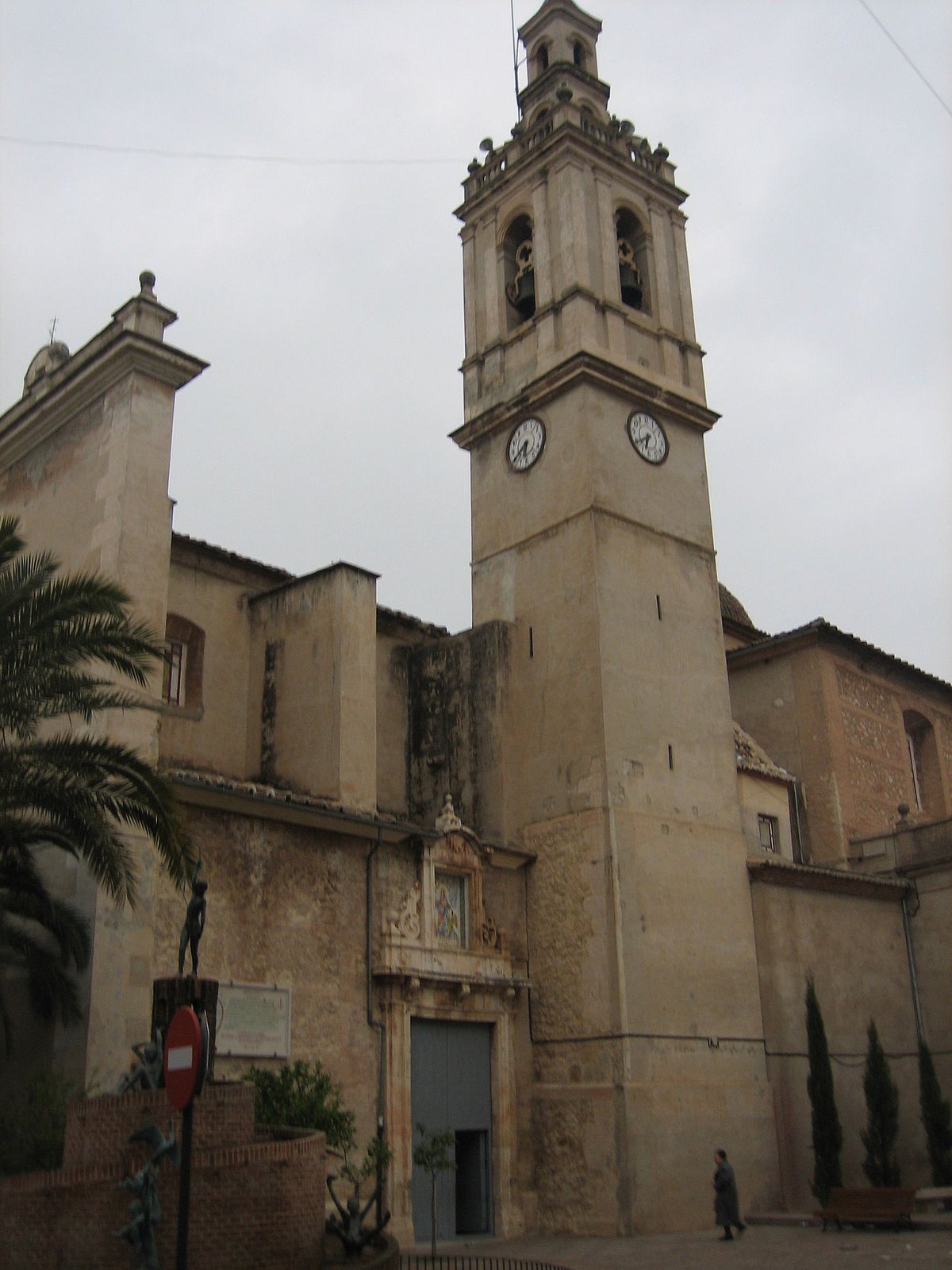
Corbera has just over three thousand inhabitants, but the atmosphere changes in summer. Many families who live in nearby cities keep a house in the village and return during holidays and local festivities. Streets that are quiet for much of the year become busier, and family ties shape the rhythm of the season.
Religious celebrations still carry weight in the calendar. During Semana Santa, or Holy Week, some streets are decorated with carpets of flowers prepared by residents. For Corpus Christi, there is a similar tradition of covering the ground with compositions made from petals and other plant materials. These events are less about attracting visitors and more about collective effort within neighbourhoods. The work of arranging the decorations becomes part of the celebration itself.
The result is a village that briefly feels larger than its official population suggests, without losing its local character.
Up, Down, and Through the Groves
The castle demands a climb. Access is via paths and steep streets that wind up towards the top of the hill. From there, the geography of the Ribera is easy to grasp: the agricultural plain stretching outwards, the line of the river, and on clear days the proximity of the sea to the east.
Within the old quarter, narrow streets follow the slope of the terrain. Some houses retain exterior iron staircases or small raised patios, practical solutions in a place where flat ground is scarce. The layout reflects adaptation rather than grand design.
Beyond the urban centre, several rural tracks run between orange groves. Some approach the Xúquer, following acequias and irrigation channels that form part of the traditional agricultural system of the comarca. These routes are gentle walks rather than demanding hikes, suited to an unhurried pace through working farmland.
The relationship between town and countryside remains close. Fields begin almost at the edge of the built area, and the smell of citrus or damp earth can drift into the streets depending on the season.
Getting There and Choosing the Season
Corbera is located in the Ribera Baixa, relatively near the coast and connected by road to other towns in the comarca as well as to the city of Valencia. Its setting makes it an easy addition to a wider exploration of the region.
Spring is often a good time to wander along the agricultural paths, when the orange trees are in blossom and temperatures are still mild. In the height of summer the heat can be intense, and many activities shift towards early morning or late evening.
The historic centre can be explored on foot without difficulty, although comfortable shoes are advisable. The incline of the hill and the cobbled streets become noticeable after a while. It is also common to come across small weekly markets or seasonal fruit stalls, where the custom of buying directly from local producers continues.
Corbera does not rely on spectacle. Its appeal lies in the clarity of its setting: a hill chosen centuries ago for control and defence, now surrounded by irrigated fields that define daily life. The climb up and down the slopes, repeated at different times of day, becomes part of understanding how this small Valencian village fits into the wider landscape of the Ribera Baixa.