Full Article
about Favara
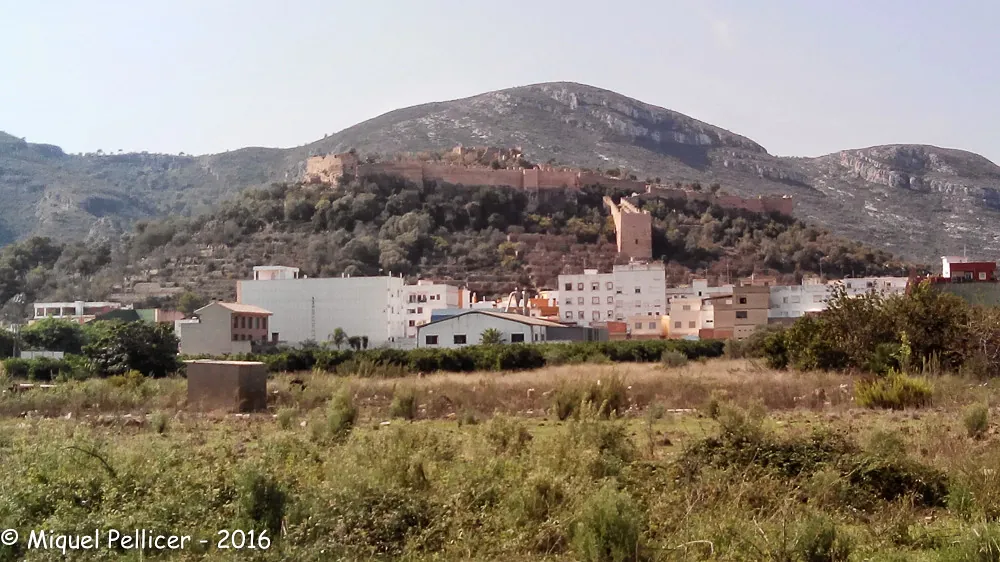
At the foot of the mountain, near Cullera, with the Cueva de la Galera.
Ocultar artículo Leer artículo completo
The tractors start at dawn. Not the gentle hum of a village idyll, but the proper diesel clatter of machines heading to work. By 7:30 am, Favara's single traffic light on Avenida de la Constitución has already queued three tractors, a van loaded with plastic orange crates, and a couple of locals nursing takeaway coffees from the bakery that opens earlier than everything else. This is agricultural Spain doing what it does best – getting on with the harvest – and you're watching it from a village that most British visitors drive straight past.
Orchards Instead of Coastline
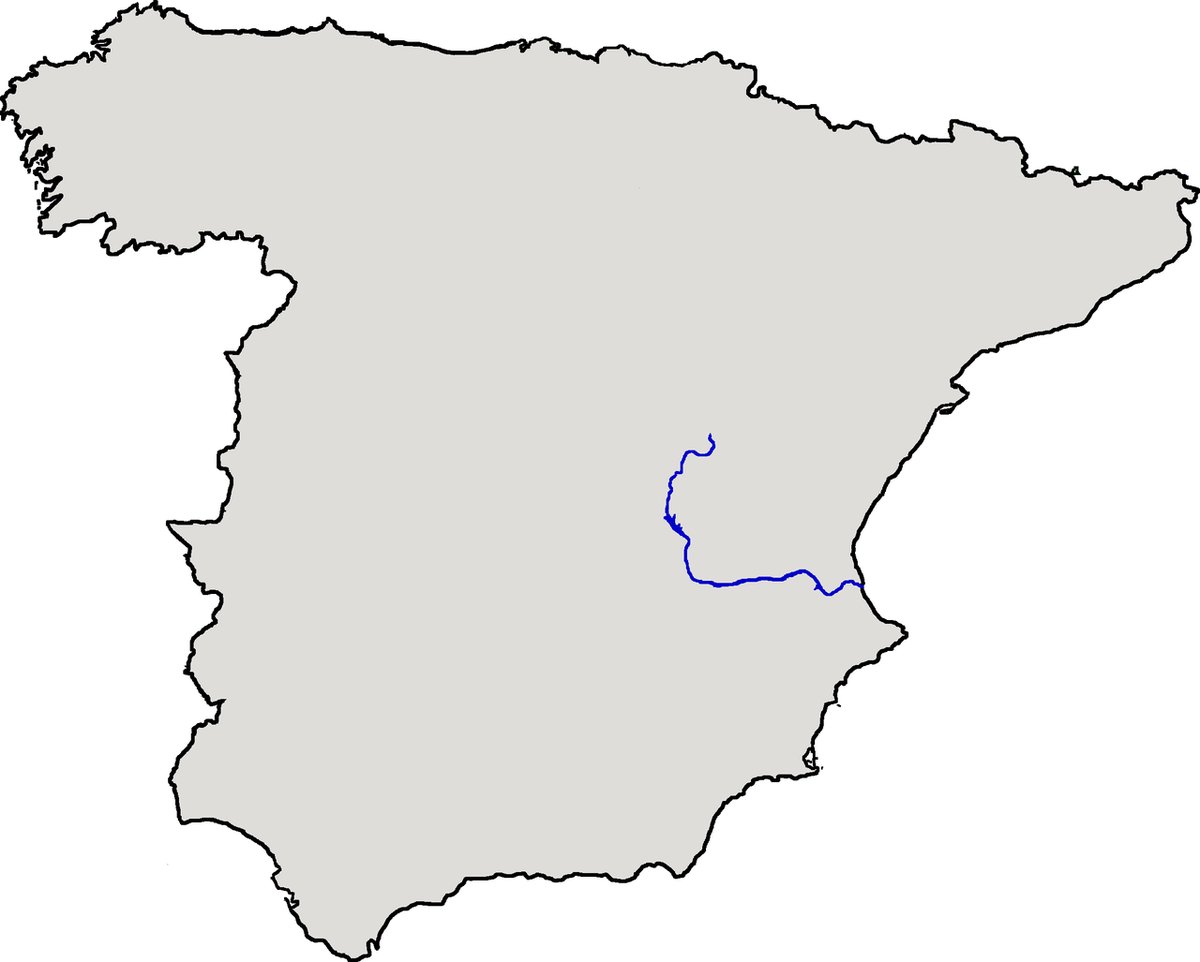
Favara sits 15 kilometres inland from the Mediterranean, close enough that the morning air carries salt on windy days but far enough that package tourists never bother. The sea appears only as a pale stripe on the horizon from the castle mound, and beach talk here centres on whether the irrigation canals are running high enough for the summer crops. What you get instead of sand is a grid of citrus groves that stretch to every compass point, their geometry broken only by the occasional almond tree or a corrugated iron warehouse where fruit gets washed, graded and boxed for markets as far north as Rotterdam.
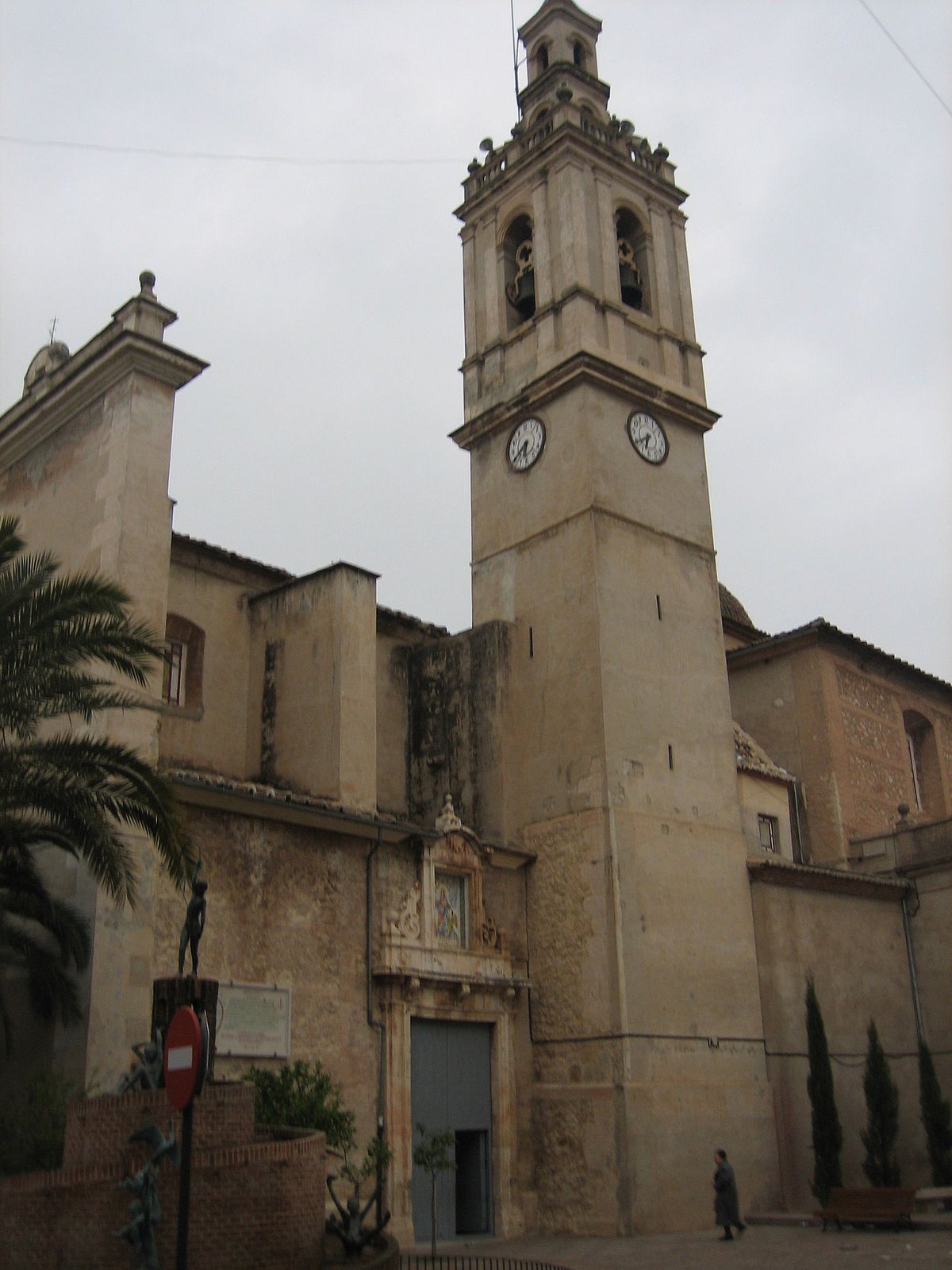
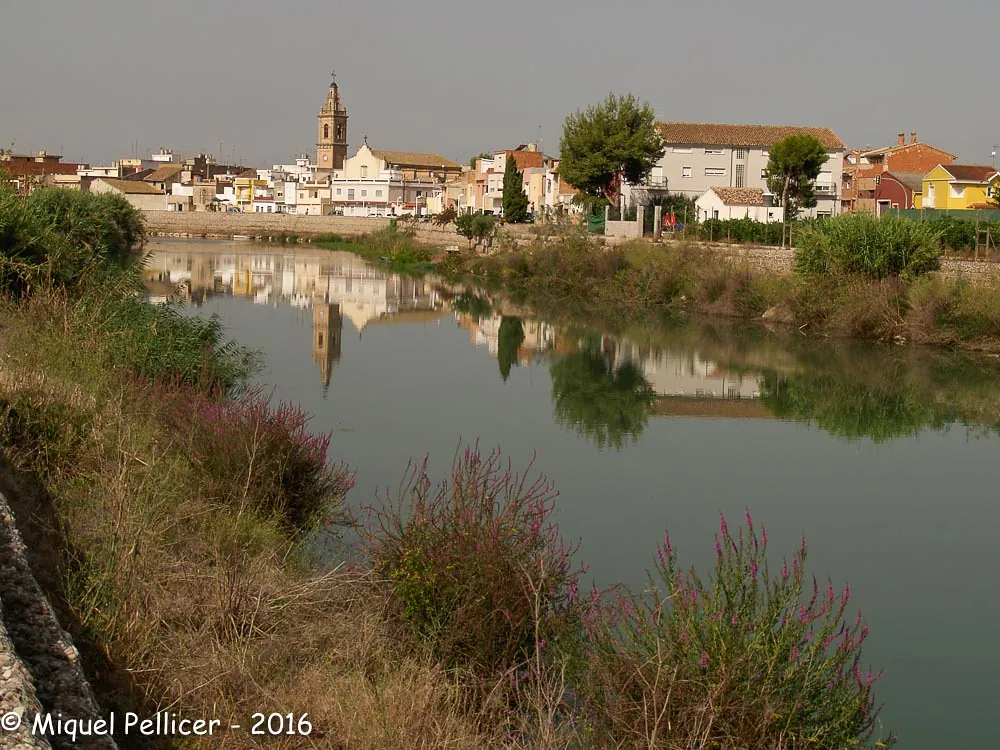
The village itself is a compact rectangle of low houses, their outer walls painted in sun-bleached ochres and pinks that have faded to what estate agents might call 'terracotta dusk'. Nothing rises above the church tower except the metal framework of an old irrigation gauge that clicks every time the Júcar canal releases water. British drivers arriving from Alicante airport – 25 minutes away on the A-7 – often expect whitewashed casas blancas; instead they find dusty streets, graffiti-free but hardly photogenic, and a main square shaded by three giant plane trees whose roots have buckled the flagstones into trip hazards.
Lunch at Two, Art at Five
Food follows the field calendar. Between mid-January and May the set menus trumpet migas made with last year's bread, artichokes the size of cricket balls, and rice dishes that swap seafood for broad beans and espárragos trigueros. Casa do zi Pe on Calle Mayor offers a three-course menú del día with wine for €14; the chef, Carlos, spent a season in a Norwich hotel and enjoys testing his English on customers who look bewildered by secreto ibérico. Arrive before 13:30 or you'll wait until 20:00 – the kitchen shuts when the last local finishes, and nobody hurries for tourists.
Once the plates are cleared, Favara's one genuine surprise reveals itself. Farm Cultural Park occupies a cluster of 19th-century grain stores round a quiet courtyard five minutes from the church. A Sicilian couple, bored with Milan fashion weeks, bought the ruined buildings in 2010 and turned them into a rotating gallery of contemporary art. Entrance is €5, cash only, and the guard hands you a torch because the electricity supply still falters. British visitors who stumble in expecting rural Spain to end at bullfighting posters find instead a mirrored installation reflecting orange trees and a video loop of Algerian fishermen that somehow makes perfect sense here. It's open 11:00-13:30 and 17:00-20:00, closed Tuesdays – plan accordingly because nothing else in Favara stays open past siesta.
Walking the Irrigation Grid
The village edges dissolve almost immediately into farm tracks. A flat 7-kilometre circuit leaves from the football pitch, follows an irrigation ditch between rows of Washington navels, and returns past a brickworks that closed in 1992 and now houses a colony of feral cats. The route is way-marked by faded yellow arrows painted by a local cycling club; ignore the ones that point into a drainage channel – the floods of 2018 took out two bridges and no one's repainted yet. Spring walkers get drifts of orange blossom so heavy the scent sticks to clothes; autumn visitors find the lanes sticky with fallen fruit crushed under tractor tyres. Either way, bring water and a hat – shade exists only where eucalyptus trees have escaped from a forgotten paper-company plantation.
When the Village Lets Its Hair Down
Fiestas here are for locals first, spectators second. Mid-January belongs to San Antonio Abad, patron saint of animals. Tractors parade past the church for a priestly spritz of holy water, and farmers balance cage-birds on dashboards next to Bluetooth speakers blasting música ranchera. The scene is part agricultural show, part family reunion; visitors are welcome but there's nowhere to buy a souvenir programme because nobody's thought to print one. August turns things up several notches with five days of fairground rides squeezed into the main square, open-air paella for 800 people, and a foam party in the municipal pool that finishes at 04:00 when the water is more bubbles than chlorine. Accommodation within the village amounts to one three-room guesthouse above a bakery – book early or base yourself in Gandia, 20 minutes away, and accept a taxi home because drink-driving checks are rigorous.
The Practical Bits That Matter
You need a car. There is no railway station, and the twice-daily bus from Valencia takes two hours because it detours through every hamlet in the Ribera Baixa. Hire desks at Alicante airport know Favara only as "near the depot where we store unused hatchbacks" – plug the coordinates 38°55′N 0°17′W into the sat-nav before you leave the terminal. Parking is free on Avenida de la Constitución; don't attempt the old quarter's lanes – they're barely wider than a Tesco delivery van and the locals have had years to perfect the wing-mirror tuck.
Cash remains king. The only ATM stands outside a Santander branch on the main road; the art gallery, bakery and bars won't take cards for amounts under €10. Sundays shut everything except the church and one panadería; buy Saturday night supplies or breakfast becomes whatever crisps you can scrounge from the hotel vending machine. English is thin on the ground – a few phrases of Spanish go a long way, especially when asking which oranges are for eating versus juicing.
An Honest Goodbye
Favara won't change your life. It offers no beach bars, no souvenir magnets, no sunset yacht trips. What it does give is a snapshot of how inland Valencia survives when the tourists head home: early starts, cheap red wine, contemporary art in a crumbling barn, and the smell of orange blossom drifting through a car window as you rejoin the motorway wondering why the coast gets all the attention.