Full Article
about Fortaleny
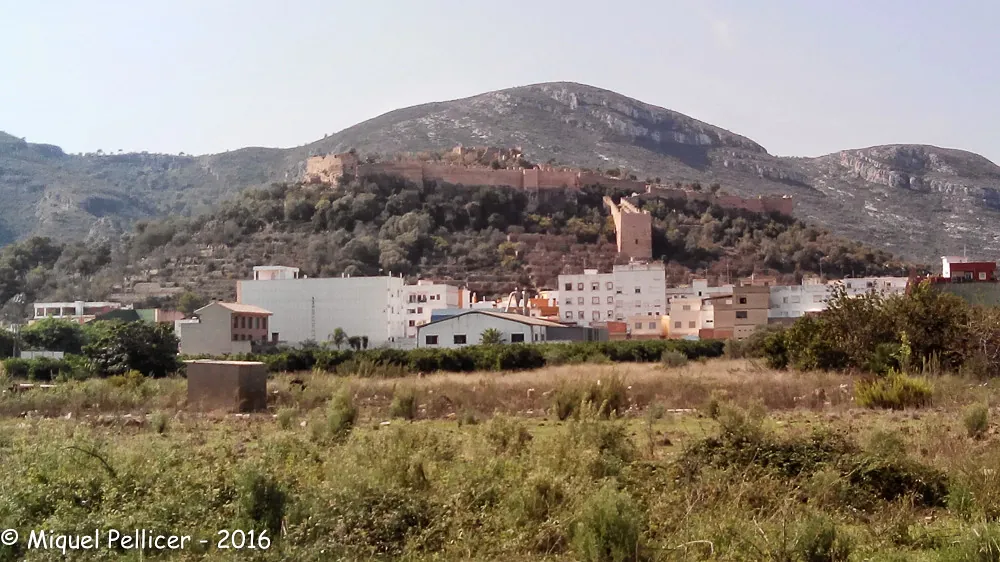
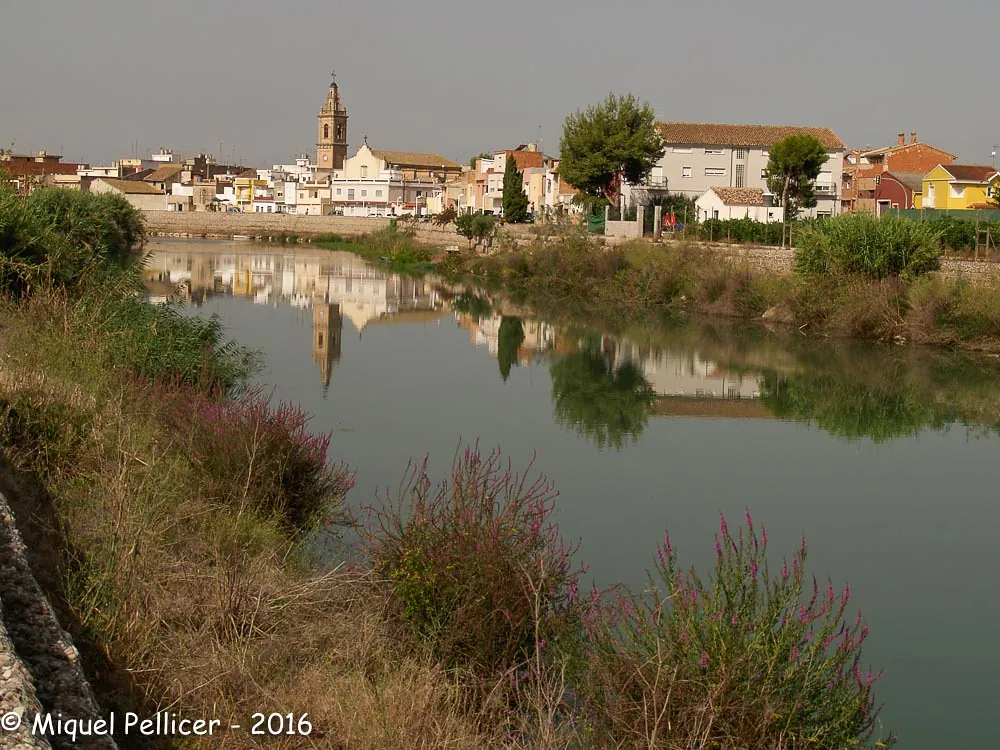
A village on the Júcar surrounded by rice fields, typical of the Ribera Baixa
Ocultar artículo Leer artículo completo
The church bell strikes noon, and Fortaleny's single main street empties. Not because anything's closed – the bar stays open – but because this is when the village remembers what heat means. Five metres above sea level in the Ribera Baixa, the afternoon sun turns the citrus-scented air thick as honey. Even the dogs know better than to move.
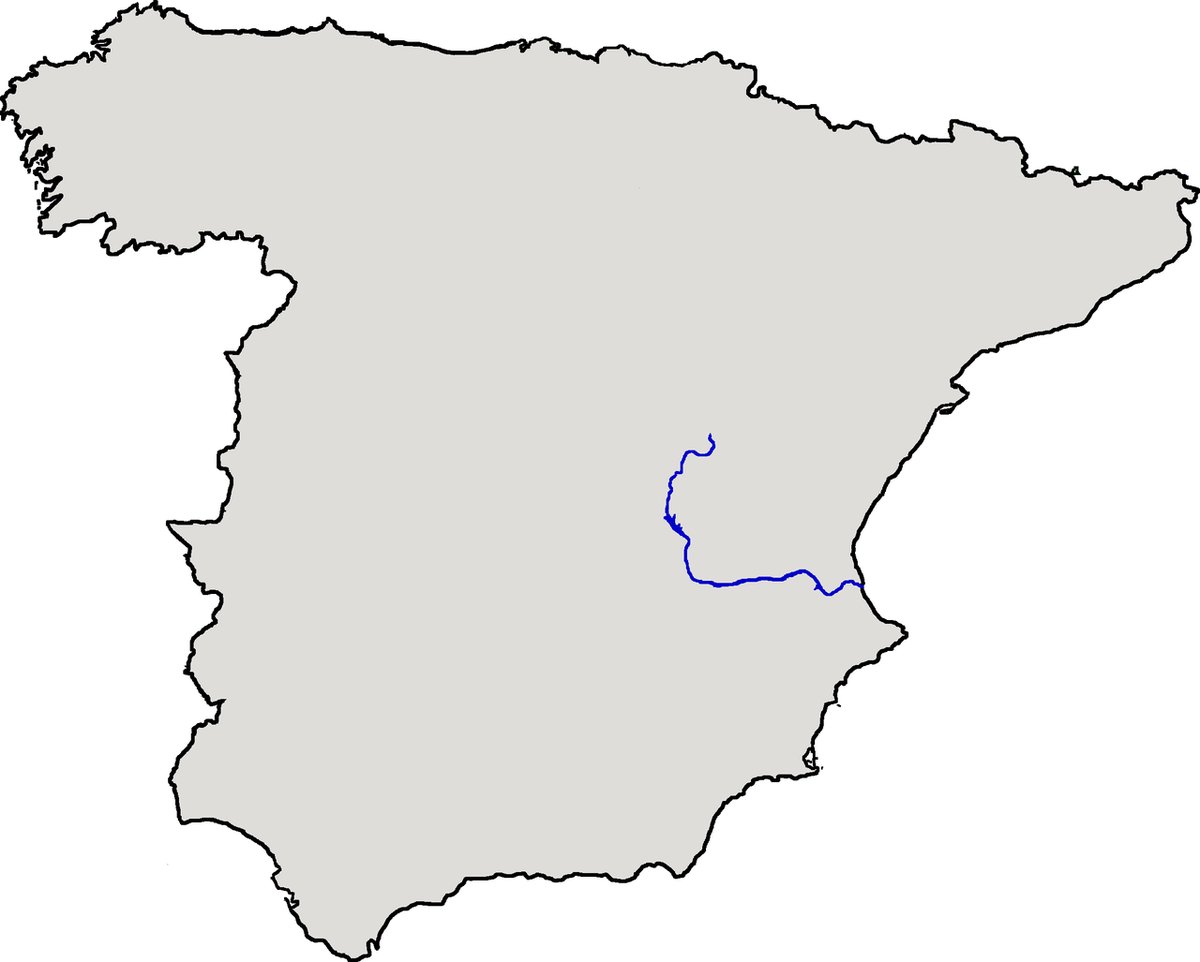
Fortaleny sits forty kilometres south of Valencia city, close enough for day-trippers yet far enough that coach tours give it a miss. Five thousand people live here, though numbers swell when the orange harvest needs extra hands. The village spreads along one principal road, Carrer Major, with smaller lanes peeling off like orange segments. There's no centre to speak of – the church, the bar, the small supermarket and the pharmacy share the same hundred-metre stretch, creating a civic hub that functions more like a village green than a high street.
The Rhythm of the Groves
Orange trees define Fortaleny's calendar more accurately than any diary. February brings white blossom that drifts across pavements like late snow. By June the fruit sets, hard green baubles among glossy leaves. October turns them gold, and the air fills with the mechanical hum of picking machines. Even winter has its purpose: pruning time, when smoke rises from bonfires of dead wood and the groves echo with the whine of chainsaws.
The agricultural rhythm explains why Fortaleny feels different from Valencia's coastal resorts. This isn't a village that happens to have oranges nearby. It's a working agricultural community where the fruit in your breakfast juice might have grown within walking distance of your hotel. The local cooperative, Cellers de la Ribera, processes much of the harvest, though plenty gets sold from roadside stalls at €2 for five kilos – cheaper than supermarket prices and picked yesterday.
Walking the grove tracks reveals how intensive this cultivation remains. Narrow paths between plots carry irrigation channels, some dating from Moorish times. Small stone shelters, barracas, dot the landscape – single-room buildings where workers once sheltered from rain or stored tools. Many now serve as weekend retreats for families from Valencia, their rough stone walls updated with solar panels and satellite dishes.
What Passes for Entertainment
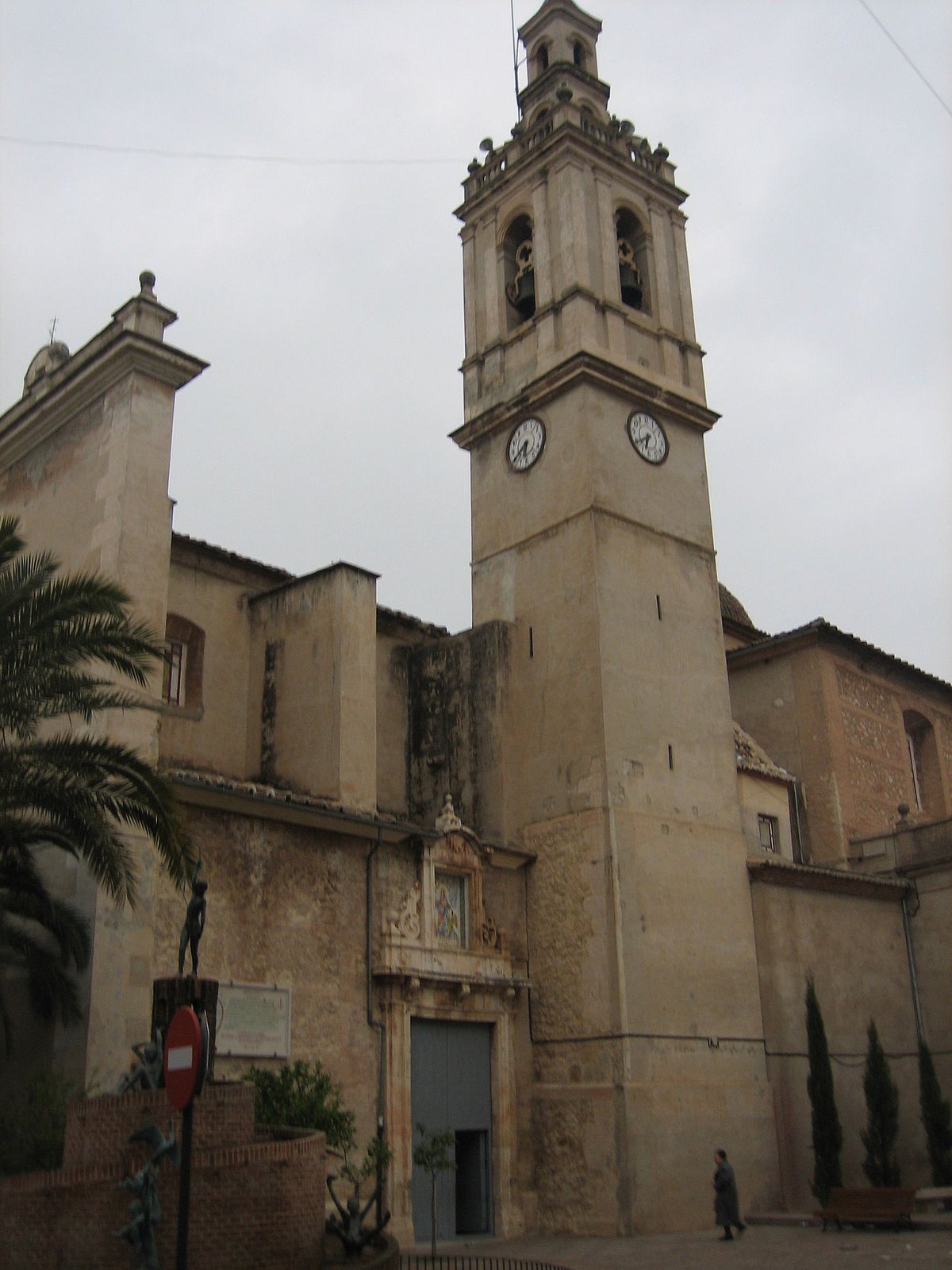
Fortaleny's attractions require recalibration of expectations. The eighteenth-century church of San Pedro Apóstol dominates the modest plaza, its bell tower visible from every approach. Inside, the usual gold leaf and painted saints share space with more recent additions: a digital donation terminal near the door, electric candles flickering where real flames once burned. The building works harder than most – weekday mass, Saturday weddings, Sunday services, and during fiestas, it becomes the focal point for processions that snake through streets barely wide enough for a tractor.
The village's single museum occupies a former manor house on Carrer Major. The Museu de la Rajoleria celebrates Fortaleny's brick-making heritage, when local clay fed kilns producing roof tiles for the region. Opening hours remain flexible – essentially whenever someone's around to unlock it. Entry costs €2, though the caretaker might wave you through if you look interested enough.
Beyond these, entertainment becomes self-generated. The municipal sports centre offers a swimming pool (€3 entry, open June to September) and tennis courts bookable through the town hall. A marked walking route, the Ruta de les Barracas, circles the village through groves and past traditional farm buildings. The full circuit takes ninety minutes at a strolling pace, though most visitors manage half before the heat or the smell of lunchtime cooking proves too distracting.
Eating Like You Mean It
Fortaleny's food scene operates on village logic. Bar Bonestar serves as the de facto social centre – part café, part restaurant, part community noticeboard. Menus arrive scrawled on paper, changing according to what the cook bought that morning. Rice dishes dominate: paella valenciana proper, with rabbit and green beans, or arroz al horno baked with pork ribs and chickpeas. A proper lunch – three courses with wine – costs around €15. They'll do you a sandwich if you ask, but expect a look that suggests you're missing the point.
The weekly market, Thursday mornings in the church plaza, brings fresh produce from neighbouring farms. Seasonal vegetables appear in quantities that assume you're cooking for a family of eight. The cheese stall stocks quesos de cabra from the nearby marshes, wrapped in dried grass that smells like summer meadows. One stall specialises in miel de azahar, orange-blossom honey, sold in jars that crystallise within weeks but taste like liquid Mediterranean spring.
For self-caterers, the supermarket on Carrer de Sant Antoni stocks basics plus an impressive selection of local wines. The Ribera Baixa denominación remains relatively unknown outside Spain, producing robust reds from Monastrell grapes and crisp whites from Merseguera. Prices start at €4 a bottle, climbing to €15 for wines that would cost triple in London restaurants.
When the Village Parties
Fortaleny's fiestas reveal the village at full volume. San Pedro, the patron saint celebrations, explode across the last weekend of June. The church procession happens early evening, when temperatures drop enough that marching behind the saint's platform won't cause heatstroke. Fireworks follow – proper ones, not health-and-safety-approved sparklers – launched from the football field with a casual approach to safety that would give British insurers nightmares.
January brings San Antonio, when bonfires light in the church plaza and the village's few remaining animals receive blessings. It's mostly pets now – labradors and the occasional rabbit in a basket – though locals remember when farmers brought horses and mules. The tradition continues because stopping would feel like admitting something important has ended.
August's Virgen celebrations provide summer's final blowout. The programme mixes religious observance with late-night dancing, paella competitions, and a foam party that turns the plaza into a bubble-filled disco. Visitors welcome, though participation carries obligations. Turn up for the paella contest and you'll find yourself chopping vegetables or stirring rice under instruction from someone who learned this from their grandmother.
Getting There, Staying There
Fortaleny works best with a car. From Valencia, take the A-7 south towards Alicante, exit at Alberic, then follow the CV-50 for fifteen minutes through groves and small villages. Public transport exists but tests patience – trains run to Alberic every hour from Valencia's Estació Nord, then a local bus covers the final eight kilometres three times daily, except Sundays when service reduces to once.
Accommodation remains limited. Two village houses offer rooms on Airbnb, typically €40-50 per night for doubles with breakfast. The nearest hotels cluster in Alberic, ten minutes away by car – functional three-star establishments serving business travellers and wedding guests. For something more atmospheric, stay in Valencia and visit Fortaleny as a day trip, timing arrival for lunch and departure before the afternoon heat becomes oppressive.
Spring visits reward most, when blossom scents the air and temperatures hover around 22°C. October works well too, with harvest activity and mild weather. Summer hits hard – 35°C is normal, and the village's concrete buildings radiate heat long after sunset. Winter brings its own challenges: many restaurants close for refurbishment, and the landscape looks stark without leaves to soften the view.
Fortaleny doesn't try to impress. It functions, grows oranges, feeds its inhabitants, celebrates its saints, and gets on with life much as it has for decades. Some visitors find this lack of obvious entertainment frustrating. Others discover that watching village life unfold carries its own fascination – the slow revelation of how places work when tourism isn't the primary industry. The orange groves will still be here next year, and the year after. Whether you will depends on whether you can appreciate somewhere that measures time in harvests rather than attractions.