Full Article
about Llaurí
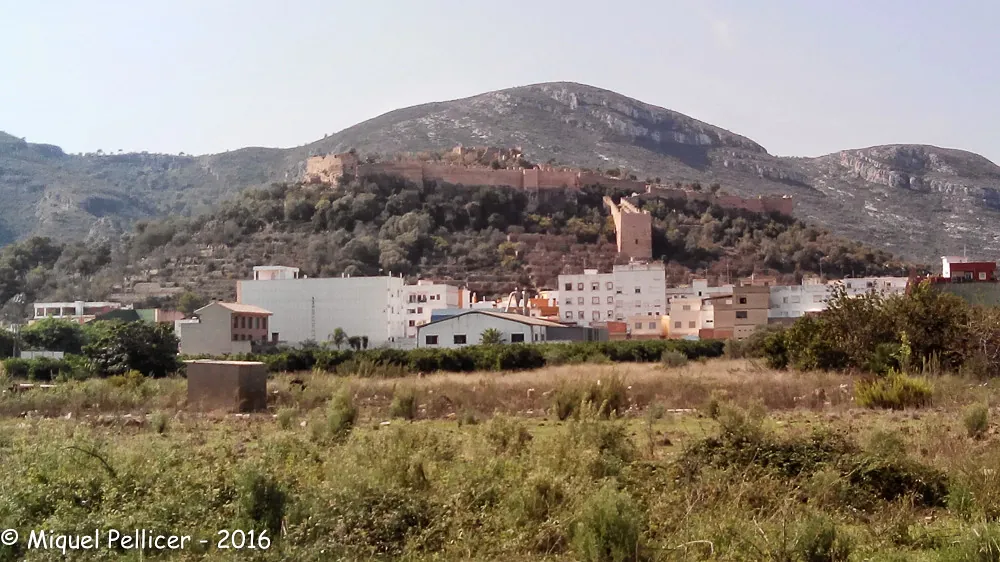
At the foot of the Zorras mountain, overlooking the Cullera coast.
Hide article Read full article
Morning light and the rhythm of the huerta
Early in the morning, before the sun has fully warmed the fields, Llaurí still moves at a softer pace. Water runs through the acequias, the traditional irrigation channels, and a light breeze brushes the leaves of the orange trees. The light arrives cool through the branches and settles over the narrow streets, where shutters are half closed and only the occasional car passes.
Llaurí has just over a thousand residents and sits closely tied to the huerta, the cultivated farmland that surrounds it. Life here still follows agricultural cycles. Spring brings the blossom of orange trees, harvest months shape the year, and the smell of damp earth rises when the irrigation channels are opened. At certain times of day, tractors outnumber cars on the tracks around the town.
The village lies in the Ribera Baixa, a short drive from Valencia. There are no grand monuments or buildings designed to impress. What appears instead is something quieter: short streets, low whitewashed houses, wooden doorways that have changed little over time, and interior courtyards where potted plants and grapevines offer shade when the heat builds.
Streets that carry everyday history
The layout of Llaurí is simple. Narrow streets lead into small squares, creating a compact and easy rhythm as you move through the town. Mid to late afternoon is when daily life becomes most visible. People sit by their doors, conversations drift from one side of the street to the other, and the sound of a motorbike occasionally climbs slowly uphill.
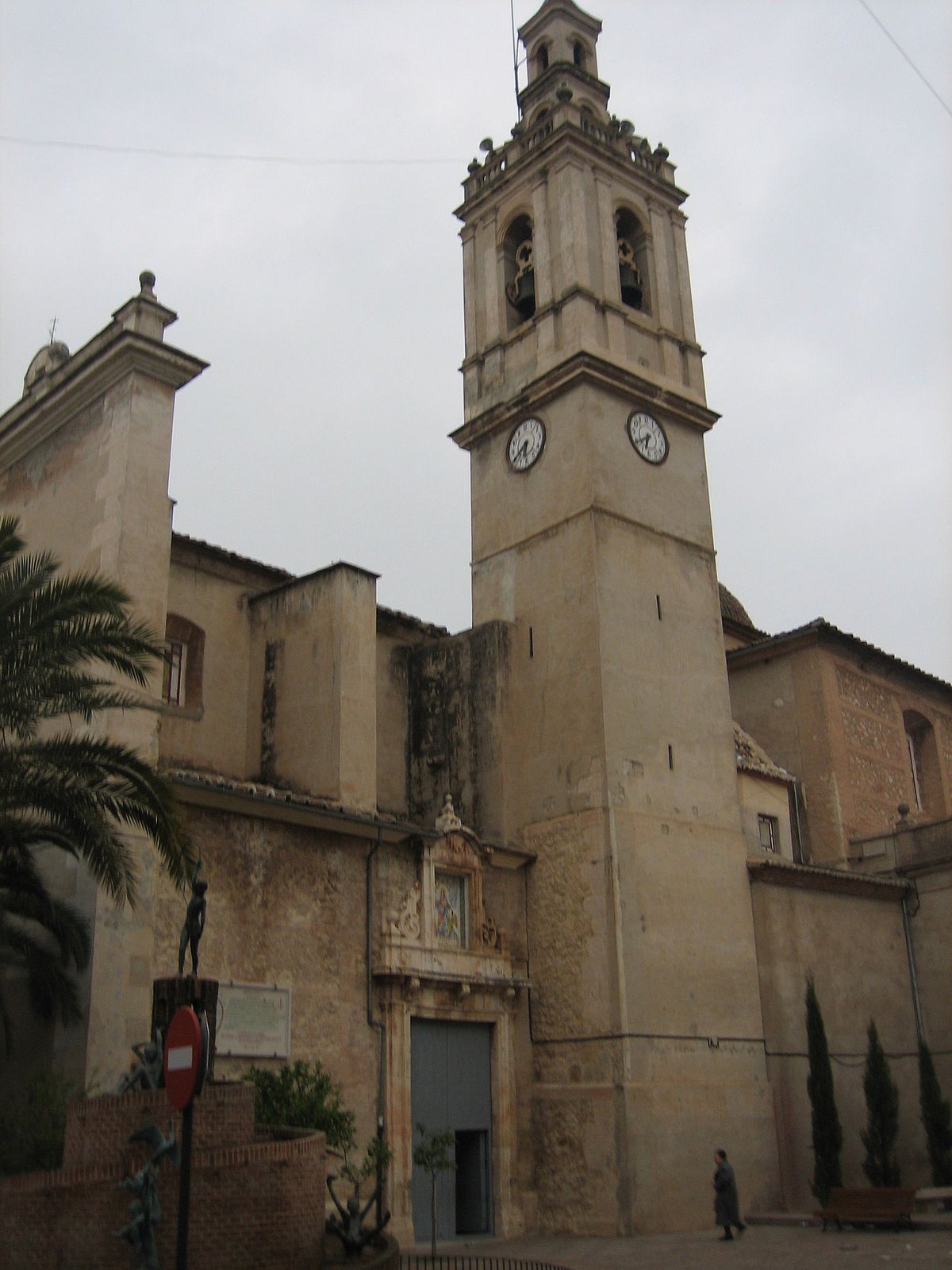
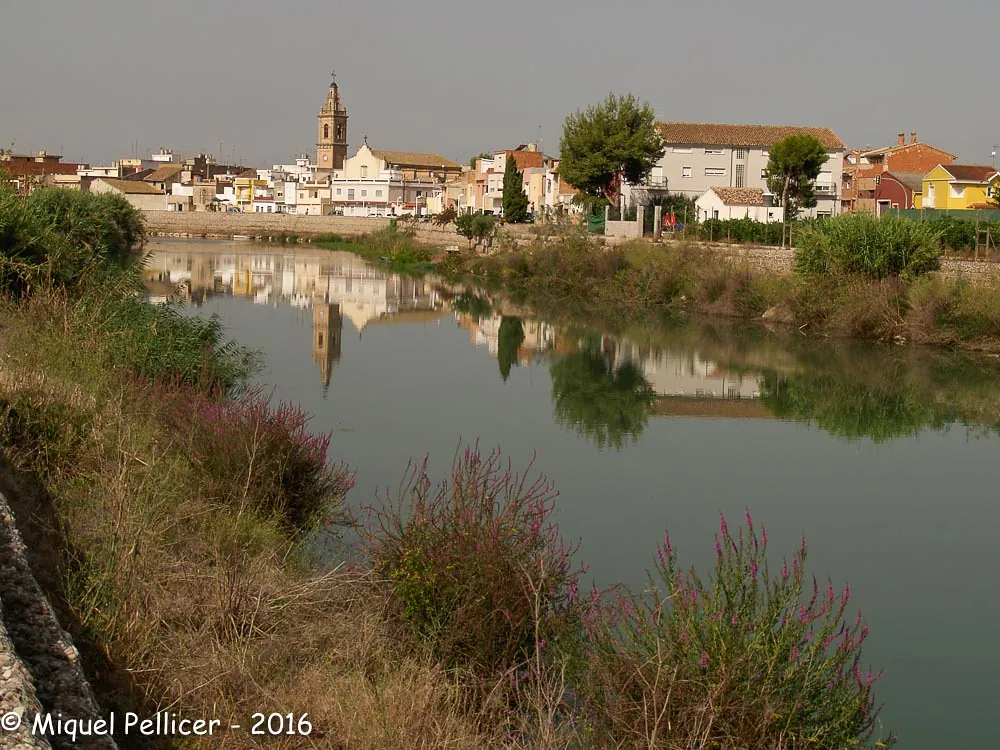
The parish church of San Miguel Arcángel stands at one of the central points. Its construction took place over different periods, and that shows in its details. Some parts are plain, others more worked, giving the building a layered appearance. The bell tower rises above the rooftops and acts as a reference point when walking through the streets.
A slow walk reveals small traces of ordinary life from the past. Stone doorways worn by use, iron balconies with geraniums, old ceramic tiles set beside doorbells. Nothing here is monumental, yet it feels consistent with the place and its pace.
Beyond the last houses: fields and water
To understand Llaurí fully, it helps to step outside the town centre. Within minutes of leaving the last houses behind, the landscape opens into citrus groves. In spring, the scent of orange blossom becomes unmistakable, especially early in the day or towards evening. It is a sweet smell, sometimes heavy when the air is humid.
During summer, the trees carry fruit that is still green. Later in the year, when the harvest begins, activity increases along the rural paths. Vans, trailers and people move between the rows of orange trees as work picks up.
The acequias continue to shape the land. Some run alongside paths, easy to follow, while others slip between plots and are half hidden. In certain stretches, especially during irrigation periods, the sound of running water is constant.
Further out, in more open areas of the Ribera Baixa, the landscape changes again. Fields widen, and depending on the area, rice paddies can also be seen during part of the year, adding another layer to the agricultural setting.
Food shaped by what grows nearby
Everyday cooking in this part of the Ribera remains closely linked to local produce. Rice appears frequently in home kitchens, prepared in different ways and combined with seasonal vegetables or meat.
One dish commonly found on local tables and in bars is esgarraet. It is made with roasted red pepper, shredded salt cod, garlic and olive oil. The preparation is simple, yet the flavour is strong, particularly when the peppers have just been roasted.
In winter, when the orange harvest is underway, fruit becomes a regular presence after meals. There is little ceremony around it. A box of oranges in the kitchen, a knife, and that is enough.
Traditions that mark the year
The calendar in Llaurí is still shaped by its celebrations. The patron saint festivities in honour of San Miguel Arcángel usually take place at the end of September. During those days, the atmosphere shifts. Music fills the streets, religious events are held, and shared meals bring people together.
In March, the Fallas are also celebrated, although on a much smaller scale than in larger cities. The monuments are modest and often created with strong involvement from residents. The night of the cremà, when the structures are burned, keeps the same intensity despite the smaller setting.
Summer brings a different rhythm. As the heat increases, much of daily life moves outdoors in the evening. Squares fill with chairs, conversations stretch out, and children stay out playing until late.
Getting there and choosing the moment
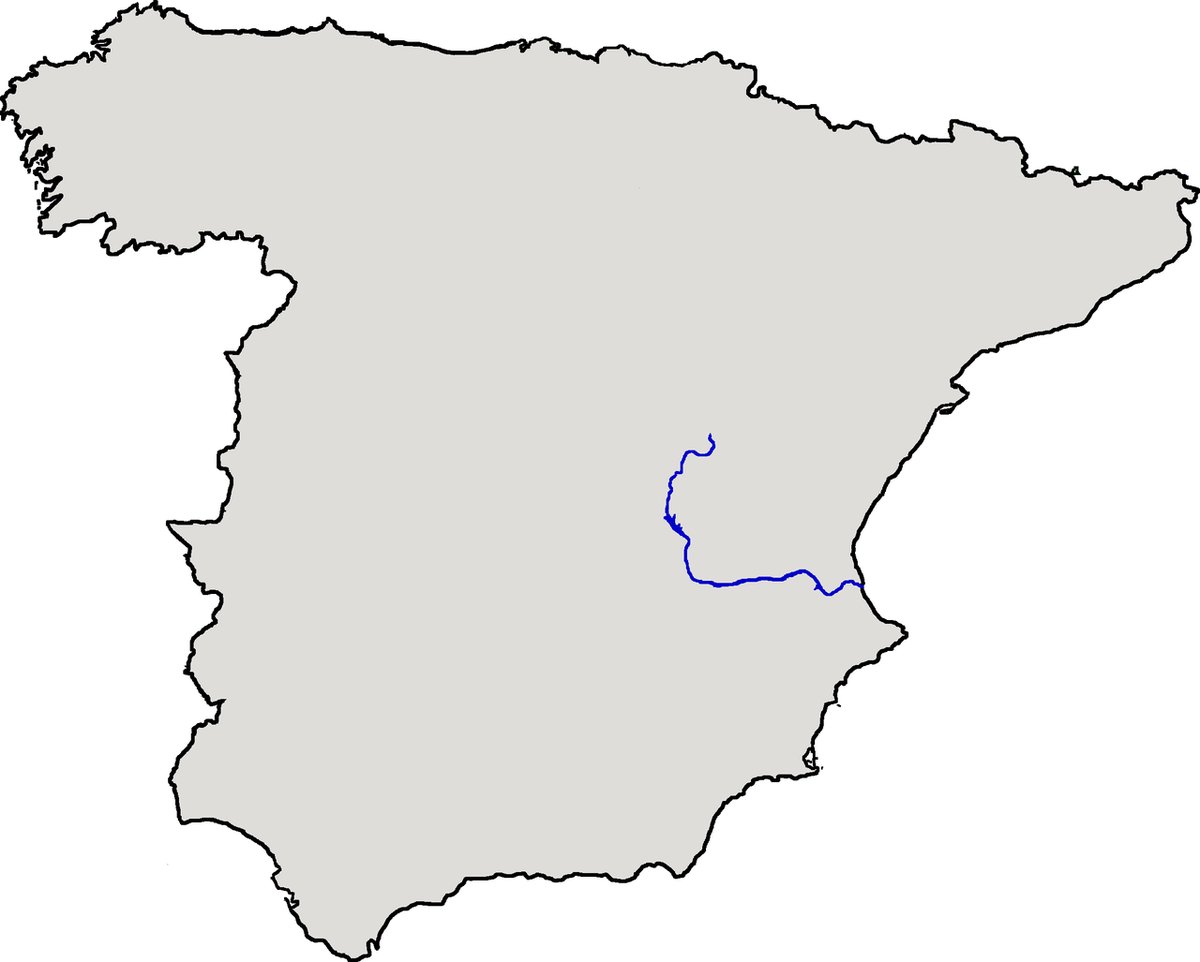
Llaurí sits in the Ribera Baixa, south of Valencia. It is most easily reached by car along local roads that pass through the huerta and citrus fields.
Spring is one of the most distinctive times to visit, when orange blossom fills the air with its scent. Autumn is also a good moment, as temperatures ease and agricultural activity becomes more visible again.
In the height of summer, midday heat can be intense. It is more comfortable to move around earlier in the day or later in the afternoon, when the light softens and the village returns to its slower pace.