Full Article
about Polinyà de Xúquer
Quiet village on the Júcar, birthplace of Joan Baptista Basset
Hide article Read full article
The smell of damp earth reaches you before the houses come into view. It rises from the irrigated fields, from the marjales of the Xúquer after a recent watering, from that humid air that hangs low over the crops before the sun gathers strength. Polinyà de Xúquer appears among orange groves and rice paddies without any sense of rush, as though the day always begins a little later here. Time is marked more by harvests than by the clock.
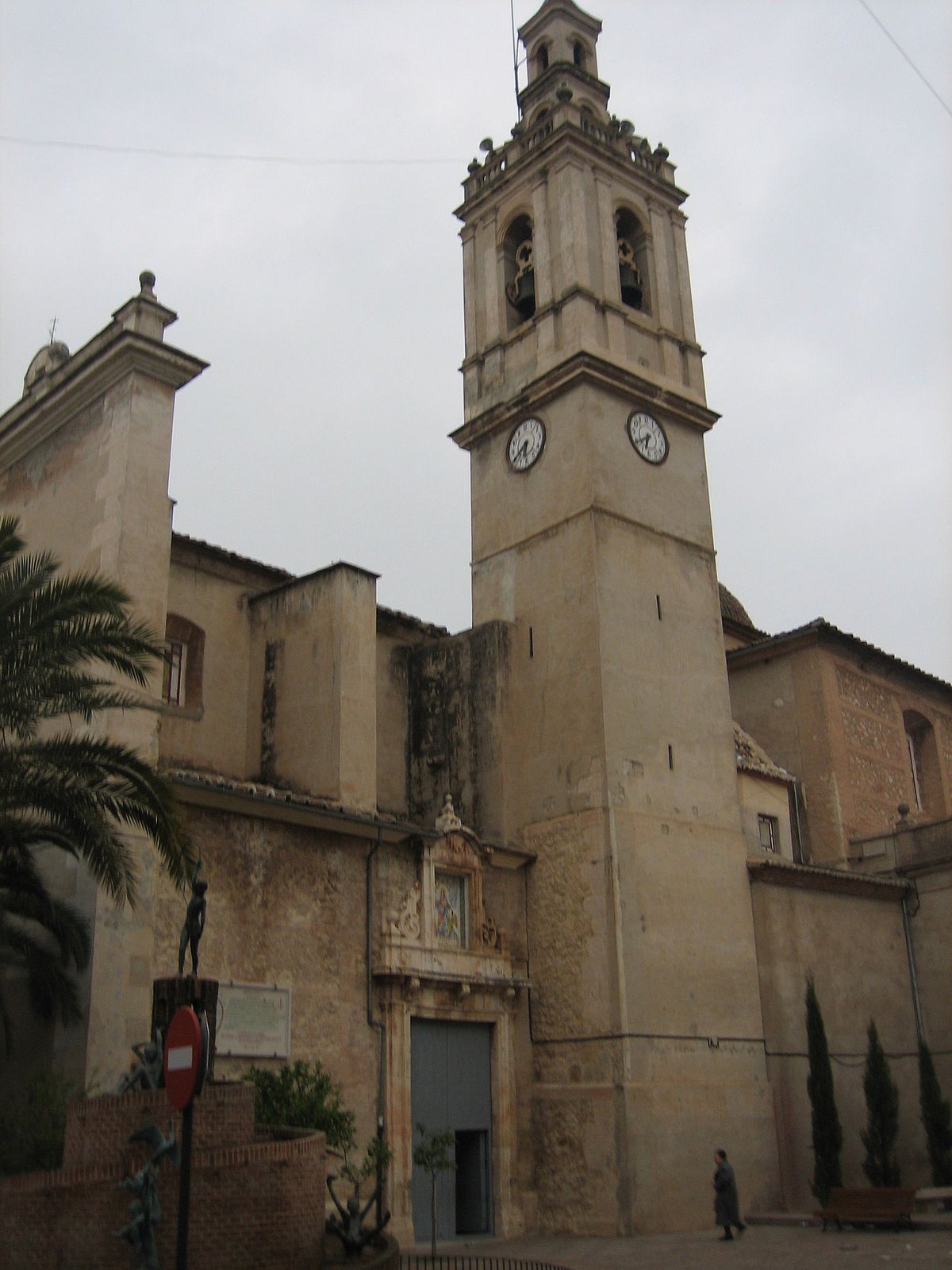
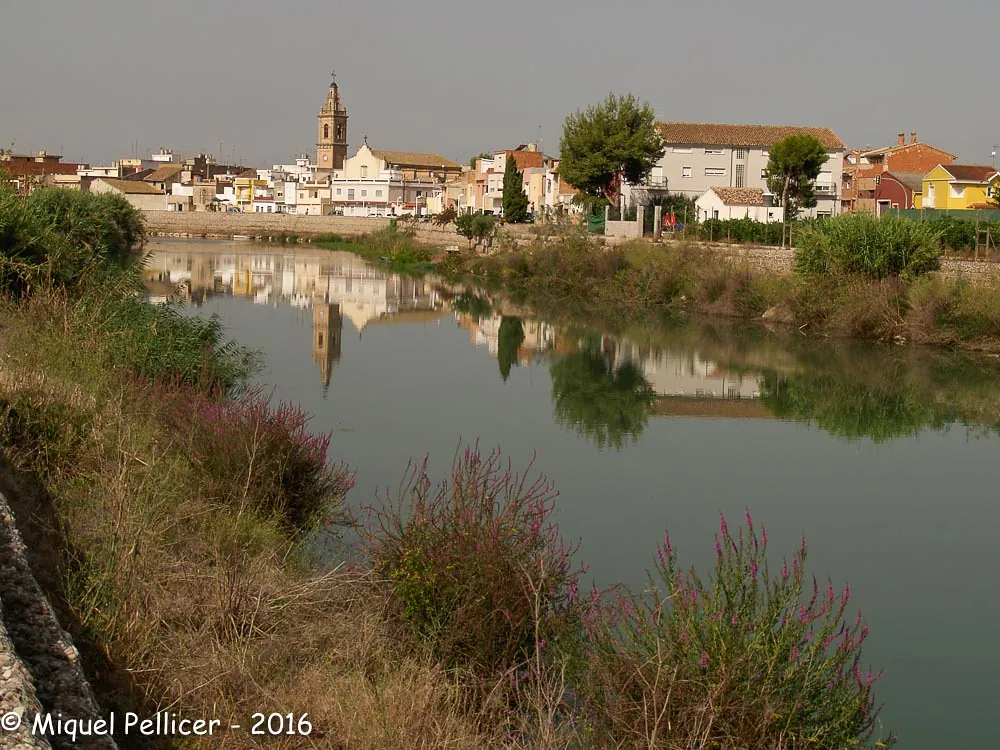
From the road, the bell tower of San Bartolomé is the first clear point of reference. It is not especially tall or ornate, yet it draws a neat line between the market gardens and the town centre. Beyond it lie narrow streets, low houses and wooden doorways bleached by years of sun. On some façades, old ceramic tiles still survive in a deep blue that is now difficult to find even in specialist workshops.
Where the Xúquer Curves
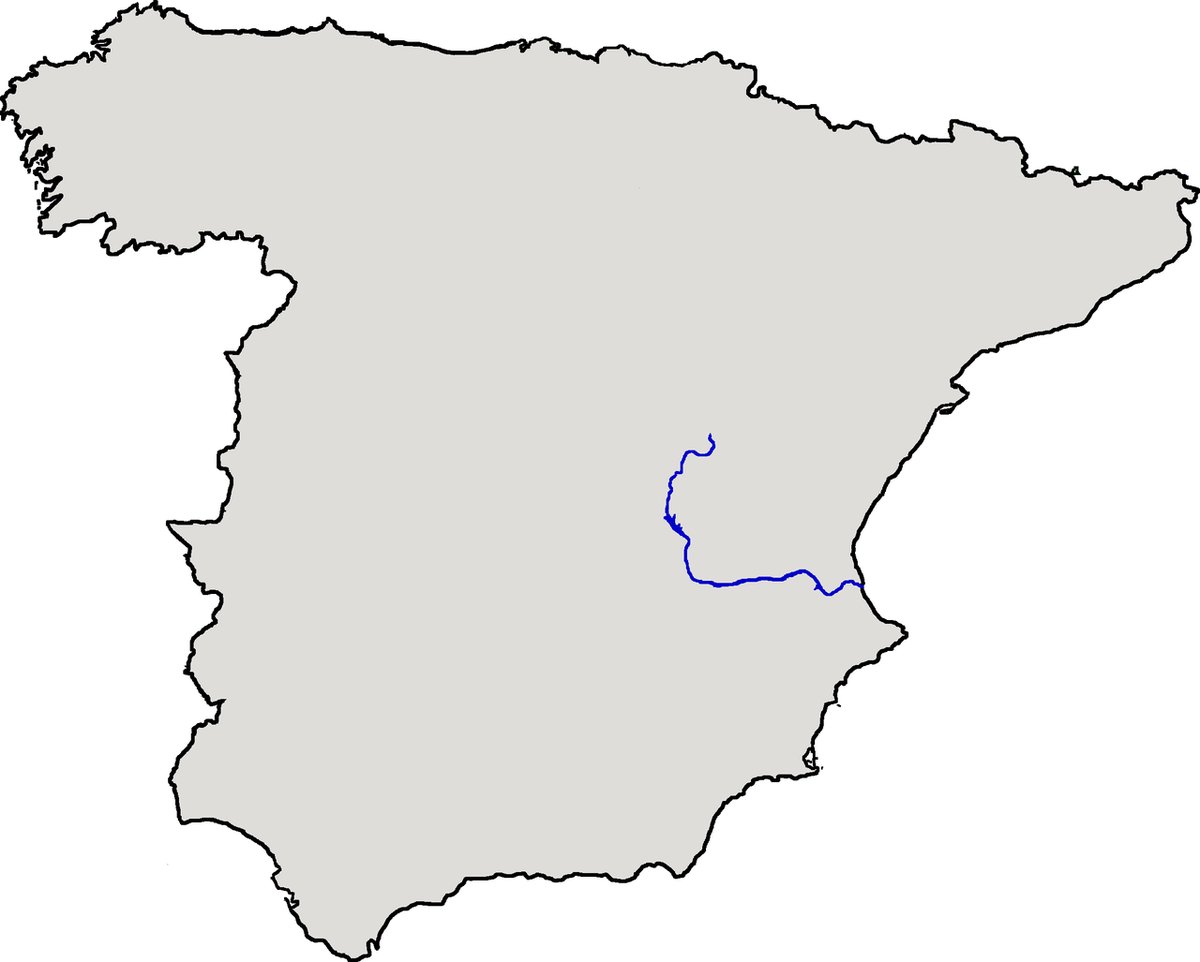
A short walk from the main square, the River Xúquer forms a broad meander around the town. The water moves slowly. Its sound shifts with the wind, sometimes a steady murmur, sometimes barely audible.
A modest riverside path begins here, following the line of former irrigation channels. The track is compacted earth. In several stretches, poplars and casuarinas provide enough shade even on clear days. When the easterly wind blows, the branches creak like old timber.
In autumn the water level often drops, revealing rounded stones along the riverbed. It is a good season for a walk. The air carries the scent of mud mixed with orange peel left behind in nearby fields. Arrive early, before the sun climbs too high, and it is still possible to spot a local resident fishing for eel in silence, seated beside the reeds.
Eel has formed part of the local economy for decades. On the outskirts of Polinyà de Xúquer there has long been a fish farm where they are raised in large tanks supplied with water from the same irrigation system that feeds the surrounding land.
Everyday Magic
For a town of this size, Polinyà de Xúquer holds an unusual museum dedicated to illusionism. It is linked to the magician Juan Galindo, who was born here.
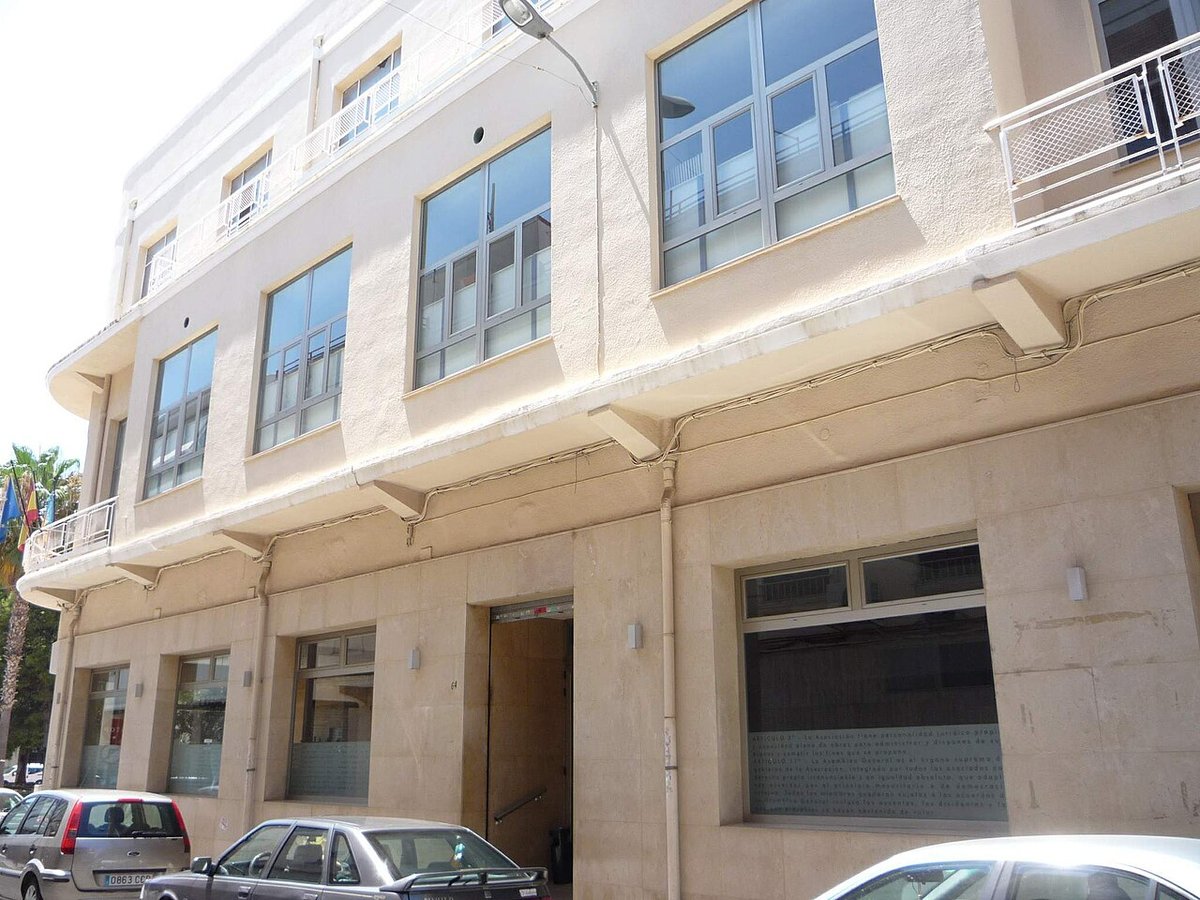
One wall displays a letter he wrote as a child, promising his mother that he would one day become a professional magician. The museum occupies a building that served for years as the local school. Former classrooms have been converted into exhibition rooms filled with magical apparatus, vintage posters and objects that seem to belong to a travelling theatre.
The visit is brief. There are double-bottomed boxes, worn decks of cards, and stage costumes with sequins that have lost much of their shine. Some tricks still deceive, even when you know there must be a mechanism hidden somewhere.
Step back outside into the bright afternoon light falling across white façades and, for a moment, the town feels like the quiet set of a performance that has yet to begin.
Up to the Muntanyeta dels Pins
On the edge of town rises the Muntanyeta dels Pins, a small hill rather than anything dramatic. It is covered with Aleppo pines and crossed by pale dirt paths that zigzag upwards between former fields.
The walk is short and manageable, though in summer it is wiser to go early in the day or towards evening. The pines release that familiar scent of warm resin on dry days.
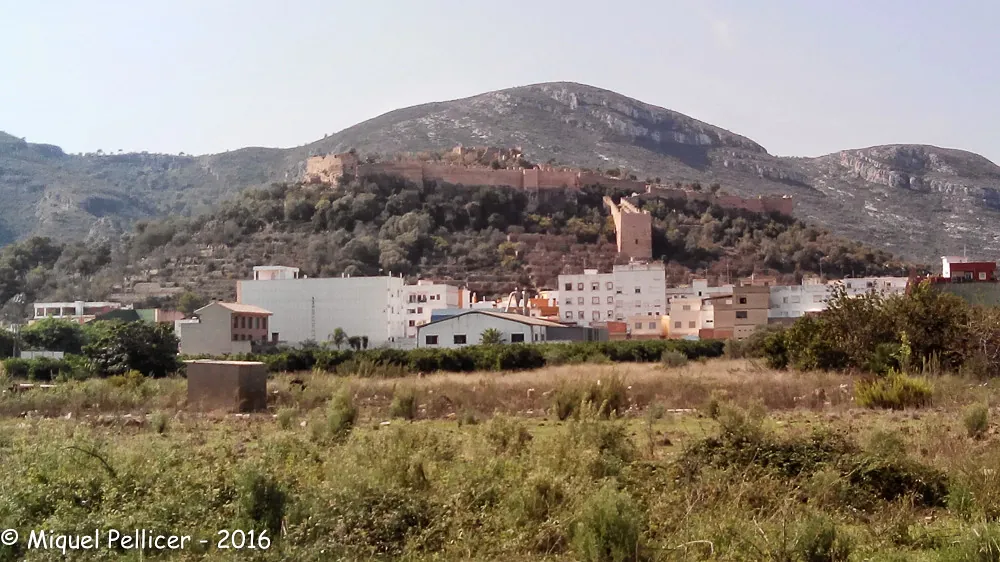
From the top, the layout of the area becomes clearer. The river loops around the town. Irrigation channels draw straight lines between plots. Agricultural tracks cut across the huerta as if sketched with care on a plan. On clear days, looking east, the outline of the castle of Cullera can be made out in the distance.
If heading up at sunset, take something warm even in mild months. A breeze from the valley often rises as the sun drops.
What Ends Up on the Table
In local bars it is common to find all i pebre de anguila, served in an earthenware dish. The name refers to garlic and paprika, two of its key ingredients, along with potato and eel. There is a gentle heat that arrives at the end of each spoonful.
Eel remains closely tied to the town. In spring a gastronomic festival is often held around this dish, with communal meals and, in some years, visits connected to the fish farm.
Other preparations typical of the Ribera area appear too. Coca de mollitas has a crisp base topped with fine breadcrumbs. When colder weather sets in, arroz al horno con cardo comes into its own, rice baked in the oven with cardoon, a thistle-like vegetable used in Valencian cooking. After the rice harvest in autumn, groups still cook brothy rice dishes outdoors on the edges of the fields.
Getting There and Choosing the Moment
Polinyà de Xúquer lies about 45 minutes by car from Valencia via the A‑7. It does not have its own railway station. The nearest is in Sueca, from where road transport connects to surrounding towns, though options are limited compared with travelling by car.
August brings a noticeable change in atmosphere. Many families who live in Valencia return here for the summer, and the increase in activity is felt in the streets. At other times of year, especially outside the main holiday period, the pace settles back into something quieter, in step with the fields and the river that curves around them.