Full Article
about Riola
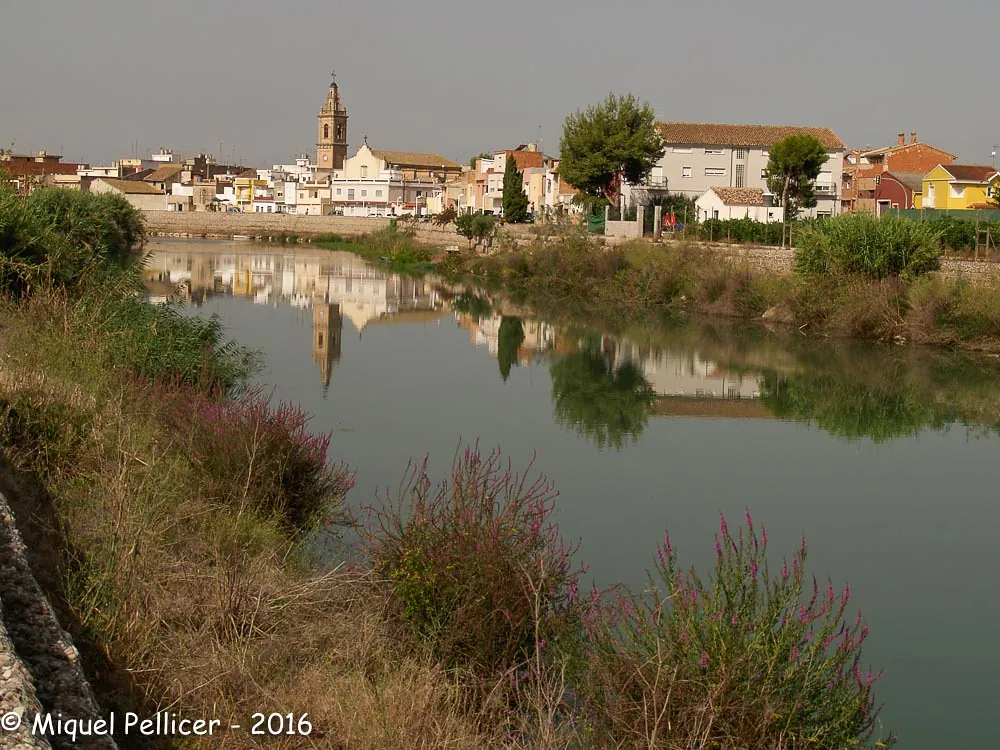
Quiet Júcar riverside village devoted to farming
Hide article Read full article
A place you pass, then start to notice
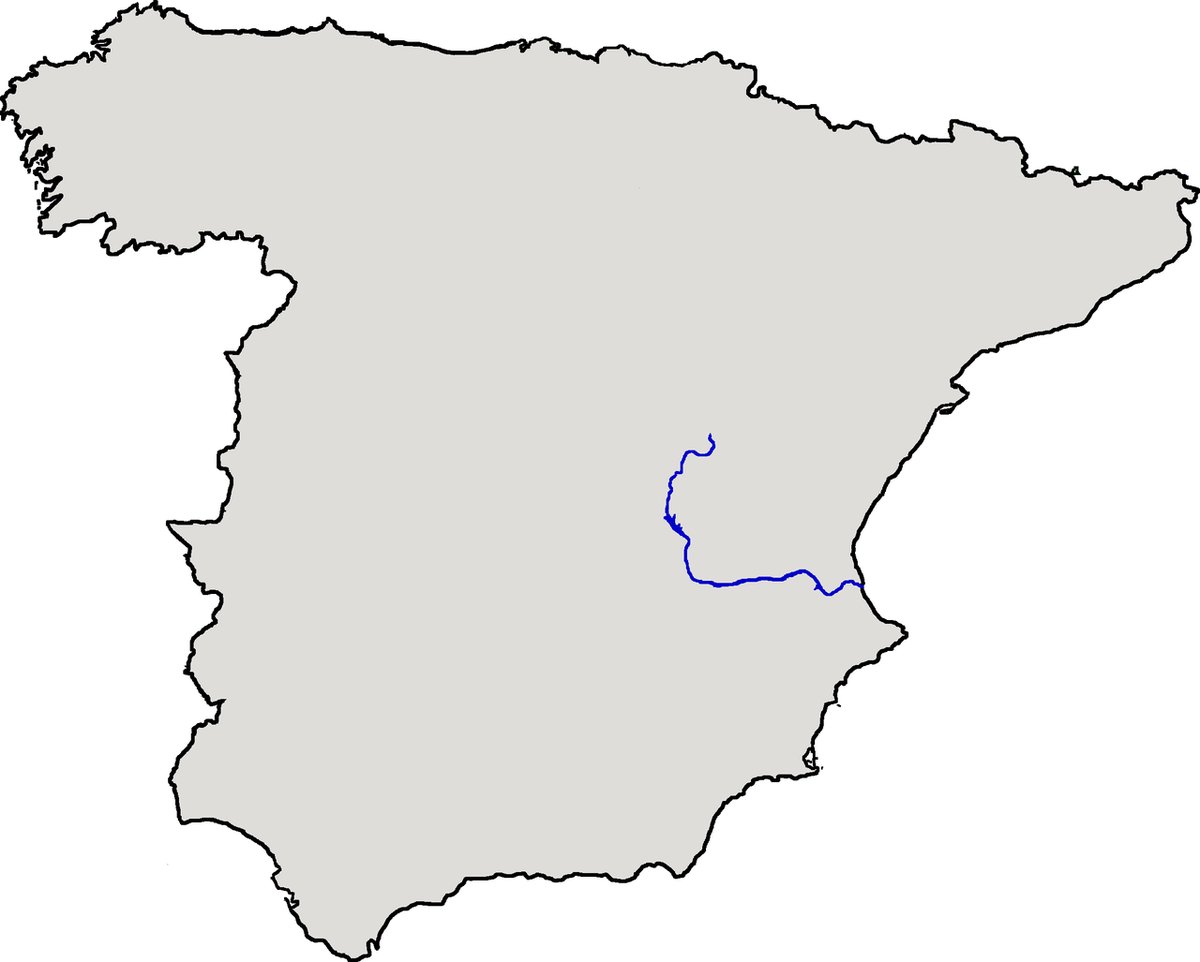
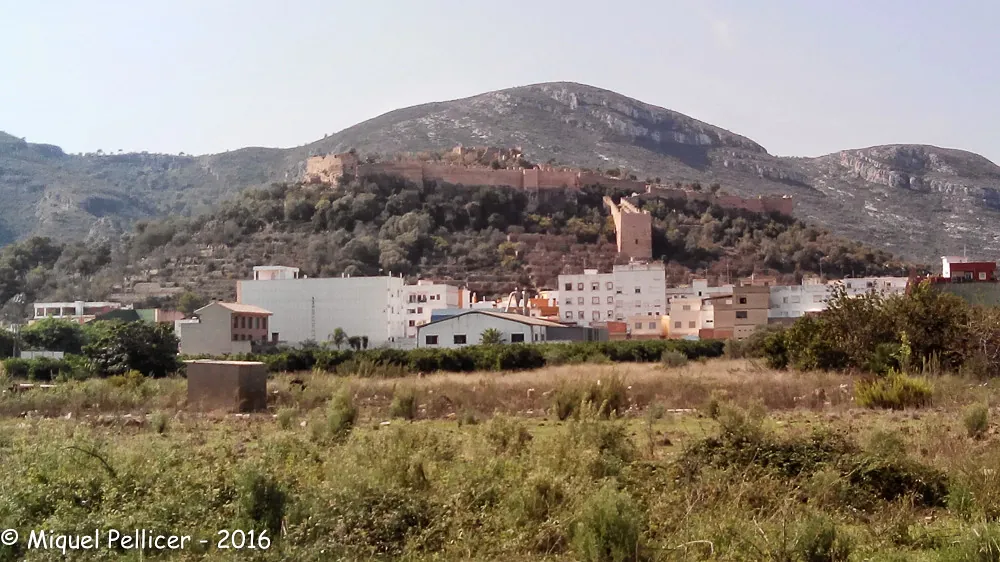
Riola often appears by accident. It sits in the Ribera Baixa, about 50 kilometres from Valencia, in a landscape where roads run between orange groves and irrigation channels. You might arrive on the way to somewhere else, without planning to stop. That is part of its character. It feels less like a destination and more like a place that quietly reveals itself if you slow down.
With fewer than 2,000 residents, Riola moves in step with its surroundings. The huerta, the rice fields and the seasonal rhythm of agriculture shape everyday life. Nothing here tries to draw attention. If anything, it does the opposite, and that is precisely what makes it worth understanding.
Between orange groves and rice fields
Riola does not aim to impress at first glance. Its appeal sits in ordinary details: calm streets, low houses, and that stillness in mid-afternoon broken only by the occasional car or a conversation from a doorway.
Walking works best without much of a plan. Streets such as avenida de la Generalitat gather a fair amount of local life, while older buildings appear now and then. Some are scattered alquerías, traditional rural houses tied to farming, reminders of how closely the town has always depended on the land.
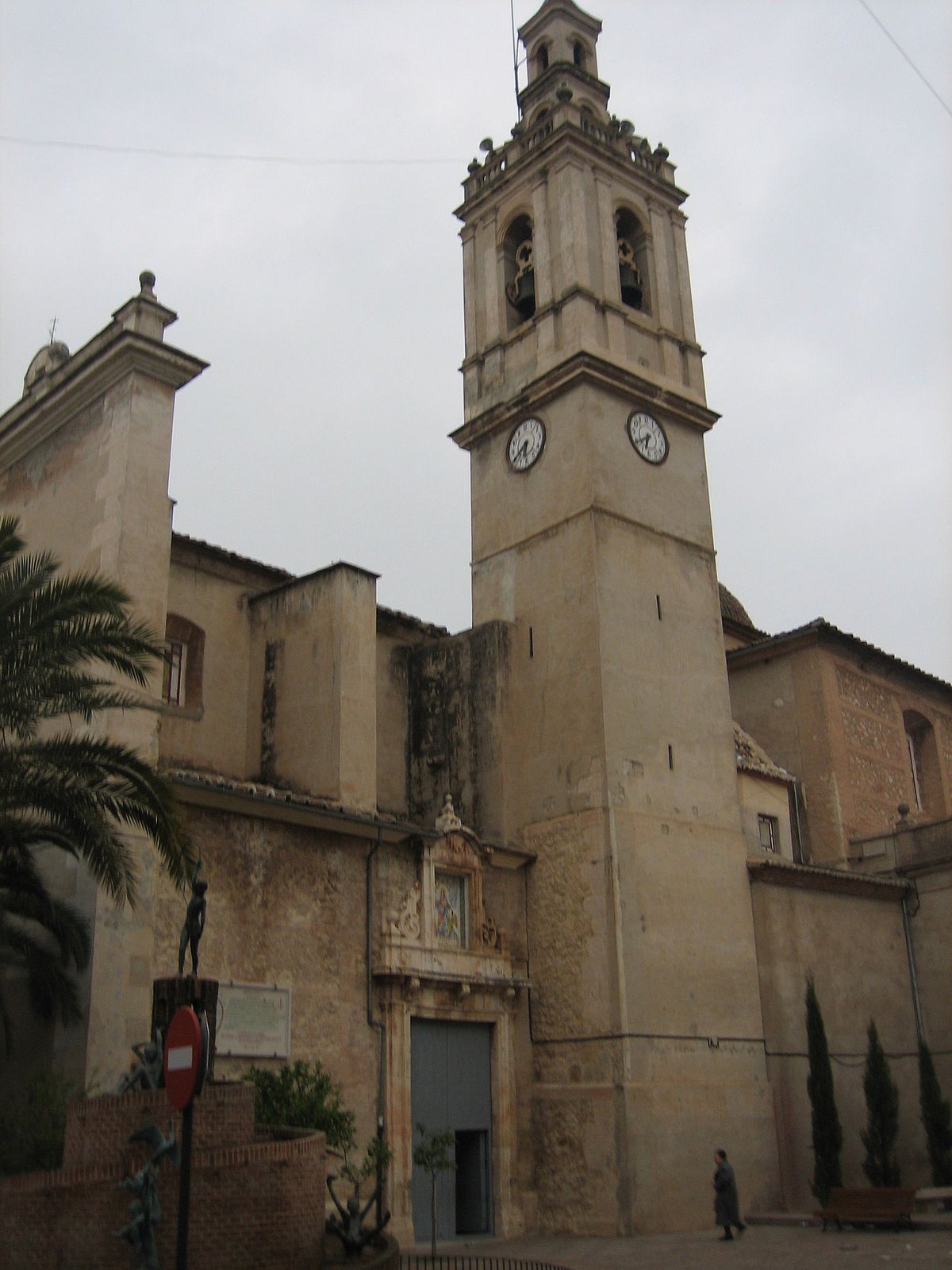
The iglesia de Santa María la Mayor is usually mentioned when talking about local heritage. Its origins go back centuries. It follows the model of many churches built in agricultural communities over time: not especially ornate, but solid, with the sense of a building that has watched generations come and go.
Easy walks through working land
The more interesting side of Riola begins just beyond the town centre. Agricultural paths spread out in straight, simple lines, easy to follow without needing a map or much planning.
It is the sort of place where a casual walk turns into several kilometres without much effort. Paths between orange trees and cultivated plots invite you to keep going, whether on foot or by bike, while everyday farming continues around you.
The landscape shifts noticeably with the seasons. Rice fields, for instance, change from dry earth to wide sheets of water when they are flooded. Orange trees bring their own transformation, especially when fruit is in season and the air carries that familiar citrus scent associated with winter in the Valencian region.
From these paths it is easy to link up with nearby towns in the Ribera Baixa. There is no major signposted route or headline trail, but for a relaxed cycle or walk, the network of tracks works well enough.
Food shaped by what grows nearby
In this part of Valencia, food conversations tend to lead straight to rice. The fields are right there, and that proximity shows in the cooking.
Traditional dishes such as all i pebre, closely linked to the Albufera and made with eel, remain part of the local repertoire. Alongside it come different rice dishes prepared with ingredients from nearby fields. The approach is straightforward, rooted in home cooking rather than anything elaborate.
Autumn brings citrus to the forefront. The land around Riola fills with oranges ready for harvest, and activity increases in agricultural warehouses. In small shops and local markets, it is still common to find fruit and vegetables that come almost directly from the surrounding area.
Traditions tied to the agricultural calendar
Festivities in Riola stay closely connected to local life. The patron saint celebrations dedicated to Santa María la Mayor usually take place in summer. During those days, the pace changes and the streets fill with residents.
March brings the Fallas, the well-known Valencian festival involving large sculptural monuments that are eventually burned. In Riola, the atmosphere differs from that of Valencia city. There are fewer crowds and more direct involvement from neighbours, creating a setting where participation matters more than spectacle.
Throughout the year, smaller events also appear, often linked to local agricultural products. The orange tends to feature again and again. These gatherings remain modest in scale and closely tied to everyday routines.
More pause than destination
Riola is not the kind of place people travel long distances to tick off a list of sights. It works better in another way.
If you are already exploring the Ribera Baixa, stopping for a while makes sense. Walking through the huerta, seeing how a small town organises itself around farming, and noticing how the agricultural landscape shapes daily life all help to make sense of this part of southern Valencia.
It is a simple plan. Yet after too many kilometres on the road, simplicity can be exactly what you are looking for.