Full Article
about Sollana
Rice-growing town by the Albufera with the Tancat de Milia area
Hide article Read full article
Where water sets the scene
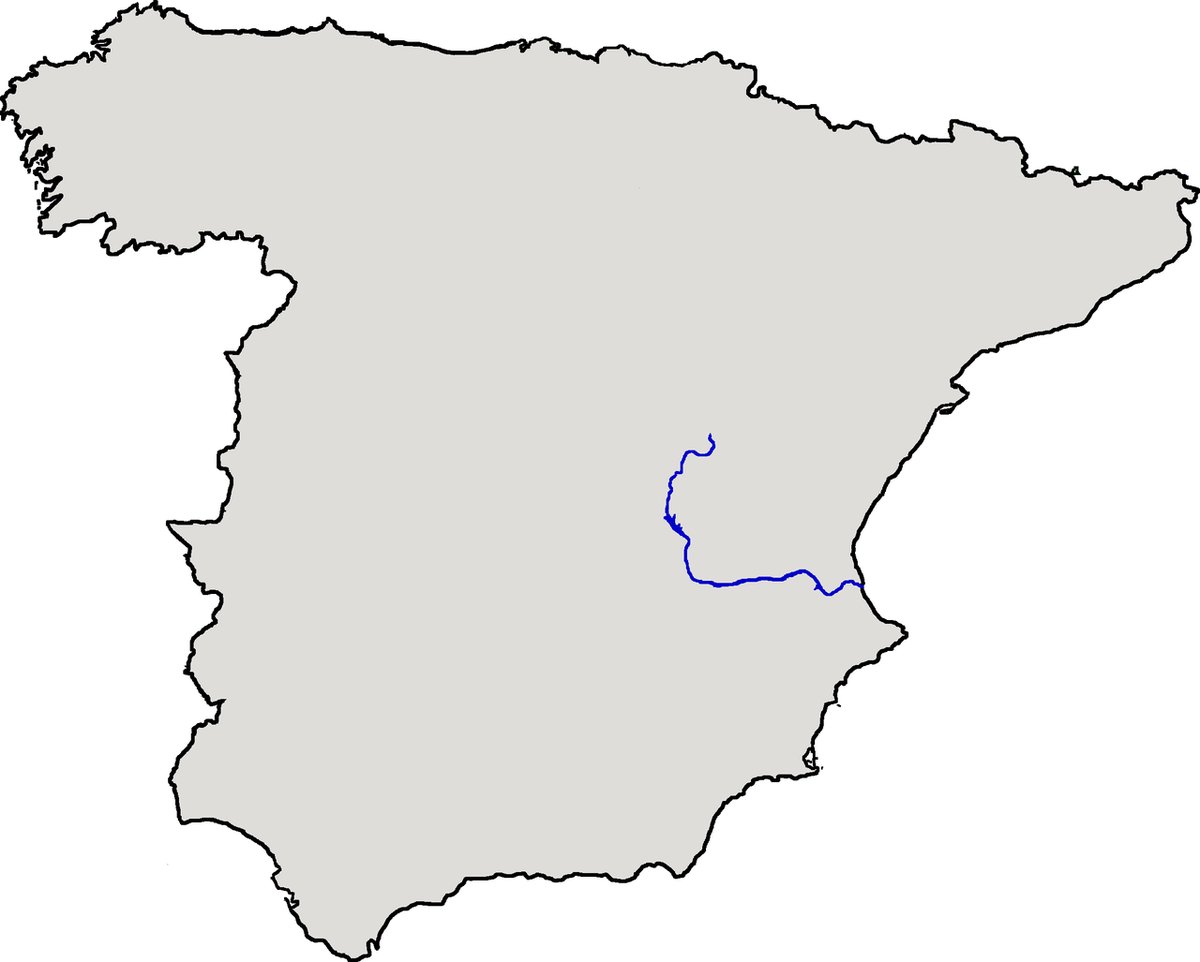
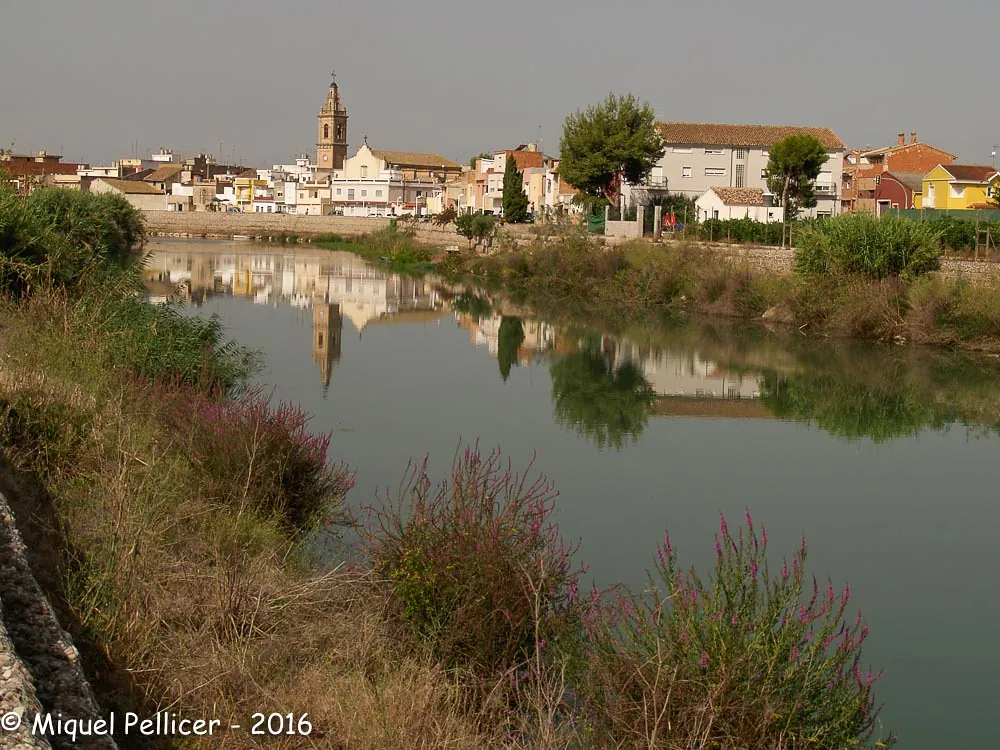
Tourism in Sollana makes most sense when it begins with water. The town sits in the Ribera Baixa, very close to the Albufera, in a landscape that for centuries was marshland. The presence of the Acequia Real del Xúquer, one of the major historic irrigation systems of the Valencian plain, explains why rice fields, market gardens and orange groves now occupy land that was once largely saline.
This canal began to take shape after the Christian conquest in the 13th century, and it still defines both the scenery and much of the agricultural life today. Early in the morning, when mist hangs low over the rice fields, the sound of moving water is constant. That detail matters. For generations it set irrigation schedules and, in practical terms, the rhythm of the local economy.
A town arranged by canals
The layout of Sollana is closely tied to this network of irrigation channels. The historic centre grew alongside the main canals, and many streets still follow their direction. They are straight and largely flat, lined with low houses that face towards the surrounding farmland. In this part of the Ribera, domestic architecture has always leaned towards function: wide doorways, interior courtyards used for agricultural work, and simple façades.
The Acequia Real del Xúquer irrigates a large area across the Ribera and remains essential for growing both rice and citrus fruits. Water distribution still follows traditional irrigation rules that, with some variations, have been in place for centuries.
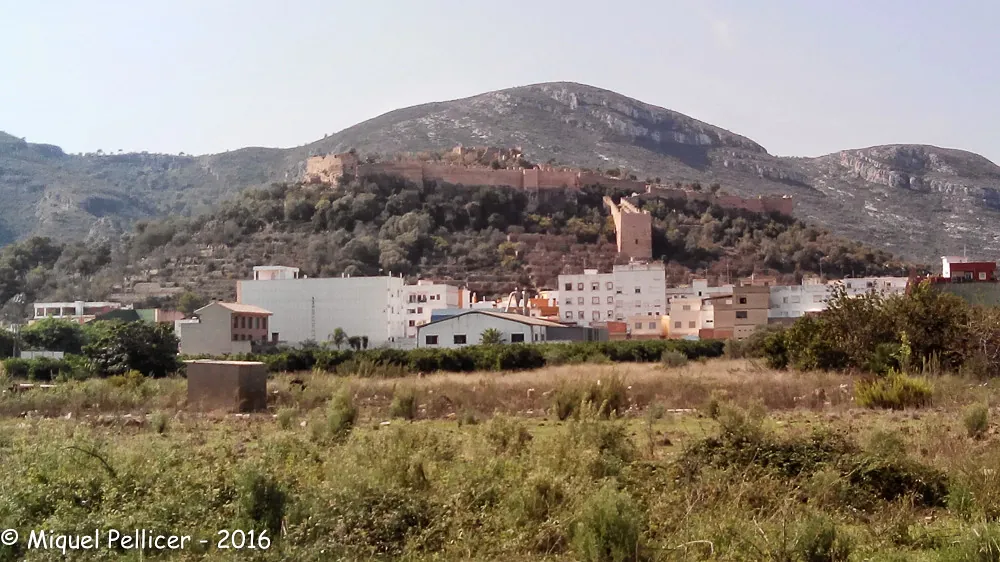
Close to this hydraulic framework stands the tower-castle, usually described as the oldest feature in the municipality. Its exact origins are not fully clear, though it is linked to medieval defensive structures associated with controlling agricultural land and the routes leading towards the Albufera.
Traces of earlier settlements
Several kilometres from the town centre stands the Torre de Trullás. This is an isolated, cylindrical and very plain structure, connected to a former Islamic-era settlement that disappeared over time. What remains today is the tower itself, rising from the middle of a landscape dominated by rice fields.
The route to reach it passes through agricultural plots and smaller irrigation channels. It is a familiar path for those who cycle through this part of the Ribera. In winter, when the fields are flooded, the land becomes a wide sheet of water, and the tower appears almost like an island.
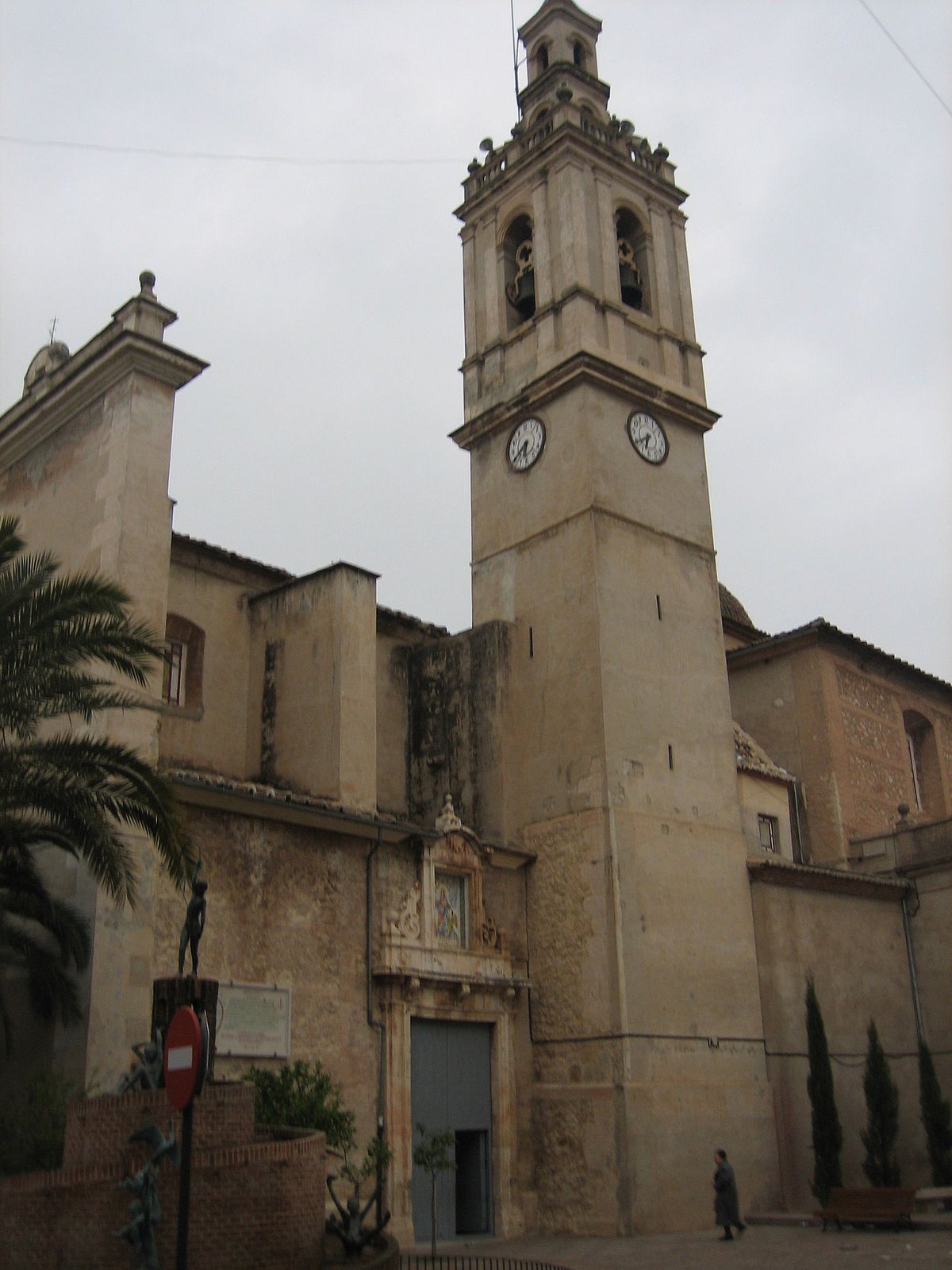
Within Sollana, the Iglesia del Raval occupies the site of a former Mercedarian convent that disappeared in the 19th century following the processes of confiscation and redistribution of church property. The entrance preserves Renaissance features, and the building retains the presence typical of churches in historic neighbourhoods.
This church is also linked to a well-known Valencian saying: “tens més tecles que l’orgue de Sollana”. It refers to someone who talks too much. The organ mentioned in the phrase no longer exists, but the expression is still heard in the surrounding area.
Festivities tied to the land
As in many towns in the Ribera Baixa, the local calendar is closely connected to agriculture. In autumn, fairs and events are often organised around produce from the orchards and citrus groves, at the point when the harvest begins to shape daily life in the streets.
The main religious celebration is dedicated to Santa María Magdalena in July. During these days, traditional Valencian music returns to the centre of town, with instruments such as the dulzaina, a type of shawm, and the tabal, a drum. Processions move through the streets of the historic centre, reinforcing the link between community life and long-standing customs.
Exploring Sollana and its surroundings
Sollana lies a short distance from València and can be reached بسهولة by road. There are also public transport connections with the city and with other towns in the Ribera, making it an accessible stop within the region.
The town itself can be explored easily on foot. The places that tend to draw attention are close to one another: the tower-castle, the Iglesia del Raval, and several elements connected to the historic irrigation system, including wells and traditional channels.
With more time, it is worth following some of the paths that lead out towards the marshland and rice fields. These routes are flat and frequently used by cyclists. They offer a clear sense of how water and agriculture have shaped the landscape of Sollana over time.
In spring, when the orange trees are in blossom, the air carries the scent of azahar mixed with the dampness of the marsh. It is a combination that defines this part of the Ribera and ties together the natural setting with the agricultural traditions that continue to organise life in Sollana.