Full Article
about Casas Bajas
Turia-side municipality in El Rincón de Ademuz with an old flour mill
Hide article Read full article
Arriving and Parking
Tourism in Casas Bajas is straightforward. You arrive, park the car and within five minutes you are walking through the village. There is no traffic to negotiate and no maze of streets to work out.
Most visitors come via the A‑23, then follow regional roads towards Ademuz. The final stretch has a few bends, which is typical for this part of inland Valencia. The landscape becomes more rural as you approach, and by the time you reach the village, things feel distinctly quiet.
There is space to leave the car at the entrance to the village. On weekdays and early in the day, there is usually plenty of room. In summer there may be a little more movement, but Casas Bajas remains a small place with just over a hundred residents.
A Small Village Centre
Casas Bajas does not revolve around major monuments or a historic quarter that demands a map. It is compact and can be covered quickly on foot.
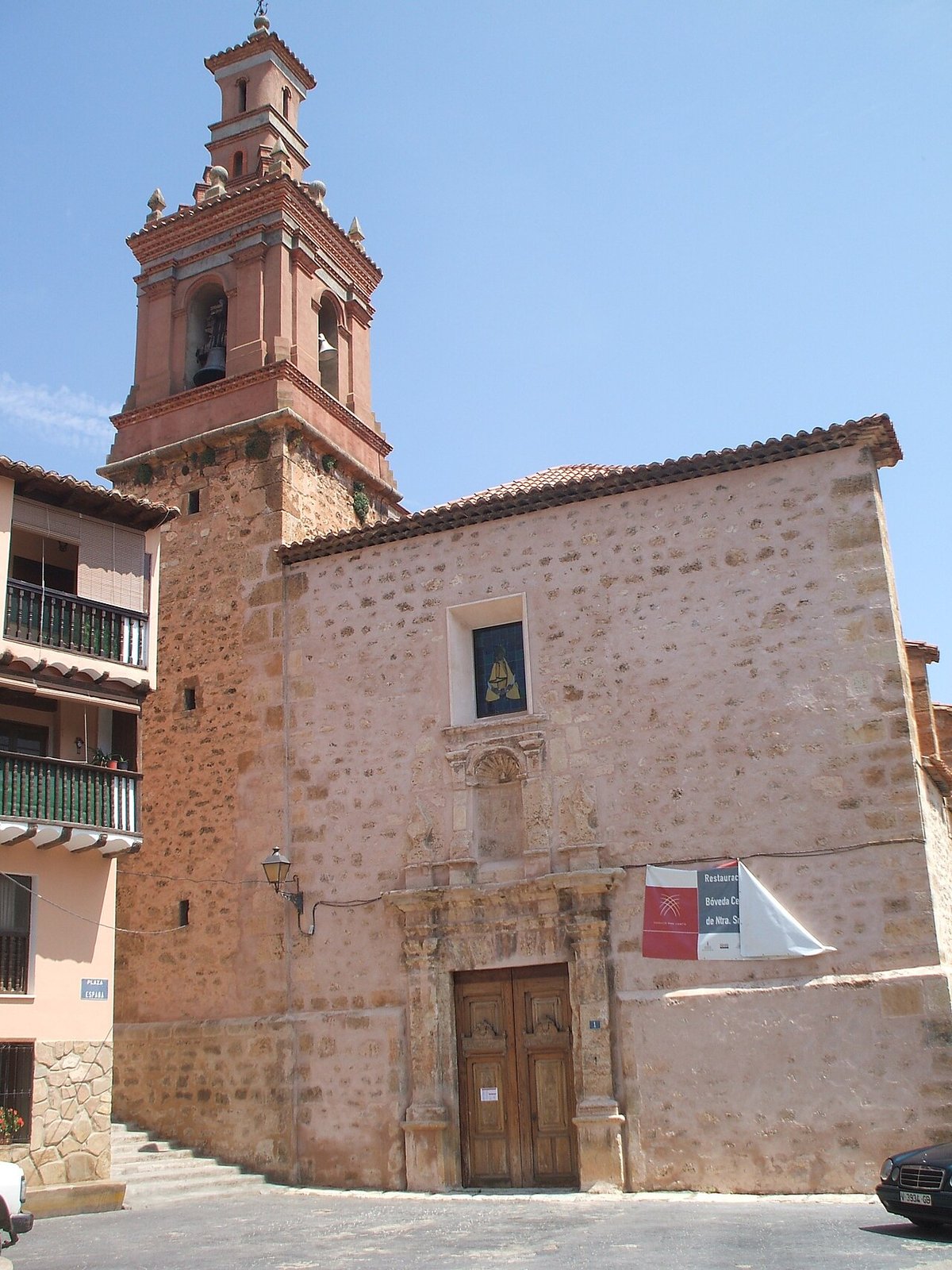
The main square holds almost everything of note. Here stands the Iglesia del Salvador, built in the mid‑20th century. The building is simple in appearance. Inside, the altar preserves some older elements, a reminder that even relatively recent churches can incorporate pieces from earlier periods.
A few steps away is the town hall. It is a functional building with little history attached to it. Around the square and along the nearby streets you will see houses built of stone and tapia, a traditional mixture of earth and lime. The windows are small. Winters here are cold, and local architecture leans towards practicality rather than decoration.
With so few residents, daily life moves at a steady pace. There are no grand attractions to tick off. The appeal lies in observing how a small inland village in the Rincón de Ademuz continues to function much as it has for decades.
The Turia Valley and Rural Paths
The most interesting part of Casas Bajas lies just beyond the last houses. The village sits beside the valley of the Turia river. Around it stretch small vegetable plots and orchards, crossed by acequias, traditional irrigation channels that still carry water to the fields.
These huertas form a green belt around the settlement, especially noticeable in spring. Higher up, pine forests and holm oaks take over. The hills are calm and largely undisturbed, suited to walking without needing specialist equipment or detailed route planning.
Do not expect signposted trails with panels and marked distances. What you will find are rural tracks linking Casas Bajas with other villages in the Rincón de Ademuz. Some local residents use them to move between fields or to reach nearby places such as Santa Cruz de Moya or Benagéber. For visitors, they offer a way to explore the landscape at an unhurried pace.
The scenery changes with the seasons. In spring the valley appears greener, the fields and riverbanks showing fresh growth. By autumn the tones are drier and more muted. The difference between seasons is noticeable, even though the basic outline of hills and farmland remains the same.
Birdwatchers may want to bring binoculars. The species here are the common birds of Mediterranean woodland. Nothing especially rare is expected, yet the quiet surroundings make it easier to observe them. With little traffic and few people on the paths, there are long stretches where the only sounds are wind in the trees or water moving through the acequias.
Simple Mountain Cooking
Casas Bajas is not a gastronomic destination, and there is no broad range of places to eat or shop. Food in this area follows the logic of an inland mountain setting.
Lamb or kid goat roasted in the oven appears on special occasions. In autumn, if the year has been wet, mushrooms begin to show in the surrounding countryside. These seasonal rhythms still shape what ends up on the table.
Everyday produce tends to be straightforward: potatoes, honey and dried figs. In summer, some local beekeepers sell honey from the area. The emphasis is on basic pantry ingredients rather than elaborate dishes.
Even without a large food scene, it is easy to see how rural life continues to influence what people eat. Small kitchen gardens, neighbours cultivating for their own households and a generally slow pace all form part of the picture. For anyone curious about daily life in the Spanish interior, simply looking around the edges of the village reveals as much as any menu could.
When to Visit Casas Bajas
Spring and autumn are usually the most comfortable times to come. In spring the Turia valley looks greener, with cultivated plots and surrounding hills showing new growth. Autumn brings a drier landscape, yet the seasonal shift gives the area a different character.
Summer can be hot, especially at midday. The heat presses down in the early afternoon, which makes morning and late afternoon more pleasant for walking. Winter often brings frost. The small windows and solid walls of the houses make sense once temperatures drop.
For photography, early starts are worthwhile. The light enters at a low angle over the façades and across the valley. Later in the day, the atmosphere returns to its usual calm. There is little in the way of organised entertainment or structured activities. The plan here is simple: take a short walk, observe the fields and hills, then continue the journey through the Rincón de Ademuz.
Casas Bajas suits travellers who appreciate understatement. It offers a brief pause in the Turia valley, a place where parking is easy, distances are short and the surrounding countryside provides the main reason to stop.