Full Article
about Ador
Quiet town ringed by orange groves in the Safor region, with nearby hiking trails.
Ocultar artículo Leer artículo completo
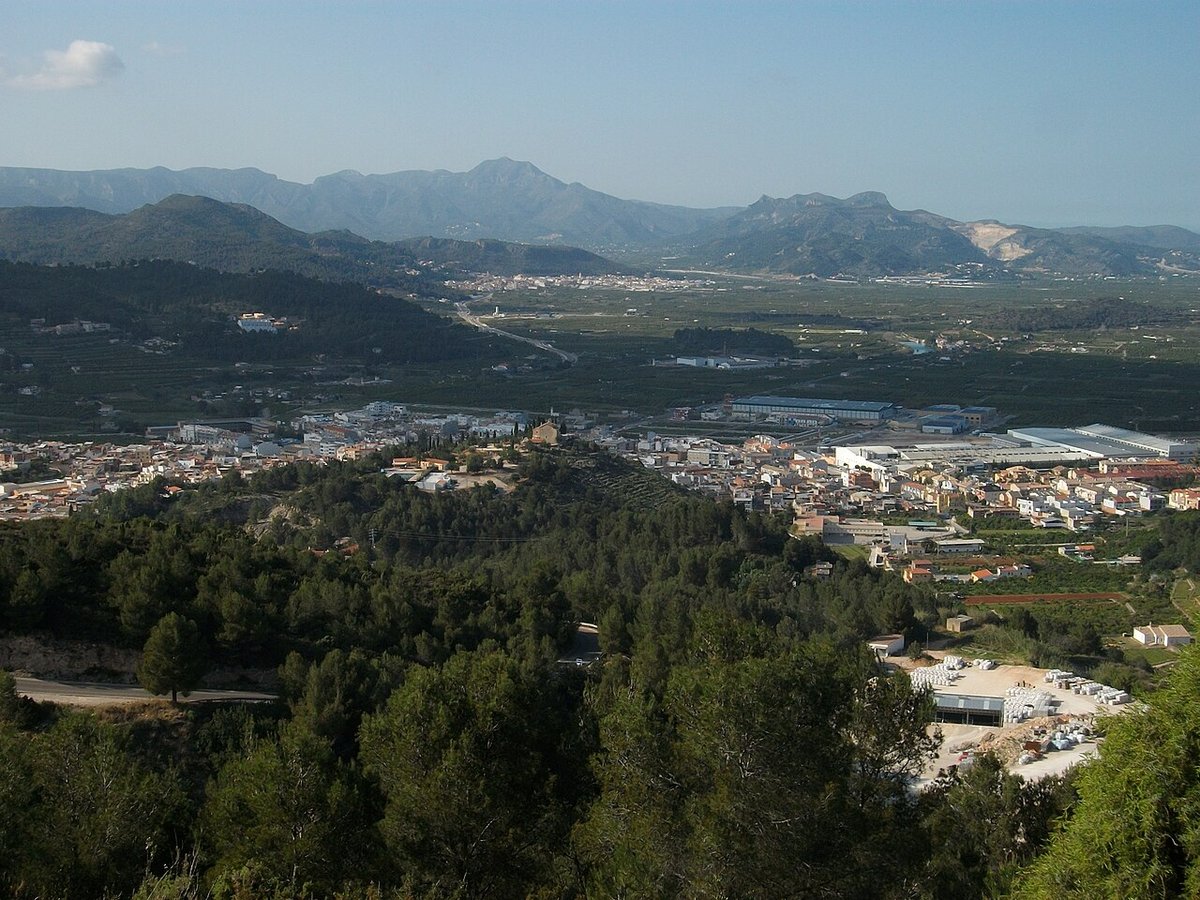
The scent hits before the village proper begins. Park on the final approach road in late March and step out: the air is thick with azahar, the blossom that turns Ador’s surrounding acres into natural perfume diffusers. It’s a cheaper thrill than any coastal panorama, and it lasts roughly six weeks—unless a spring storm strips the trees overnight, which happens every couple of years.
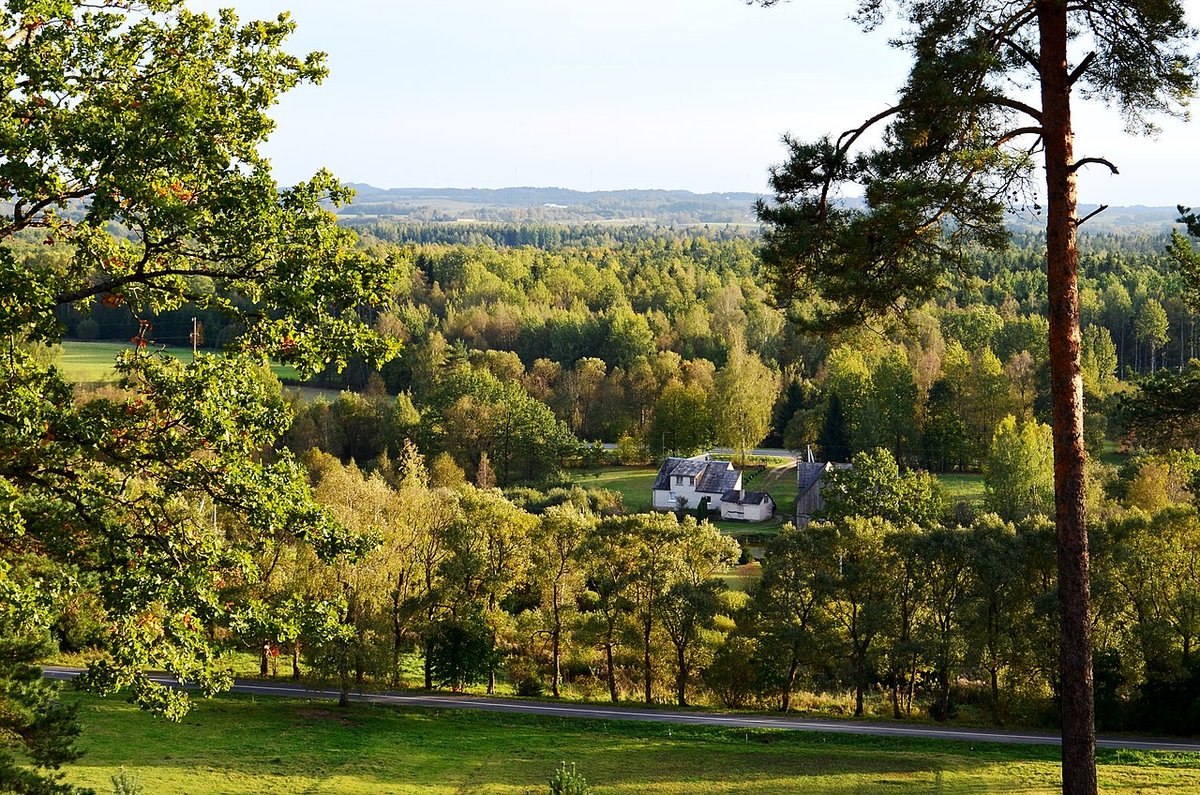
Ador sits 7 km inland from Gandía’s long beach, elevation 55 m, high enough to escape the worst coastal humidity but too low for mountain breezes. The compromise shows in the crops: oranges and mandarins rather than the almond and olive terraces you’ll find further west. The grid of dirt lanes between the groves is flat, shaded and mercifully short on dog-walkers wearing GoPros; if you want a 5-km loop, follow the acequia north-east past the Font de l’Alberca spring and turn back when the tarmac ends. Serious hikers will be underwhelmed—head for the Mondúver massif 20 minutes away instead.
What the village actually looks like
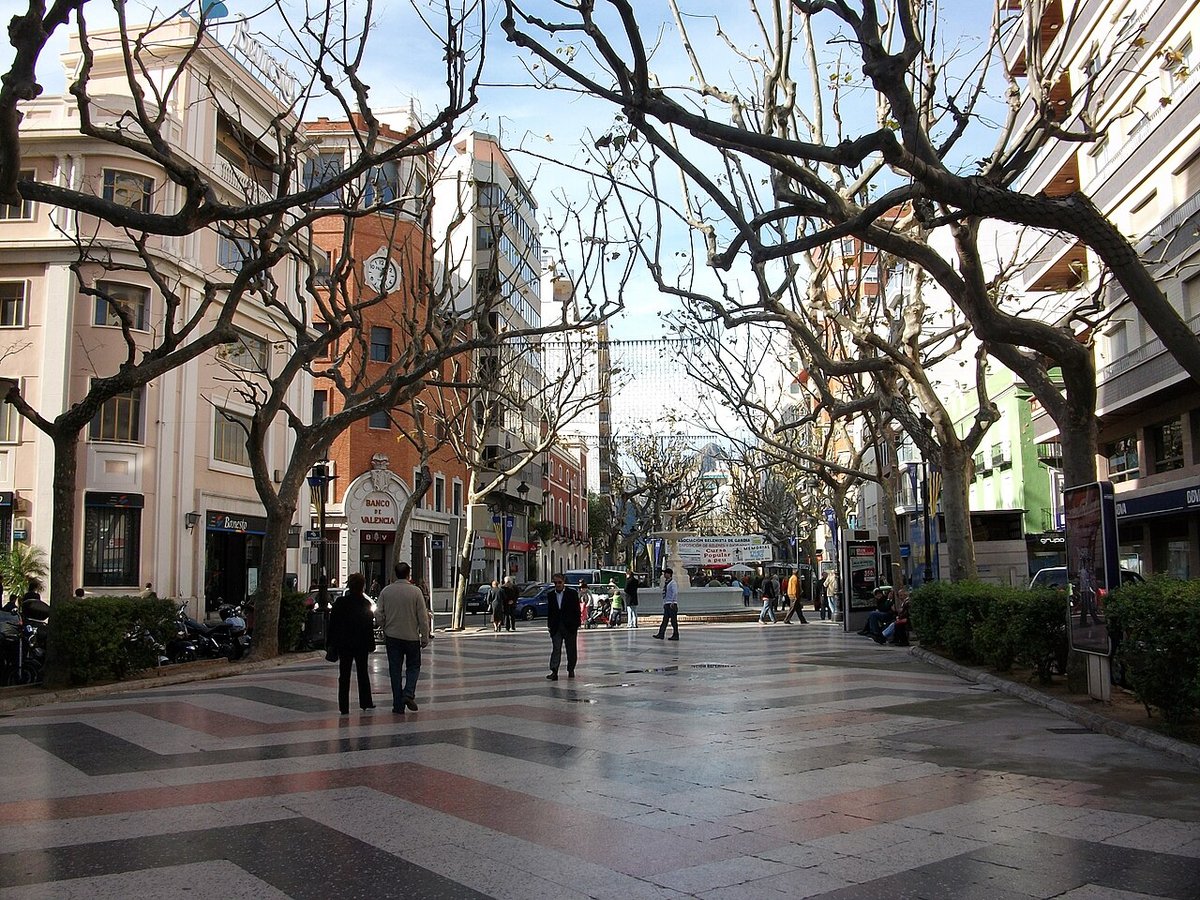
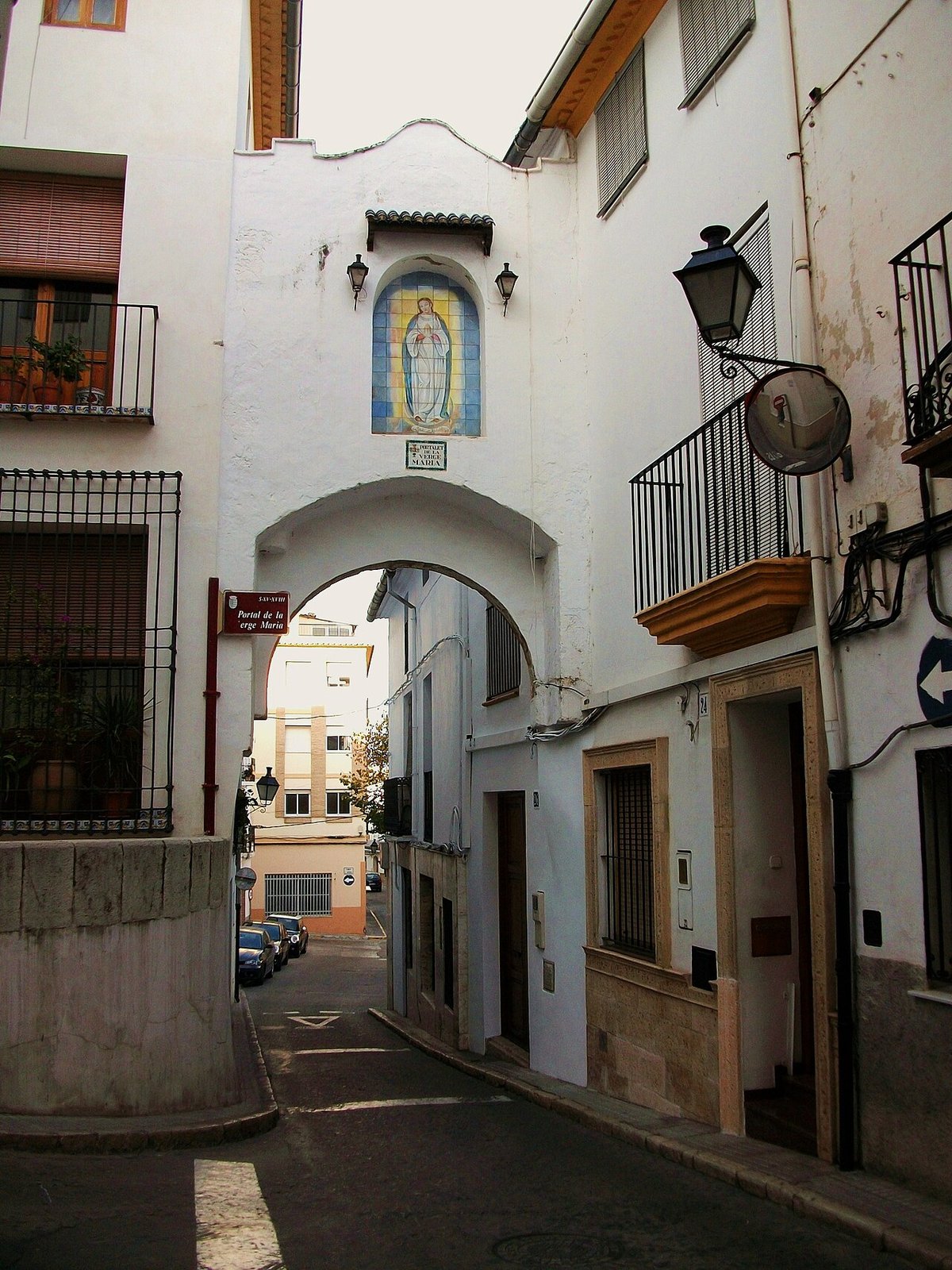
Expect rendered walls in various stages of sun-peel, satellite dishes and the occasional half-finished new build squeezed between 18th-century façades. The centre is a compact chessboard of six streets; you can walk every one in fifteen minutes. The only vertical punctuation is the neoclassical tower of the parish church, San Pedro Apóstol, rebuilt after the 1755 Lisbon earthquake shook half the roof loose. Inside, the retablo mayor is gilded in the slightly frantic style the Valencians never quite abandoned; opening hours depend on whether the sacristan is in the café, so morning visits are safer. Outside, the Plaza Mayor functions as outdoor living room: metal chairs scrape at 07:30 when the first coffee is served, scrape again at 22:00 when the last brandy disappears. There is no postcard-perfect fountain, just a practical concrete stage used for the Saturday market—six stalls selling cheap bras, knock-off football shirts and local citrus that costs €2 a bag if you haggle politely.
Eating (and drinking) like someone’s aunt is watching
Forget tasting menus. The single restaurant on Carrer Major does a three-course menú del día for €14 including wine; the rice arrives yellow from saffron or black from cuttlefish ink depending on the day, and pudding is usually arroz con leche thick enough to support a spoon vertically. Two bars serve tapas: one offers esgarraet (salt-cod and roasted-pepper salad) on request, the other plates whatever the owner’s mother has cooked—rabbit with garlic if you’re lucky, tinned asparagus tortilla if you’re not. Sweet oranges turn up in everything; ask for postre de taronja and you’ll get chilled segments drizzled with honey and cinnamon. Sunday lunch is noisy because half of Gandía drives over: reserve or arrive before 14:00.
Timing your visit (and knowing when not to)
Spring is the money season: blossom, 22 °C afternoons, and the Moors & Christians parade at Corpus Christi (late May/early June) when locals in faux-medieval costume fire muskets loaded with blank powder that still leave your ears ringing. Summer means still air and 35 °C; accommodation is scarce because every family with a cousin in Ador descends for August. Winter is mild—10 °C at dawn—but sea mist can sit for days, turning the groves into a damp tunnel. Autumn gives you the harvest, heavy fruit scent and the annual mostra de cervesa artesana craft-beer fair, held in the multi-purpose sports hall that smells faintly of floor wax and orange peel.
Getting here without the car (and why you might regret it)
From London it’s Valencia airport, then metro to Estació del Nord, train to Gandía (1 hr 10 min, €6.40), and ALSA bus 112 to Ador (25 min, €1.85). The last bus back leaves at 19:55; miss it and a taxi is €18. Hire cars collect from €30 a day in Valencia and slash the journey to under an hour via the AP-7 toll (€8.55). Parking inside the village grid is free but tight—if the church square is full, continue 100 m to the polideportivo where spaces actually exist.
The coast versus the campo
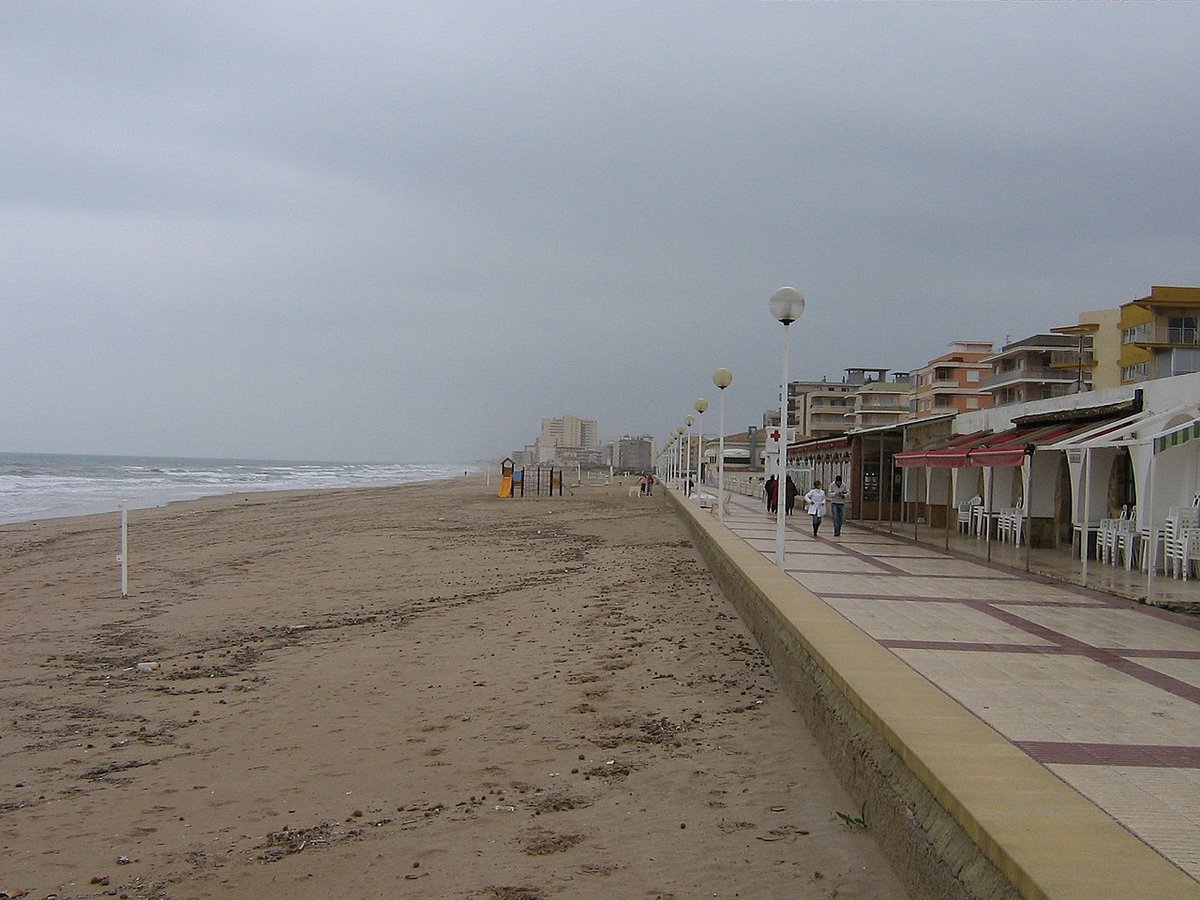
Ador’s residents think nothing of driving to Gandía for bread, so you probably will too. Playa de Gandía is 12 minutes by car; the northern end near the yacht club has cleaner sand and rents sun-loungers for €5. Mid-summer the promenade is a conveyor belt of British-accented fried-food menus and €3.50 pints. Retreat to Ador by 17:00 and the temperature drops three degrees, the cicadas take over, and you remember why you didn’t book a beachfront flat.
When the quiet feels too quiet
Evenings after 23:00 can resemble a rehearsal for a ghost town. There is no nightclub, no late-night supermarket, and the lone cash machine sometimes runs dry at weekends. Bring a book, download films, or time your trip to coincide with the patronal fiestas (last weekend in June) when brass bands march until 03:00 and the plaza hosts outdoor paella for 800 people. If fireworks smoke bothers you, choose another weekend—the mascletà on the final day rattles windows two villages away.
Worth it?
Ador delivers the opposite of bucket-list Spain. You will not tick off a UNESCO site, ride a cable car, or brag about a secret cove. What you get is an agricultural calendar you can smell, rice cooked by people who have eaten nothing else on Sundays for forty years, and a bar conversation that starts when someone overhears your accent and decides you need to know why Valencian oranges travel better than any competitor. If that sounds like a slow morning rather than a wasted one, Ador works. Otherwise, book the coastal hotel and send your postcard from the beach—just don’t expect it to smell of blossom.