Full Article
about Alfauir
Quiet village best known for the historic Monasterio de San Jerónimo de Cotalba.
Ocultar artículo Leer artículo completo
The church bells ring at noon, and Alfauir's single café empties faster than a London pub at closing time. Within minutes, the village square returns to its default state: a few elderly men on benches, a cat sprawled across warm stone, and the distant hum of a tractor somewhere beyond the orange groves. This is rural Valencia stripped of pretence—no craft breweries, no yoga retreats, just 470 souls living among citrus trees at a pace that would give most Brits palpitations.
The Anti-Destination
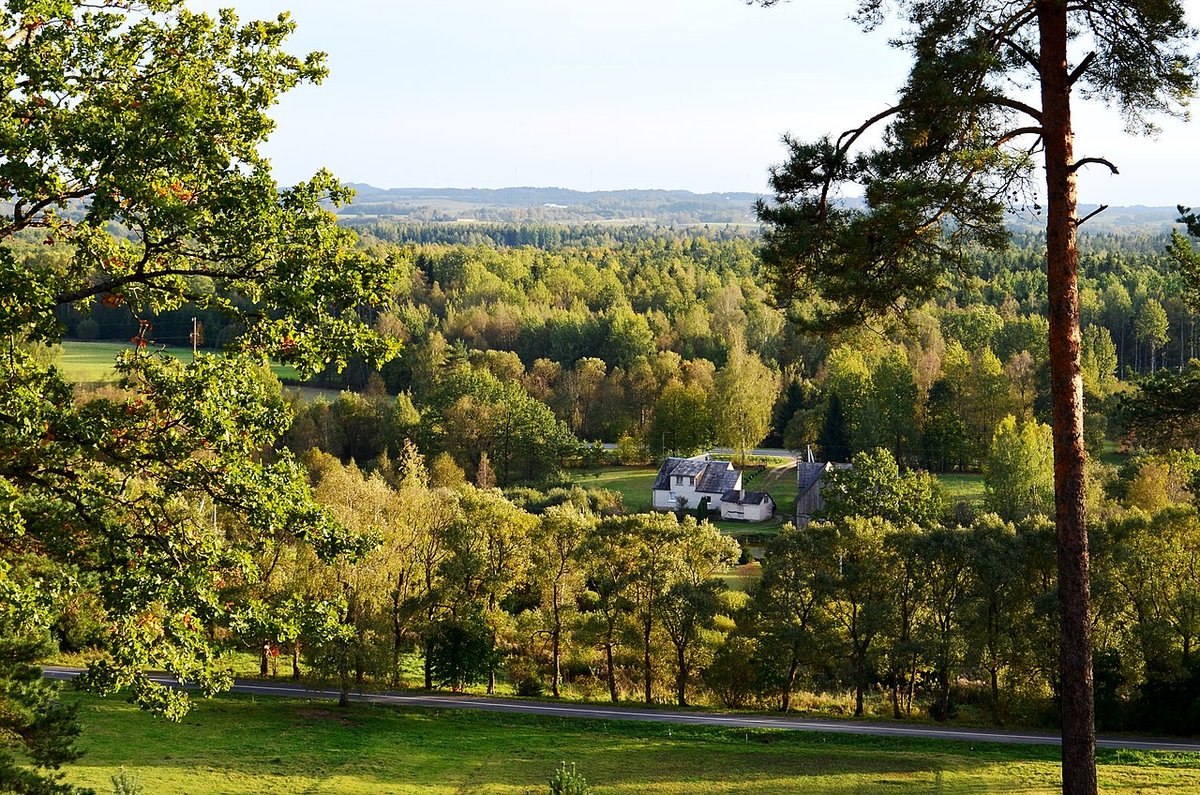
Alfauir doesn't do tourism. It does agriculture. The village's entire economy revolves around what grows between its terraced fields—oranges, lemons, the occasional vegetable plot—making it refreshingly immune to the region's coastal development frenzy. Twenty minutes southeast, Gandía's beaches heave with sun-seekers; here, the only crowds involve sheep.
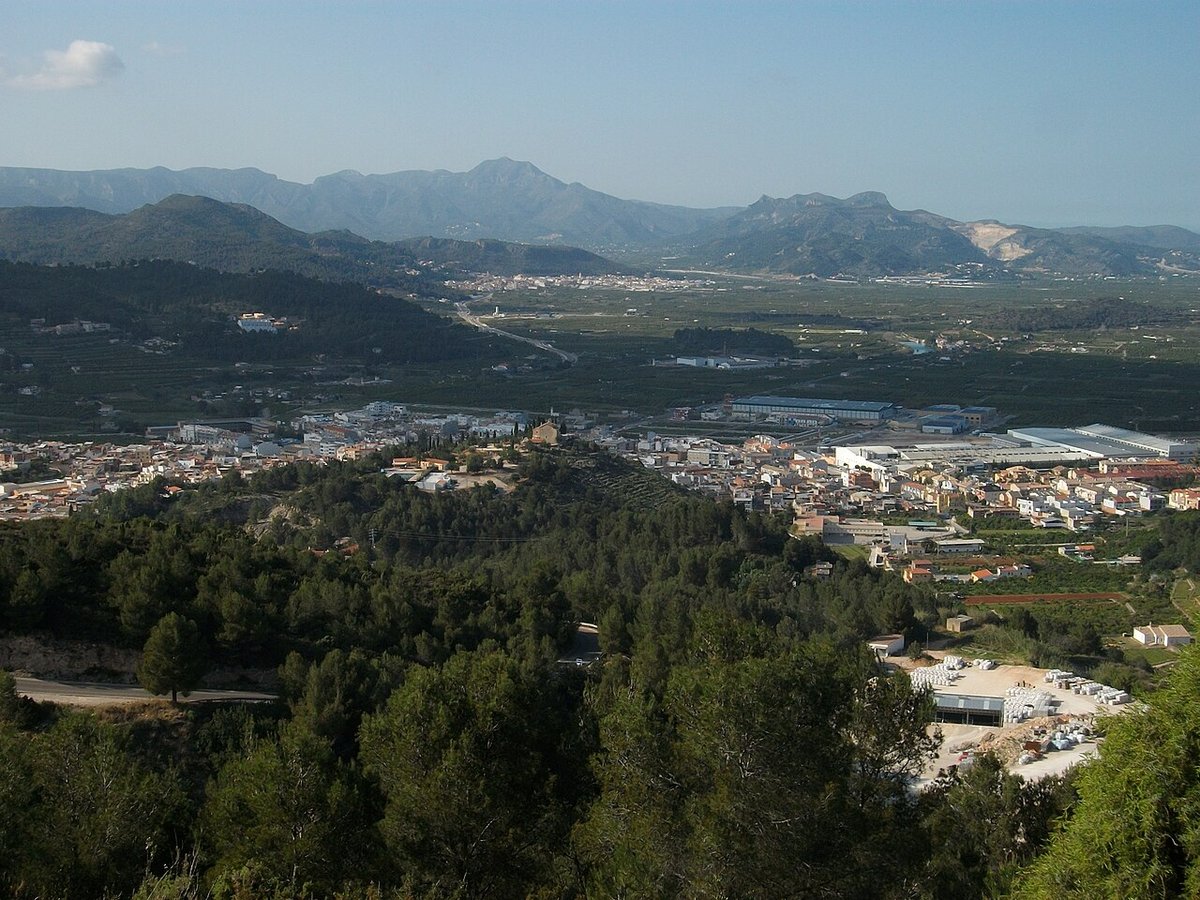
The approach tells you everything. Leaving the A-7 motorway, country lanes narrow until meeting oncoming traffic requires a manoeuvre best described as 'Spanish standoff etiquette'. Olive groves give way to citrus plantations, their trees regimented like green soldiers across the valley floor. Then Alfauir appears—not dramatically, just suddenly—a cluster of whitewashed houses around a church tower that has overseen this valley since the 18th century.
San Antonio Abad church dominates the tiny historic centre, its baroque façade weathered to the colour of weak tea. Inside, the usual Spanish Catholic excess—gold leaf, painted saints, that peculiar smell of incense and old stone—provides welcome shade from the agricultural glare outside. The building's real significance lies in its role as village anchor; everything radiates from here, including the weekly gossip network that functions more efficiently than any 5G connection.
Walking Through Someone's Workplace
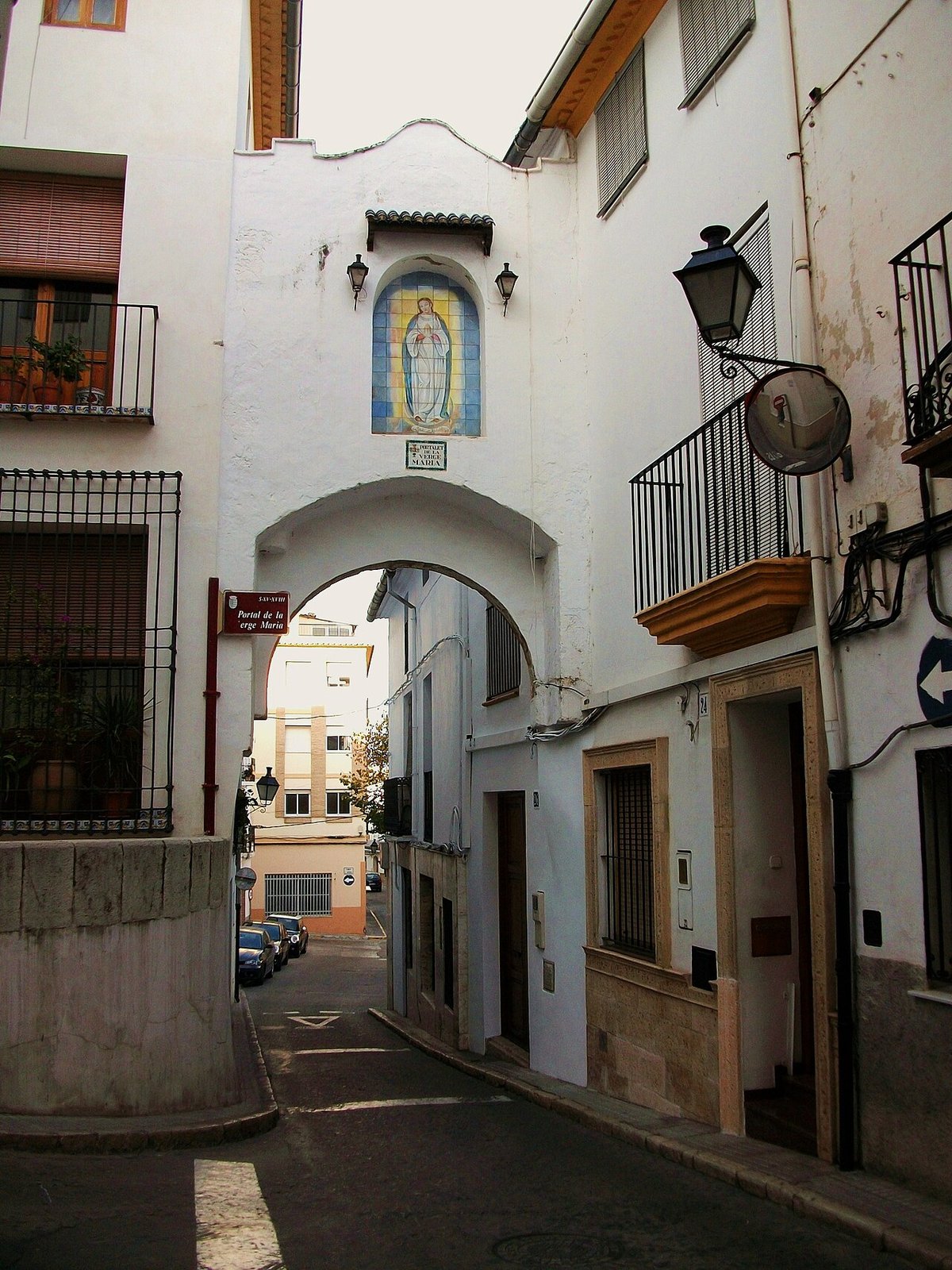
The village itself requires perhaps forty minutes of wandering. Narrow streets reveal surprises: a 16th-century doorway here, a courtyard bursting with geraniums there, the occasional modern intrusion that makes local historians wince. House walls wear that distinctive Valencia-region combination—whitewash below, ochre or sky-blue above—that photographers love and painters struggle to capture accurately.
But Alfauir's real appeal starts where the tarmac ends. Agricultural tracks lead into working countryside that changes personality with the seasons. Spring delivers the famous azahar—orange blossom whose scent drifts across the valley like natural perfume, attracting bees and hay fever sufferers in equal measure. Winter brings actual oranges, heavy fruit bending branches towards earth, while workers in battered straw hats fill crates with varieties most British supermarkets never see.
These aren't show farms or pick-your-own operations. They're actual workplaces, which means visitors must navigate an etiquette minefield. Walking through is fine; photographing workers requires permission; touching fruit counts as theft. The best approach involves a smile and a basic Spanish greeting—"Buenos días" works wonders, "Hola" marks you as respectful, attempting Valencian might earn you an invitation to see the packing operation.
When the Village Wakes Up
Visit outside festival periods and Alfauir slumbers. The January fiestas honouring San Antonio Abad transform the place—suddenly there are brass bands, processions, and street stalls selling that Spanish festival staple of questionable sausages served with plastic forks. August's summer fiestas crank the volume higher, with late-night verbenas (outdoor dances) that demonstrate how Spanish grandparents possess moves making British twenty-somethings look arthritic.
March brings Fallas, Valencia's pyromaniac celebration, though Alfauir's version involves considerably less fire and considerably more family picnics. The local falla—a satirical papier-mâché sculpture—might gently mock the mayor rather than requiring emergency services on standby. British visitors expecting burning effigies and deafening fireworks should stick to Valencia city; those curious about how rural communities maintain traditions without health-and-safety meltdowns will find Alfauir instructive.
Eating Like You Live Here
Food options reflect village reality. There's one proper restaurant, open when the owner's daughter isn't at university, serving fixed-price menus that change according to what grew successfully that week. Expect rice dishes—this is paella country, though locals eat it at lunchtime like God and Valencian tradition intended, never for dinner. The alternative involves the café-bar hybrid on the main street, where coffee arrives in glasses and breakfast means tostada with tomato, olive oil, and enough garlic to repel vampires.
Shopping requires advance planning. Alfauir lacks supermarkets; the nearest decent supplies wait in Gandía, fifteen minutes away by car. The village does support a bakery whose hours remain mysterious to outsiders—turn up before 11am for the best chance of fresh bread, though Tuesday closures seem random until you realise the baker's mother lives in Castellón and family takes precedence over your carbohydrate requirements.
Getting Lost (and Found Again)
Public transport barely exists. A twice-daily bus connects to Gandía, timing its arrivals with mysterious logic—perfect for locals, useless for anyone wanting to catch the morning train to Valencia. Cycling works if you're comfortable sharing narrow roads with agricultural machinery driven by people who've operated tractors since primary school. Walking between villages reveals the landscape's subtle beauty, though summer heat turns afternoon strolls into survival exercises.
The practical approach involves hiring a car at Valencia airport—an hour's drive on mostly decent roads—and accepting that you'll become designated driver for any wine tasting. Parking in Alfauir presents zero challenges; find the church, stop nearby, remember where you left the vehicle. Mobile signals fade in the valley bottoms, making offline maps essential for walkers, though getting genuinely lost requires genuine talent.
The Reality Check
Alfauir won't change your life. It offers no epiphanies, no Instagram moments requiring hashtag creativity, no souvenir shops flogging fridge magnets. What it provides instead is increasingly rare—an agricultural community continuing exactly as it has for generations, indifferent to whether visitors approve or even arrive.
The village works best as a counterpoint to Spain's coastal chaos. Spend morning wandering orange groves, afternoon at Gandía's historic centre (the Borgia family's old stomping ground), evening on the beach eating overpriced paella while watching sunset. Alfauir itself demands perhaps half a day, longer only if you slow down sufficiently to notice details: how the afternoon light turns stone walls honey-coloured, why the elderly woman at number 14 grows spectacular roses, when the village pump stopped being essential infrastructure.
Come expecting theme-park Spain and you'll leave disappointed. Arrive curious about how rural communities survive the 21st century intact, and Alfauir offers something increasingly precious—a place where the loudest noise at midday comes from cicadas, not construction crews, where tradition isn't performed for tourists but lived unconsciously, where oranges grow better than expectations.
Just remember to bring water, patience, and enough Spanish to say thank you properly. The village doesn't need your visit, but if you approach it correctly—quietly, respectfully, without demands—it might just let you understand why some places remain immune to the modern world's frantic tourism.