Full Article
about Almoines
Municipality with a sugar and textile industrial past near Gandia
Hide article Read full article
Where the fields reach the streets
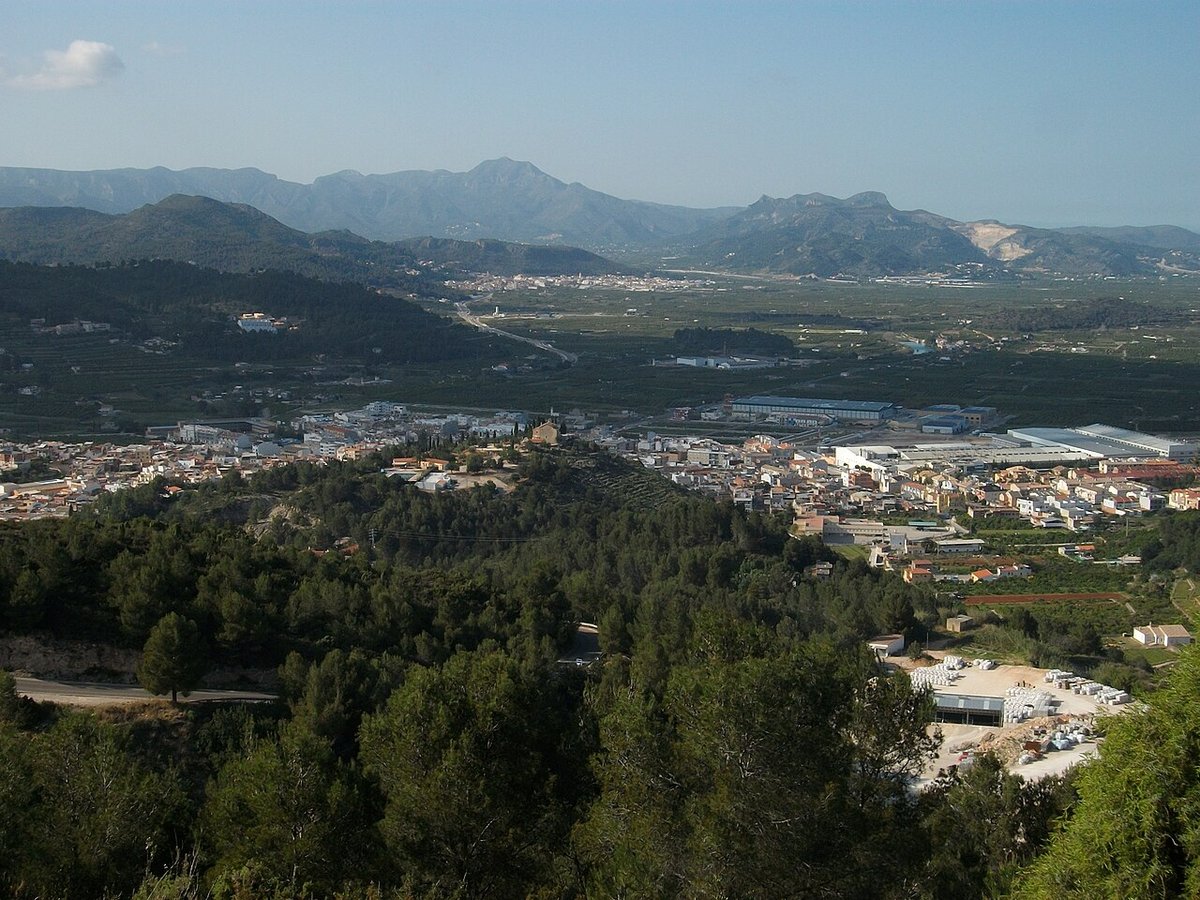
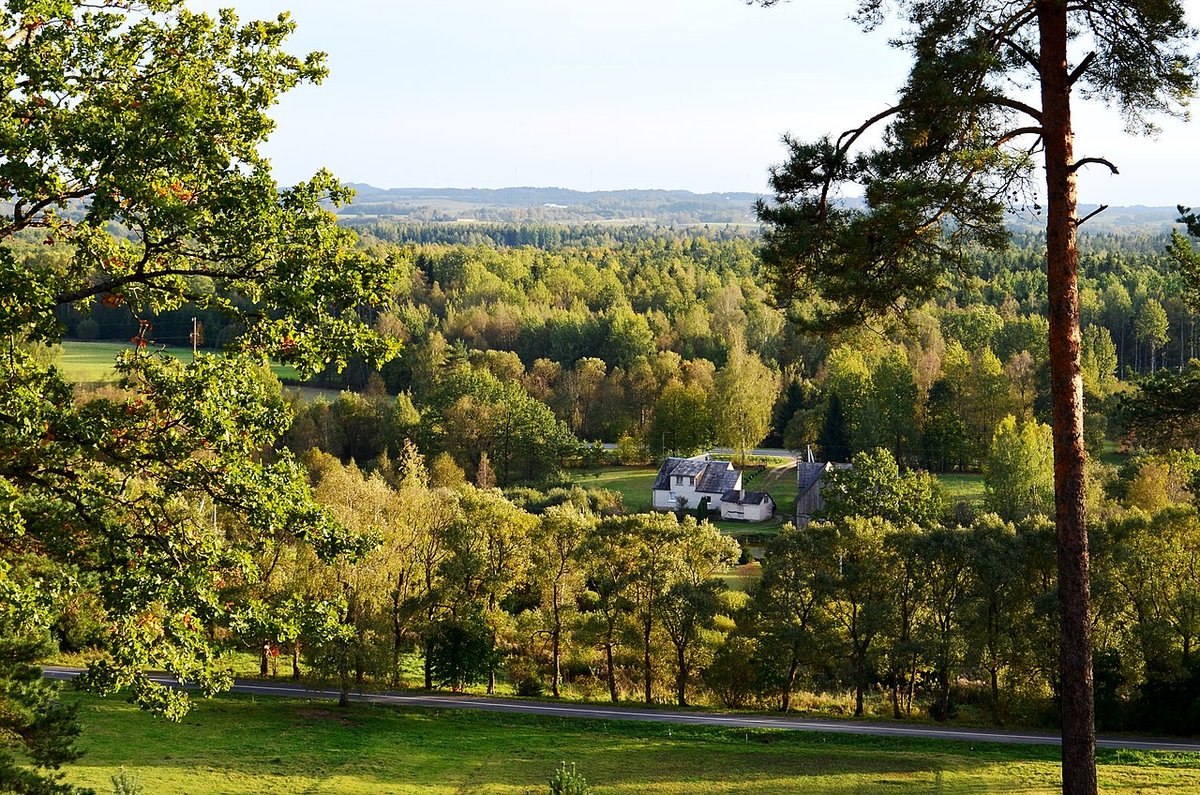
Orange groves run almost up to the first houses. From the road, Almoines appears as a pause in the green geometry of La Safor: low buildings, reddish roofs and the church tower rising above a few palms. The River Serpis marks the edge of the municipality, here closer to a wide irrigation channel than a forceful river, and beyond it begins a small town pressed against Gandia, where agriculture still outweighs any real tourist ambition.
The setting explains much of what Almoines is today. This is not a place built around monuments or attractions, but around land that has been worked for centuries, with rhythms that still shape daily life.
Land shaped by the Serpis
Almoines sits where it does because of the Serpis plain. The river creates a flat, fertile stretch between Gandia and the inland areas of La Safor, land that was already cultivated in Islamic times. The old farmsteads, known as alquerías, relied on a network of irrigation channels that still organise how water reaches the fields.
The name Almoines is usually linked to Arabic origins, something common in this part of eastern Spain, although the exact meaning is not entirely clear. What does seem certain is that there was already a settlement here before the Christian conquest of the 13th century. Afterwards, it continued as a small agricultural community dependent on larger nearby centres.
For a long time, Almoines functioned more as an extension of Gandia’s farmland than as a town in its own right. Life revolved around cultivation: first mulberry trees for silk production, later citrus groves that now define the landscape.
A brief industrial moment by the river
In the 19th century, there were attempts to introduce some industry linked to silk, taking advantage of the mulberry trees across the region. The initiative did not go far. Production eventually concentrated in places with better infrastructure, and the effort remained a short episode in the local economy.
More significant was the railway that once connected Alcoy with the port of Gandia. The line crossed La Safor and stopped in several nearby towns. For decades, it was used to transport agricultural goods, especially citrus fruit, towards the coast. As road transport gradually replaced the railway, the line disappeared.
Part of its route has since been reused as a greenway and cycling path that cuts across the flat landscape of the comarca. It follows the logic of the old railway, offering a way to move through the same agricultural setting that once depended on it.
San Miguel and the shape of the town
The parish church of San Miguel Arcángel likely dates back to the 16th century, although the current building reflects later alterations. It is a restrained structure, closely aligned with the parish architecture typical of farming towns in La Safor: simple volume, an unadorned façade and a brick bell tower that works more as a visual reference point than as a grand statement.
The church stands slightly above some of the surrounding streets. From the area around its atrium, the relationship between the town and the surrounding fields becomes clear.
Inside, there is a Baroque altarpiece whose origin is not fully documented. Local tradition claims it came from a now-vanished hermitage in the nearby hills, although there is little certainty around that story. The image of Cristo de la Fe plays a central role in the summer religious celebrations, when many people who live elsewhere return to the town for a few days.
A compact town beside the huerta
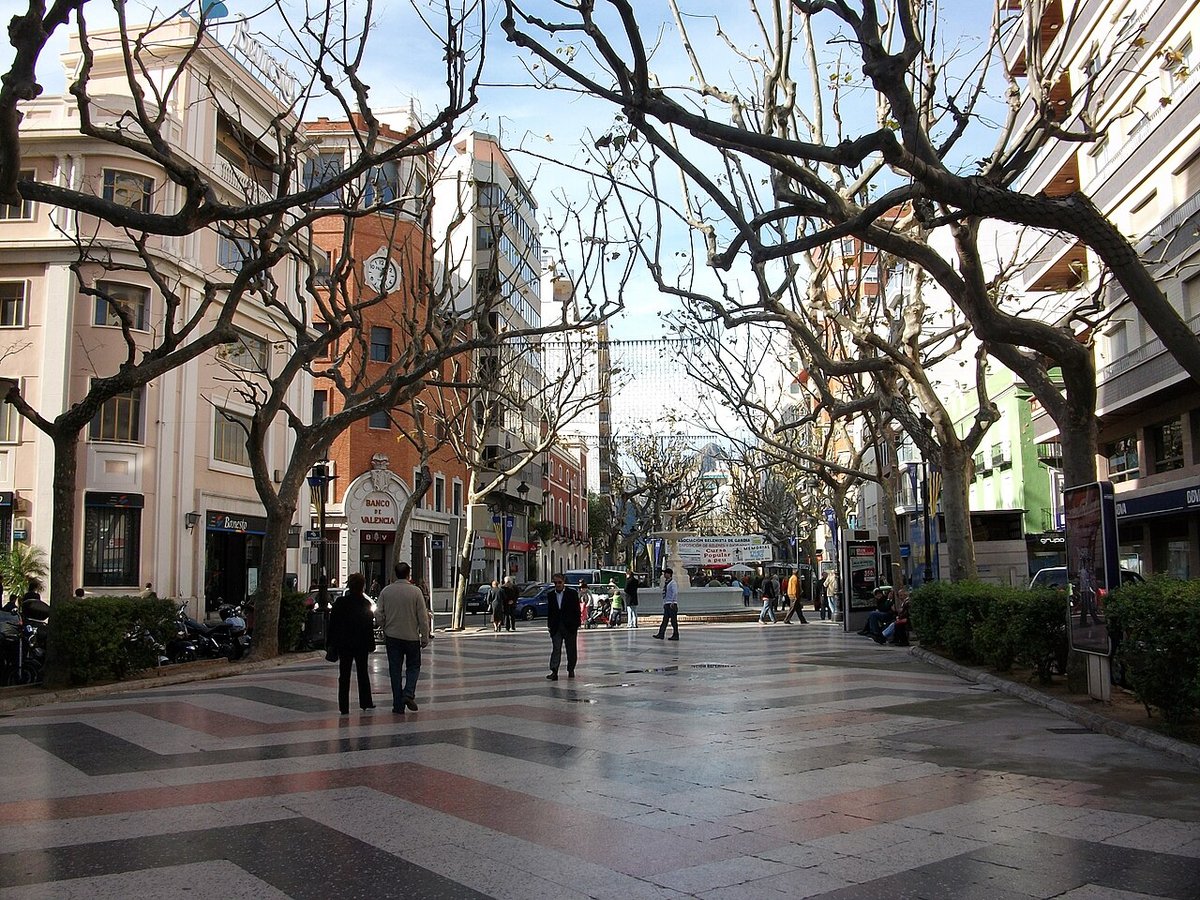
Almoines does not have a clearly defined main square. Its urban layout is compact and straightforward: straight streets, two-storey houses and a few buildings from the late 19th and early 20th centuries that once belonged to well-off families connected to agriculture.
The town hall occupies one of those houses. Above the doorway, an old coat of arms still marks that period when land ownership concentrated much of the local power.
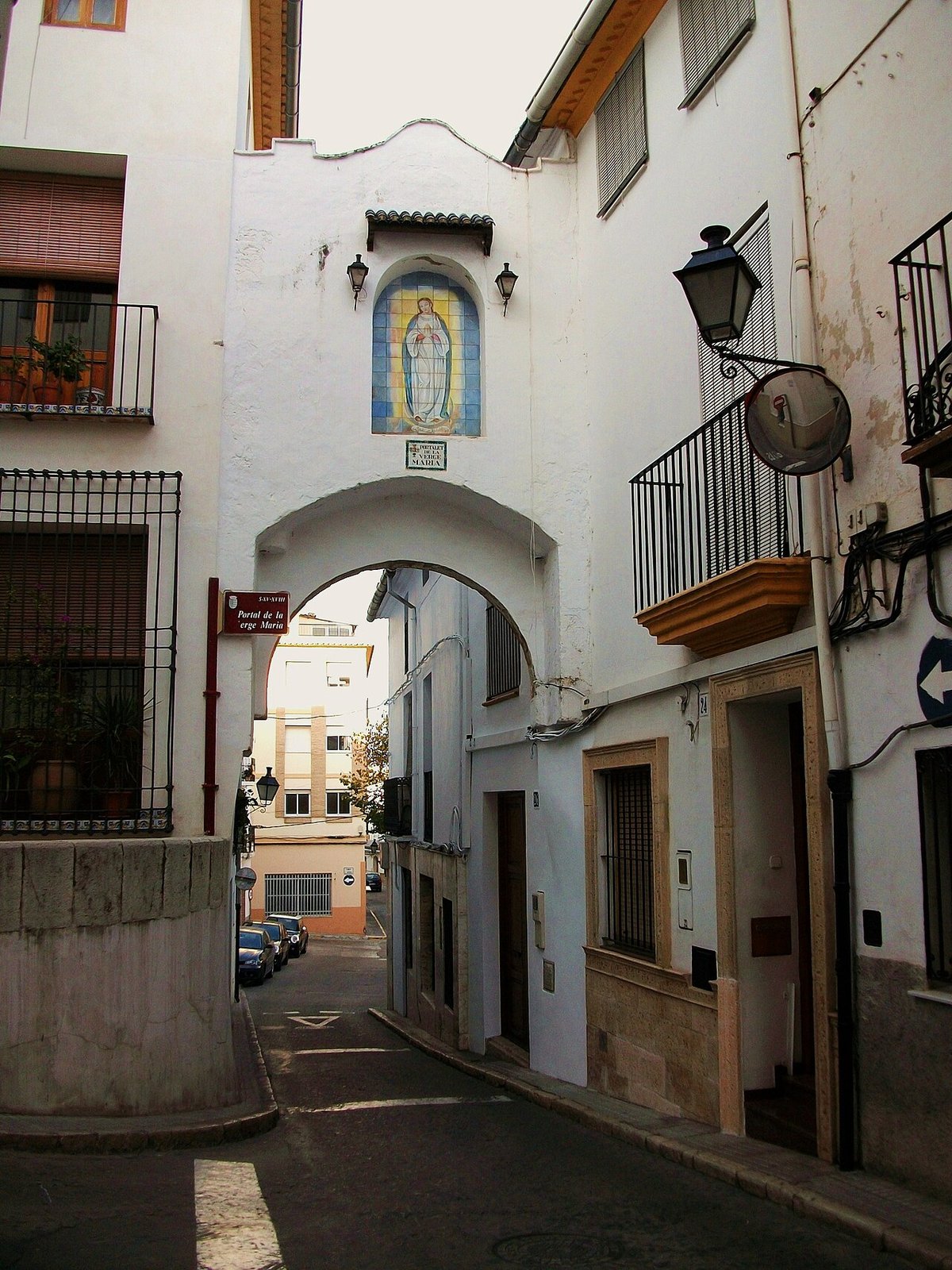
It is a place that can be crossed quickly. In about twenty minutes, it is possible to walk from one end to the other. Even so, there are small details worth noticing in the domestic architecture: wide gateways designed for carts, interior courtyards and façades oriented to make the most of summer ventilation. Each element follows a clear agricultural logic.
Step outside the built-up area and the network of rural paths begins immediately. Irrigation channels remain in use, and it is common to see farmers opening or closing sluices depending on their allotted turn for water. The system is old, but still active, and it continues to structure both the landscape and daily routines.
When it makes sense to visit
In February and March, the scent of orange blossom fills the entire plain. It is one of the moments when the agricultural landscape is easiest to understand, as the groves come alive in a way that is both visual and sensory.
Towards the end of summer, celebrations linked to Cristo de la Fe bring more activity to the town. Many residents who live elsewhere return during these days, and the atmosphere shifts. These festivities are not designed to attract visitors but remain firmly local in character.
Outside those periods, Almoines keeps a steady, quiet pace. There are no large monuments or signposted routes. The interest lies instead in observing how a historic huerta of La Safor still functions, and how a small town continues to live around it.