Full Article
about Barx
Mountain municipality near the coast with karst landscapes and famous caves
Hide article Read full article
A change of pace above Gandia
The road up from the coast can feel routine at first. You leave the busier streets of Gandia, follow the bends as the elevation increases, and expect another village much like the last. Then something shifts. The landscape opens out, the air feels different, and Barx appears with a calmer rhythm.
Barx sits just over 300 metres above sea level in the comarca of La Safor. It is a small municipality that does not revolve around tourism. Daily life carries on at its own pace: neighbours talking in the street, cars parked wherever they fit, and paths still linking cultivated plots.
Whitewashed houses and terraced fields frame the village. It appeals to anyone who prefers quieter places, not because everything is striking or monumental, but because time seems to move more slowly. That steady pace shapes the experience of being here.
Simple architecture and a village shaped by the land
At the centre stands the parish church of San Miguel Arcángel, on the main square. Built in the 18th century, it reflects the restrained style common in inland Valencian towns. The façade follows a Baroque design, the bell tower rises above the rooftops, and the interior remains fairly simple.
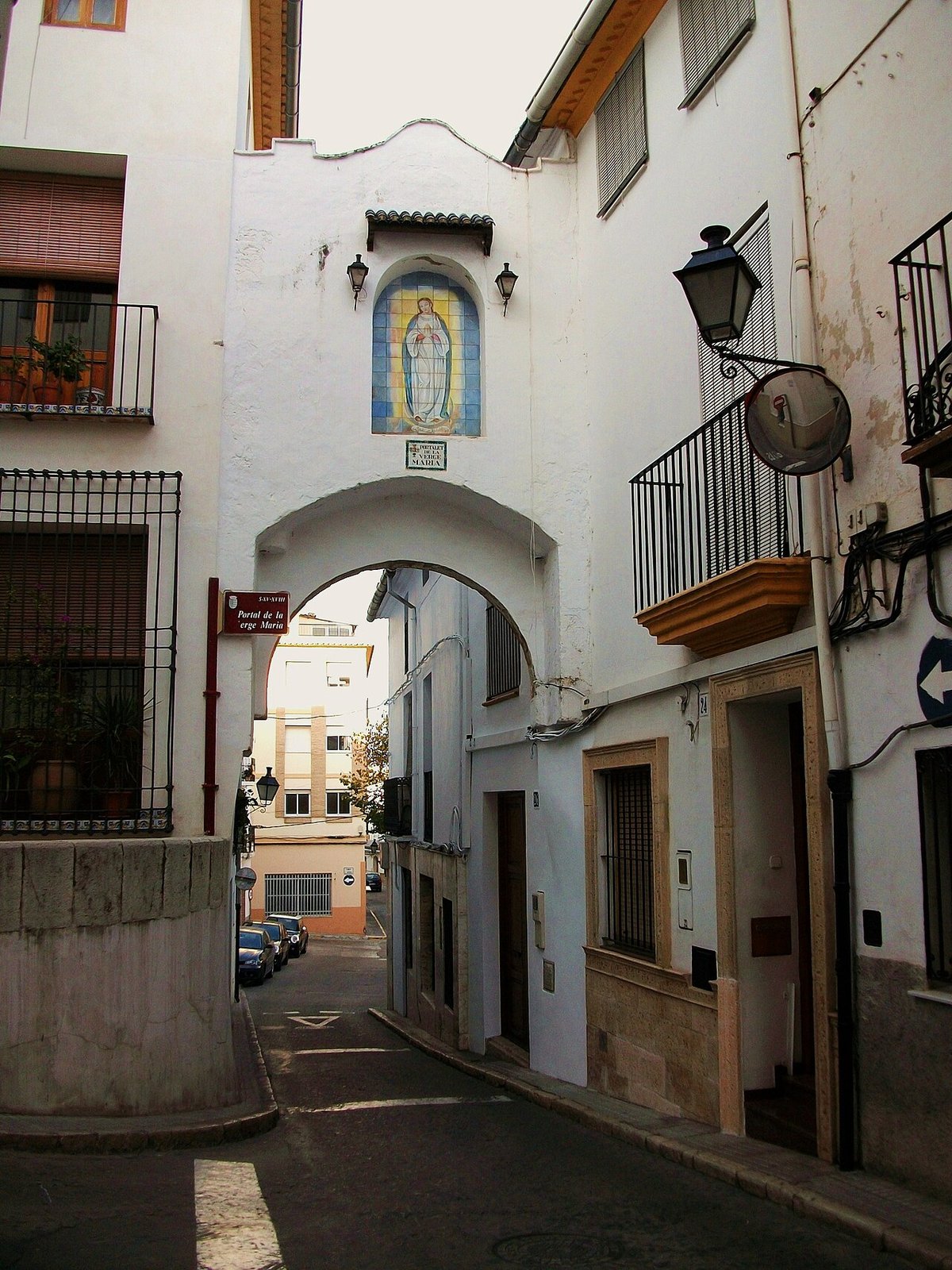
The old quarter adapts to the terrain rather than imposing order on it. Streets are narrow, some slope noticeably, and corners appear without warning. There are no broad avenues or rigid planning. The layout suggests gradual growth, expanding as needed over time.
Many houses retain wooden eaves or whitewashed façades. Some have been updated, though they are still lived-in homes rather than stylised restorations. The edge of the village quickly gives way to citrus groves and terraces that descend towards the valley.
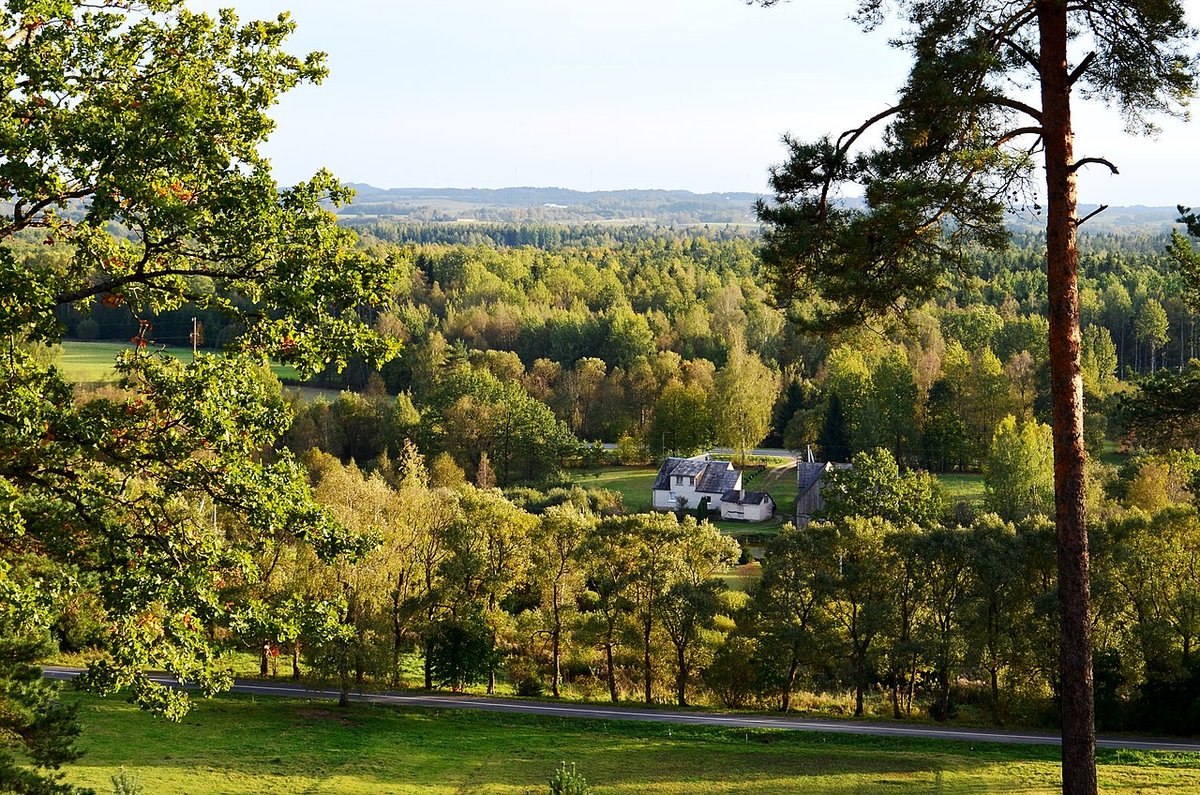
The surrounding sierra has clear geological interest. Limestone formations dominate the area, and with them come sinkholes, small caves and other karst features. A short walk into the hills is enough to notice cracks in the ground, depressions and cave entrances scattered across the terrain. No specialist knowledge is required to spot how the rock has shaped the landscape.
Walking the Sierra de Barx
Walking is the most common activity here. There are no large visitor facilities or heavily promoted routes, yet a network of paths connects the area. Locals and regular walkers use them as part of everyday life rather than as a formal attraction.
One of the best-known walks leads up to the Mirador de la Cruz. The route includes some uphill stretches, though it is manageable for anyone used to walking. In summer, starting early makes a difference, as certain sections offer little shade and the heat builds quickly.
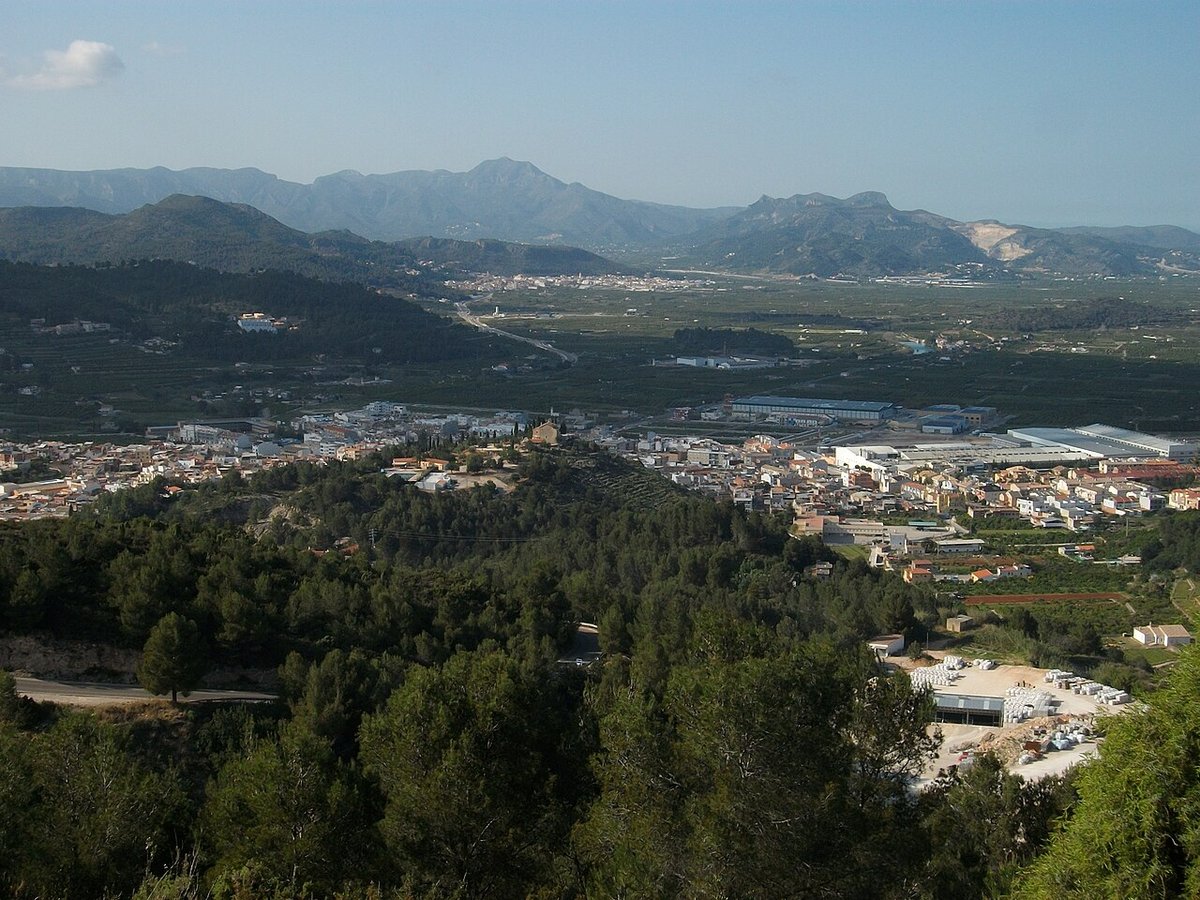
Further exploration reveals longer paths across the sierra. From higher points, the view opens eastwards across La Safor. On clear days, the sea appears in the distance. The scene is not about steep cliffs or dramatic drops. Instead, it shows how the mountains gradually give way to the coastal plain.
Other paths pass through farmland and older terraces supported by dry stone walls. These routes offer a direct sense of how the land has been worked over generations. The marks of that labour remain visible in the structure of the fields and the layout of the paths.
Food shaped by the surroundings
The cooking in Barx reflects what has long been available nearby: produce from the surrounding land, rice dishes, and hearty meals suited to the season.
Rice appears in several forms, including baked versions, brothy preparations or combinations with seasonal ingredients. Alongside these, there are more substantial stews, the kind often appreciated after time spent walking in the hills. During certain seasons, dishes linked to hunting also appear.
This is not a place for experimental cooking. Recipes tend to follow familiar methods that have been used for years, with little interest in reinvention.
Traditions that remain local
Festivities in Barx centre largely on the people who live there. In March, the village celebrates the Fallas. For visitors, it may seem unexpected to encounter this festival, known for its large sculptural monuments and bonfires, in a mountain setting. In La Safor, however, it is quite normal.
At the end of September, celebrations take place in honour of San Miguel Arcángel. These include religious events as well as activities held in the streets. During the summer, evenings often bring open-air dances, shared meals or other gatherings once the heat eases.
The atmosphere reflects a place where many residents know each other, and where even those who do not are soon exchanging greetings. Social life unfolds in a familiar, local way rather than as a spectacle for outsiders.
Reaching Barx
Barx lies inland in La Safor, in the mountains that rise behind Gandia. The usual approach starts from the coastal area, followed by a drive along a road that winds up into the hills.
The final stretch includes several curves, accompanied by views that change gradually over a short distance. The coastal plain gives way to higher ground in just a few kilometres. By the time the village comes into view, the setting already feels distinct. That contrast between coast and mountain is a key part of the appeal of coming here.