Full Article
about Bellreguard
Town with an inland urban center and a popular family beach of fine sand
Ocultar artículo Leer artículo completo
The morning train from Valencia pulls into Gandía at 10:42. From the platform you can already smell azahar – the sharp, clean scent of orange-blossom soap carried on a breeze that has crossed three kilometres of citrus orchards. Ten minutes later, bus L2 wheezes past irrigation ditches so straight they look drawn with a ruler and deposits you in Bellreguard’s plaça Major. Population: 4,800. Tourists: zero, give or take.
A grid you can walk in ten minutes
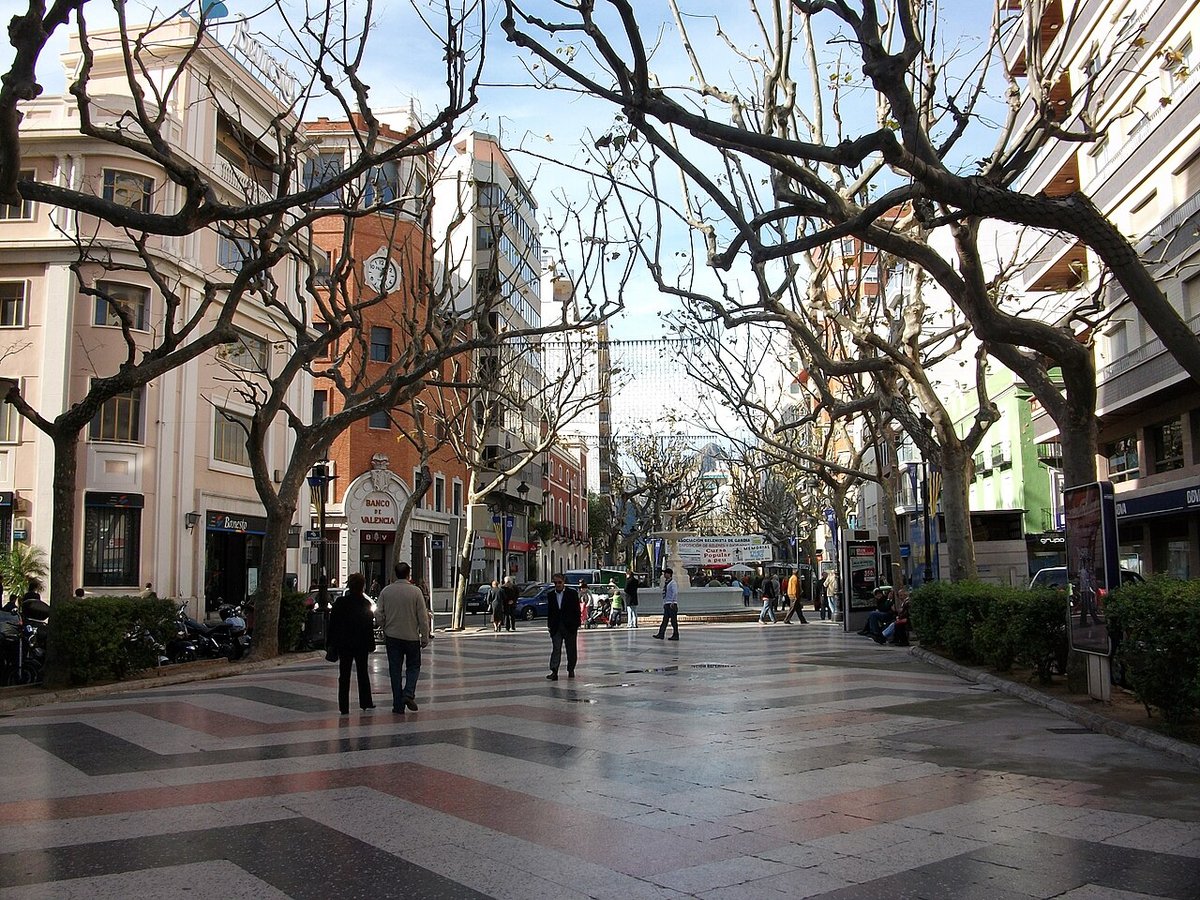
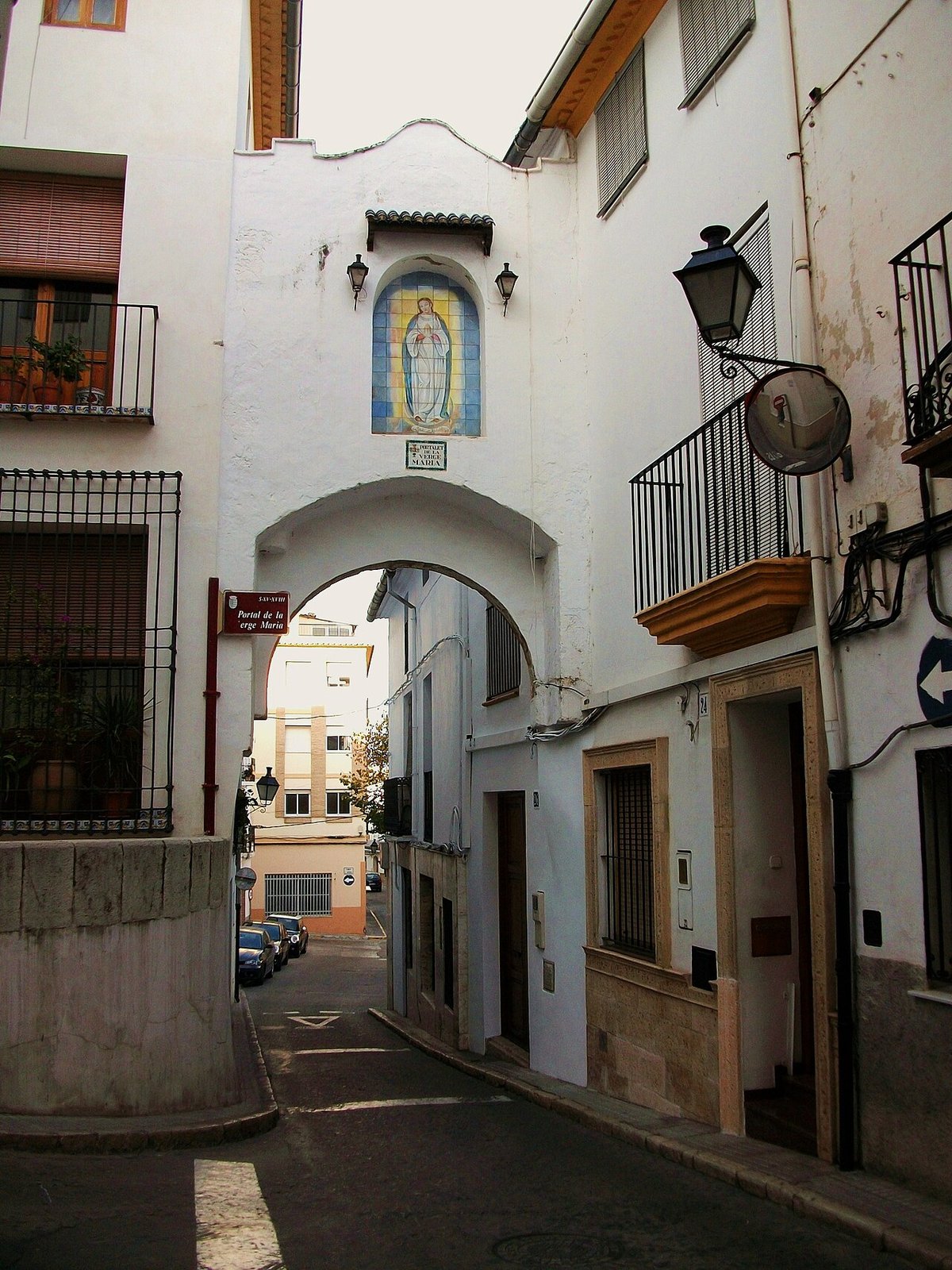
Bellreguard is flat, logical and compact. The 17th-century church of Sant Joan Baptista sits dead centre; the town hall, a modest 1950s block, faces it across a rectangle of benches and plane trees. Side streets run parallel in a grid that takes six minutes to cross north-south, eight east-west. Look up and you’ll spot the giveaway textures of a working agricultural town: wooden doors ground smooth by decades of tractor mud, stone thresholds rubbed into shallow bowls, the occasional bricked-up hayloft now converted into a one-bedroom flat.
There are no souvenir shops, only what locals need: a bakery that opens at 6 a.m. and sells out of coca de mullador (a tomato-pepper flatbread) by 10; a tiny pharmacy whose window still displays cardboard sun-cream cut-outs from 2019; a single bank with an ATM that refuses contactless on principle. Wednesday’s market is three stalls: socks, olives, and a truckload of cheap ceramics from Castellón. Most residents still drive to Gandía for the weekly big shop – you’ll end up doing the same.
The beach that isn’t on the postcard
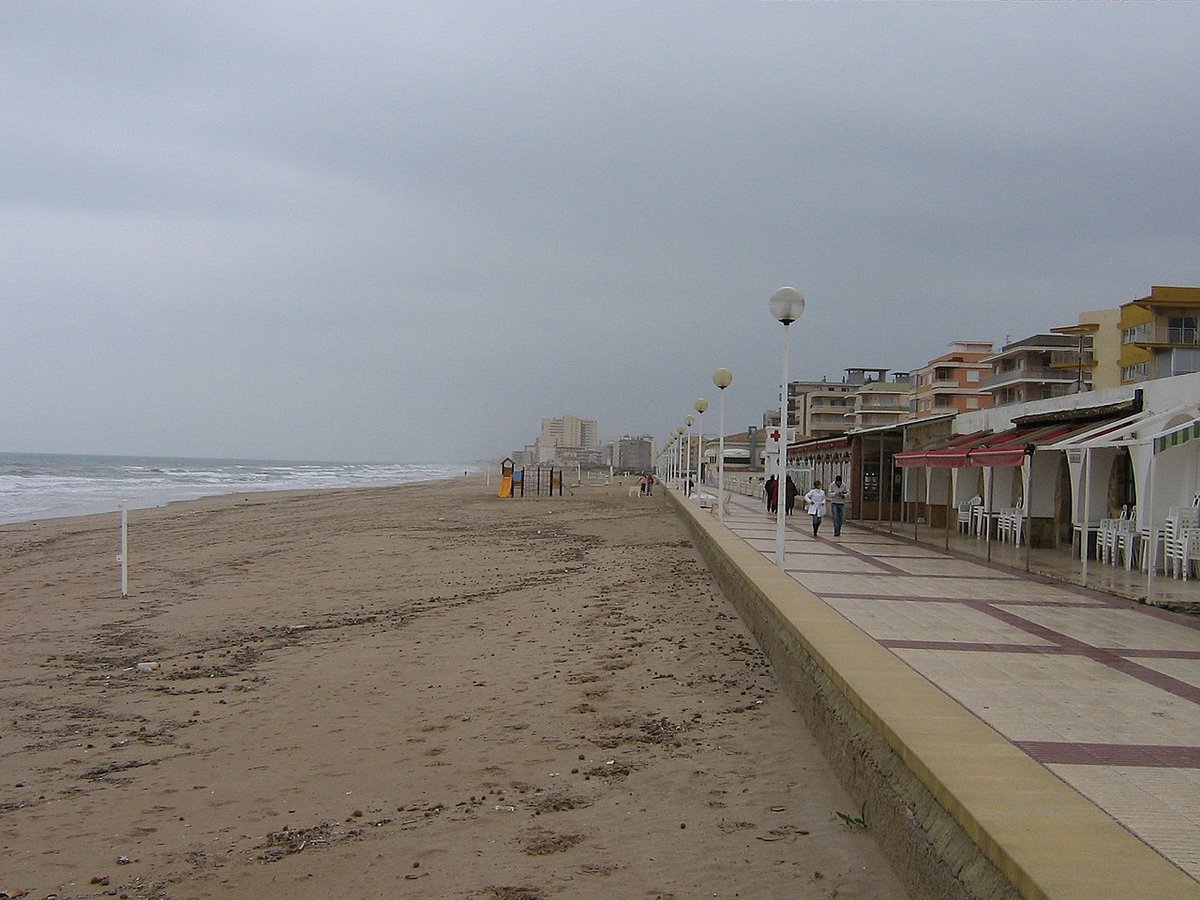
Playa de Bellreguard lies two kilometres south, past vegetable plots and a campsite that smells of pine needles and barbecued sardines. A narrow road, no pavement, skirts the dunes; cyclists get priority, cars must yield. The sand is fine, pale and clean enough for Blue-Flag status, yet even on the feast of the Assumption you’ll find space for a beach towel without playing towel Tetris. The promenade is a simple concrete path shaded by tamarisk; behind it, three restaurants, one ice-cream kiosk and a tiny hire hut that rents pedal boards for €12 an hour when the breeze is up.
Summer noise is modest: Spanish families, a few French campers, the odd Valencian weekenders. What you won’t hear is English, Dutch or German – phrasebook Spanish (or better, Valencian) is worth its weight in chilled horchata. Lifeguards clock off at 19:00; the sand belongs to dog-walkers and joggers until the moon is high. Winter strips the scene back to a handful of retired villagers in quilted coats, pacing the shoreline with metal detectors and thermos coffee.
Eating: rice, fish and citrus in equal measure
Village restaurants keep farmer hours: lunch 13:30–15:30, dinner 19:00–22:00. La Caseta Gastrojardí, tucked behind the church, does a seven-dish vegetarian tasting menu that swaps jamón for charcoal-grilled artichoke and orange-zest hummus. They’ll print it in English if you ask; book ahead, there are only 24 covers. Down at the sand, Mario Playa will batter merluza (hake) into something suspiciously similar to seaside cod, but the real order is the “beginner’s paella” – chicken and butter beans, no shells, no eyes staring up at nervous children. Pizzeria El Pont does stone-baked bases crisp enough to make a Neapolitan shrug; take a boxed margherita to the dunes for sunset and you’ll have company from swallows rather than seagulls.
Don’t ignore the bakery’s sweet side. In March the same ovens churn out panquemado, a soft anise bun that survives dipped in coffee. Come June, creamy arroz con leche is served chilled in terracotta bowls with a squiggle of local lemon zest. Pudding for breakfast is actively encouraged.
Two wheels and a flat horizon
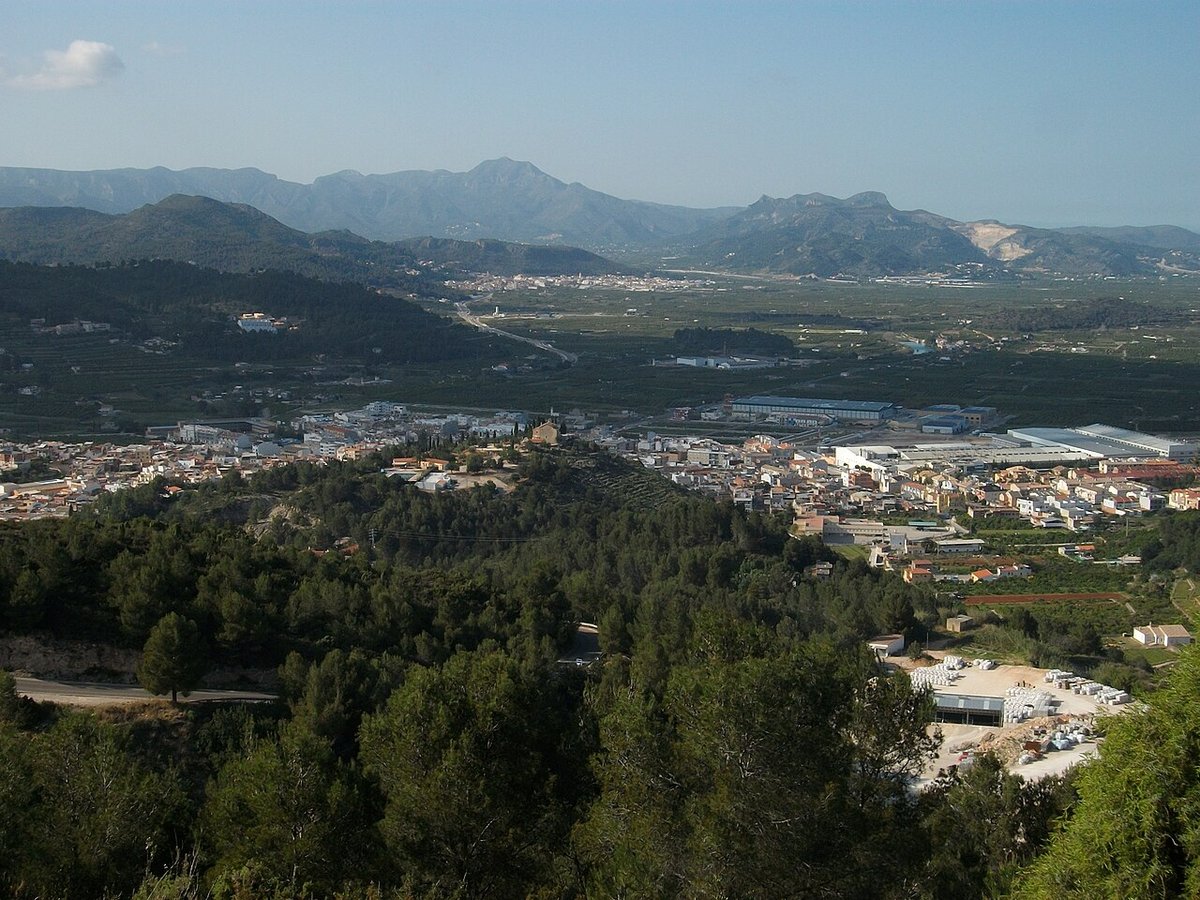
Orange groves stretch uninterrupted to the foothills of the Safor range, and the terrain is pancake-level. A free greenway, Vía Verde de la Safor, starts behind the campsite and follows an old railway track 22 km through the fields to Oliva. Hire bikes at the campsite reception – €15 a day, helmets thrown in with a grin – and you’ll pass farmers on mopeds balancing ladders across their handlebars. The only climb is a three-metre bridge over the AP-7; heart-rate monitors need not apply. Spring riders get the bonus of blossom snow: white petals that stick to tyres and perfume the air like cheap cologne gone unexpectedly right.
Fiestas: bring earplugs or join in
Bellreguard parties twice. The main fiestas honour Sant Joan in late June: processions, brass bands, and fireworks that echo off the church walls until 3 a.m. House fronts are draped with handmade tapestries of saints and satire; kids throw water bombs at passing drummers. August shifts the focus to the beach – open-air cinema on the sand, midnight swimming races, and a foam party that fills the promenade with bubbles half a metre deep. March means Fallas on a village scale: one ninot effigy per street, burnt on the 19th to cheers of “que bonic, que bonic” and the crackle of palm fronds. Light sleepers should avoid booking rooms facing the plaça; everyone else should accept that siestas are mandatory.
When it goes wrong
August heat is blunt. At 15:00 the sand can blister bare feet and the only shade is the ice-cream kiosk’s umbrella, already colonised by three generations of the same family. Parking near the beach becomes a slow-motion hunt: blue-zone charges €1.50 an hour and vigilantes in hi-vis appear the moment your ticket expires. A tramuntana wind can whip up without warning, turning the sea into a washing-machine cycle and scattering grit into every sandwich. On those days the beach empties and the village feels landlocked; head for the orange lanes instead, where the trees act as windbreaks and the air smells of damp earth and citrus oil.
Getting here, getting out
Valencia airport is 77 km north; Alicante 136 km south. Both have direct UK flights year-round. Ignore the toll AP-7 – the CV-60 and N-332 add ten minutes and save €15 each way. A hire car is almost compulsory; buses from Gandía finish at 21:30 and a taxi back costs €22 on the meter, more if the driver spots beach sand on your shoes. If you insist on public transport, stay in Gandía and day-trip: trains run half-hourly from Valencia, and the bus connection drops you in Bellreguard’s plaça 25 minutes later.
Worth a week? Maybe two
Bellreguard suits travellers who measure holiday success in kilometres cycled, pages read and coffees lingered over, not sights ticked off. Come for the blossom in April, when the air is alcoholic with orange flowers and the temperature hovers in the low 20s. Return in late September, when the sea is warm, the village kids are back at school and restaurant owners have time to explain why their rice burns slightly at the bottom – the socarrat, the bit Valencians fight over. Stay longer and you’ll learn the bakery’s rhythm, the lifeguard’s name, the exact minute the sun slips behind the dunes. Leave before the calendar demands it and you’ll carry the scent of azahar home in your suitcase, subtle but stubborn, a reminder that somewhere between the oranges and the Mediterranean, Spain still keeps normal hours.