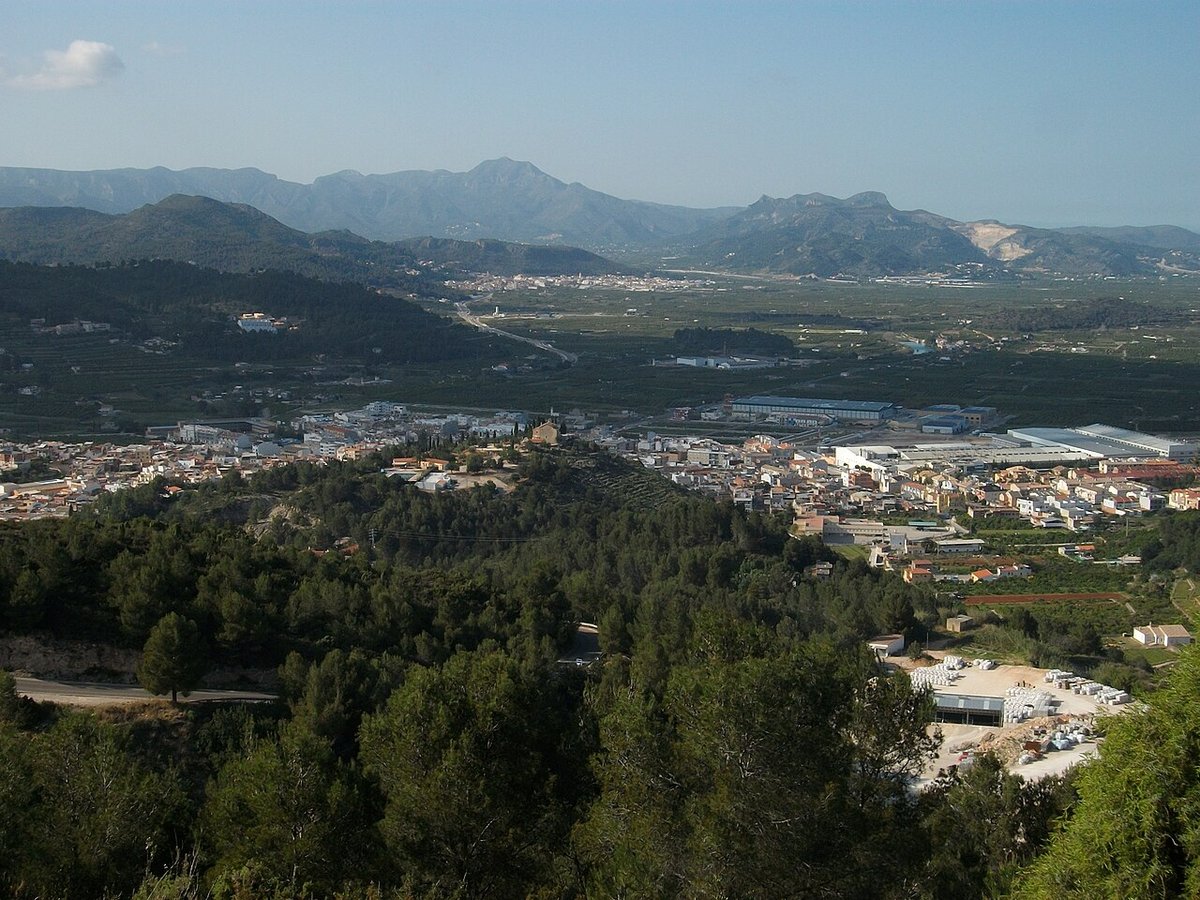
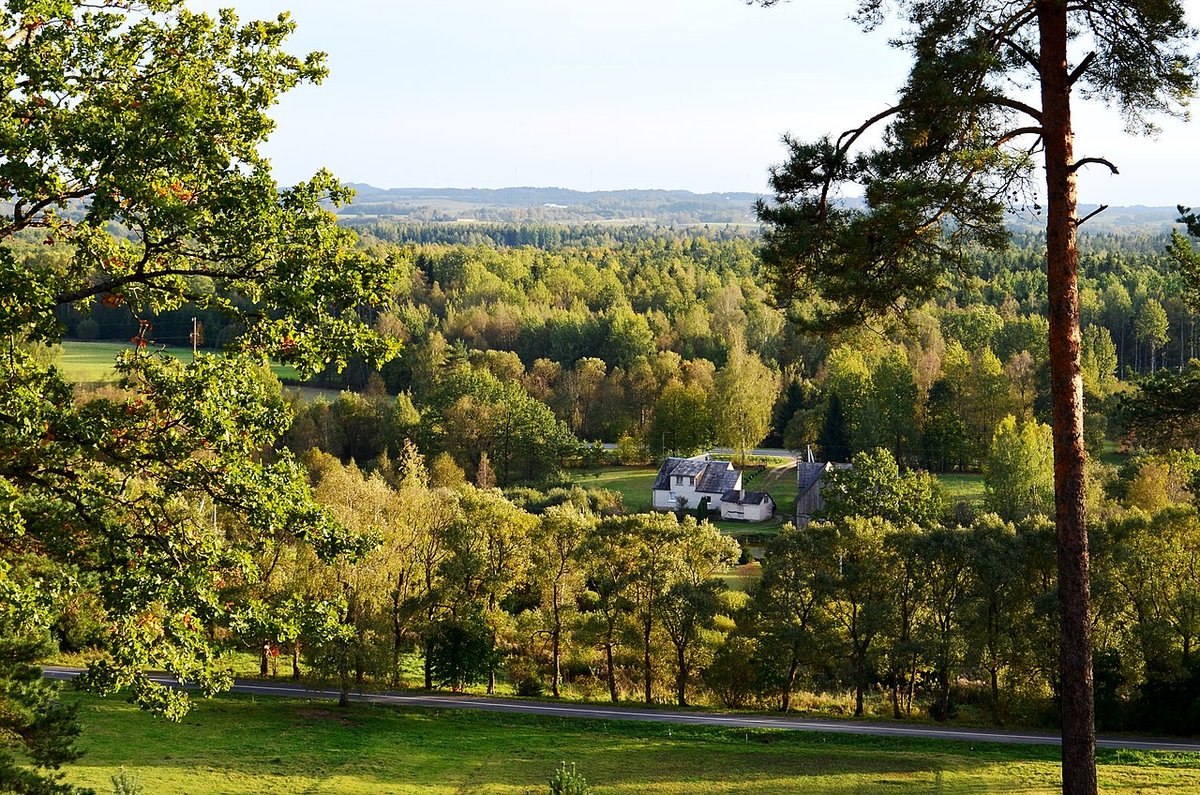
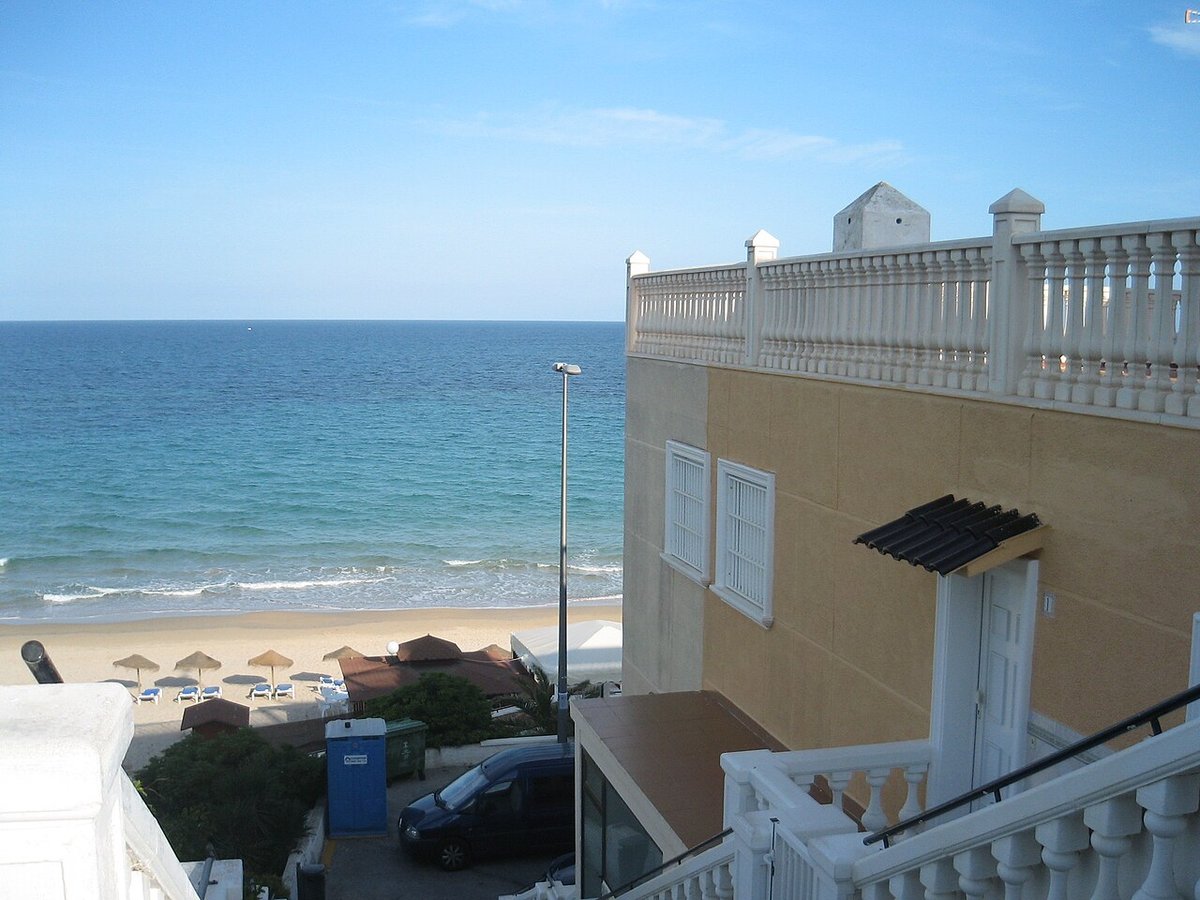
Vista aérea de Beniarjó
Instituto Geográfico Nacional · CC-BY 4.0 scne.es
Comunidad Valenciana · Mediterranean Light

Beniarjó

The church bell strikes seven and the village's only delivery van reverses down Carrer Major, beeping a rhythm that passes for morning rush hour. I...

1,964 inhabitants · INE 2025
48m Altitude

Why Visit

Church of San Juan Bautista Ausiàs March literary route

Best Time to Visit

spring

San Marcos fiestas (April) septiembre

Things to See & Do
in Beniarjó

Heritage

  • Church of San Juan Bautista
  • medieval cistern

Activities

  • Ausiàs March literary route
  • Walks through the market gardens

Festivals
& & Traditions

Fecha septiembre

Fiestas de San Marcos (abril), Fiestas Patronales (septiembre)

Las fiestas locales son el momento perfecto para vivir la autenticidad de Beniarjó.

Full Article
about Beniarjó

Birthplace of the poet Ausiàs March, with a rich literary and rural heritage.

Ocultar artículo Leer artículo completo

The church bell strikes seven and the village's only delivery van reverses down Carrer Major, beeping a rhythm that passes for morning rush hour. In Beniarjó, population 1,800, this is about as hectic as it gets. The citrus-scented silence that follows is broken only by swifts wheeling overhead and the click-clack of locals pulling metal shutters open for another day's business—three bakeries, two greengrocers, one pharmacy, done.

Forty-eight metres above sea level and exactly twenty minutes' drive from the nearest Costa beach, this agricultural dot on the Safor plain has never bothered with tourist brochures. There are no souvenir shops, no guided walks, no ticketed attractions. What it offers instead is a glimpse of inland Valencia that package holidays skip: irrigation channels built by the Moors still feeding orderly rows of orange trees, elderly men in blue overalls arguing over dominoes at 10 a.m., and a restaurant where the menu changes according to whatever Señá María bought at Gandía wholesale market that morning.

The Church, the River, and the Saturday Queue for Chicken

Iglesia de la Asunción dominates the skyline simply because nothing else rises higher than a two-storey house. Its 17th-century bell tower leans slightly west, a tilt noticed only after several visits or a very long coffee in the plaza. Inside, the air carries that particular coolness of thick stone walls and centuries of wax polish; look up to find a Neo-Baroque ceiling gilded in the 1920s when the village briefly grew rich on a particularly sweet variety of mandarin. Outside, swallows nest under the eaves and teenagers circle on bikes, practising the slow, lazy turns that pass for adolescence in places too small for trouble.

Behind the church, the dry riverbed of Vernisa marks the boundary between village and farmland. It isn't photogenic—think gravel, reeds, the odd abandoned irrigation pump—but it serves as a natural evening promenade. Families stroll here after the siesta hour, grandparents explaining to British visitors that the river last ran in spring 2019 and will probably stay empty until the next biblical storm. The path continues east for 3 km until it meets the Gandía canal, a straight, shaded walk where cyclists share the track with farmers on mopeds balancing ladders and orange crates.

On Saturdays the queue at Carnisseria Sanchis stretches out of the door by 9 a.m. Locals clutch paper numbers and gossip about rainfall, EU subsidies, and whose grandson has failed his driving test again. British second-home owners—there are perhaps a dozen—stand out by asking for chicken breasts skin-off, a request that still earns raised eyebrows. Buy the local sobrasada spreadable sausage instead; it keeps without a fridge and tastes of paprika and mountain air.

Rice, Fireworks, and the €14 Menu

La Llar restaurant occupies a converted 19th-century grain store on Calle de la Pau. Inside, the walls are the original stone, the tables are shared, and the house wine arrives in a glass jug with no label. The midday menú del día costs €14 and runs to three courses plus coffee; on Thursdays the rice is baked with pork ribs and garbanzos, a dish that needs no translation beyond "comfort". Ask for the English menu and they produce a single laminated sheet kept specifically for the Welsh family who bought the old post office, but Spaniards simply listen to what Señá María recites—usually five options, always including something with beans.

Summer fiestas begin on 15 August with the traca, a string of firecrackers that explodes for seven minutes at midnight precisely. Light-sleepers should book accommodation at the rear of Casa Rural l'Hort de Bauzá; front rooms overlook the plaza where brass bands play until the baker switches on his ovens at 4 a.m. The programme hasn't changed in decades: bull-running in the stock-yard at dawn (no killing, just adrenaline and bruises), paella contest in the school playground, and a disco that packs up at 3 a.m. because the DJ's wife wants him home. Visitors are welcome to join; wear cotton, bring earplugs, accept that the cider will be warm.

Oranges, Bikes, and the Gandía Bypass

From February to May the azahar blossom drifts over the village like expensive perfume. Agricultural tracks fan out in a grid, flat enough for anyone who last cycled during the 2012 London Olympics. Hire bikes at Hotel Casa Blava in neighbouring Palma de Gandía (€18 a day) and head south-east on the signed Via Verda, a former railway now surfaced with fine gravel. After 6 km the path crosses the AP-7 by an underpass and emerges suddenly at Playa de Xeraco—wild dunes, chiringuito beach bars, and a train back to Gandía if legs give up.

Orange-picking experiences operate on an ad-hoc basis. Ask inside the Co-operativa Agrícola (Mon–Fri 8–11 a.m.) and they will ring whichever farmer has space that morning. Expect to fill a 20 kg crate, pay €6 for the privilege, and leave with juice under your fingernails and a new respect for agricultural wages. There are no gift-wrapped samples; this is work, not Disneyland.

When the coast calls, Gandía's wide boulevard beach is 13 km away—15 minutes on the CV-60 mountain road if you ignore Google and add the extra time it warns you not to. Park under the palm trees by the marina (€1.50 all day except August) and walk five minutes to the less crowded southern end, where Valencian families set up camp with cool-boxes and portable paella stoves. The water shelves gently, lifeguards patrol until 7 p.m., and a beer at the yacht-club bar costs €2.20, half the price of anywhere on the seafront promenade.

Cash, Clocks, and Closing Times

Beniarjó has no cash machine; the nearest is in Real de Gandía, 4 km east. Tuesday is market day there—park on the ring road and walk in, because the single main street becomes a gridlock of plastic stalls selling socks, peppers, and knock-off Arsenal shirts. Back in the village, shops shut from 1.30 p.m. to 5 p.m.; plan accordingly or you'll be hungry until the bakery re-opens. Sunday lunch is sacred: kitchens fire up around 3 p.m. and close by 5 p.m. sharp. Arrive at 4.55 p.m. and even the English menu won't save you.

Evenings cool quickly outside July and August—pack a jumper whatever the forecast says. The one taxi operates from Gandía; pre-book or prepare for a 90-minute wait and a €25 fare. Better to treat the place as walkers treat Scottish islands: once you're in, you're in. The difference is the scent of orange blossom instead of heather, and the realisation that Spain can still do quiet without trying to sell it back to you.

Key Facts

Region
Comunidad Valenciana
District
Safor
INE Code
46055
Coast
No
Mountain
No
Season
spring

Livability & Services

Key data for living or remote work

2024
ConnectivityFiber + 5G
TransportTrain nearby
HealthcareHospital 4 km away
EducationElementary school
Housing~6€/m² rent · Affordable
CoastBeach nearby
Sources: INE, CNMC, Ministry of Health, AEMET

Planning Your Visit?

Discover more villages in the Safor.

View full region →

More villages in Safor

Traveler Reviews