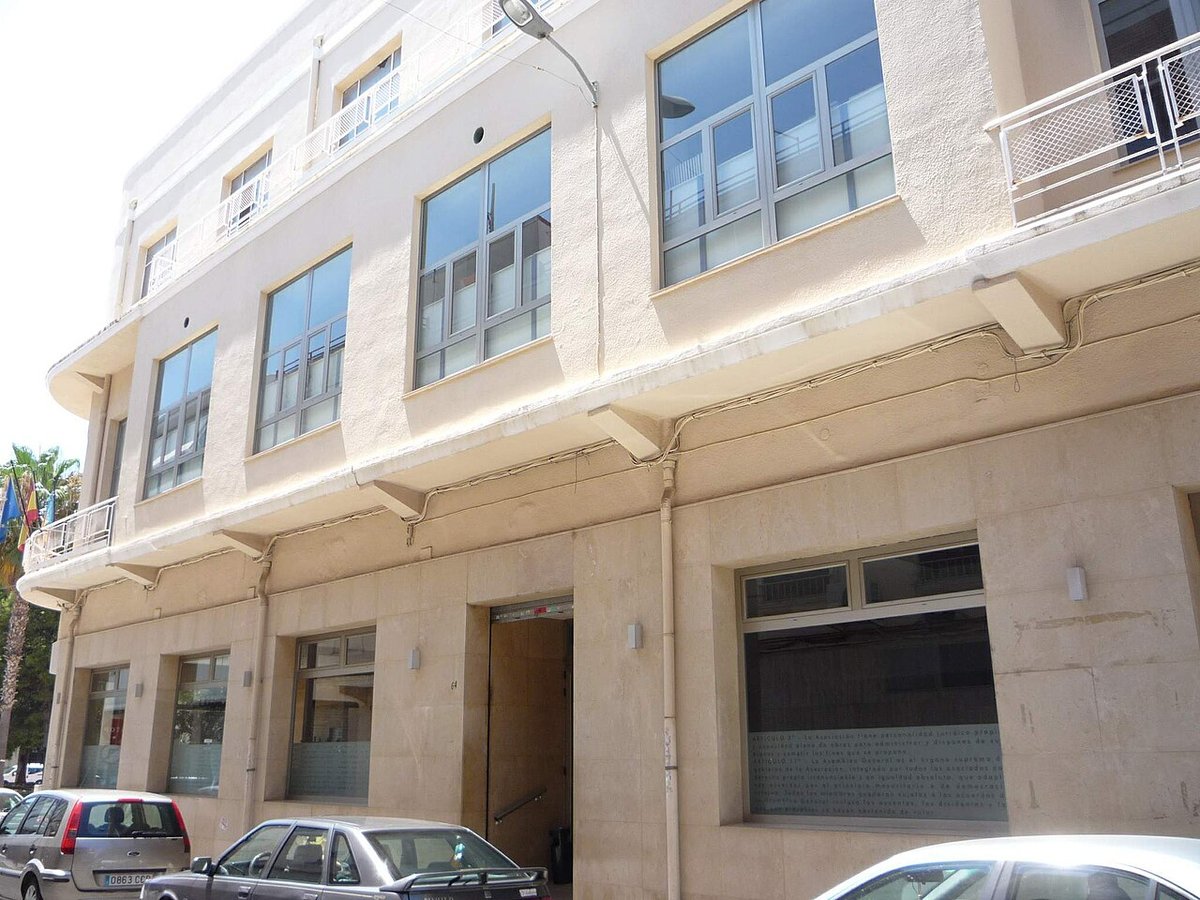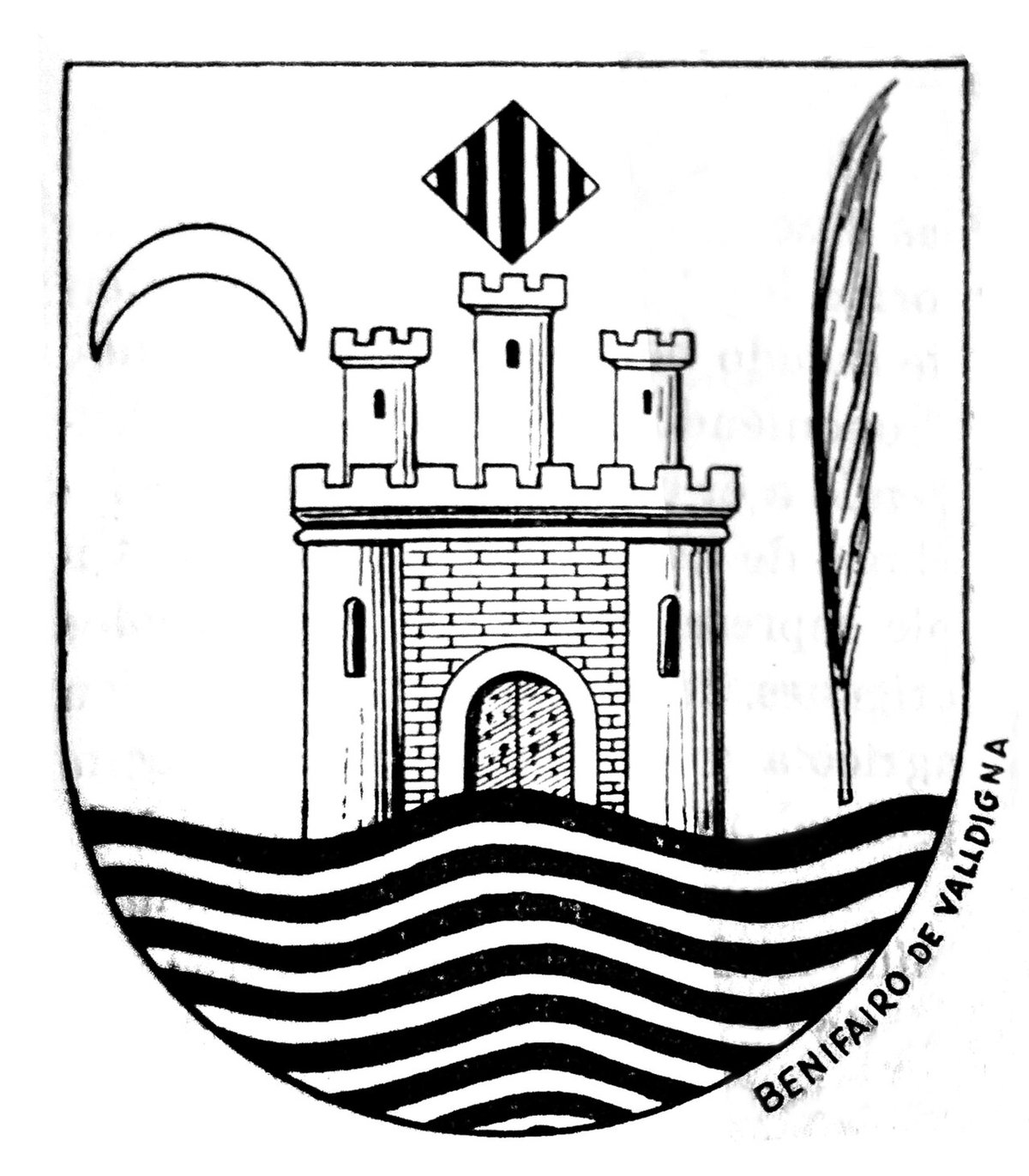
Escut de Benifairó de la Valldigna (informe oficial 1958).jpg
Julio Guillén (?) · Public domain
Comunidad Valenciana · Mediterranean Light

Benifairó de la Valldigna

At six-thirty on an April morning the loudspeakers crackle alive, not with news but with a volley of fireworks that rattles the shutters of the Igl...

1,588 inhabitants · INE 2025
40m Altitude

Why Visit

Castle of Marinyén Monastery Route

Best Time to Visit

summer

San Benito Festival (August) agosto

Things to See & Do
in Benifairó de la Valldigna

Heritage

  • Castle of Marinyén
  • Church of Saint John the Evangelist

Activities

  • Monastery Route
  • Hiking

Festivals
& & Traditions

Fecha agosto

Fiestas de San Benito (agosto)

Las fiestas locales son el momento perfecto para vivir la autenticidad de Benifairó de la Valldigna.

Full Article
about Benifairó de la Valldigna

In the heart of Valldigna, surrounded by orange groves and mountains, near the monastery

Ocultar artículo Leer artículo completo

At six-thirty on an April morning the loudspeakers crackle alive, not with news but with a volley of fireworks that rattles the shutters of the Iglesia de San Lorenzo. It is the daily mascletà rehearsed for August fiestas, yet even out of season the village refuses to wake quietly. By seven the air is thick with orange-blossom perfume drifting in from the groves that press against every street end, and the first baker is already lifting trays of pan de Calatrava—a set custard square that tastes like cold bread-and-butter pudding—onto the counter. Benifairó de la Valldigna does not do lie-ins.

Between the coast and the sierra

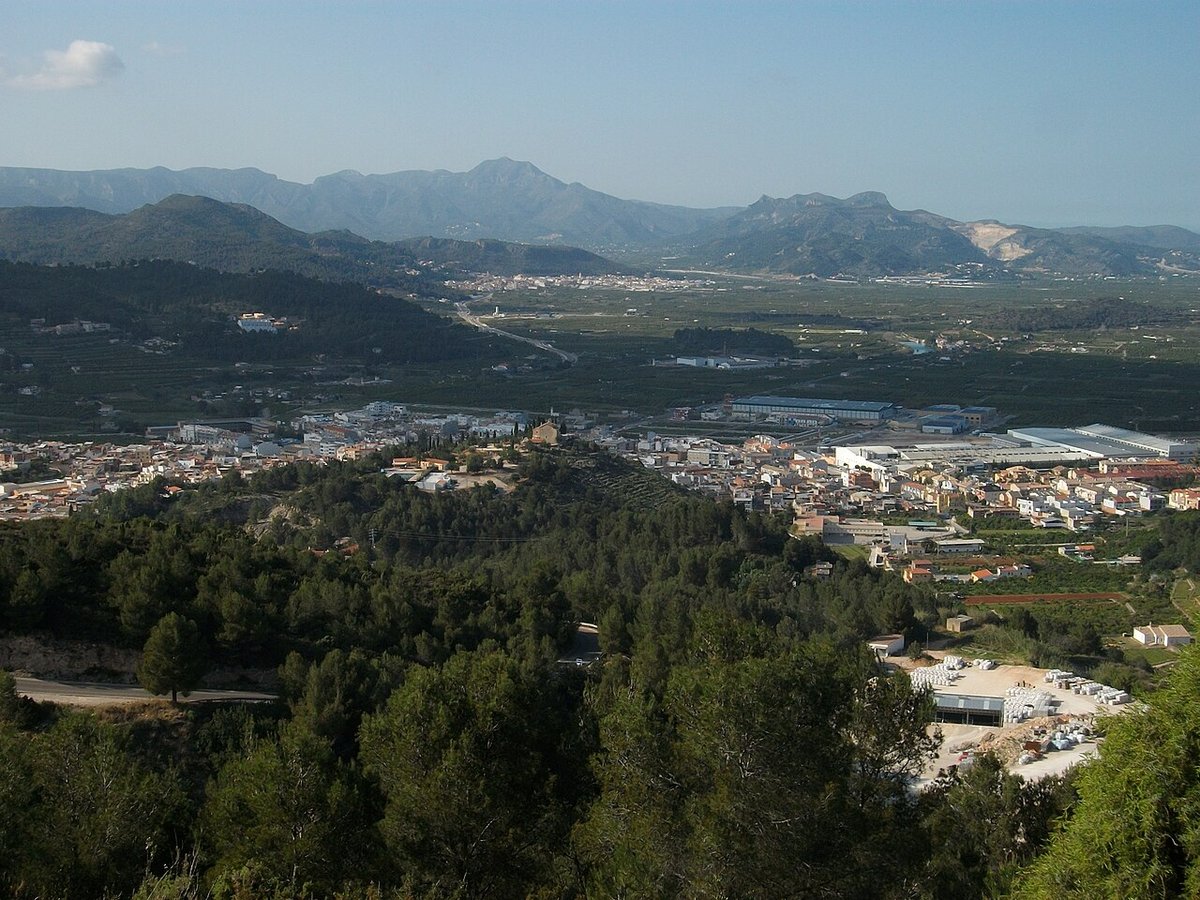
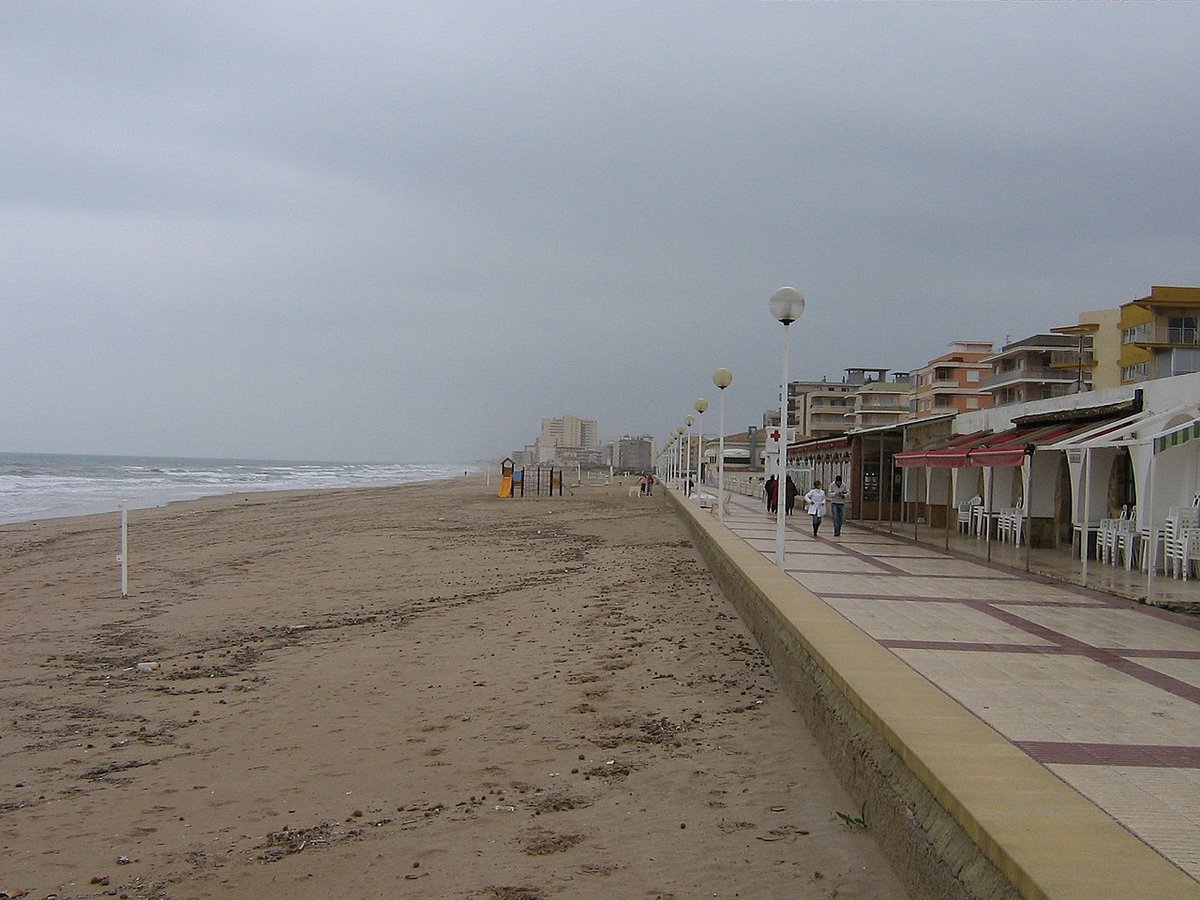
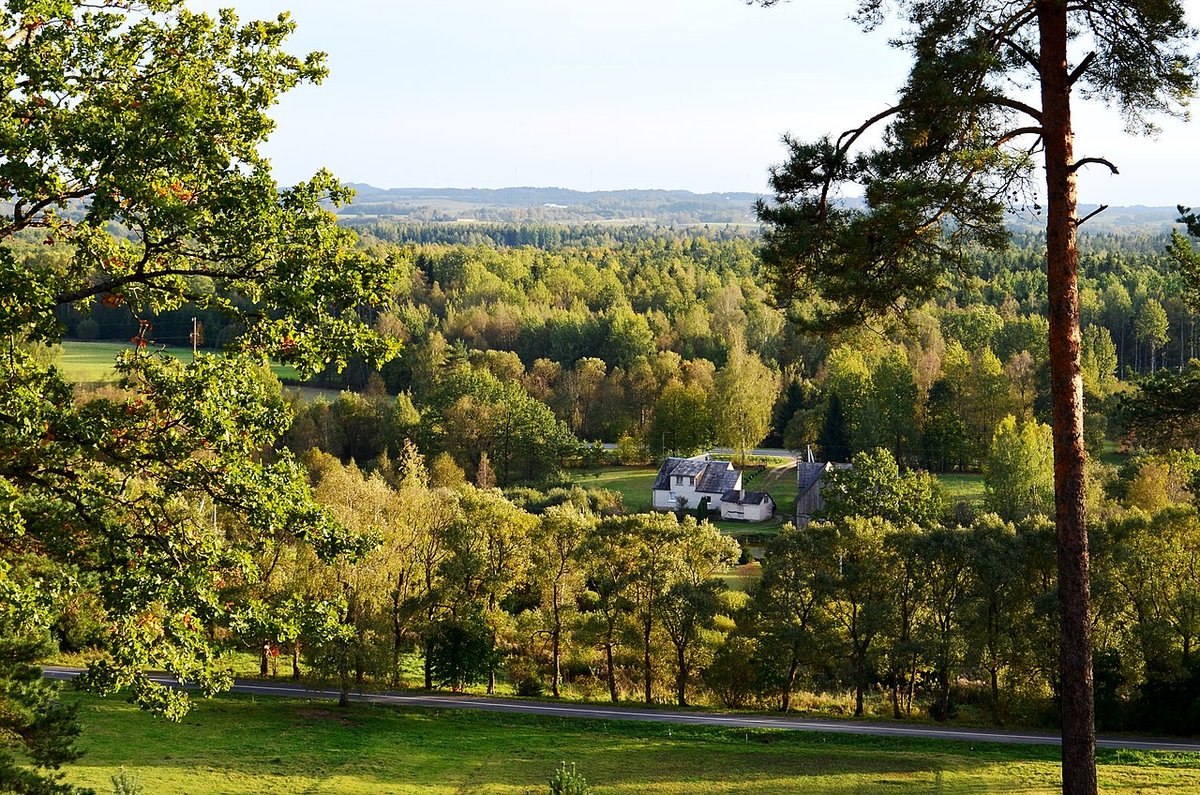
Eight kilometres from the sea yet emphatically inland, the village sits in the fertile trough of the Valldigna, a green wedge scooped out of the Safor hills. The Mediterranean is close enough for salt to fleck the morning breeze, but here the soundtrack is tractors and campanadas, not crashing surf. Drive in from the AP-7 and the road drops gently through ranks of citrus: first clementines, then the thicker-canopied navel oranges whose fruit will still be hanging next May. At 40 m above sea level the climate is a compromise—frost-free winters for the fruit, yet 35 °C summers tempered by the valley’s evening draught. British visitors escaping Cornwall’s July drizzle should reckon on 10 °C more than home; bring a hat, not a fleece.

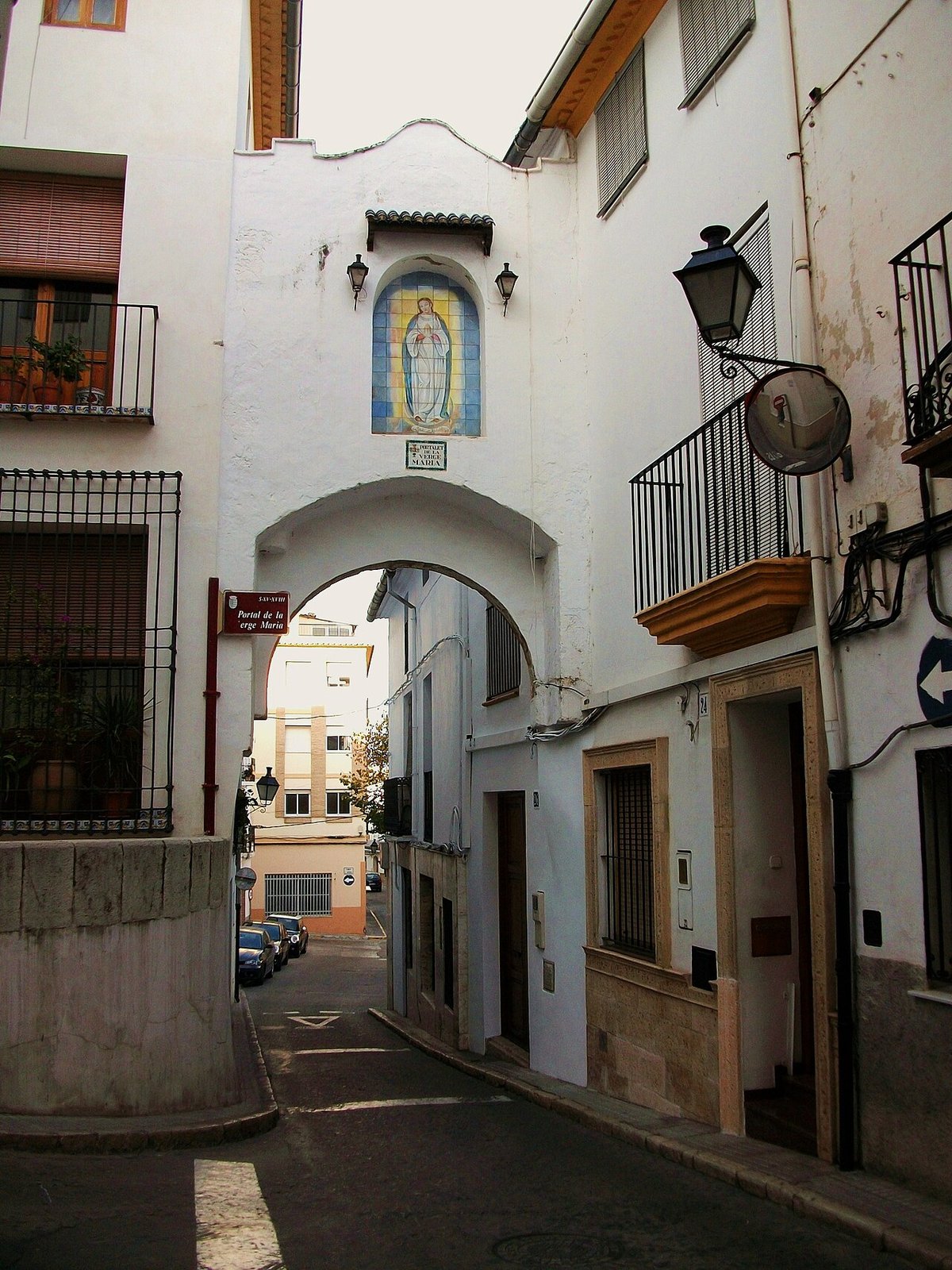
The grid of streets is walkable in fifteen minutes, but allowances must be made for stopping. Every corner reveals a 1890s townhouse with green balcony rails and a timber door big enough for a mule cart. Some are freshly painted, others flake handsomely; restoration grants arrive in dribs and drabs, so the high street alternates between gleaming ochre and sun-bleached plaster like a row of teeth in need of an NHS dentist. The effect is honest rather than shabby, and house prices remain half those of gleaming coastal developments fifteen minutes away.

What the brochures leave out

There is no medieval core, no castle keep to climb. Instead, heritage is measured in irrigation channels cut by the monks of Santa María de Valldigna whose ruined monastery lies two kilometres north. The Cistercian foundation once governed life here; its abbot collected tithes in oranges and handed out water turns measured by the quart—still the local unit for a tractor tank. The monastery is now a hollow sandstone shell open dawn-to-dusk, free, and mercifully devoid of gift shops. Climb the bell-tower stump for a 360-degree primer: sea to the east, Mondúber peak to the west, and a patchwork of smallholdings stitched together by cane wind-breaks. Interpretation boards are Valencian-only, so download a translation app beforehand or simply enjoy the echo of swallows in the cloister.

Back in the village the parish church of Sant Llorenç (San Lorenzo) does duty as both spiritual and social hub. Mass at 11:00 on Sunday is followed by vermouth on the church steps; if you want to eavesdrop on village gossip, stand nearby with a plastic cup of beer—€1, proceeds to the fiesta fund. Inside, the baroque retable is heavy with gold leaf that survived three wars because the locals painted it battleship grey whenever trouble approached. Ask the sacristan and he’ll flip on the lights: no charge, though a €2 coin in the box keeps the bulbs working.

Eating like you mean it

Rice is not a menu cliché here; it is the calendar. Thursday is arròs al forn day, baked with pork ribs and chickpeas in clay dishes that blacken with age. Most cafés will serve it only until it runs out—usually by two o’clock—so don’t plan a late lunch. The river Vernissa once powered small mills for the grain; today the water is trickling, but the mill houses survive as family patios where grandmothers still hand-grind ñoras peppers for the sofrito. Visitors self-catering should stop at the roadside honesty stall opposite the football ground: 5 kg of navels for €4, knife provided, plastic bag compulsory. The owner checks stock via CCTV from his living-room; leave coins in the tin or risk being named on the village Facebook page.

Evening eating choices are limited to four bars and one proper restaurant, Casa Paquito. Expect no Michelin hyperbole: grilled sardines in summer, rabbit with snails in winter, and a wine list that begins and ends with the local co-op’s tinto joven. A three-course menú del día is €13 mid-week; pay cash, because the card machine only works when the barman’s cousin remembers to charge it. Brits hankering for something stronger than Spanish table wine should detour to the Carrefour in Gandia beforehand; Benifairó’s off-licence shelf extends to two brands of gin and a suspiciously dusty bottle of Bell’s.

Moving on, slowly

The municipality has no bike hire, so bring your own or rent in Gandia. A 26-km loop south to Barx and back is the classic Sunday outing: 400 m of climbing, almond blossom in February, rosemary scent year-round. The road surface is smooth until the last 4 km, when it degrades to patchwork—fine for hybrids, punishing on 23 mm slicks. If walking is preferred, follow the Camí Natural downstream for 3 km until the irrigation channels end in reeds. Herons flap lazily; locals fish for bogues they swear are tastier than sea bass farther down. The path is flat, pram-friendly, and mercifully shaded, but carry repellent: citrus groves breed tiger mosquitoes that treat DEET as a condiment.

Beach addicts can reach Playa de Tavernes in twelve minutes by car. The sand is clean, the car park €1.20 per hour, and the chiringuito will fry your catch for a €3 supplement. What you lose is the hush of the valley: radios compete with jet-skis, and Sunday crowds resemble a cut-price Costa Blanca. The smarter move is to visit late afternoon, swim while the sun drops behind the dunes, then retreat uphill as the temperature falls five degrees along the CV-60.

When things go bang

Fallas in March turns every junction into a papier-mâché satire. Benifairó’s monuments are child-sized compared with Valencia’s skyscrapers of foam, but the cremà still sets fire to a month’s work at midnight, accompanied by brass bands and free bunyols (doughnut blobs) dipped in thick chocolate. Ear-plugs advised: decibels rival a Belfast Bonfire Night. Mid-August belongs to San Lorenzo: morning mascletaes, evening processions, and a foam party in the polideportivo that delights teenagers and soaks the village WhatsApp group with complaints about water wastage. Accommodation is scarce during fiestas; the single three-bedroom rental on the main street books a year ahead, so plan accordingly or stay in Gandia and drive—designated driver essential, because the local police set up a breath-check at the roundabout.

Getting here, and why you might not bother

There is no railway station. The C-1 line from Valencia to Gandia stops at Tavernes; from there a taxi costs €18 or the hourly bus €1.55, but neither runs after 21:30. Car hire from Valencia airport takes 55 minutes on the AP-7 (toll €7.90) and is effectively compulsory if you want to leave the village perimeter. Sunday shutdown is total: the bakery closes at 13:00, the supermarket never opens, and even the vending machine in the sports centre jams with remarkable reliability. Fill up with diesel and cash on Saturday or risk pushing the hire car to the BP on the motorway.

So why come? Not for selfies with ancient ramparts, nor for nightlife that stretches beyond midnight. Benifairó rewards those who measure holiday success in small, repeated pleasures: the scent change when breeze crosses from orange blossom to rosemary, the sight of an elderly man shelling beans on a doorstep, the first cold sip of horchata after a hot ride. If that sounds too quiet, book the Costa instead. The village will still be here, firing rockets at dawn, quietly indifferent to whether you ever discovered it.

Key Facts

Region
Comunidad Valenciana
District
Safor
INE Code
46059
Coast
No
Mountain
No
Season
summer

Livability & Services

Key data for living or remote work

2024
ConnectivityFiber + 5G
TransportTrain nearby
HealthcareHospital 6 km away
EducationElementary school
Housing~5€/m² rent · Affordable
CoastBeach nearby
Sources: INE, CNMC, Ministry of Health, AEMET

Official Data

Institutional records and open data (when available).

  • Convento de Aguas Vivas
    bic Monumento ~6 km
  • Castillo de Marinyén
    bic Monumento ~2.4 km
  • Convento de Aguas Vivas
    bic Monumento ~6 km

Planning Your Visit?

Discover more villages in the Safor.

View full region →

More villages in Safor

Traveler Reviews