Full Article
about Benirredrà
Municipality bordering Gandia that still feels like a quiet village.
Ocultar artículo Leer artículo completo
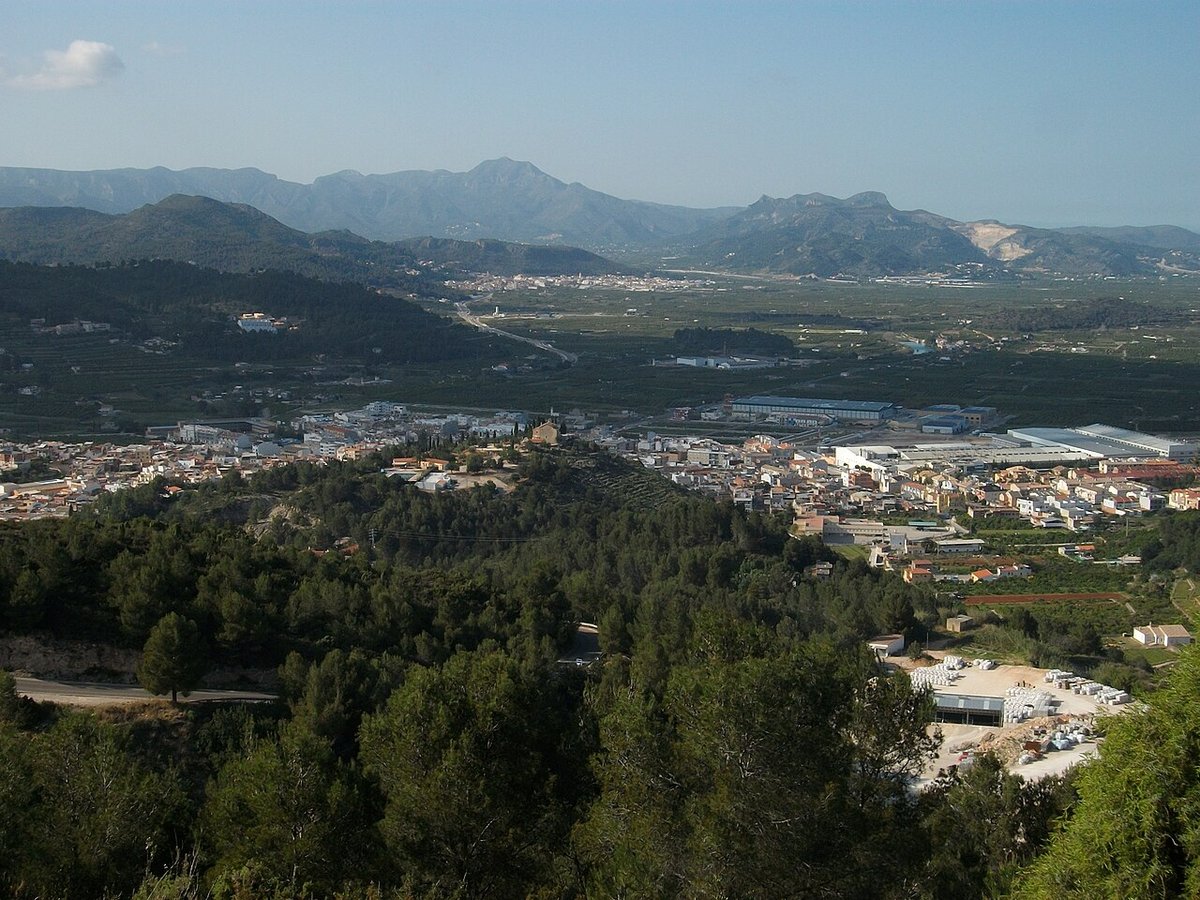
The morning bus from Valencia drops you at a crossroads flanked by citrus groves, their leaves still silvered with dew. No souvenir stalls, no multilingual menus—just the smell of orange blossom and the sound of irrigation channels doing their ancient work. This is Benirredrà, five kilometres inland from Gandia's packed beaches, a village that measures time by blossom and harvest rather than check-ins or tour buses.
A Plain Village with Its Back to the Coast
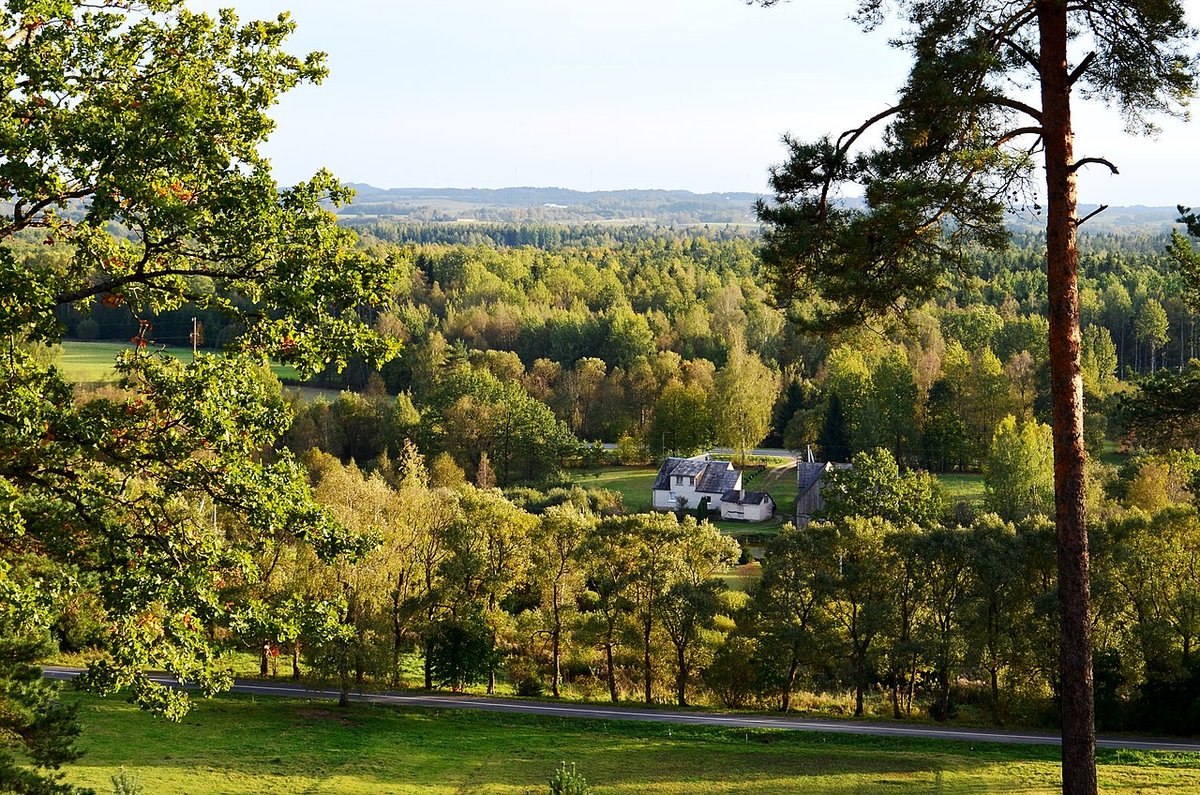
At barely ten metres above sea level, Benirredrà sits on the coastal plain rather than clinging to any dramatic escarpment. The landscape is flat, practical, shaped by farmers rather than postcard photographers. Rows of navel late oranges run right to the edge of the houses; in March their white flowers perfume the air so heavily that even the village bakery smells of azahar. Winter brings a different spectacle: fruit glowing like lamps among glossy green foliage, ready for picking from November through May.
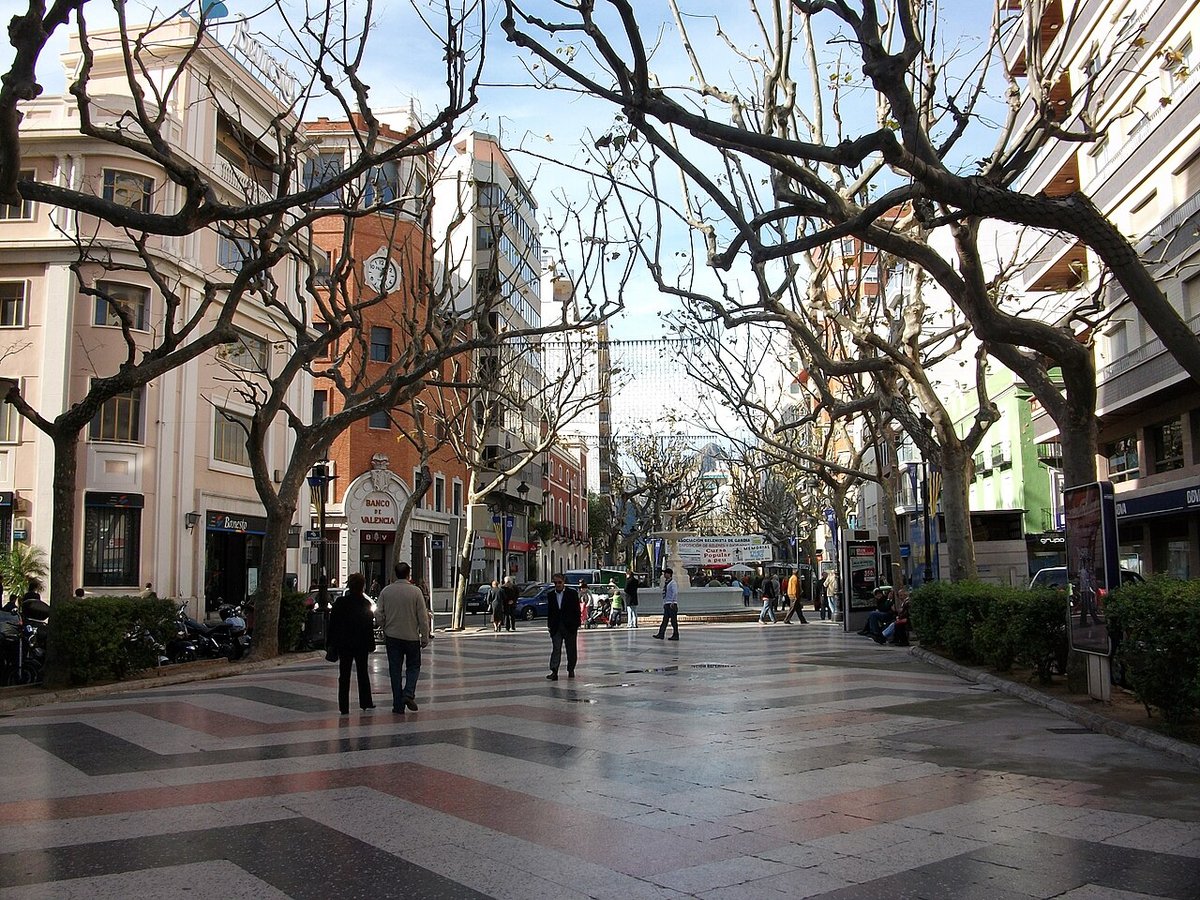
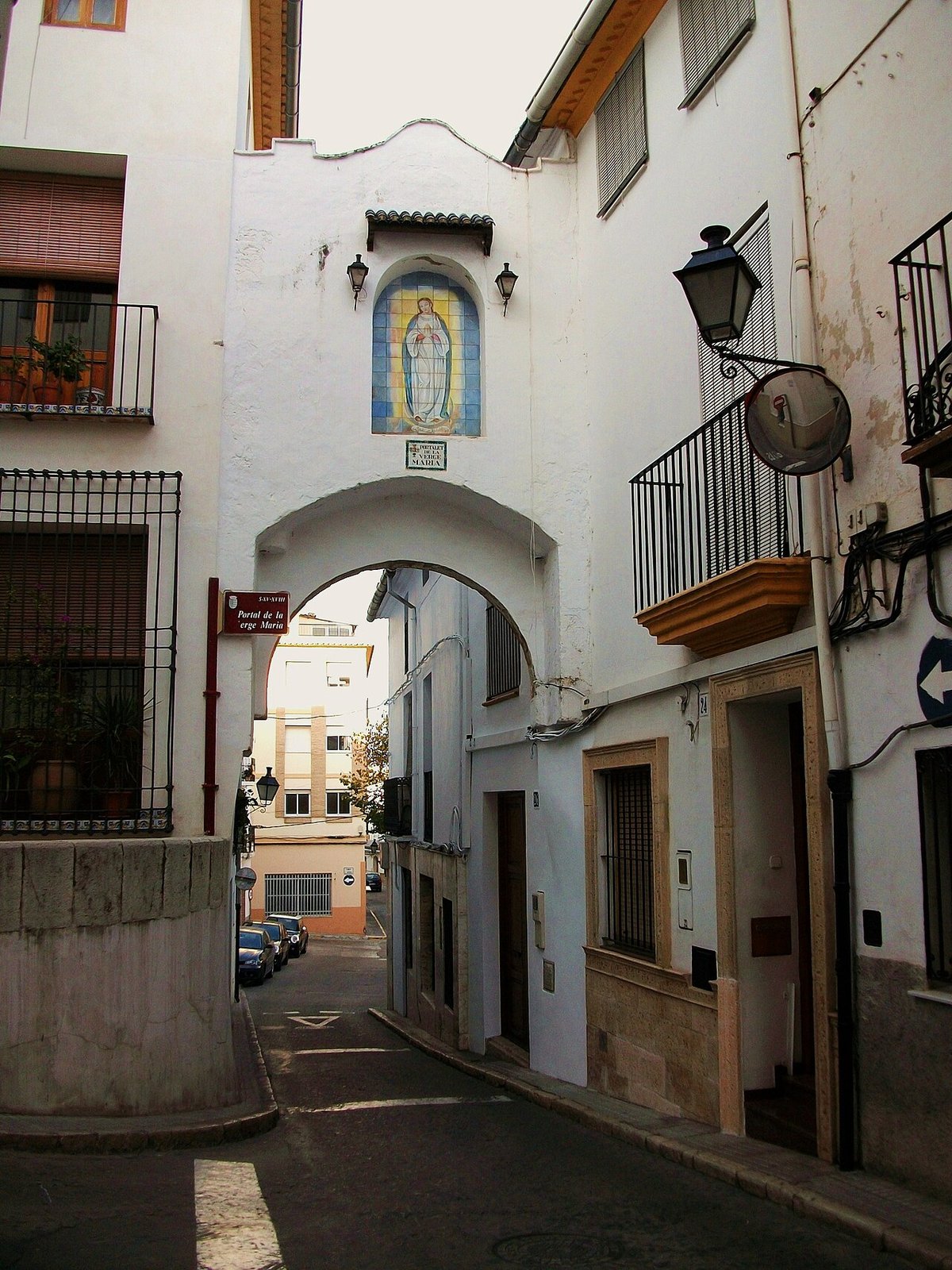
The village streets follow a loose grid that once matched the irrigation ditches—short, straight, easy to navigate on a bike with a basket of shopping on the handlebars. Houses are low, mostly one or two storeys, some still whitewashed, others modernised with aluminium shutters that rattle in the afternoon breeze. Nothing is prettified for visitors; laundry hangs from first-floor rails, and elderly men occupy the metal benches in Plaça de l'Església with the dedication of office workers at their desks.
What Passes for Sights
Parroquia de Sant Miquel dominates the main square, its modern bell tower a simple rectangle of stone and render. Step inside mid-morning and you'll find the nave empty except for a woman swapping yesterday's flowers for today's, the stone floor still cool from the night. The altarpiece is restrained, almost Protestant in its lack of gold, more about community maintenance than baroque dazzle. Outside, swallows nest under the eaves, returning each spring to the same mud cups while the priest rings the bell at fractions past the hour—never quite on time, but always audible across the groves.
A five-minute stroll takes you to the old washing house, safareig, fed by a millennia-old irrigation channel. Until the 1970s women still scrubbed sheets here; now it's where teenagers practise BMX tricks while their grandparents look on, half disapproving, half envious. The water runs clear, diverted from the River Vernisa, and if you dip a hand in you'll understand why locals insist it tastes better than anything from a tap.
Beyond the last street lamps the agricultural lanes begin. These caminos are wide enough for a small tractor and shaded by carob or loquat trees. Walk south for twenty minutes and you reach the disused railway that once carried oranges to Denia port; the trackbed is now a dirt cycleway that links Benirredrà to Gandia in one direction and to the marshy marjal in the other. Bring insect repellent if you plan to reach the wetlands—summer mosquitoes have no respect for tourists.
Eating Without the Fanfare
There is no tasting-menu restaurant here. What you get is a hand-written menú del día at Bar Central (€12, bread and wine included) that might start with espinacas con garbanzos and finish with arroz al horno baked in the same wood-fired oven they use for morning pastries. Order clóchinas—tiny local mussels—if you see them on the Friday blackboard; they arrive from Gandia's port twenty minutes away and taste of seawater even though you're inland. Vegetarians do better than expected: the vegetable plots supply the kitchen, so artichokes or borra (wild spinach) appear according to the week, not the marketing plan.
If you're self-catering, the Supermercado Más y Más opens at 9 a.m. and stocks cured longaniza sausages made in neighbouring La Safor mountains. Ask for naranjas de mesa rather than juice oranges; they're more expensive but peel like a clementine and burst with sugar. The season peaks in February, when a kilo can drop to 80 cents if you buy from the roadside honesty boxes—leave coins in the tin, take what you paid for. No one watches, but everyone notices.
When the Village Lets Its Hair Down
Fallas in mid-March turns the quiet grid into a smoky corridor. Neighbourhood committees spend the year building ninots—satirical figures that go up in flames on the 19th. Benirredrà's versions are modest, three metres high rather than the sky-scraping structures of Valencia city, but the mascletà firecrackers still rattle windows and set off every car alarm. If you dislike loud bangs, avoid the 1 p.m. coordinated explosion in the main square; if you enjoy controlled chaos, stand down-wind so the gunpowder drifts over you.
August brings the Fiestas Patronales, five days when the population doubles as emigrants return. Brass bands parade at midday when the sun is frankly too fierce for marching; sensible visitors follow the shade side of the street. Night-time verbenas feature chart hits from the 1990s and plastic cups of mistela sweet wine for a euro. The fairground occupies what is usually the football pitch; the ferris wheel is small enough that you can recognise every face that goes past at the top.
Getting Here, Getting Out
Benirredrà has no railway station. From Valencia's Estació del Nord take the C-1 train to Gandia (70 minutes, €5.80), then bus LAC2 from outside the station. Buses run hourly except for the siesta gap between 2 p.m. and 4 p.m.; Sunday service drops to every two hours, so plan accordingly. A taxi from Gandia costs about €12 if you miss the last bus. Driving is straightforward: exit 61 off the AP-7, then CV-60 towards Oliva; the village appears five minutes after the orange warehouses.
Accommodation is limited to two guesthouses, both spotlessly clean, both cheaper than a beachside hostel bunk. Casa Rural La Fageda has three doubles arranged around a patio where breakfast includes fresh juice from their own grove. Hostal El Pilar is simpler—think Formica tables and Wi-Fi that copes with email but not Netflix. Book ahead during Fallas or August; outside those weeks you can knock on the door and get a room.
The Honest Verdict
Come here if you want to see how a coastal province lives when the sea is only a smudge on the horizon. The village won't entertain you in the conventional sense: there's no museum, no guided tour, no fridge-magnet industry. Instead it offers a lesson in irrigation schedules, the difference between a Valencia late and a navel orange, the way neighbours share an electric generator when the tramuntana wind brings down the cables. You could exhaust the geographical sights in half a day, yet linger longer and you'll start noticing subtleties: how the church bell adds an extra chime when someone local dies, why farmers prune lower branches so the sun reaches the village footpaths, where to stand at dusk so the swifts swoop overhead like shrapnel.
Leave before the coastal breeze picks up and you'll carry the smell of blossom on your clothes all the way back to Gandia's beach bars. It's a quieter souvenir than sand between the toes, and it lingers longer than salt on the skin.