Full Article
about Castellonet de la Conquesta
One of the smallest towns in La Safor, with a landmark historic arch.
Hide article Read full article
A village that runs on its own time
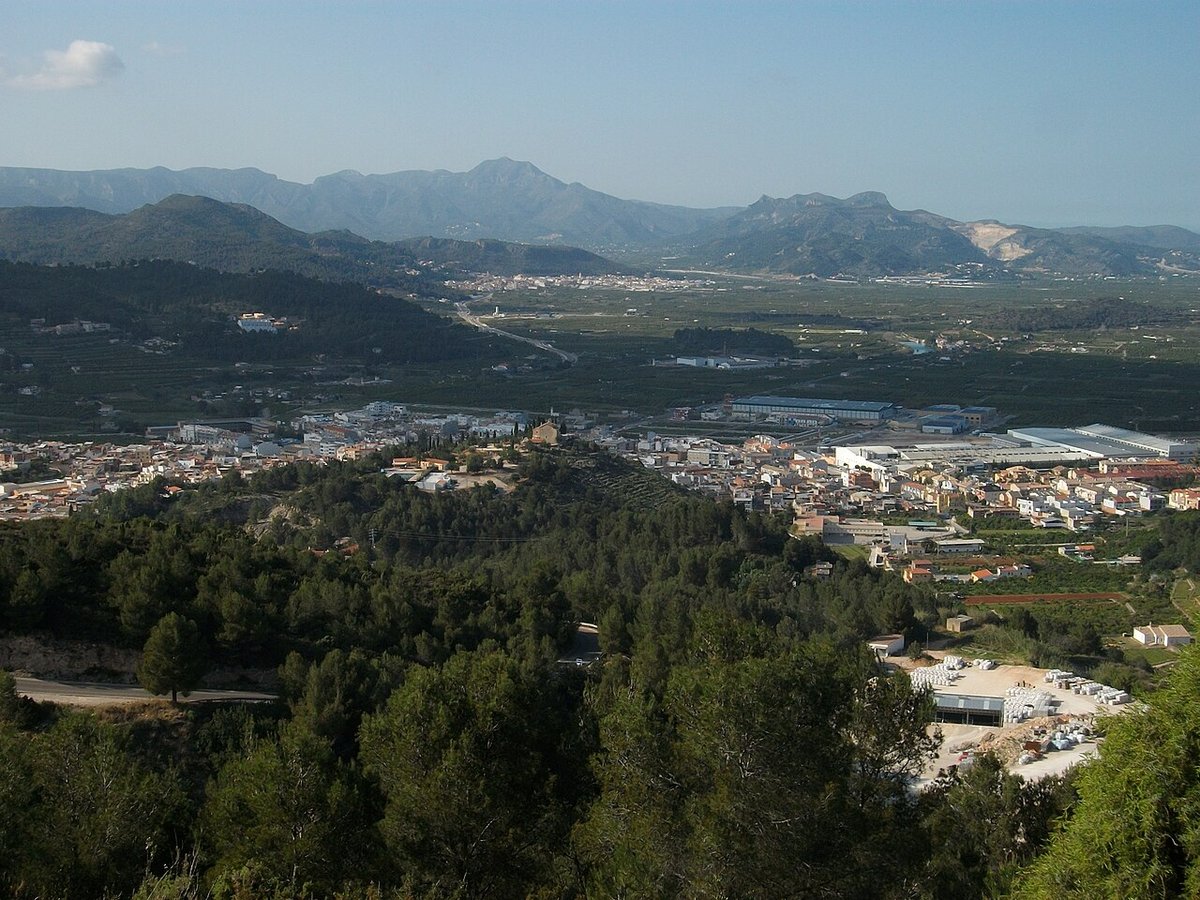
Castellonet de la Conquesta is like that friend's country house you swing by for a coffee and end up staying for lunch. Not because there’s a ton to do, but because the clock just seems to tick differently here. It’s just over an hour south of Valencia, tucked into the terraced hills of La Safor where the orange groves start to take over. With about 150 people, it’s less a tourist stop and more a place that just… exists. You park your car—there’s always space—and within thirty seconds you’re in the middle of it. No fanfare, no souvenir shops. Just quiet.
Walking the old quarter
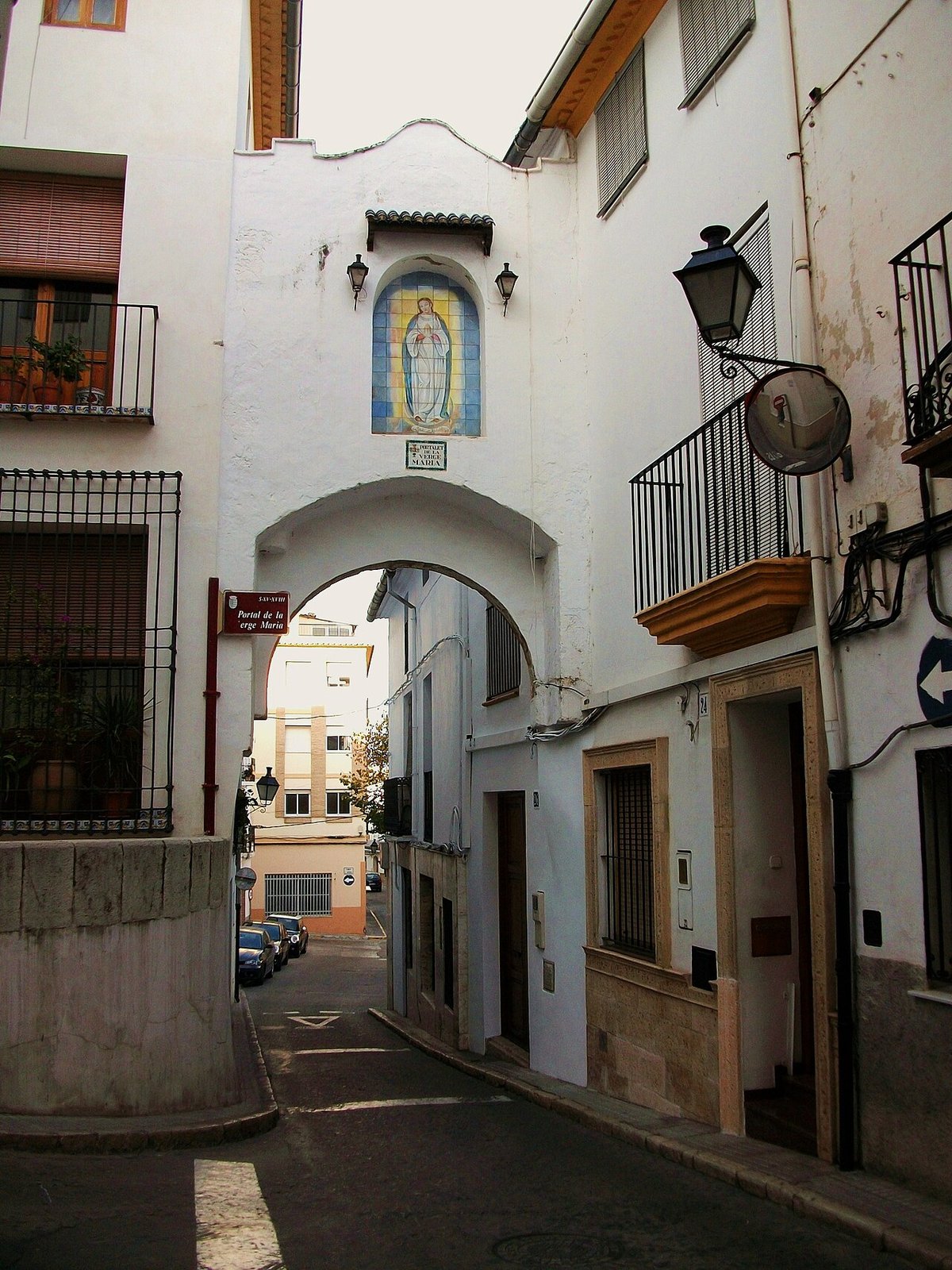
The historic centre isn’t big. You can walk from one end to the other in five minutes if you don’t stop. But the streets are narrow enough that you have to step aside if a car comes through, which forces that slower pace.
You won’t find grand palaces or museums. What you get are thick stone walls, wooden doors that look original, and the occasional smell of jasmine from a hidden patio. The parish church of San Miguel is the main building, solid and plain, like a piece of furniture that’s always been there. It’s usually closed unless it’s mass time, but its presence sort of anchors the whole place.
The small square is where things happen, if you can call it that. Come late on a weekday afternoon and you might see two neighbours talking, or someone just sitting on a bench. It’s not staged; it’s just what passes for activity here.
The paths between the groves
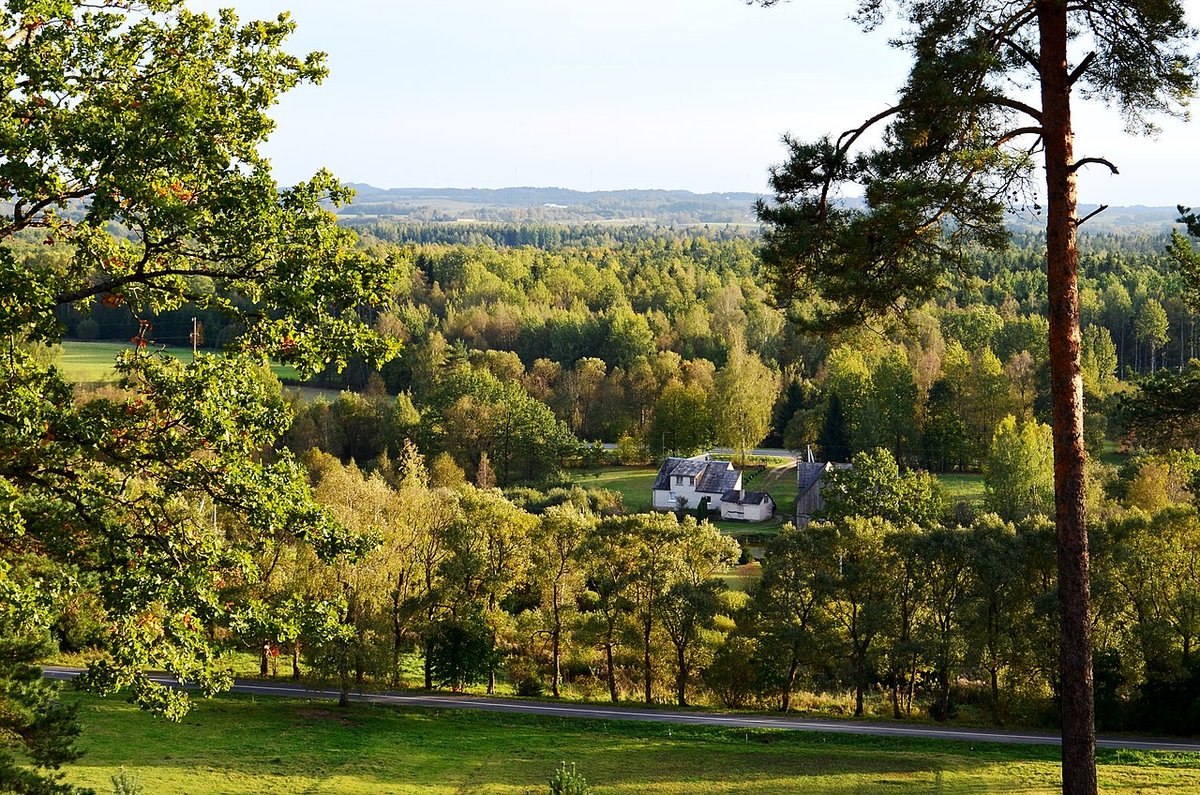
If you walk past the last house, you hit the fields almost immediately. This is where Castellonet makes sense. Stepped terraces of oranges and almonds stretch out, divided by dry-stone walls older than anyone in the village.
The paths aren't signposted hiking trails—they're farm tracks. You'll pass irrigation ponds full of frogs, old tool sheds with rusted locks, and trees heavy with fruit in season. In January and February, the almond blossom is worth the trip alone; it feels like someone dusted the green hills with snow.
It's flat walking, no climbs. You can loop back to the village in forty minutes or just wander until you feel like turning around. The only sounds are birds and maybe a distant tractor.
How to do a visit here
Let's be clear: you don't come to Castellonet for thrills. You come here as a break between bigger places in La Safor, or as a detour on your way from the coast inland.
Spend an hour walking every street. Then take one of those farm tracks for twenty minutes until you lose sight of the rooftops. Head back and sit in the square for a bit. That's pretty much it.
Food-wise, you're in inland Valencian territory. Think straightforward rice dishes, whatever vegetables are in season, and sweets made with local almonds or oranges from those same groves you just walked past.
Festivals & timing
Life here follows two calendars: the religious one and the harvest. The main event is around late September for San Miguel Arcángel. The population doubles as families return, there's music in the streets at night, and they roll out some traditional events. In January, they mark San Antonio Abad—you might see a small bonfire or blessing if you time it right. Holy Week is observed quietly, which fits.
Getting here requires a car. From Valencia, head towards Gandia then follow signs inland towards Villalonga/Llocnou de Sant Jeroni. The last bit winds through orange groves on roads barely wide enough for two cars—drive slow. Spring and autumn are best for weather. Summer? It gets properly hot by 11am. Winter has its own bare beauty, and you'll likely have the place to yourself.
Castellonet doesn't pretend to be anything it's not. It's a handful of quiet streets surrounded by working fields. A good place to stretch your legs, breathe air that smells of damp earth and citrus, and remember what silence actually sounds like. Then you get back in your car and drive on