Full Article
about Daimús
Coastal town with a family beach and tourist developments
Hide article Read full article
The smell of mandarin oranges can catch you off guard. The car window is down because this is the coast and the air feels like it should be let in, and then suddenly the interior fills with a sweet, citrus scent, as if someone has opened a box of fruit in the middle of the fields. That moment often coincides with arriving in Daimus.
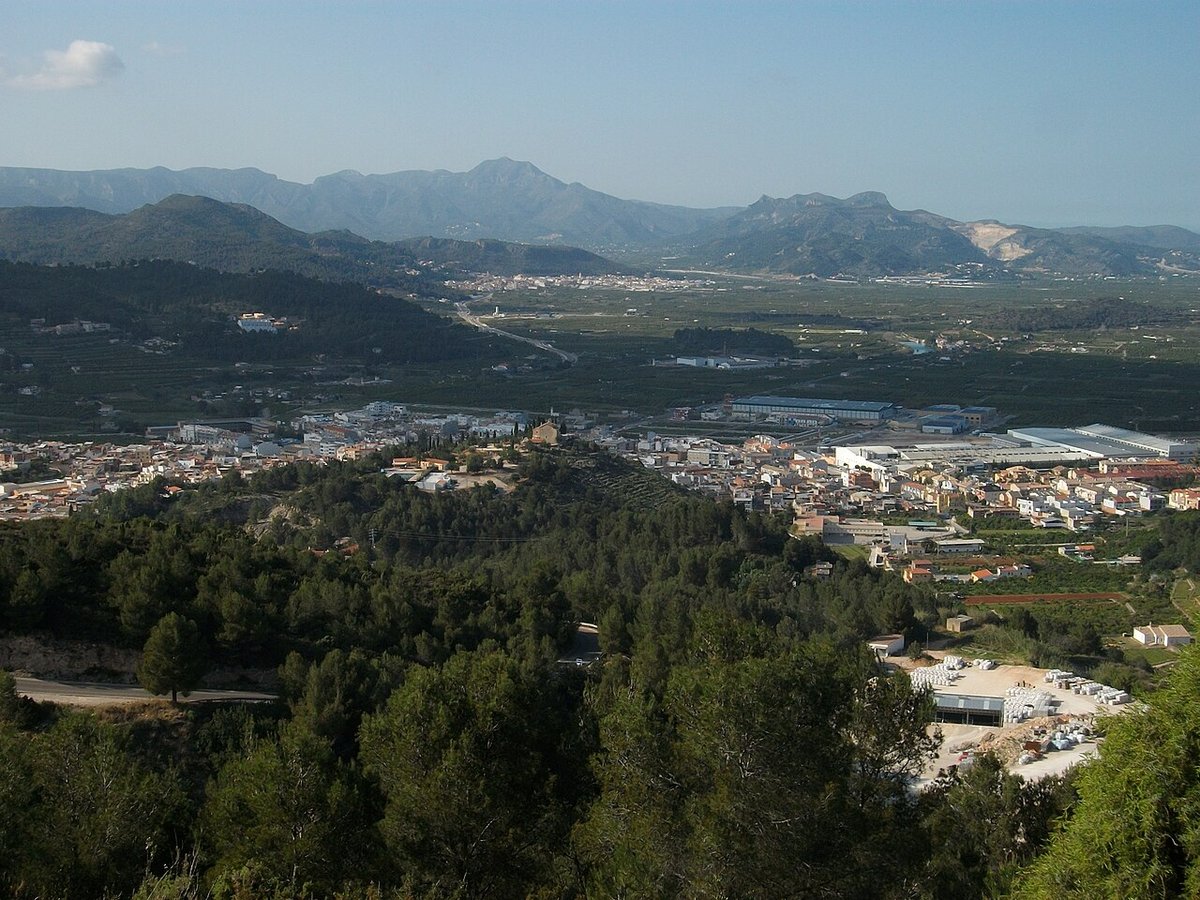
Daimus sits in the comarca of La Safor, pressed up against Gandia and Oliva. It has just over three thousand inhabitants, citrus groves all around and a stretch of beach that for years has been the quieter option in this part of the Valencian coast. It does not have the noise of its larger neighbours, and the difference is noticeable. The sand is fine and the seabed slopes gently, one of those shores where you can walk several metres into the water and still touch the bottom.
Rice by the Sea, Citrus Behind
Food carries weight here. Along the seafront promenade there are several straightforward restaurants, the sort with paper tablecloths and menus centred on rice dishes. Around lunchtime, paellas appear one after another from the kitchen.
Arroz a banda is common in this area of the Comunidad Valenciana. When it is done well, you can tell straight away: a rich stock, separate grains of rice and a deep fish flavour that does not need embellishment. You will also come across arroz meloso, creamier in texture, and other coastal dishes that feature ventresca, cured fish or grilled vegetables. Nothing experimental, nothing designed to surprise. It is beachside cooking that feels suited to a long Sunday meal.
Further into the town centre, smaller bars take over. Here the focus shifts to toasted bread with toppings, simple tapas and almuerzos. An almuerzo in this part of Spain is a substantial late-morning meal that often starts with peanuts and ends with a long coffee. These are places where locals know one another and conversation tends to move faster than the service.
A Beach Without Fuss
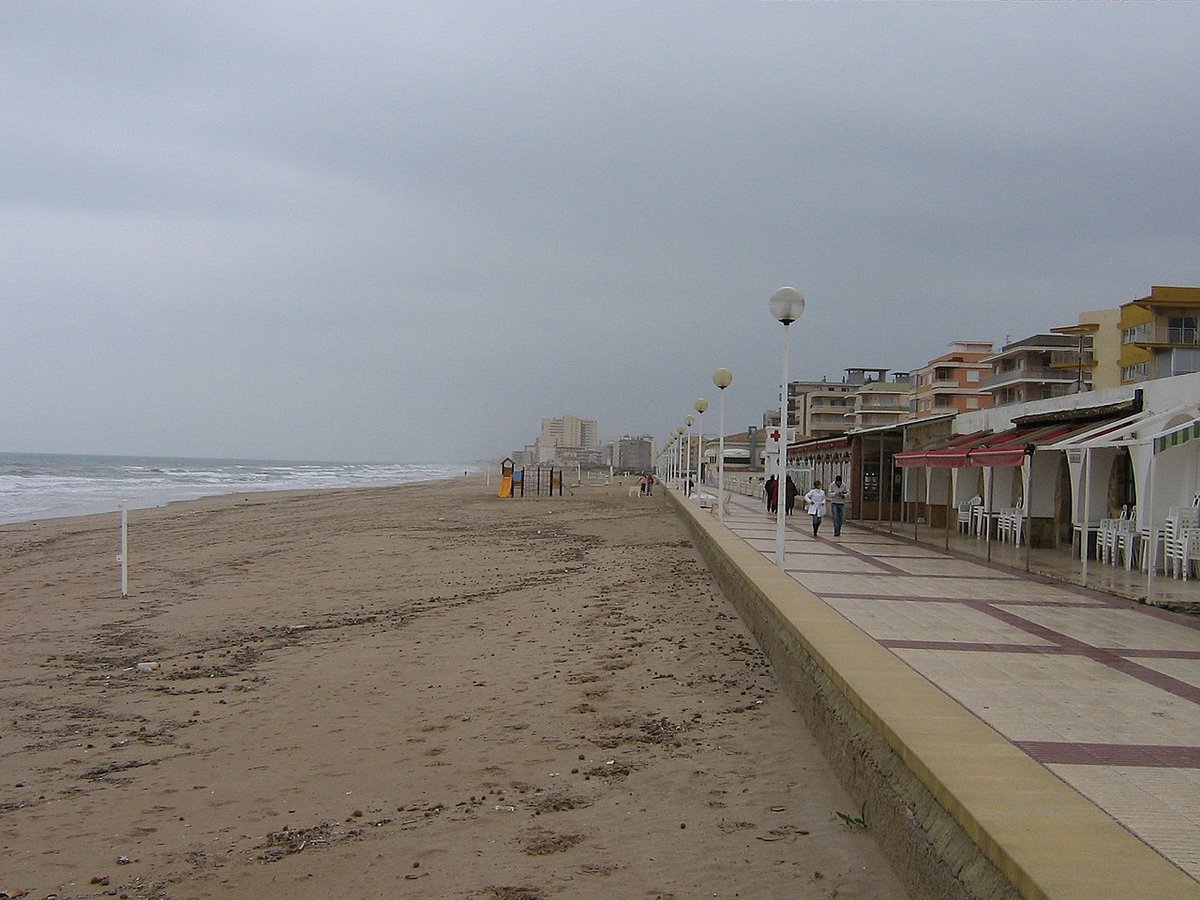
Playa de Daimus is straightforward. There is sand, a wide promenade and low-rise apartment blocks set just behind. There are no major urban flourishes or shopping-lined boulevards. The layout is practical rather than showy.
The promenade is flat and easy for walking or cycling. In one direction it connects with Miramar and Piles. In the other, if you continue for long enough, you edge closer to the area of Gandia. Many people make these walks at sunset, when the heat drops and the promenade fills with residents and visitors strolling at an unhurried pace.
Summer brings more activity, as you would expect, yet the atmosphere usually remains family-oriented. There are many second homes, grandparents with grandchildren and people who have been returning to the same apartment for years.
A Greenway Through the Orange Groves
Behind the urban centre runs the old railway line between Gandia and Oliva, now converted into a vía verde, a greenway for walkers and cyclists. It is long, straight and comfortable underfoot, suitable for a bike ride or a steady walk.
At points the route passes between citrus fields. In spring, when the trees are in blossom, the scent becomes especially noticeable. It is not a romantic exaggeration. The fragrance lingers in the air, particularly towards sunset.
There are also agricultural tracks that allow for short circular routes through the orchards. They are not marked out as tourist trails. These are working paths used by farmers, and also by residents who head out for a run or to walk the dog.
Village Festivals by the Sea
The main fiestas revolve around San Pedro, the town’s patron saint. During those days the streets fill with comparsas for Moros y Cristianos, a festival tradition that commemorates historical conflicts between Muslim and Christian kingdoms through parades and costumes. There is music in the streets and a noticeable increase in activity in the town centre.
In summer, there are also open-air dances, activities in the beach area and occasional seasonal markets. The specific programme shifts from year to year, yet the overall feel remains that of a village celebration where, sooner or later, most people cross paths.
History Beneath the Sand
The origins of Daimus are usually placed in the Andalusí period, when it was a small alquería, a rural settlement, linked to the surroundings of the castle of Bairén. That castle controlled a large part of this stretch of La Safor.
Even earlier, there was Roman presence in the area. Archaeological remains of an agricultural villa have been documented nearby, along with other finds that are now kept in Gandia.
The parish church dedicated to San Pedro has medieval origins, although the current building reflects later reforms. From the outside it is rather austere. Inside, it retains the atmosphere of a village parish where people still greet one another by name.
When to Go
If dates are flexible, spring works particularly well in Daimus. The beach is calm, the fields are in full cycle and the promenade can be enjoyed without intense heat.
August shifts the rhythm. Regular summer visitors arrive and the town becomes noticeably busier. It is nothing overwhelming, yet it makes sense to head to the beach earlier in the day and save longer walks for later in the afternoon.
Daimus does not try to impress. It is the kind of place recommended when someone asks for a quiet beach between Valencia and Dénia. An easy promenade, rice by the sea and mandarin groves all around. Sometimes that is more than enough.