Full Article
about Guardamar de la Safor
Small coastal town with a quiet beach and family atmosphere
Ocultar artículo Leer artículo completo
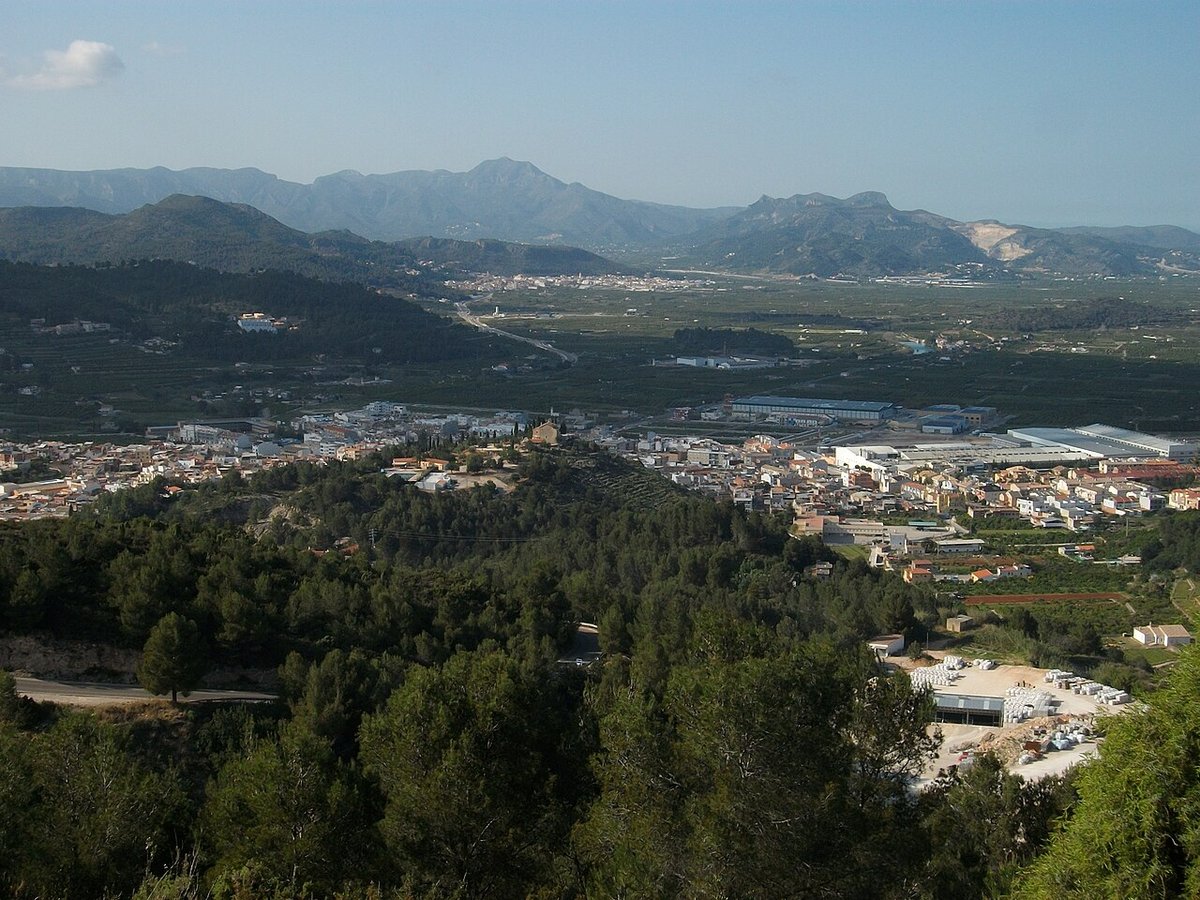
The first thing you notice is the silence after the motorway turns inland. Sixty-five kilometres south of Valencia, the AP-7 spits you out at Oliva and the ribbon of concrete simply ends. Suddenly you’re on a dead-flat lane flanked by citrus trees, their leaves almost brushing the windows. That’s Guardamar de la Safor: one short beach, 600 neighbours who greet each other by name, and a clock that still runs to the rhythm of tractors rather than TripAdvisor.
A village that forgot to build a promenade
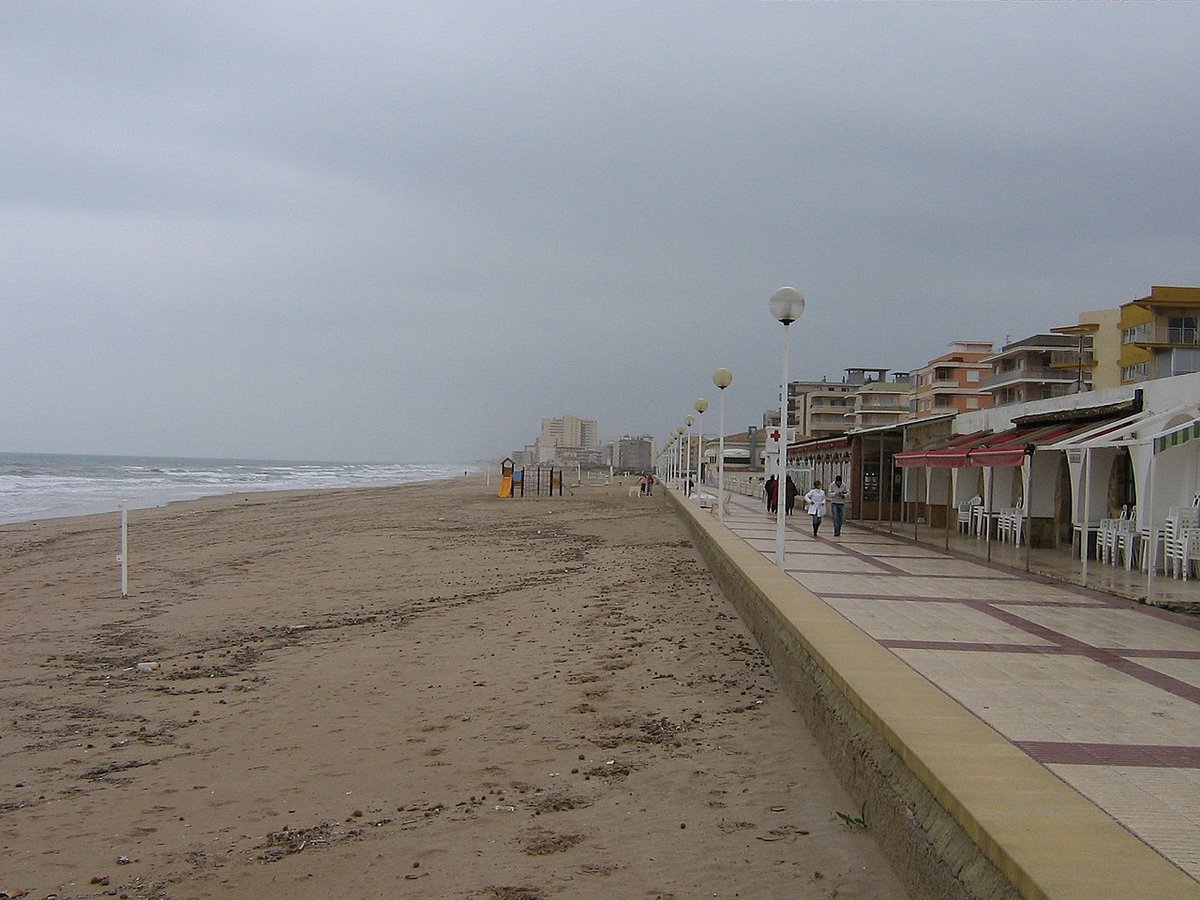
There’s no seafront parade here, no ranks of sun-loungers waiting to be rented. Instead, the sand slips in between two low headlands for barely a kilometre. The ayuntamiento rakes it each morning, and in high summer a lifeguard appears with a folding chair and a red-and-yellow flag. The rest of the year it’s just you, the gulls and the occasional retired fisherman who parks his bicycle upside-down in the dunes while he casts for dorada. The water shelves gently—perfect for toddlers who want to paddle without being knocked over by waves—but bring a parasol; there isn’t a palm tree in sight and the nearest café is a five-minute walk back across the rice paddies.
Behind the sand, the village clusters around the whitewashed Purísima Concepción church. The building is 1950s functional rather than baroque, yet its bell tower still throws sound across the roofs at 8 a.m. on Sundays, a reliable alarm for anyone who forgot ear-plugs. Streets are laid out on a grid so tight that cars barely fit; locals leave keys on café tables so others can shunt vehicles out of the way. Outsiders sometimes park in the orange-scented agricultural lanes, then discover the farmers have locked the gates at dusk. Ask first, or you’ll be camping overnight among the sprinklers.
What passes for action
Guardamar doesn’t do blockbuster sights, which is precisely why Valencian families use it as a weekend reset button. Mornings start with tostada—baguette rubbed with tomato, drizzled with oil and served on chipped plates—at Bar Central on Calle Mayor. By ten the first beers appear, chased by coffee strong enough to keep you awake through the midday heat. Afternoons drift into siesta or a slow circuit of the irrigation tracks that ring the settlement. The scent of azahar (orange blossom) is heady in March and April; in October the air is sharp with fermenting fruit that has dropped into the ditches.
If you need more stimulus, borrow a bike from the hire rack outside the town hall and follow the signed Greenway south to the mouth of the Vaca river. Herons pick through the reeds while kite-surfers launch from the far bank—close enough to watch, too shallow for beginners to drown. Carry on another four kilometres and you reach Gandia’s twelve-kilometre beach, complete with blue-zone parking that costs €1.70 an hour. Guardamar’s strip of sand suddenly feels like a private cove.
Rice, fish and the French exception
Meal choices are limited, honest about it. Expect rice in three familiar costumes: paella Valenciana (chicken and rabbit), arroz a banda (fish stock, no saffron) and the wetter, soupy arroz caldoso. Restaurant Arnadí, tucked into a former townhouse on Calle Sant Josep, bends the rules with duck confit and a vegetarian bake of roast peppers, but it’s the only menu that lists allergens in English. Off-season, half the kitchens shut; phone ahead or stock up in Gandia’s Mercadona before you arrive. One constant is horchata: order it frozen at Heladería Toscana on the main road and you’ll understand why locals scorn the watery stuff sold on the Costa del Sol.
Evenings wind down fast. Last orders are taken around 22:30; by midnight the only light comes from the vending machine outside the chemist. If you’re still upright, Bar Nou keeps a single table on the pavement for impromptu card games and gossip about who left the irrigation pump running overnight.
When the village throws a party
Guardamar’s calendar is mercifully free of inflatable bananas. The big date is 8 December, Purísima Concepción, when emigrants who left for Gandía factories or London restaurants troop home. The church is draped in white lights, a fairground wheel appears in the car park and the baker works through the night to produce 1,200 sugared buns. Summer brings verbena street dances: plastic chairs dragged into the road, ageing amplifiers balanced on beer crates, toddlers dancing with grandparents until the mayor pulls the plug at 01:00 sharp. Fireworks are modest—this is not Alcoy—but the smell of gunpowder drifts across the groves for days.
Getting here, getting out
Valencia and Alicante airports are both workable. From Valencia, take the A-7 south, fork onto the AP-7 and leave at exit 60 (Oliva-Piles). The final ten kilometres cross drainage canals so flat you could play billiards on them; watch for cyclists on the camino. There’s no railway station—Gandía is the end of the line—so non-drivers face a 20-minute taxi ride that costs about €25. Car hire is cheaper if you book before you fly; petrol is 10 cpl less on the motorway services than in the village, where the single pump closes at 20:00.
Accommodation is the weak link. Guardamar itself has no hotel; the nearest beds are in Playa de Daimús, five kilometres north, where the Bayren chain runs a serviceable spa block with rooftop pool (doubles from €90 B&B in May). Campers can pitch at the orange-grove site in neighbouring Piles; pitches start at €18 but the sanitary block is cleaned only once a day, so bring flip-flops. Airbnb rooms appear in farmhouses, often with a warning about cockerel noise—believe it.
Worth it?
Come if you need the antidote to Benidorm, but don’t expect secrets to brag about back home. Guardamar de la Safor is simply a working patch of coast where the beach is free, the parking is free and the coffee still costs €1.20. Turn up with a paperback, a tolerance for early bells and a car tanked with fuel, and it will repay you with uncomplicated quiet. Forget any of those essentials and you’ll be back on the motorway within two hours—probably heading for somewhere with a promenade and overpriced sun-loungers.