Full Article
about L'Alqueria de la Comtessa
Town set among olive and orange groves, minutes from the beaches of la Safor.
Hide article Read full article
A village shaped by the huerta
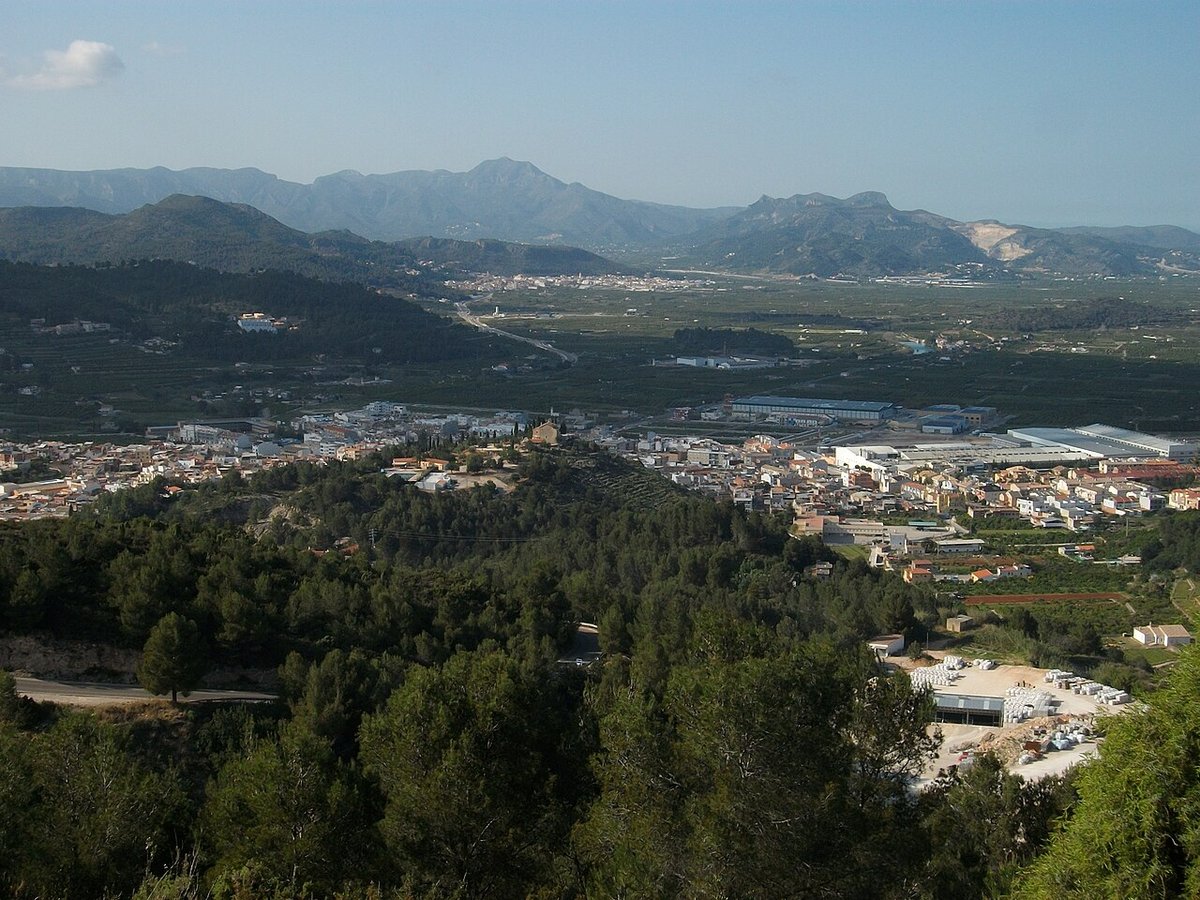
Tourism in L'Alqueria de la Comtessa begins with a simple reality. This is an agricultural village in the Safor region, shaped by orchards and market gardens, sitting just a few kilometres from the sea but largely outside the rhythm of coastal tourism. With a population of just over 1,500, it retains a landscape closely tied to traditional irrigation. Citrus plots, irrigation channels known as acequias, and rural tracks still define how the land is organised and used.
The name itself points to its medieval origins. Alquerías were small, scattered farming settlements that structured agricultural production in the Valencian huerta after the Christian conquest. In this part of Safor, that system left behind a network of irrigated fields and paths that, with some changes, continues to function today. L'Alqueria de la Comtessa remains strongly linked to citrus cultivation, which occupies much of the municipality.
Parish, streets and everyday layout
The most prominent building in the village is the parish church dedicated to San Miguel Arcángel. The current structure dates from the modern period, likely built over earlier constructions, and has been altered over time. Its appearance is restrained, more in keeping with a rural parish than a major urban centre. The brick bell tower and the square in front of it still act as a focal point during local celebrations.
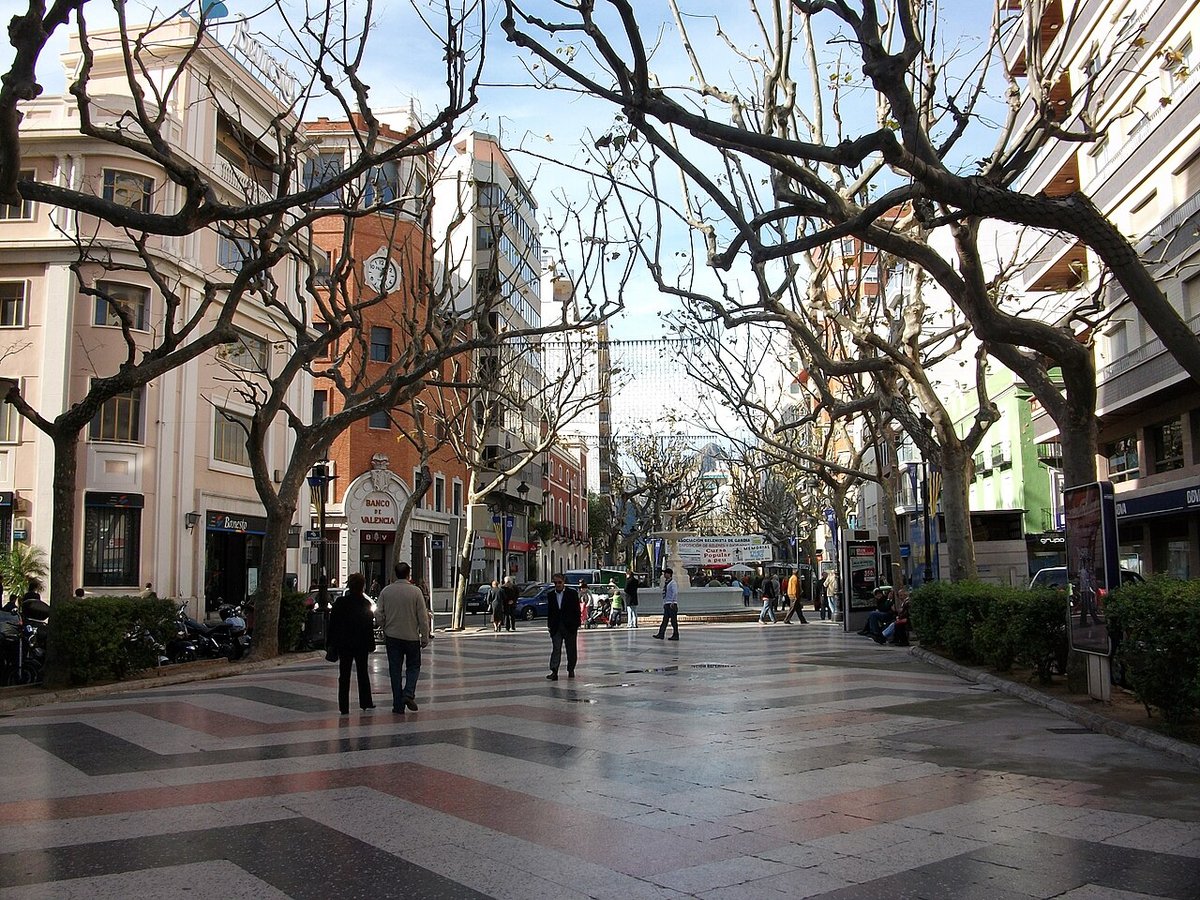
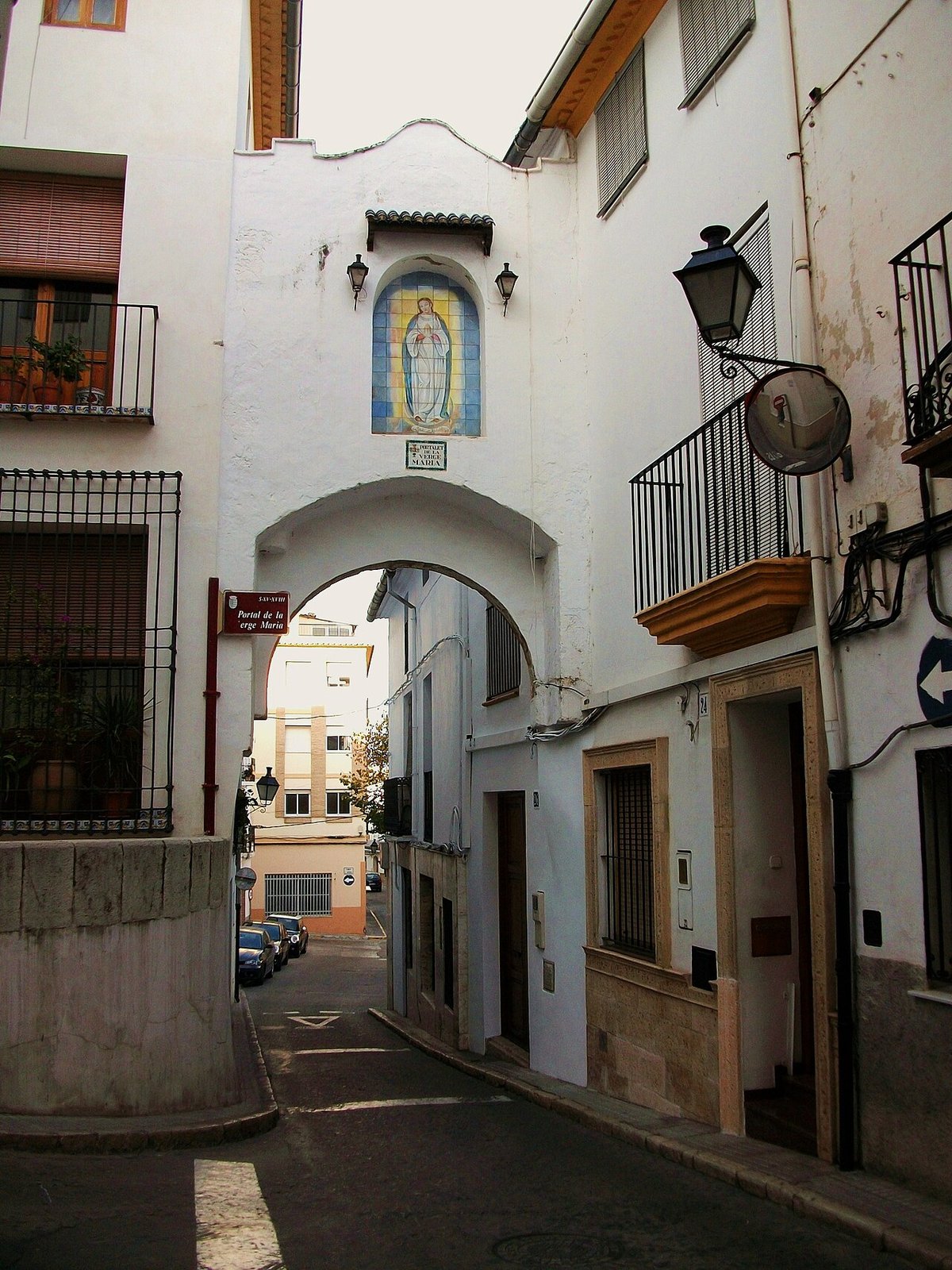
The urban layout is simple and compact. Straight streets, two-storey houses and wide entrances reflect the village’s connection to agricultural work. Some older homes still show interior courtyards or large doorways once used for carts. There are no major monuments here; the interest lies in how the settlement is organised around the surrounding farmland.
Orange groves and irrigation
Step beyond the built-up area and the citrus fields appear almost immediately. They form neat, ordered rows typical of the inland Safor landscape, divided by acequias and agricultural tracks. In spring, orange blossom transforms the atmosphere of the fields. In winter, the harvest takes over.
The irrigation system belongs to the long-standing hydraulic tradition of Valencia. Water is channelled through a network of acequias that distribute it across the plots. Many of these channels are still in use. Beyond their agricultural role, they also create narrow strips of vegetation where birdlife associated with irrigated landscapes is commonly seen.
Paths across the farmland
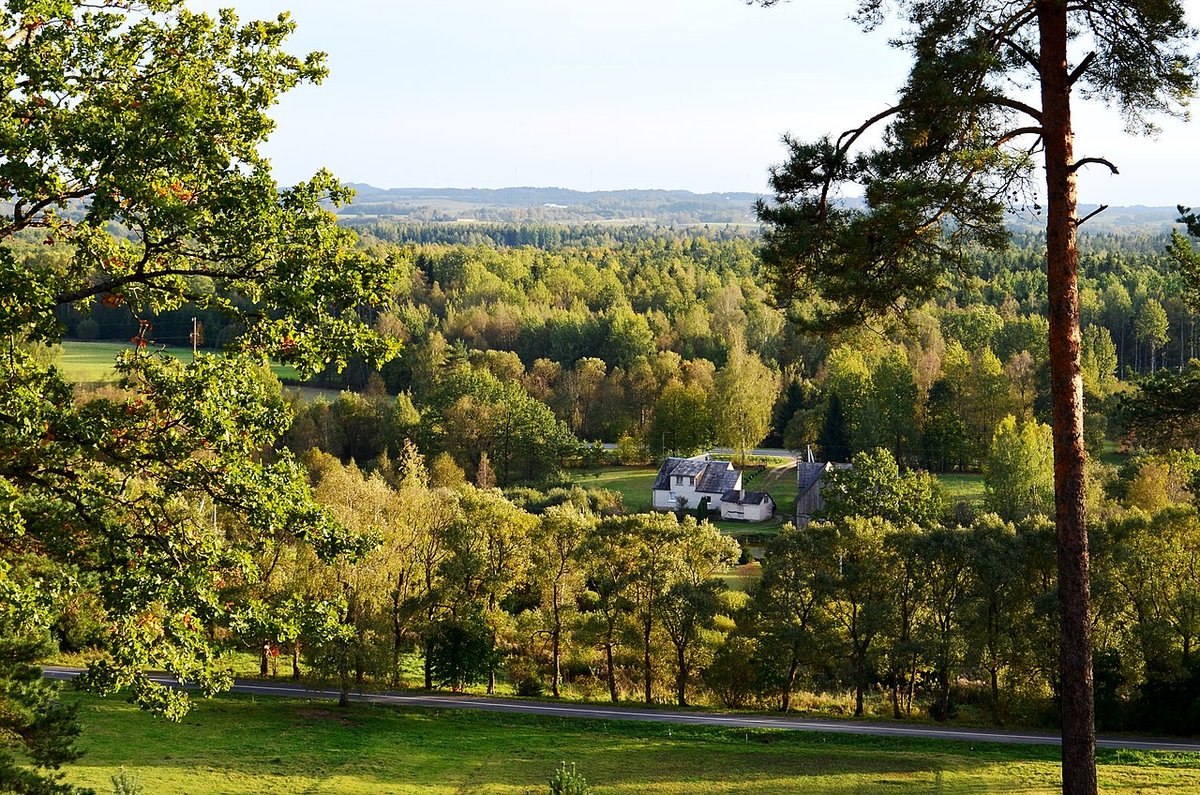
The municipality is flat and easy to move around. Agricultural tracks make it possible to walk or cycle between orange groves and connect with nearby towns in the Safor region. There are no marked routes as such, just the same paths used by farmers to reach their fields.
Following these tracks offers a clear sense of how the huerta is organised: main irrigation channels, smaller शाखes branching off, modest tool sheds and the occasional isolated farmhouse. The experience is less about reaching specific landmarks and more about observing how the landscape functions.
Festive calendar and local life
Local celebrations follow a pattern common to many Valencian villages. The patron saint festivities dedicated to San Miguel Arcángel usually take place at the end of September. During these days, the centre of the village hosts religious events, music and activities organised by local associations.
In March, the Fallas are also celebrated, on a smaller scale than in larger towns. These involve the creation of fallero monuments, which are eventually burned in the cremà, accompanied by festive events and fireworks. It is a tradition widely recognised across the Valencian Community.
Semana Santa, or Holy Week, is also marked in the parish, with processions and liturgical celebrations that pass through some of the streets in the historic centre.
Getting there and moving around
L'Alqueria de la Comtessa lies in the Safor comarca, around 80 kilometres south of Valencia and close to the coastal strip. It is reached by road via the routes that link the towns of the region.
The village itself can be explored quickly, and parking is generally easy on streets near the centre. To get around the surrounding area, especially if the aim is to explore the huerta or visit nearby towns, a car or bicycle remains the most practical option.