Full Article
about Miramar
Coastal municipality with a well-kept beach and family-friendly summer vibe
Hide article Read full article
Morning Light in La Safor
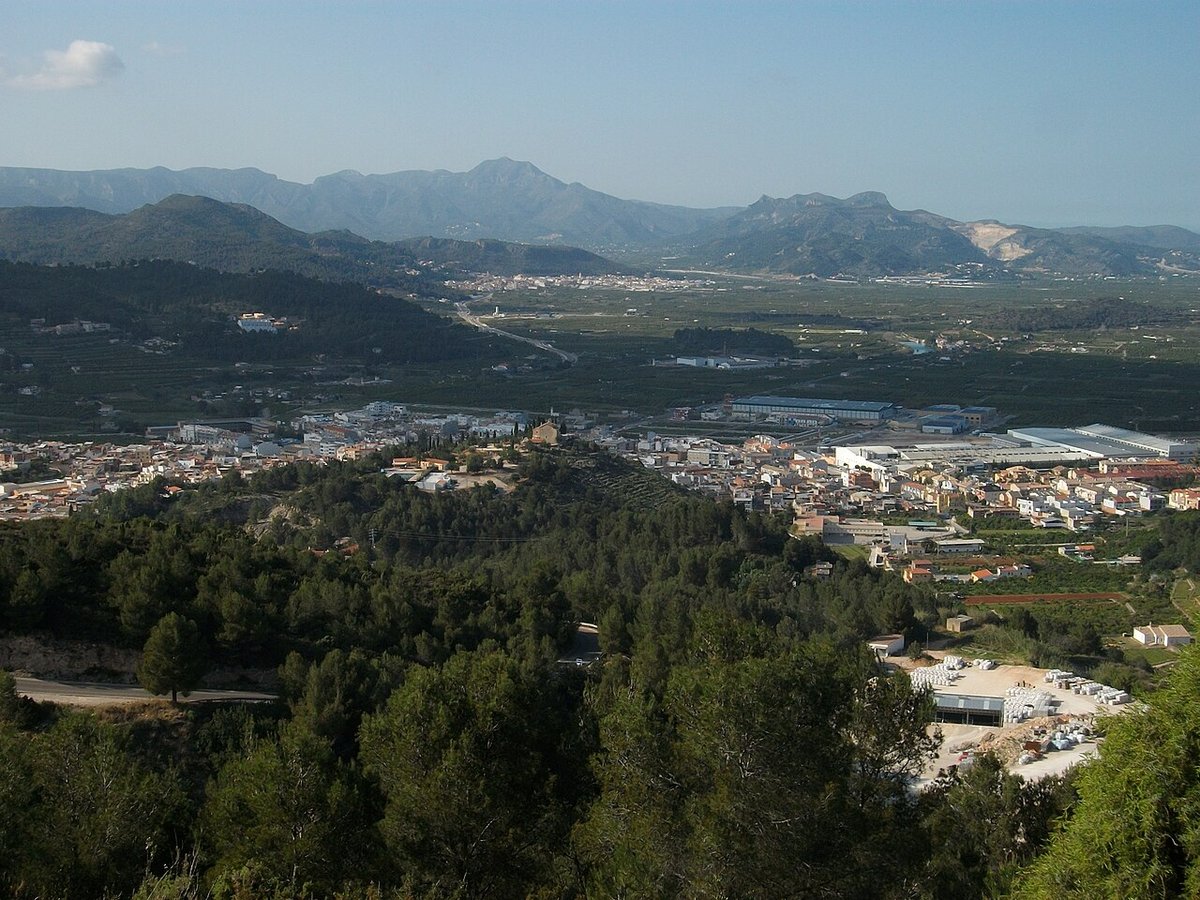
At first light, when the façades are still in shade, Miramar carries the scent of extinguished firewood and damp earth. In the fields around the village, orange trees form a dense mosaic of dark greens. From the CV‑670 road, just before the entrance, the Mediterranean appears as a blue strip in the distance, set between orchards and the pale sky of La Safor. That closeness, market garden and sea side by side, explains much about daily life here.
By half past seven the village begins to stir, slowly. A metal shutter rattles upwards, the first delivery van passes through, and on the corners neighbours are already discussing the weather. In season, the morning air brings the smell of coffee and orange blossom.
Miramar has around three thousand inhabitants. The urban centre is compact, with short streets that do not follow a particularly orderly layout. Low houses, many whitewashed, stand alongside more recent apartment blocks that appeared when the coastline began to fill with summer flats. In the square by the town hall, still the point where everything converges, the stone benches are cold at that hour. The sounds are few: a door opening, a dog tugging at its lead, a car engine starting on its way to Gandia.
Along the Beach and the River Vaca
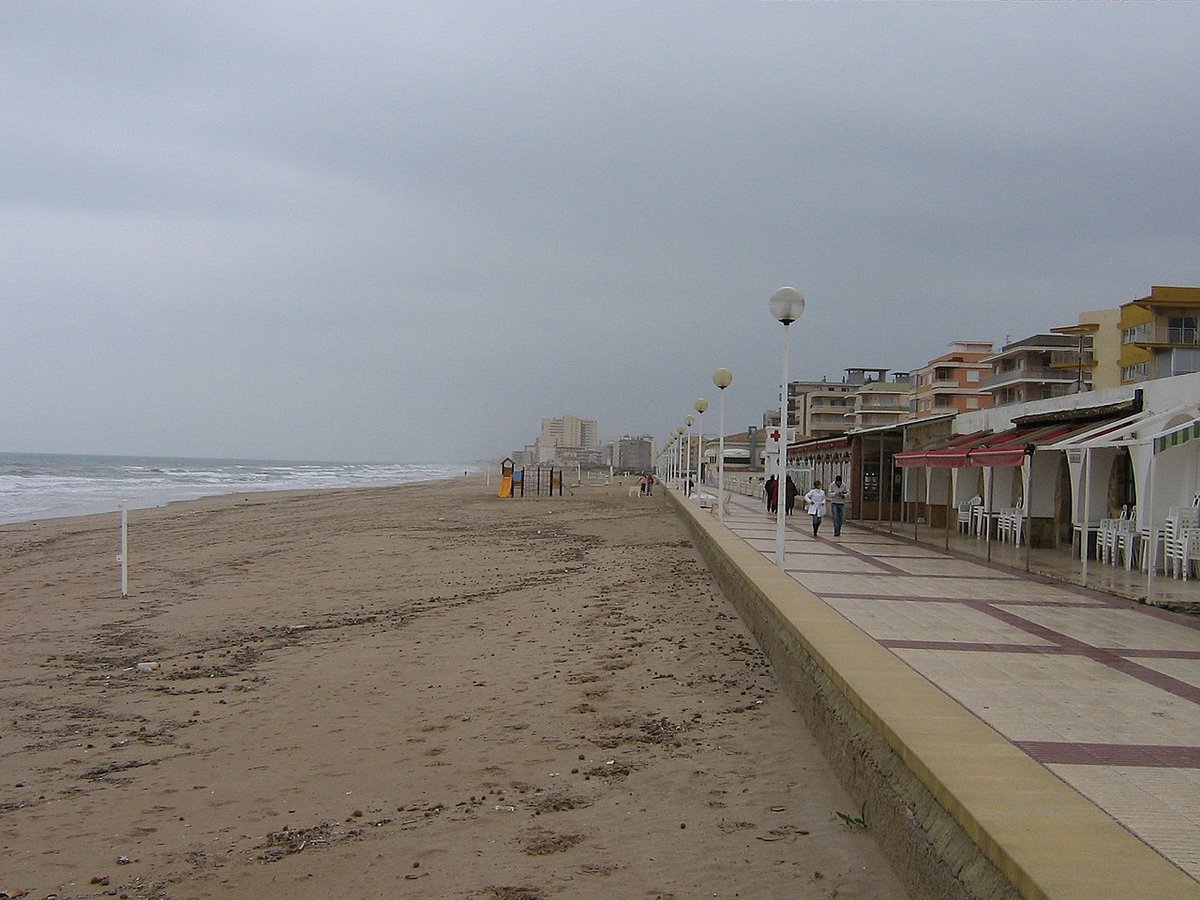
Miramar’s beach stretches beside the mouth of the River Vaca, a long line of fine sand that is almost empty in winter. When the levante wind blows from the east, the sea turns a greenish grey and the foam leaves small shells and scraps of posidonia on the shore, with their distinct iodine scent.
In spring the water remains cold and there are hardly any bathers. More often there are walkers, hands in pockets, looking out towards the horizon. At sunset the light falls low and horizontal, and the sand takes on an almost white tone.
Behind the first row of buildings, the promenade continues towards either end of the beach, with stretches of compacted earth and wooden walkways laid over the sand. In places, small dune ridges survive, covered in low vegetation: marram grass, the odd rosemary bush, hardy plants that withstand the salty wind. Late afternoon is a good time to walk, when the sun drops and the heat eases.
The River Vaca marks a natural edge to this stretch of coast. Its mouth shifts subtly with the seasons, depending on rainfall and currents, reinforcing the sense that this is a landscape shaped as much by water as by people.
The Huerta of La Safor
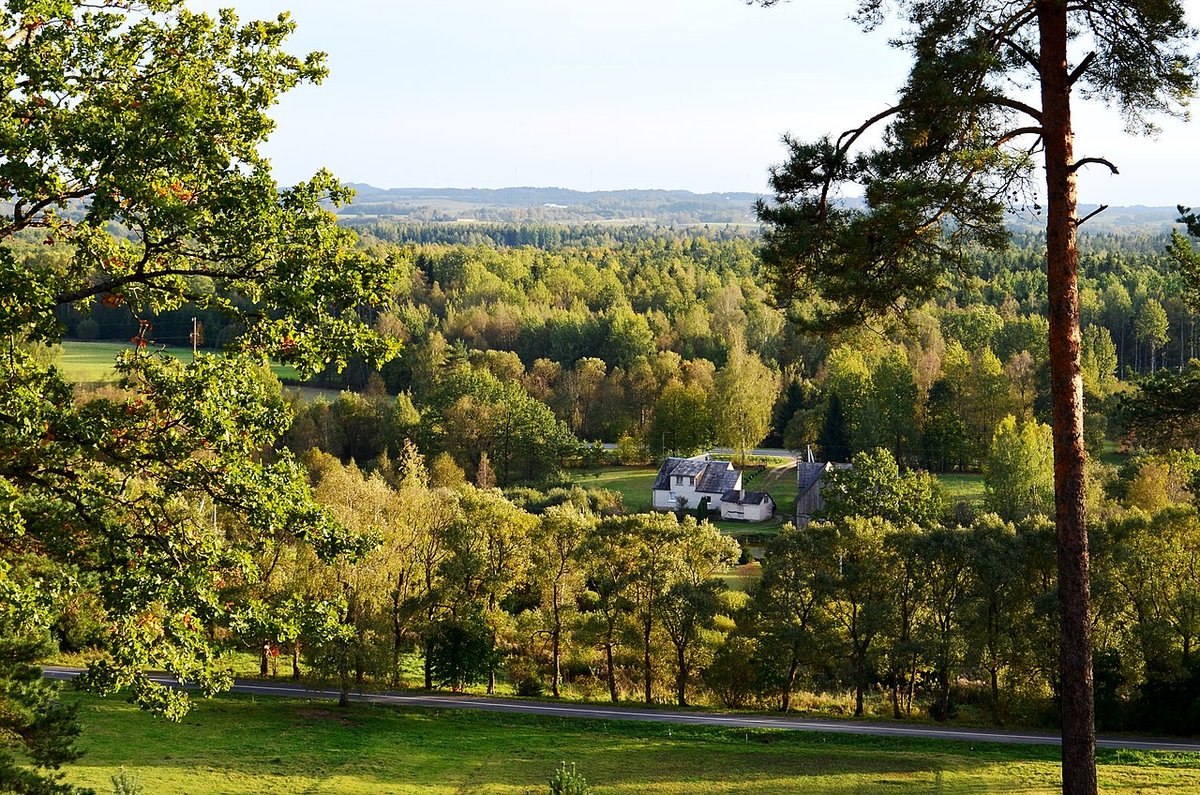
Just a couple of streets inland, the scene changes quickly. Agricultural tracks begin, along with irrigation channels known as acequias and fields of citrus trees. The soil is dark and damp; when it is turned, the smell of humus rises at once.
The huerta of La Safor, the traditional irrigated farmland of the region, has depended on orange groves for generations. It still sets the rhythm of the village calendar. In winter and spring, tractors loaded with crates are a common sight, moving along the paths between plots. During the flowering season, the air fills with the scent of azahar, orange blossom, a sweet perfume that drifts into the streets closest to the fields.
From time to time, beside secondary roads, small stalls appear where farmers sell local fruit during the harvest. They are not always open, but when they are there is usually a short queue of neighbours holding cloth bags and waiting their turn.
The irrigation system is part of everyday life here. The acequias carry water through the orchards, defining boundaries and reflecting the sky in narrow channels. They are practical structures, yet they shape the landscape as clearly as the rows of trees.
When to Arrive, When to Leave
April and May are pleasant months to get to know Miramar. Temperatures are still mild, the beach remains quiet and the huerta is in full activity. In the afternoon a light breeze often rises, clearing the air and making a walk along the coast more comfortable.
August tells a different story. The population multiplies with the arrival of summer visitors, and many buildings that remain closed in winter switch their lights back on. Parking near the beach becomes more complicated and the pace along the promenade changes. For those who can only travel in summer, June and September are usually calmer, and the sea keeps a comfortable temperature.
Seasonality is visible in small details. Balconies that stand empty for months suddenly display towels and chairs. Shutters stay open later into the evening. The rhythm shifts towards the shore, where more people linger after sunset.
When night falls and the day’s heat lingers in the asphalt, the village smells of jasmine from interior patios and smoke from a distant barbecue. From the beach there is little to hear beyond the soft, repetitive break of waves on the sand. It is a constant sound, part of the landscape here just as much as the orange trees or the acequias.
Miramar does not present itself with grand landmarks or dramatic contrasts. Its character lies in proximity: sea within walking distance of orchards, village streets a short turn away from irrigation channels. The Mediterranean is visible from the approach road, yet the life of the fields presses close behind the façades. That balance defines the place.
On a calm morning, with the CV‑670 behind and the blue line of water ahead, the elements that shape Miramar are easy to read. Earth, water and light sit side by side in La Safor, and in this small corner of the Comunidad Valenciana they continue to set the pace.