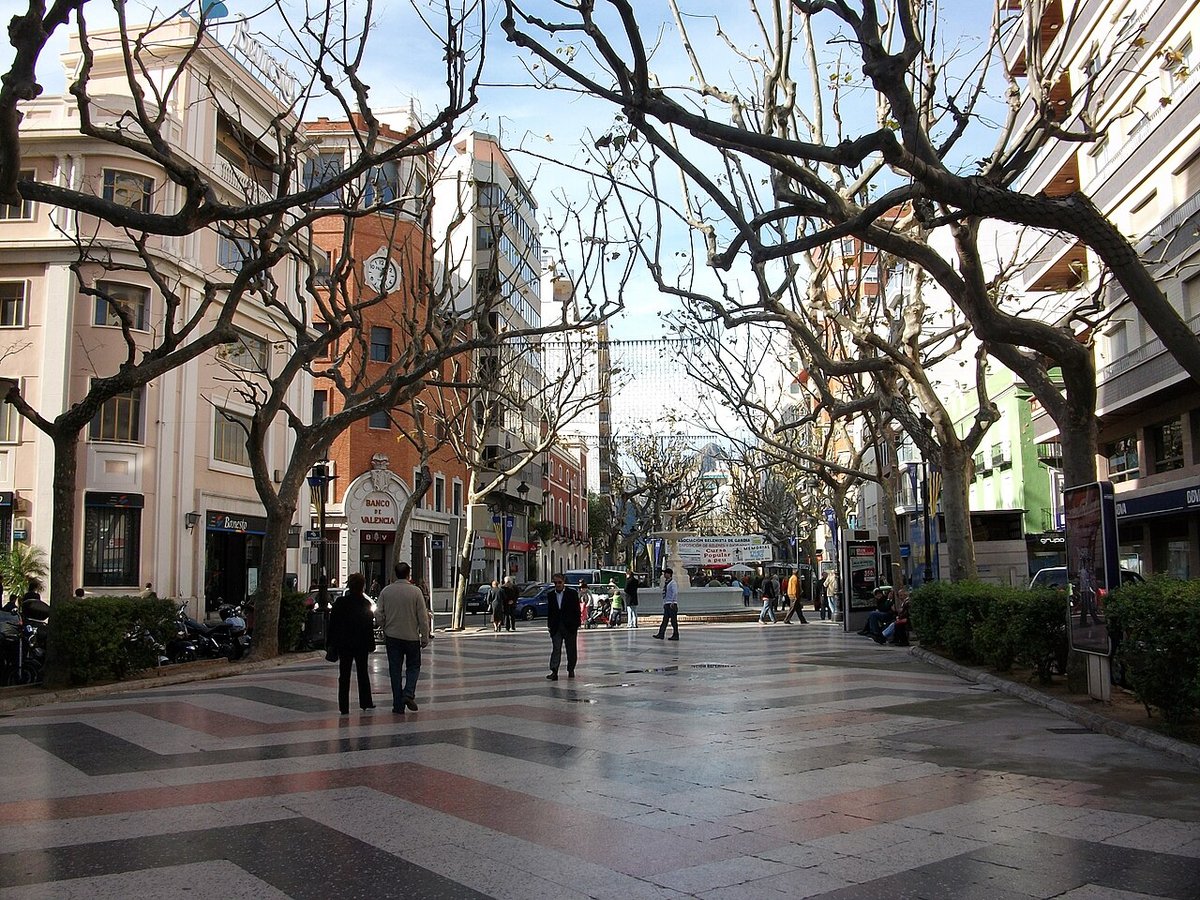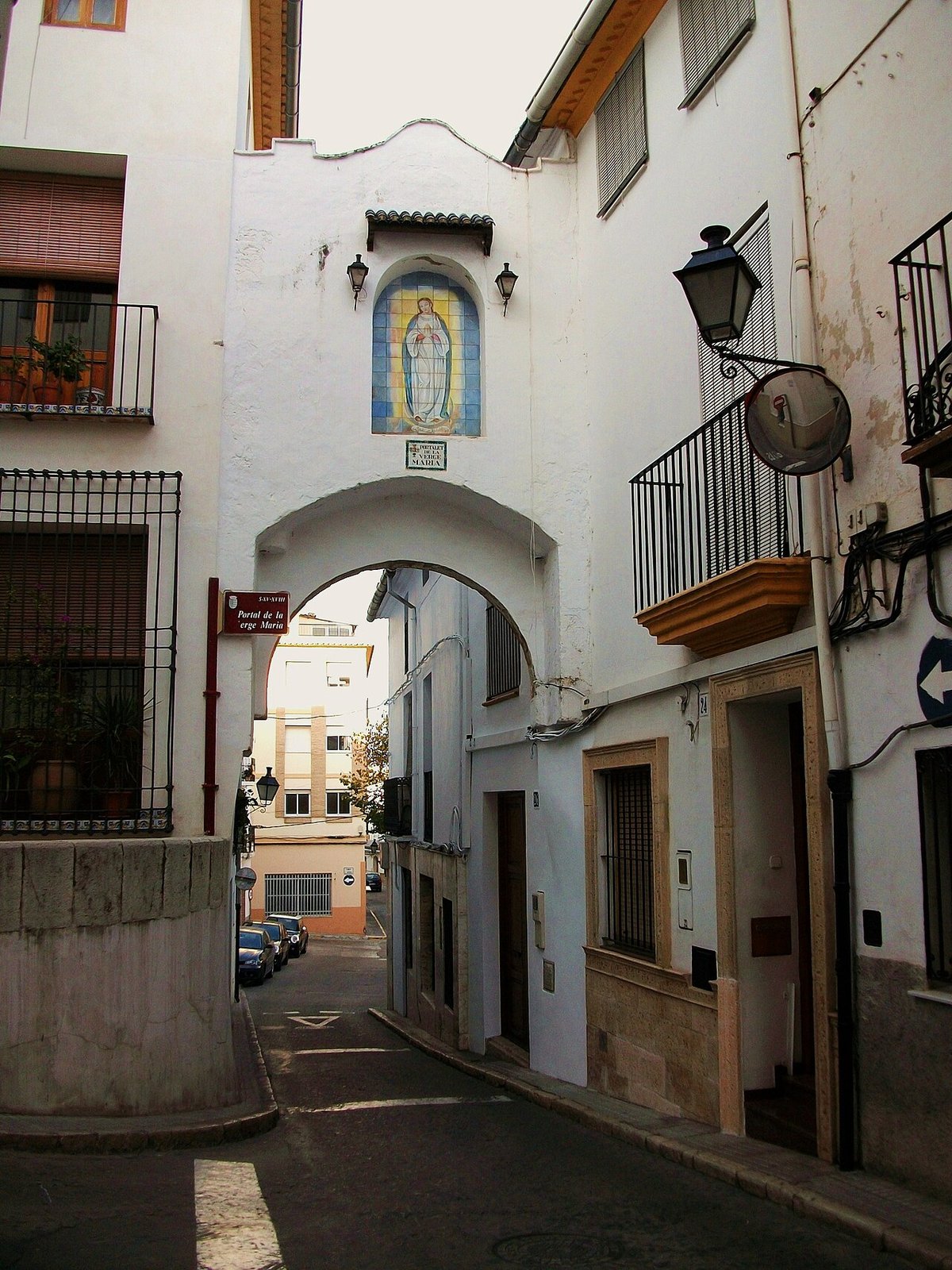
Portal de la Verge Maria, Oliva, Safor.JPG
Joanbanjo · Public domain
Comunidad Valenciana · Mediterranean Light

Oliva

The 30-minute walk from Oliva's historic centre to the beach begins with a calf-burning descent down Carrer de Sant Miquel, past ochre walls where ...

26,813 inhabitants · INE 2025
5m Altitude
Coast Mediterráneo

Why Visit

Coast & beaches Oliva beaches Water sports (kitesurf)

Best Time to Visit

summer

Moors and Christians (July) verano

Things to See & Do
in Oliva

Heritage

  • Oliva beaches
  • Old town (Raval)
  • Santa María Church

Activities

  • Water sports (kitesurf)
  • Golf
  • Walk through the Raval

Festivals
& & Traditions

Fecha verano

Moros y Cristianos (julio), Fiestas del Cristo (mayo)

Las fiestas locales son el momento perfecto para vivir la autenticidad de Oliva.

Full Article
about Oliva

Coastal town with natural dune beaches and a well-preserved Moorish old quarter

Ocultar artículo Leer artículo completo

The 30-minute walk from Oliva's historic centre to the beach begins with a calf-burning descent down Carrer de Sant Miquel, past ochre walls where laundry flaps above scooters parked askew. By the time you've reached the promenade, the Mediterranean has opened up like a blue theatre curtain—and you'll have worked off the bacon buttie from Cornish Pride.

Between the Orchards and the Sea

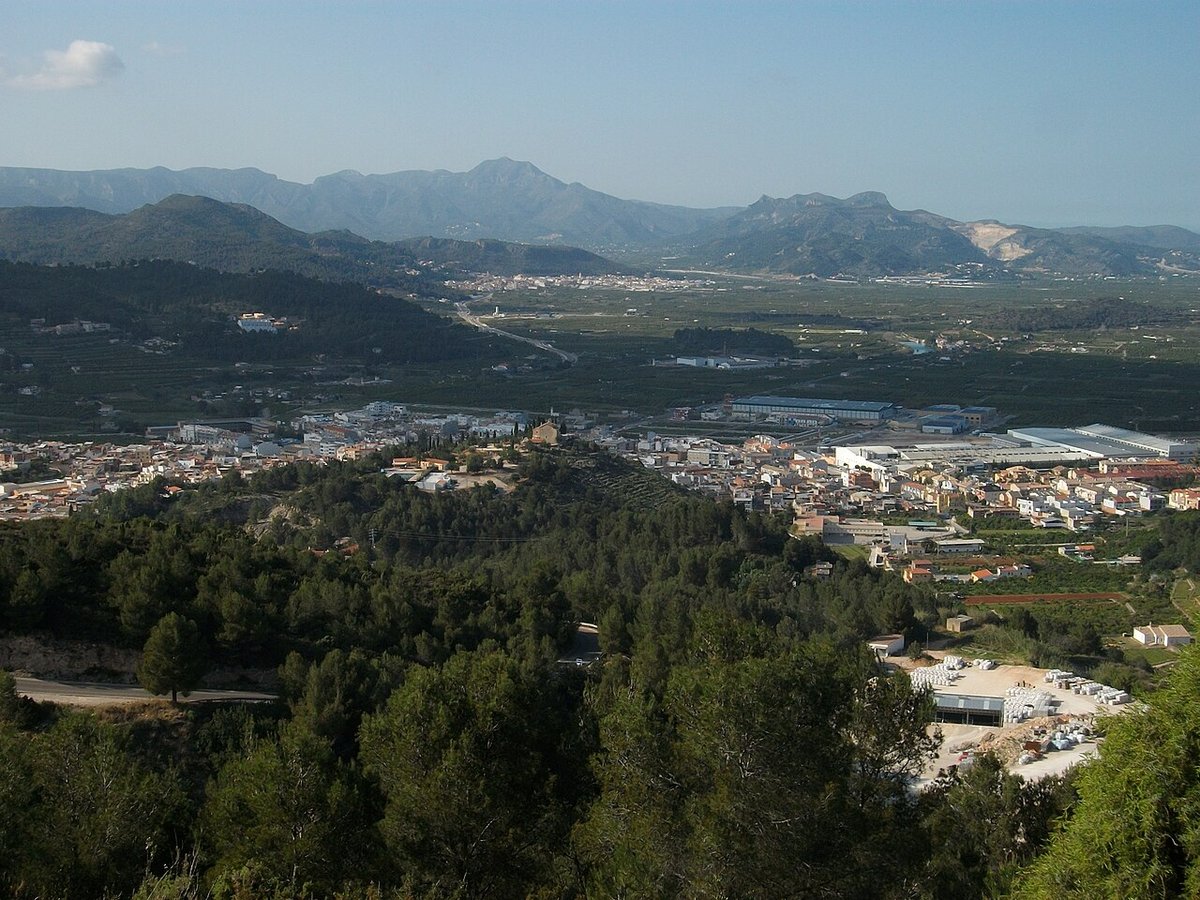
Oliva sits five metres above sea level, close enough for the salt breeze to rustle the orange groves that still surround the town. This is the Safor region's southern edge, where rice paddies give way to dunes and the motorway to Alicante hums just out of earshot. Twenty-five thousand people live here year-round, but the population swells in July and August when second-home owners from Madrid and Sheffield descend on the seafront urbanisations.

The town's split personality is geographical, not just seasonal. Uphill, the medieval core tumbles towards the Gothic tower of Santa Maria la Major, its stone warmed by afternoon sun. Downhill, eight kilometres of sand stretch from the yacht club at Terranova to the wetlands of Aigua Morta, where herons pick through reeds beside kite-surfers. The distance between the two Spains—one of siestas and palace façades, the other of beach bars and rental bikes—is exactly 2.3 kilometres, all of it steep.

Morning Coffee, Evening Paella

Café Oliva opens at eight, earlier than most Spanish cafés, because the owner spent twenty years in Birmingham and knows Brits like their breakfast before nine. A full English costs €7.50, cheaper than the beachfront places and served with proper HP sauce. By ten the same tables fill with locals ordering tostada con tomate and reading Las Provincias, the regional paper whose sports pages still mourn Valencia's lost glory days.

For lunch, follow the grandmothers. They queue at Casa de la Pasta on Plaça de Sant Roc for takeaway paella pans piled with rabbit and garrofó beans. If you'd rather sit down, Restaurante Orella does arroz a banda—the fishermen's rice cooked in fish stock—at €14 a portion, but only for tables of two or more. Solo travellers can try their luck at the bar; the staff sometimes relent if you promise to eat quickly.

Evenings belong to the paseo. Families drift between the ice-cream parlours on Carrer de la Mar, while teenagers circle on bikes they've ridden up from the campsite. The old town's palaces glow amber under streetlights; most are private, their Baroque doorways glimpsed through iron gates. Only the Count's Palace is partly open, a single crumbling tower where swallows nest among the stonework. Expectations should stay modest—what remains is less castle, more advanced masonry course.

Sand, Salt and Sunday Silence

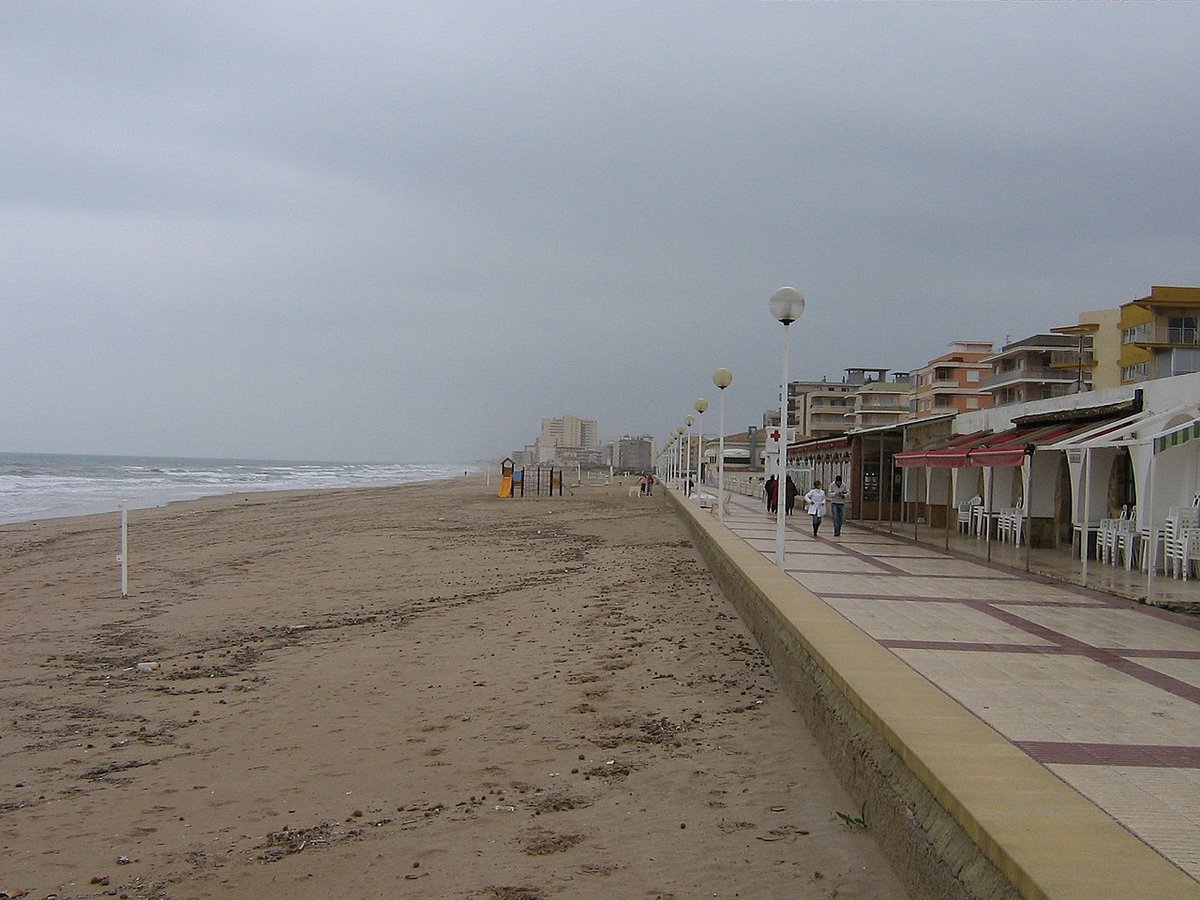
Oliva's beaches reward the downhill trek. The sand is fine, clean and wide enough that even in August you can lay your towel ten metres from the nearest German. Playa Terranova has sunbeds (€5 a day) and lifeguards; Aigua Blanca is wilder, backed by dunes where sea daffodils bloom after rain. Between them, chiringuito bars serve mojitos in plastic cups, the ice melting fast in the heat.

The sea stays shallow for fifty metres, perfect for children but frustrating if you like a proper swim. Bring beach shoes—occasional weever fish burrow in the sand and their sting hurts. On windy days kite-surfers take over, turning the horizon into a confetti of coloured nylon. They launch from the yacht club, where a noticeboard advertises second-hand equipment in four languages, English included.

Come Sunday, the place empties. Buses don't run, taxis vanish and even the Olibus—the little green shuttle that links town and beach every thirty minutes—takes the day off. Plan ahead: stock up on Saturday, book a restaurant within walking distance, or prepare for a very quiet day. The Spanish guests know this; the British sometimes learn the hard way.

Walking Off the Wine

If the beach feels too horizontal, head inland. A signed footpath leaves from the old railway station (now a youth centre) and follows irrigation channels past lemon groves to the village of Beniclo, three kilometres away. The route is flat, shaded and passes a 19th-century ice house where farmers once stored snow hauled down from the mountains. Allow an hour each way; take water because the only bar in Beniclo keeps erratic hours.

For something steeper, the Montduber ridge rises behind town. A goat track switchbacks up through pine and rosemary to an old watchtower at 450 metres. From here you can see the coast from Gandia to Denia, the rice fields a patchwork quilt of green and gold. The climb takes forty-five minutes; trainers are fine, but flip-flops will betray you on the loose stones. Go early—by eleven the sun is relentless and there is no shade at the top.

When to Come, When to Stay Away

Late April brings the Moors and Christians festival: gunpowder, drums and parades that last until two in the morning. Book early—hotels fill with Valencian families reuniting for the weekend. May and September offer 24-degree days without the August crowds; many restaurants close in October for staff holidays, reopening only for December's Christmas market.

Winter is mild—14 °C in January—but the sea feels bitter and most beach bars board up. The old town, however, comes into its own. Café life retreats uphill; log fires appear in Bar Nou on Plaça de l'Ajuntament, where old men play dominoes and complain about the price of oranges. Accommodation is cheap, but check whether your rental has heating—Spanish builders assume thick walls suffice, and British bones disagree.

Avoid arriving on a Sunday unless someone is meeting you with a car. The last bus from Valencia reaches Gandia at 21:30; after that, nothing moves until Monday morning. Taxis exist but need booking in advance, and the rank outside Gandia station is often empty. Hire cars solve everything, yet parking in the old town is tight—alleys built for donkeys resent modern hatchbacks.

Oliva won't change your life. It offers no Michelin stars, no midnight super-clubs, no ancient ruins to tick off. What it does give is an honest taste of coastal Spain before the developers won: market-day chaos, elderly women sweeping doorsteps, children kicking footballs beneath Gothic arches. Bring comfortable shoes, patience for the bus timetable and an appetite for rice. The rest sorts itself out, usually after coffee.

Key Facts

Region
Comunidad Valenciana
District
Safor
INE Code
46181
Coast
Yes
Mountain
No
Season
summer

Livability & Services

Key data for living or remote work

2024
ConnectivityFiber + 5G
TransportTrain nearby
HealthcareHealth center
EducationElementary school
Housing~5€/m² rent · Affordable
CoastBeach nearby
Sources: INE, CNMC, Ministry of Health, AEMET

Official Data

Institutional records and open data (when available).

  • Torres y muralla
    bic Monumento ~0.3 km
  • Castillo de Santa Ana
    bic Monumento ~0.3 km
  • Palacio de los Condes de Oliva
    bic Monumento ~0.2 km
  • Elca, la casa del poeta Francisco Brines
    bic Sitio histórico ~3.1 km

Planning Your Visit?

Discover more villages in the Safor.

View full region →

More villages in Safor

Traveler Reviews