Full Article
about Palma de Gandía
Agricultural municipality near Gandia with hiking trails and caves
Ocultar artículo Leer artículo completo
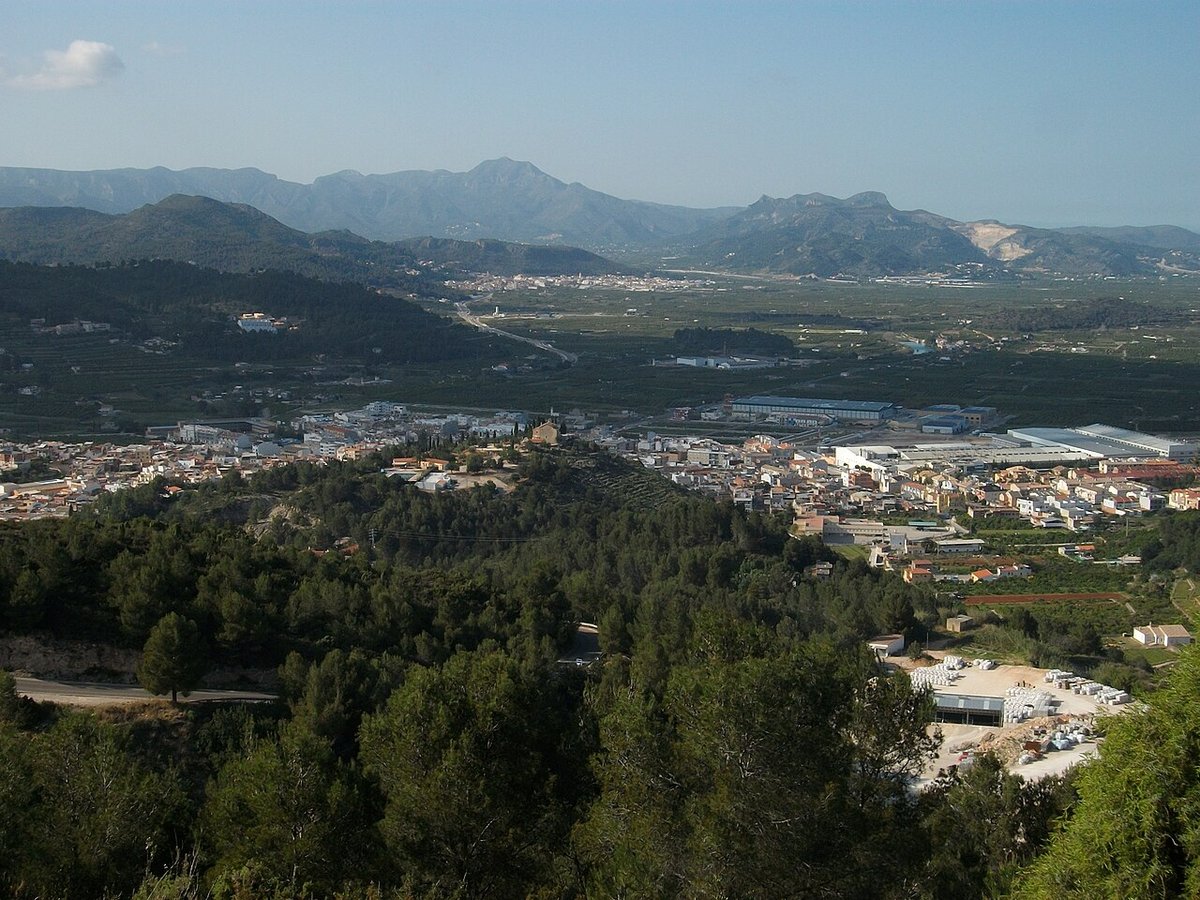
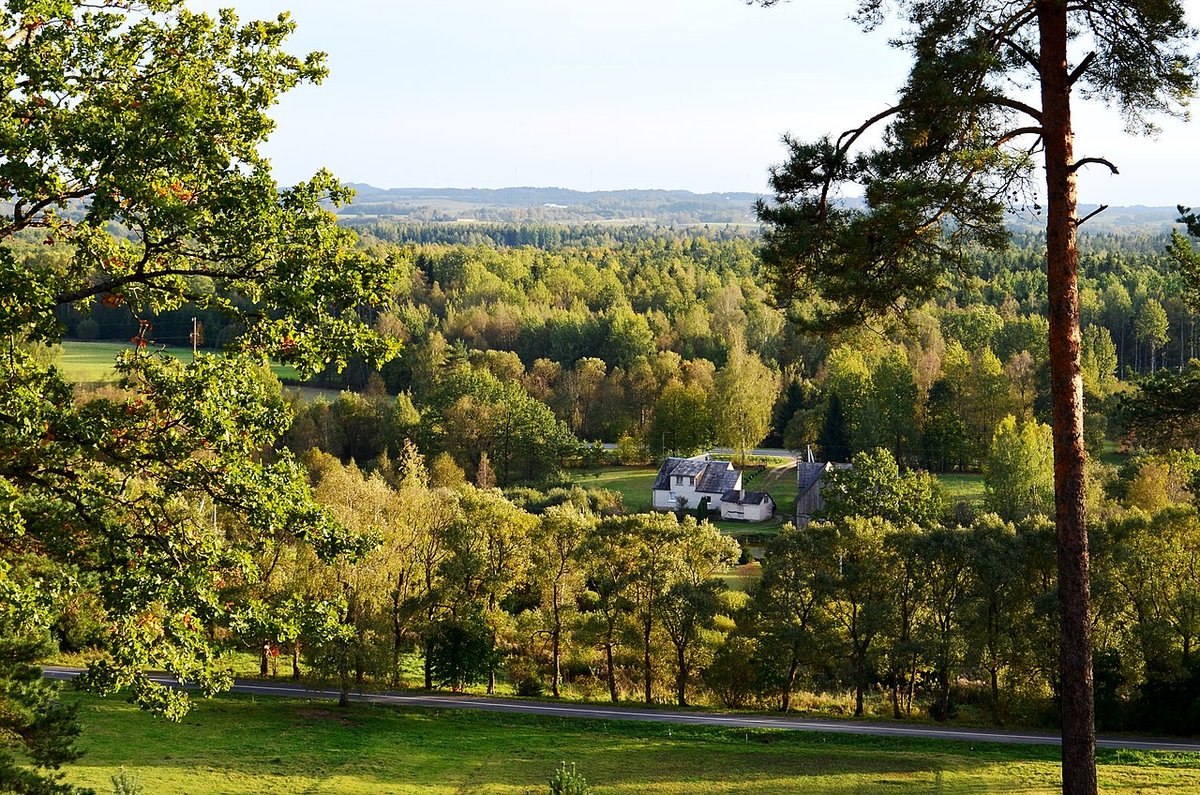
The first thing you notice is the scent. Between late February and early April the entire village drifts in a cloud of orange-blossom that clings to hair, clothes and the inside of the car for days. Palma de Gandía sits 45 m above sea-level on the coastal plain of La Safor, ring-fenced by 300-year-old irrigation ditches and kilometre after kilometre of citrus. There are no monuments to tick off, no coach bays, no fridge-magnet kiosks—just 1 700 residents, two bakeries, three bars and a chemist who still shuts for siesta.
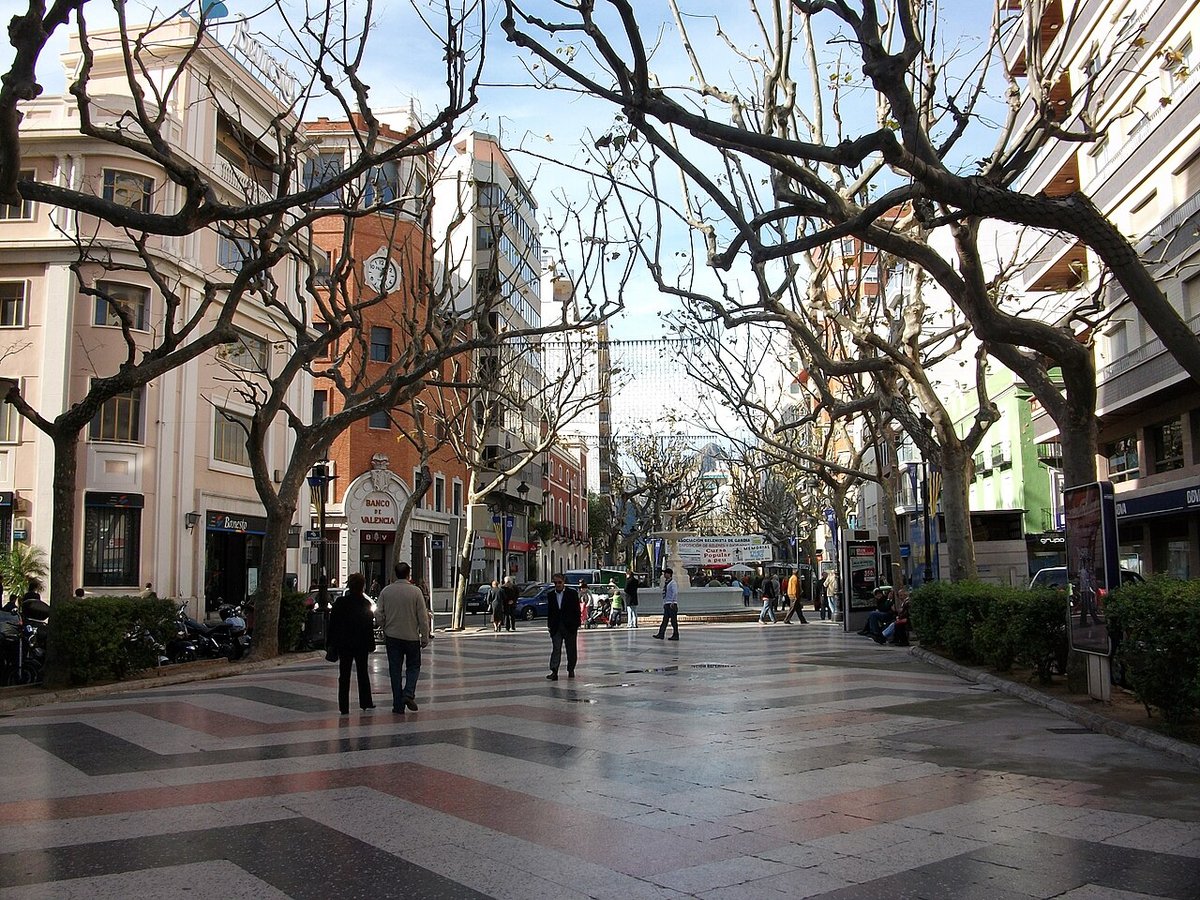
That low pulse is the point. Forty-five kilometres south of Valencia city and barely ten minutes inland from the high-rise strip of Gandía beach, the village feels like software that never updated. Children kick footballs across the main square while grandparents hold court under the plane trees. The loudest noise at 11 p.m. is the clatter of dominoes on Formica. If you arrive expecting gastro-tapas trails or Instagram walls, you’ll be disappointed; arrive hungry for time to slow down and you’ll wonder why more people don’t.
How the sea sneaks in without the crowds
Palma isn’t on the coast, yet salt water still shapes daily life. Dawn starts at 05:30 when the fishing fleet unloads in Gandía port; by 07:00 van drivers are barrelling inland with crates of squid and sea bream for the village bars. The result is menu del día that tastes as if the boat is moored outside: grilled cuttlefish still freckled with charcoal, rice studded with monkfish, and a carafe of wine that costs more to pour than to produce. Three courses run €8–€10 and no one rushes the table—even when the dining room is full of farmers in blue overalls.
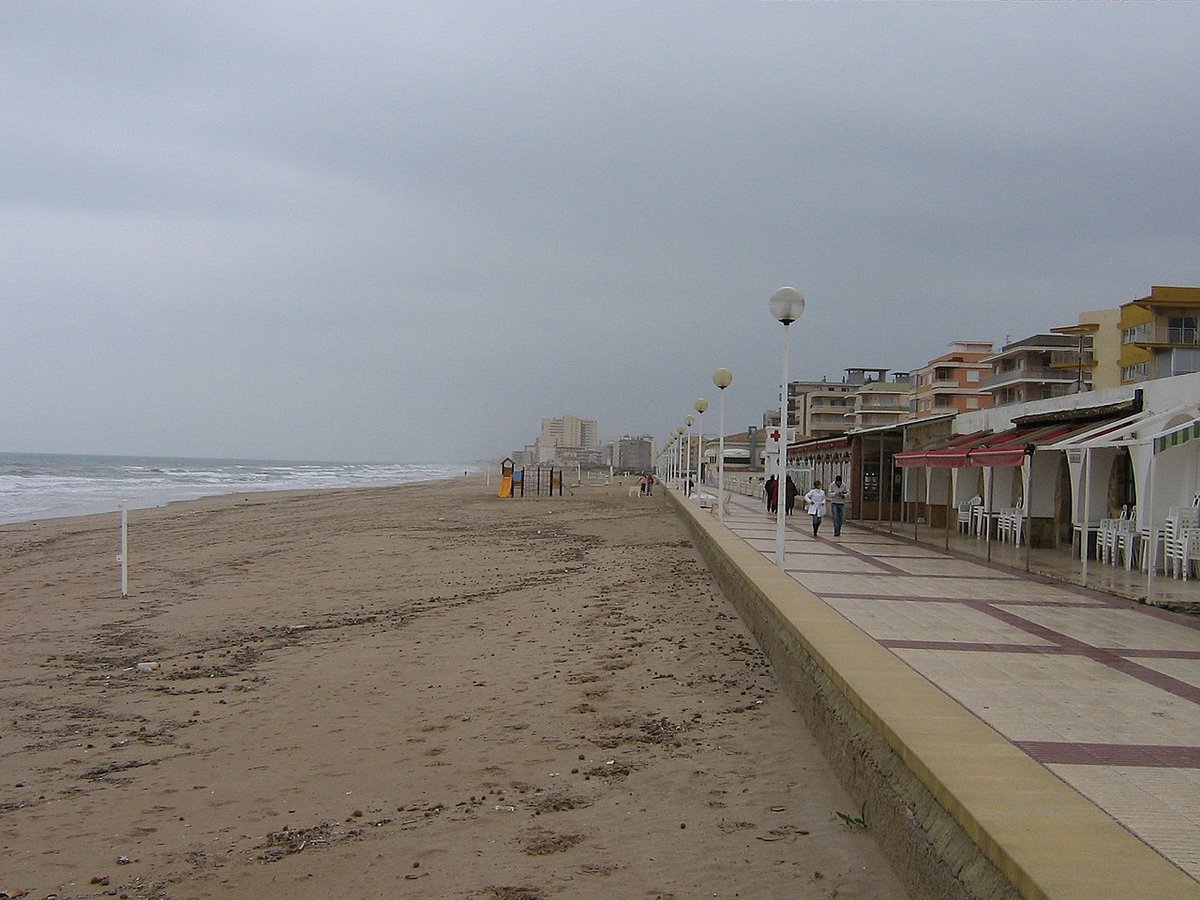
The beach itself is seven kilometres away, a ten-minute drive or twenty on the hourly bus. In July and August the seafront boulevard of Gandía becomes a conveyor belt of inflatables and mojito buckets, but by early evening the same bus carries day-trippers back to Palma where the temperature drops three degrees and the only soundtrack is swifts diving into the church bell-tower. You can swim, build sandcastles, eat an overpriced ice-cream, then retreat to orange-scented quiet before the sun has even set.
Walking without way-markers
The municipality owns no gift shop because its main attraction is the grid of farm tracks that unravel from every street end. These camins were laid by the Moors and still follow the irrigation canals; walk five minutes and tarmac gives way to packed earth lined with reeds and wind-breaks of carob and olive. There are no signed routes, just right-of-way that peters out at a locked gate or a farmer’s shed. A phone with offline maps is enough—though locals will happily wave you in what they swear is the right direction, even if their arm signals contradict their words.
Sunrise is the sweet spot: light low enough to turn the citrus canopy bronze, tractors still silent, and the air cool even in August. An easy loop heads south to the hamlet of Marxuquera (3 km), climbs gently onto a ridge of almond terraces, then drops back into Palma past a stone-lintelled barn that sells loose oranges for €1 a kilo. Spring adds a snow-drift of blossom underfoot; winter brings fruit so heavy the branches rest on the ground. Stout shoes are wise after rain—the soil turns to glue.
Why you’ll need Spanish (and cash)
English is thin on the ground. The village school teaches it from age six, but conversation stops at ordering beer—fine if you want a caña, trickier if you need the pharmacy on a Sunday. Download an offline translator and learn three phrases: “Una cerveza, por favor”, “¿Cuánto es?” and “¿A qué hora pasa el autobús a Gandía?” That last one matters because the ALSA timetable is more aspirational than accurate; buses can leave two minutes early if the driver has finished his cigarette.
Plastic is equally scarce. Two bars accept cards; the rest expect notes and coins. Market day is Tuesday on the tiny plaça: one fruit stall, one fish counter, one hardware tray that sells everything from door hinges to birthday candles. Bring a tote bag and 20-euro note—change appears from an apron pocket with theatrical reluctance.
Fiestas that shake the windows
For fifty weeks Palma whispers; for two it shouts. The patronal fiestas land in the second half of August and deliver the full Valencian soundtrack: brass bands at 02:00, firecrackers that rattle the glass, and paella pans wide enough to bathe a toddler. The programme changes yearly but always includes a foam party in the football pitch, open-air disco until 04:00, and a procession where the statue of the Virgin is carried shoulder-high through streets carpeted with rosemary. Accommodation within the village sells out six months ahead; light sleepers should book in Gandía and taxi in for the fireworks. The rest of the year silence is guaranteed—except on Saturday mornings when the church bell insists on nine chimes for 09:00, even if nobody is awake.
Getting here, getting out
Valencia airport is 86 km north: hire car, join the AP-7, exit 61, and you’re parked under orange trees in 55 minutes. Trains run hourly from Valencia-Nord to Gandía (exactly one hour, €4.20 single). From Gandía bus station, route 12 drops at Palma’s entrance every 60–90 minutes; last return is 21:00 weekdays, 20:00 Sundays. A taxi for the 7 km hop costs €12–€15—handy if you linger over dessert.
Staying overnight limits you to two options: Hostal El Puesto (seven rooms above the bakery, €45 double, breakfast €3) or a handful of rural casas that rent by the week. Most visitors day-trip, but an evening in the village square—when the heat leaks away and the church façade glows apricot—delivers the Spain you thought had disappeared with the peseta.
Come for the blossom, the €9 lunch or simply because the coast felt too loud. Leave when the bus driver toots his horn, or don’t leave at all—just remember to pocket enough cash for the next coffee.