Full Article
about Palmera
Small town among orange groves near the Safor coast
Hide article Read full article
A deliberate detour in La Safor
Palmera is the sort of place you would drive straight past if nobody pointed it out on the map. That is not an exaggeration. It sits practically beside the A‑7 motorway, yet there is no direct exit that drops you into the centre. You have to turn off on purpose. Or have a clear idea that you are going somewhere to eat well.
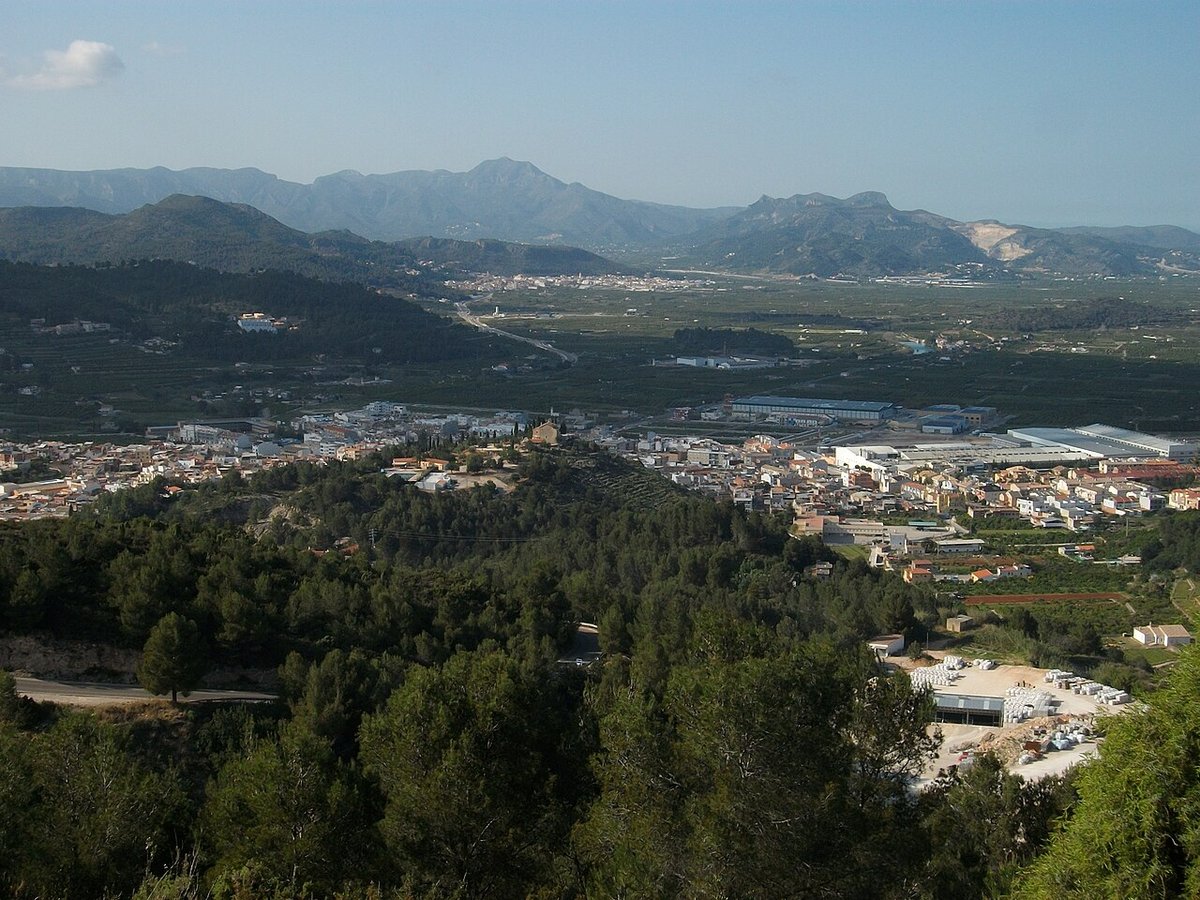
Here, in the middle of the flatlands of La Safor in the Comunidad Valenciana, surrounded on all sides by orange groves, there is something many people in the area already know about: arroz al horno. It does not appear on motorway signs, but more than a few journeys end in Palmera precisely because of it.
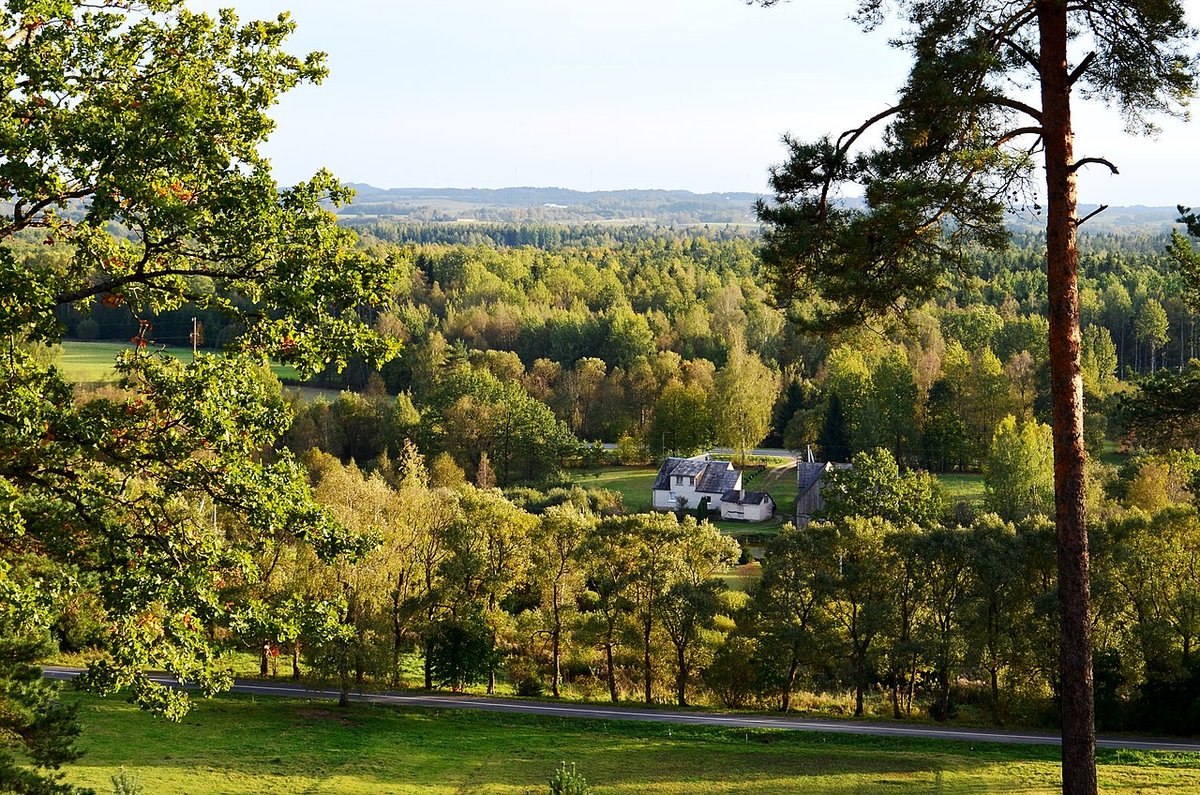
You arrive along a local road that feels as though it is heading nowhere in particular. Orderly rows of orange trees stretch out on either side, as if someone had pressed the landscape smooth. Then the first houses appear, followed by the sign welcoming you into the village.
A village that does not advertise itself
The centre of Palmera is small and straightforward. There is a compact square, older residents sitting at the terrace of the usual bar, and the church of Sant Roc rising above the rooftops. It is not a monumental building, yet it suits the scale of the village and the toasted tones common to many façades in this part of the region.
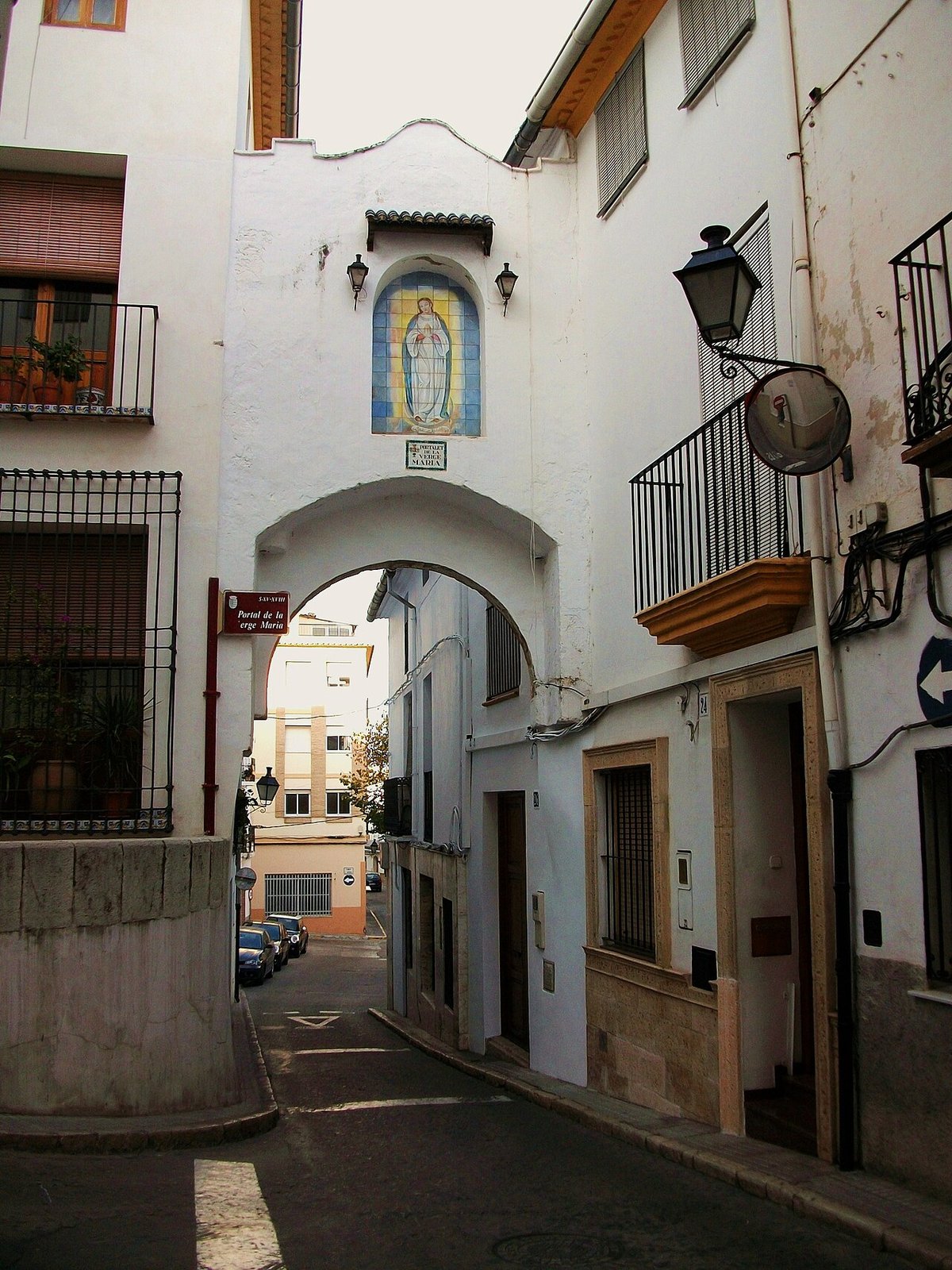
This is not a place that tries to impress at first glance. There are no grand avenues or long lists of sights to tick off. Instead, everything feels proportionate to the daily life around it. A short walk takes you through the main streets, past low houses and simple façades that reflect the strong Mediterranean light.
Palmera’s appeal is understated. The rhythm is unhurried, and the setting, with the Safor plain stretching out around it, shapes the mood. The surrounding farmland is not decorative countryside designed for visitors. It is working land, dominated by orange groves that define both the economy and the landscape.
The arroz al horno people leave the motorway for
To speak plainly, arroz al horno is taken seriously here. This is a traditional Valencian rice dish baked in the oven, and in Palmera it is treated with the respect reserved for recipes passed down through families.
The base ingredients are those typical of the Comunidad Valenciana: rice, chickpeas, local sausage, tomato and that decisive time in the oven which transforms everything. The baking gives the rice a dry top layer and a slightly toasted bottom that many people particularly look forward to. In some places a wood‑fired oven is still used, or at least the cooking style aims to preserve that slow, steady heat which defines the dish.
It is usually served in a clay pot placed directly on the table. The atmosphere tends to follow suit: an unhurried meal, phones turned face down, long conversations and no sense that anyone is rushing to clear the plates. The draw of Palmera is not variety or innovation, but the conviction that this dish should be made as it always has been.
Within the comarca, or local district, there are those who will happily drive out of their way for it. The village does not advertise this loudly, yet word travels. If you arrive without much of a plan and ask where to eat, it is likely that someone will simply say, “If you’re here, try the arroz.” The kind of advice that feels casual but carries weight.
When Palmera slows even further
Outside lunch hours, Palmera moves at a different pace, slower still. It is the sort of place where, the second time you walk down the same street, you begin to recognise faces.
Spring changes the village noticeably. The orange trees blossom and the scent of azahar, orange blossom, is unmistakable along the paths leading out towards the fields. It is common to see people strolling along these rural tracks, cyclists crossing the agricultural roads, or neighbours taking their customary walk after lunch.
The light in La Safor during these months has a particular quality. The orange trees seem greener than memory suggests, and the white façades reflect the sun with a clarity that sharpens every outline. It is not a dramatic, postcard landscape. There are no cliffs or sweeping mountain vistas in the immediate surroundings. Yet when you pause for a while, the combination of flat fields, neat rows of trees and low houses begins to make sense as a whole.
A short wander is enough to understand the layout. In half an hour you can cover the main streets without effort. The village is not defined by monuments or by a historic quarter packed with landmarks. Sant Roc remains the most visible reference point, quietly overseeing the rooftops.
A few things to keep in mind
Palmera is not a destination for a full day of sightseeing. It is best approached with modest expectations and a clear plan: a few hours rather than an entire afternoon and evening.
The appeal lies in the combination of elements. A small village in La Safor, orange groves stretching out in every direction, and the excuse to sit down for a proper meal without checking the time. Park, take a brief walk through the centre, head out towards the fields if the weather invites it, then settle in for arroz al horno served the traditional way in a clay pot.
Afterwards, a coffee in the square fits naturally into the rhythm of the place. There is no programme to follow, no queue of attractions demanding attention. Palmera functions quietly, without much noise and without trying to draw attention to itself.
And that is precisely why some people return. Not for a list of sights or a busy itinerary, but for a reliable plate of oven‑baked rice and a few hours at a slower pace in the Safor plain. Sometimes that is reason enough to leave the A‑7 and make the detour.