Full Article
about Rafelcofer
Municipality with the Iberian site of Raboses and a citrus-growing tradition.
Hide article Read full article
The Village You Find When You're Going Somewhere Else
Rafelcofer is the kind of place you end up in because you missed a turn, or because the motorway was jammed and you took the old road. It’s not a destination. It’s a pause. You pull over because there’s space, you get out to stretch, and suddenly you’re walking past houses with their shutters closed against the afternoon sun, listening to nothing but your own footsteps. Tourism here isn’t really a thing. Life is.
It’s a small town in La Safor, just inland from Gandia, where about fourteen hundred people live. The rhythm is set by the land, not by a tour bus schedule.
A Walk Around the Block is the Whole Tour
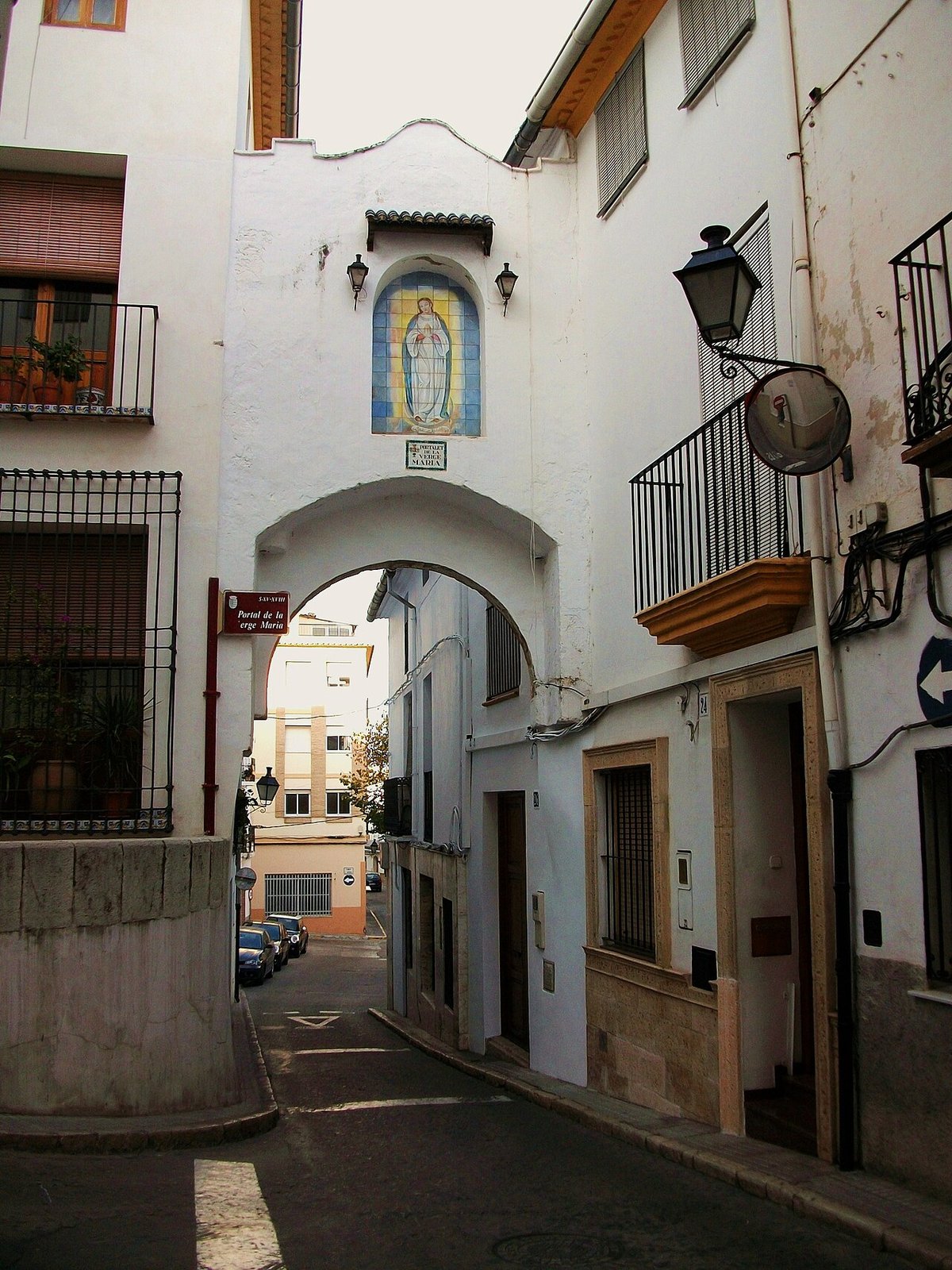
The church tower is your reference point. It’s not grand, but it’s solid and it’s been there for ages. From there, you just pick a street. Calle Mayor, Carrer dels Vents… they all look similar at first: single-storey houses, some painted, some just faded plaster. The point isn't to see a famous building. It's to notice the rosemary bush growing through a crack in a wall, or the sound of a TV news program drifting from an open kitchen window.
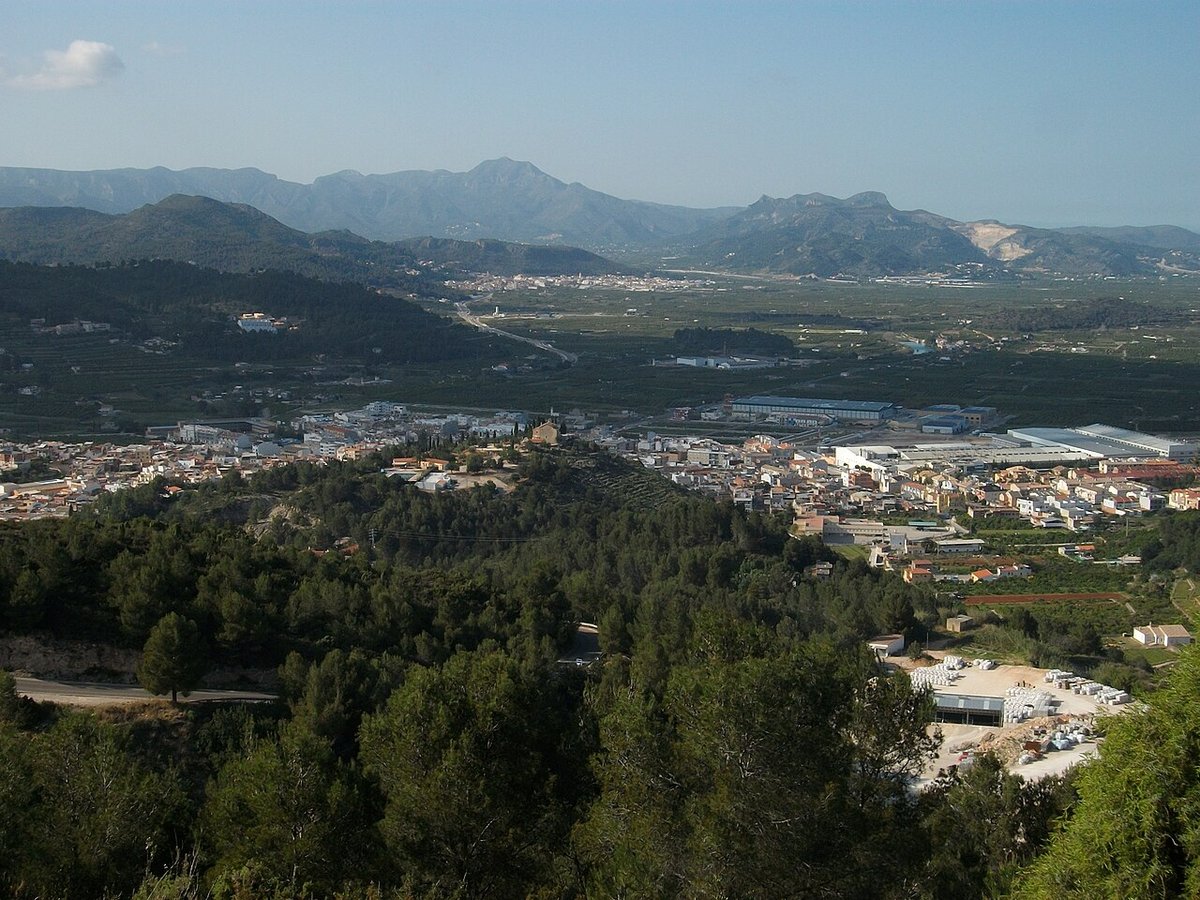
You can walk from one end of town to the other in fifteen minutes. The outskirts feel different—more utilitarian, with older farmhouses sitting right next to the fields. You get the sense that the town literally ends where work begins.
The Real Vista is an Orange Grove
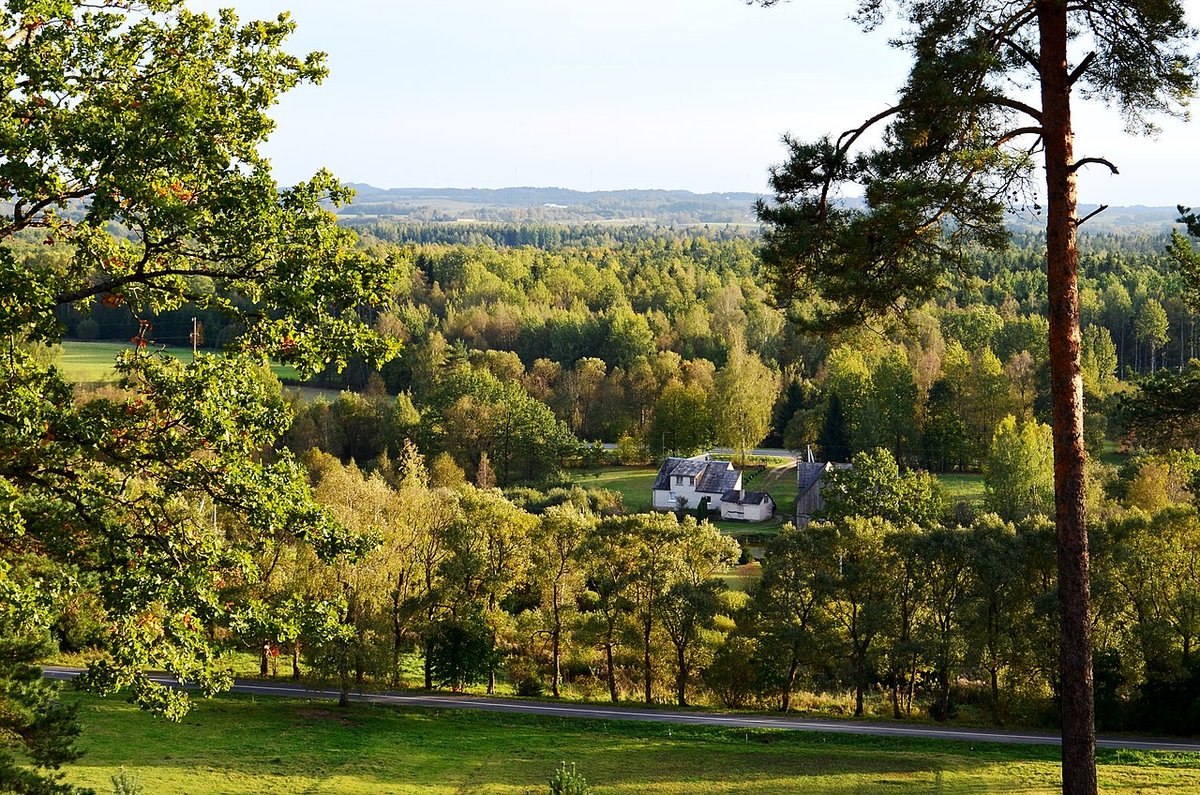
Leave the last house behind and you’re in it. The landscape here isn't hills or coastline; it's geometry. Endless rows of orange trees cut by straight dirt tracks and water channels. In spring, the smell hits you like walking past a perfume counter, but natural and everywhere. It's not subtle.
Come winter, those quiet lanes are busy with tractors and people actually working. It's the opposite of a scenic viewpoint designed for your photo. It's someone's job, and you're just passing through it on foot or by bike. That’s what makes it interesting.
You Come for Lunch, Not for Landmarks
Let's be clear: you don't come to Rafelcofer to sightsee. You come to eat something that didn't travel far to get to your plate. This is rice country, vegetable country, and obviously, orange country. During harvest season, you might see a van parked with crates of fruit for sale direct from the grower. No sign, no fancy display. Just oranges that were on a tree yesterday.
The food logic is simple and hard to argue with.
How It Fits Into Your Day
Its main practical virtue is location. You're ten minutes by car from Gandia beach or its old town bustle. So maybe you spend a calm morning here, wandering those empty streets and smelling the orange blossom, before diving into the coastal chaos for lunch and an afternoon swim.
It pairs easily with other dots on the map like Beniarjó or Palma de Gandia—tiny places that feel even quieter because they have less of a "centre" than Rafelcofer does.
Getting There (You'll Need a Car)
There's no train station here. You drive from Gandia on local roads that cut through those same endless groves. One village blurs into another until you see that church tower.