Full Article
about Real de Gandía
Municipality near Gandia with mountain routes to Mondúver
Ocultar artículo Leer artículo completo
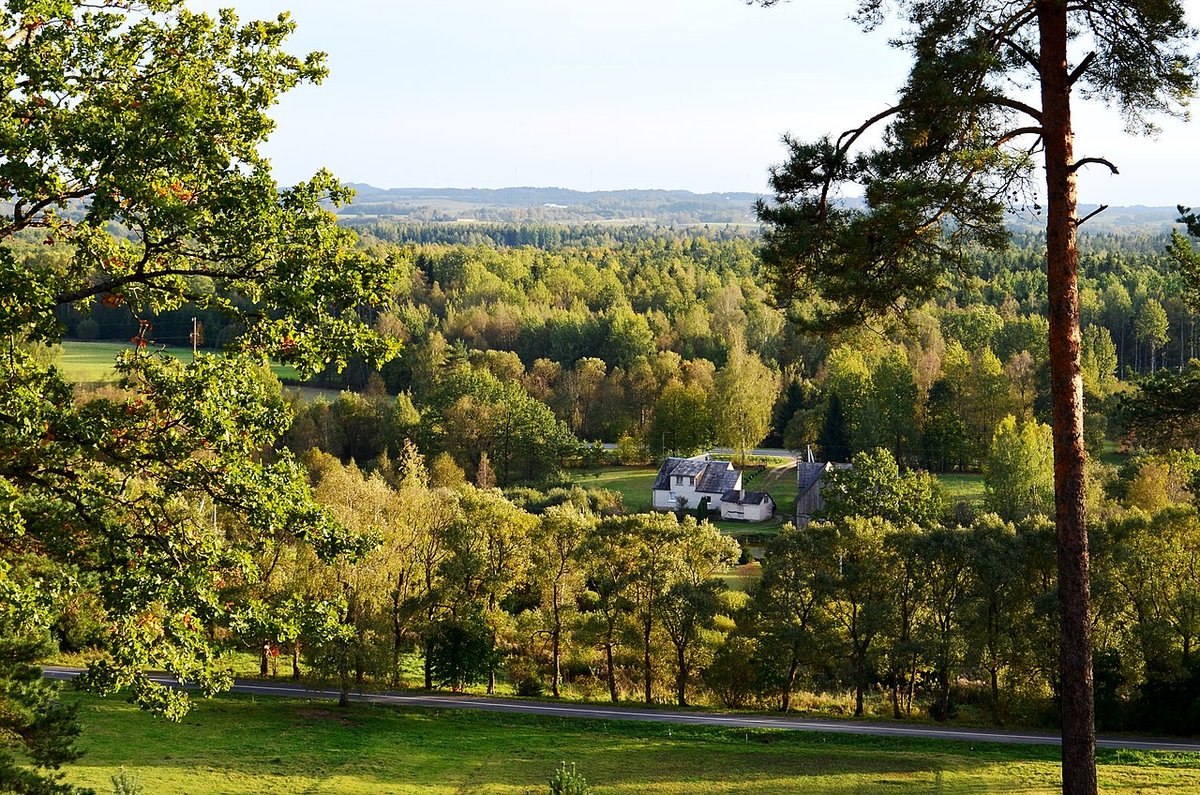
The morning mist lifts from orange groves as a tractor rumbles past the church square, its driver raising two fingers in greeting to the baker unlocking the pastel-coloured doors of Panadería María. This is Real de Gandia at 7:30 am – no sea views, no medieval walls, just the quiet rhythm of a village that refuses to hurry for anyone.
The Grove and the Grid
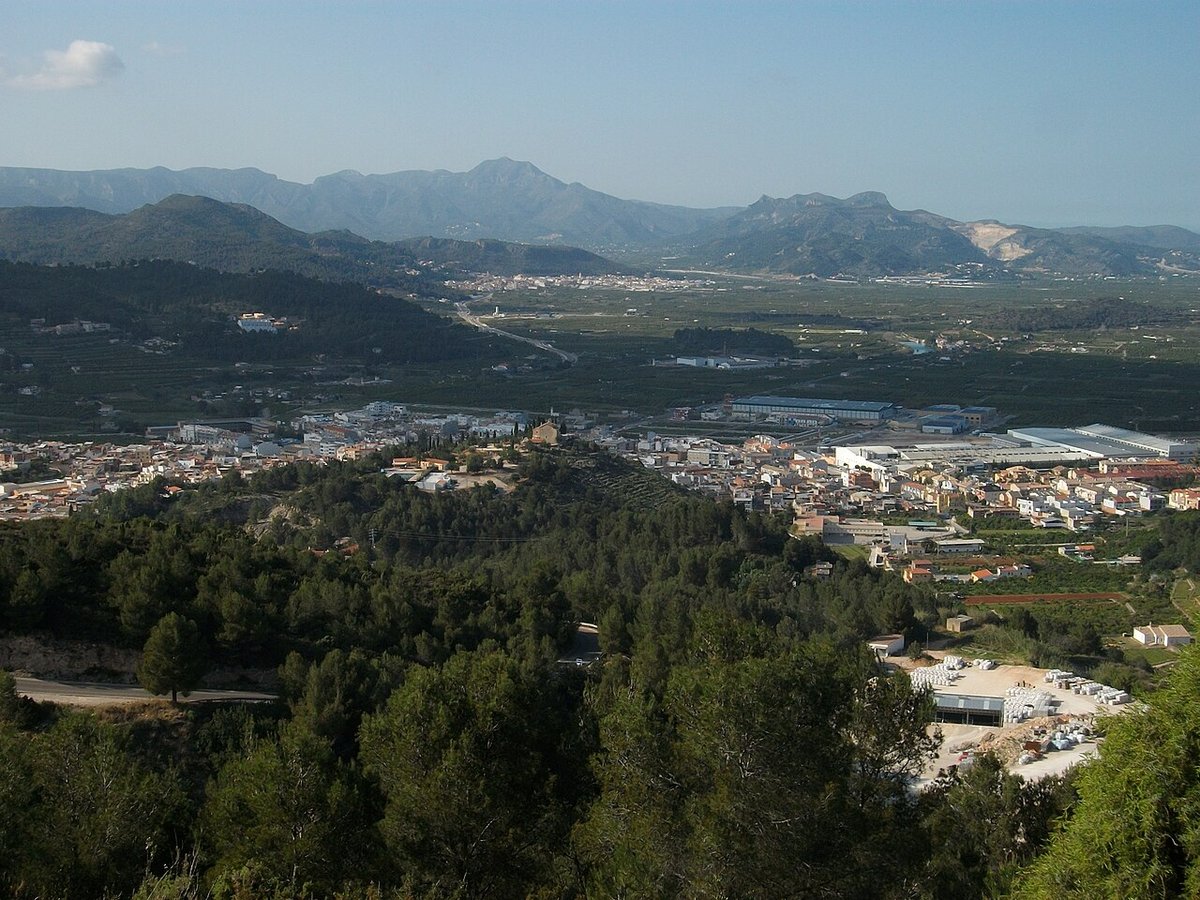
Real de Gandia sits eight kilometres inland from Gandia's package-holiday strip, yet the two places operate on different clocks. While coastal bars blast chart hits to sunburnt tourists, the village follows agricultural time. Irrigation channels – some dating from Moorish rule – still dictate when farmers wake, when they rest, and when the air fills with the heavy perfume of orange blossom.
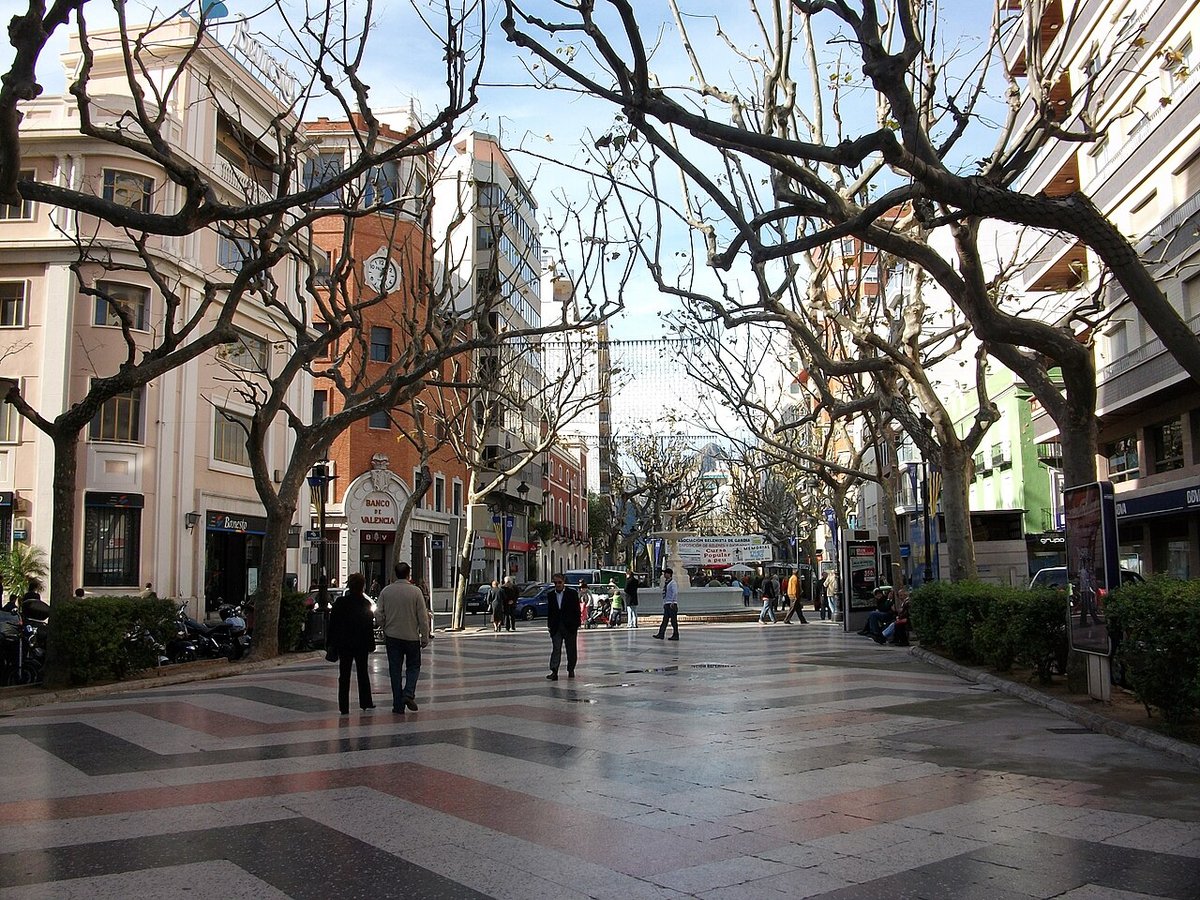
The street pattern hasn't changed since the thirteenth century. Narrow lanes radiate from Plaza Mayor, where elderly men occupy the same bench every afternoon, newspapers folded to the football results. Their wives queue at the cooperative for fruit so fresh it carries morning dew; a kilo of navel oranges costs €1.20, knocked down to a euro if you chat about the weather first.
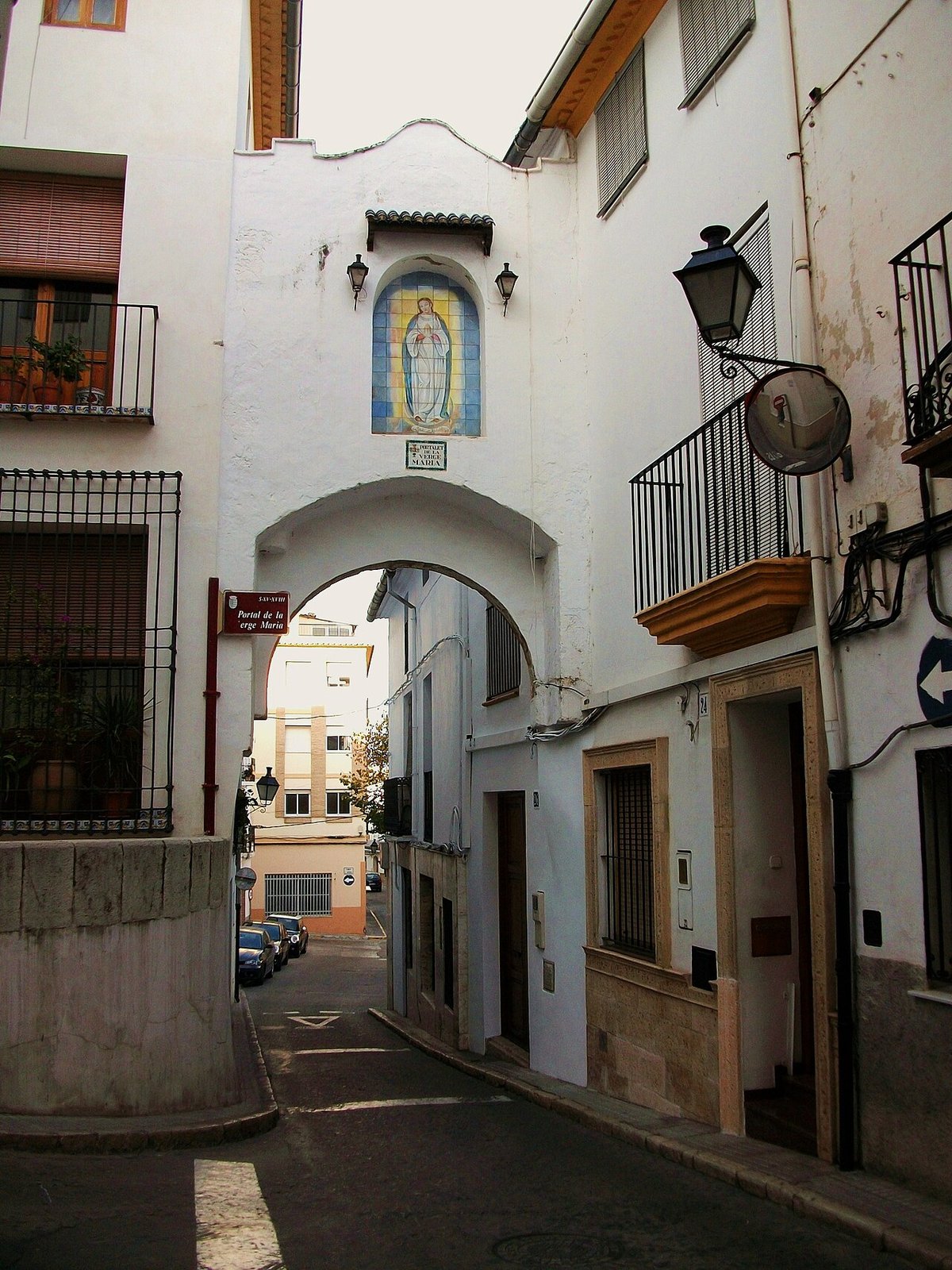
Architecture is modest but honest. Eighteenth-century houses line Calle Mayor, their wrought-iron balconies holding geraniums in faded terracotta pots. The exception is the parish church, whose bell tower rises like an exclamation mark above the low skyline. Inside, Baroque gilt competes with folk-art saints, and the priest still rings the angelus by hand at noon.
What Passes for Excitement
Don't come seeking zip-lines or wine-tasting tours. Entertainment here is subtler: watching swallows dive through archways at dusk, or cycling the flat lanes between immaculate groves where every tree stands equidistant from its neighbour, as if planted with a ruler. Hire bikes from Ciclos Gandia in the city for €15 a day; they'll deliver to your accommodation if asked.
The weekly market fills half the square on Fridays. Stalls sell misshapen vegetables, cheap trainers, and churros fried in oil that probably predates the euro. There's no hard sell – traders chat with neighbours while weighing peppers, barely noticing the occasional lost tourist hunting for "authentic" souvenirs that don't exist here.
Food follows the garden calendar. Arroz al horno (oven-baked rice) appears on Thursdays at Bar Central, cooked by Ana whose family have owned the place since 1978. Her menu-del-día costs €8.50 and nobody rushes you, even when the queue stretches to the doorway. Wine is included, poured from an unlabelled bottle that started life as a coke container.
The Language of Shade
English is thin on the ground, which delights some and terrifies others. Valencian rolls off tongues first; Spanish second. Attempt either and faces light up. One retired teacher offers unofficial conversation classes over coffee at Flower Coffee – pay for her cortado and she'll correct your subjunctive while discussing Birmingham rainfall statistics.
The village absorbs newcomers slowly. Expect a year of nods and "buenos días" before you're invited to pick lemons from a private tree. When it happens – and it will – you'll find a paper bag of fruit hanging on your door handle with no note. That's friendship here: understated, practical, given without expectation.
When the Fiesta Starts
March brings Las Fallas in miniature. Instead of Valencian pyrotechnics, Real de Gandia builds one satirical ninot (effigy) poking gentle fun at the mayor's parking policy. At midnight they burn it in the square while grandparents dance with toddlers to brass bands that last tuned up in 1985. The smell of gunpowder mingles with orange blossom; health and safety consists of one volunteer with a fire extinguisher.
June's patronal fair is bigger: seven days of processions, paella competitions, and verbenas (open-air dances) where British expats discover they can paso doble after sufficient agua de Valencia. The council erects a temporary bar selling beer at €1.50 a caña; profit goes towards next year's fireworks, bought in neighbouring villages because Real de Gandia's budget won't stretch to more than sparklers.
The Practical Bits
You'll need wheels. Hourly buses connect to Gandia city (€1.55, 15 minutes) but stop at 9 pm. From Gandia station, Valencia is 40 minutes on the Cercanías train. Car hire runs €35 a day from Gandia's Avenida de Valencia – book ahead in summer when Spaniards flee inland for cooler nights.
Accommodation is limited. Three rental flats operate legally; the rest are word-of-mouth deals arranged at the bakery. Expect €60 a night for a two-bedroom apartment with roof terrace overlooking groves. Air-conditioning is unnecessary – altitude and sea breeze keep nights tolerable even in August.
Medical cover matters. The village clinic opens weekday mornings for minor ailments; anything serious means the ten-minute drive to Gandia's Hospital Comarcal. EHIC cards work, but travel insurance saves paperwork headaches when you slice your finger demonstrating proper orange-peeling technique.
The Unvarnished Truth
Real de Gandia won't change your life. There's no Instagram moment, no boutique hotel, no chef interpreting traditional cuisine through a molecular lens. What you get is Spain before tourism learned to package itself: elderly women in black reminiscing about drought years, teenagers practicing botellón (street drinking) behind the sports centre, the thwack of dominoes on bar tables at 11 am.
Some find this suffocating. Shops shut from 2 pm to 5 pm regardless of your urgent need for paracetamol. The sole cash machine runs out of money at weekends. If you crave nightlife beyond the municipal brass band, Gandia's Irish pubs await with warm lager and Premier League replays.
But when spring breeze carries orange scent through your bedroom window at dawn, when the baker saves you the last ensaimada because you greeted him properly, when you realise the village noise is birdsong not traffic – then Real de Gandia makes sense. It's not hidden, not undiscovered, just quietly confident that tomorrow will taste of oranges and taste the same as yesterday.