Full Article
about Rótova
Gateway to the Vernissa valley, home to the Monasterio de Cotalba
Hide article Read full article
A change of rhythm in La Safor
Some places act as a pause. Driving through La Safor, once the traffic around Gandia fades and the road turns inland, the pace shifts almost immediately. Rótova has exactly that effect. There are no headline sights or a historic centre that dominates guidebooks, yet it offers something increasingly rare: a village where the countryside still sets the rhythm of daily life.
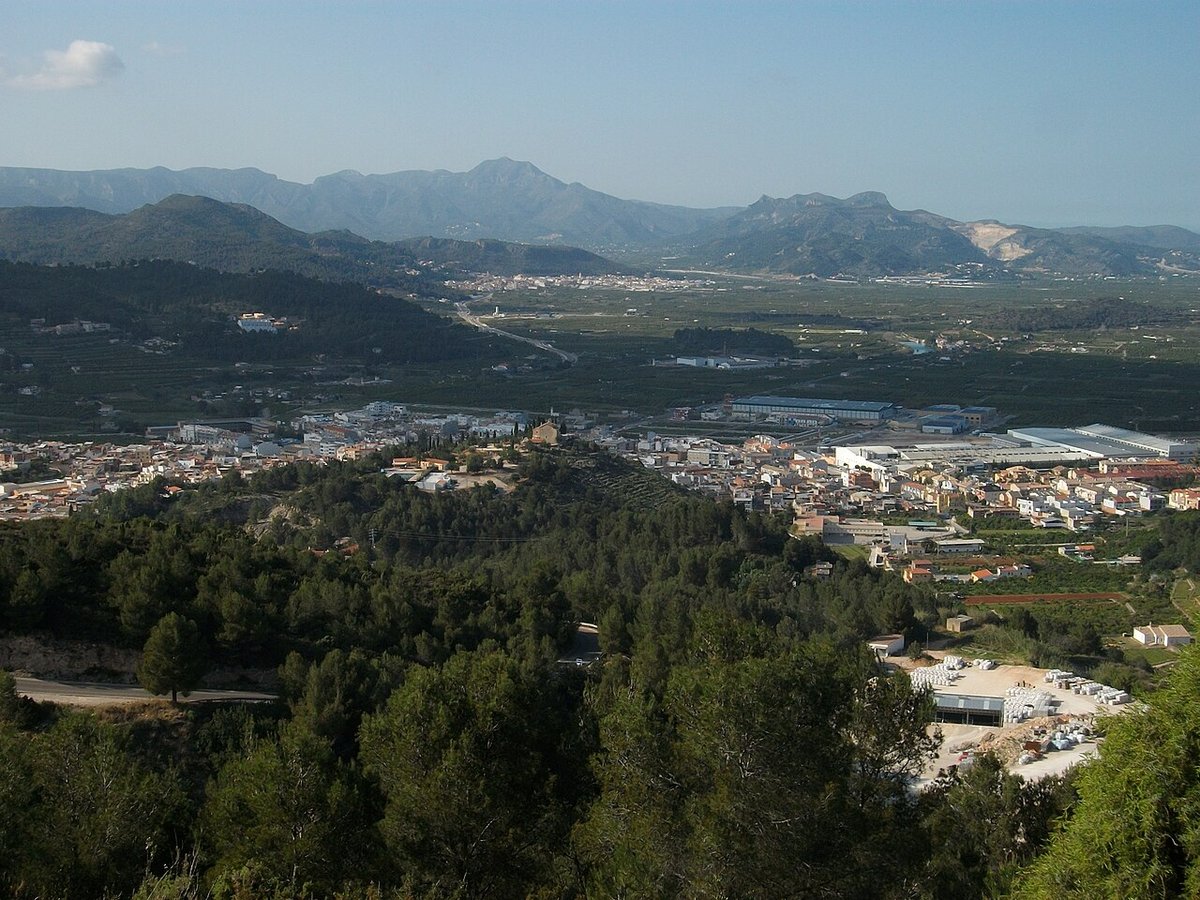
Rótova, in the comarca of La Safor, has around 1,200 residents. Life here continues to revolve around citrus groves, irrigation channels known as acequias, and the cultivated landscape of the huerta. From the outside it may seem calm, but during harvest season everything moves faster and the quiet takes on a different energy.
Walking through the village
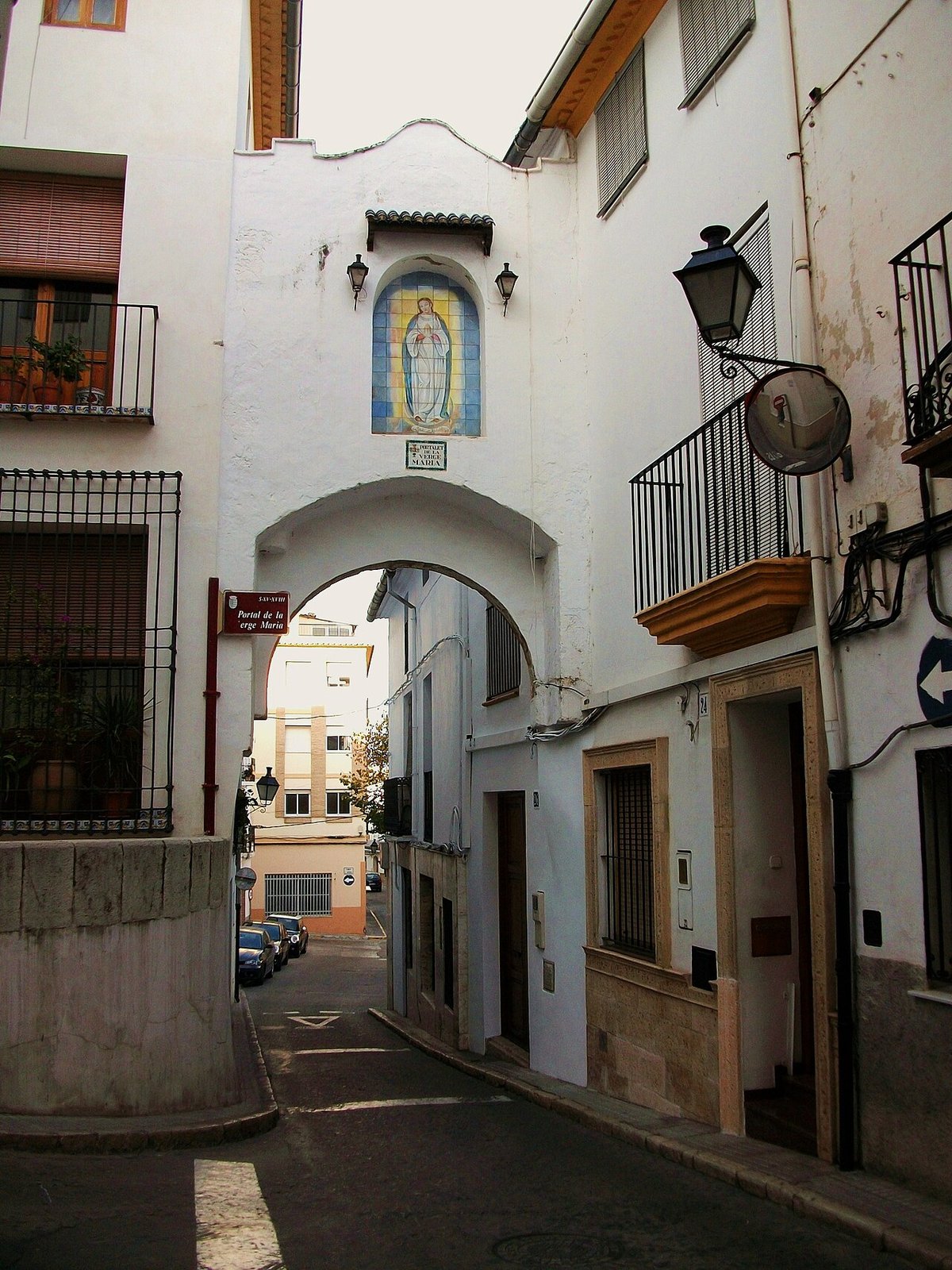
The centre of Rótova keeps an older layout, with streets that rise and dip in a way that reflects its agricultural past. Houses sit close together, with simple façades and plenty of large doorways. These were once used for carts and are now garages for cars. It is not a place designed for quick snapshots, but it rewards slow wandering and a bit of attention to detail.
The clearest landmark is the Iglesia de San Miguel Arcángel, built in the 18th century. It is not a grand church, yet its bell tower can be seen from several points around the village and works as a kind of reference point. If it is in view, it is easy to stay oriented. Inside, the decoration is fairly restrained. What it holds matters more to local history than to any grand artistic narrative.
Another building that comes up is the Palacio de los Borja, linked to the presence of the Borja family in the area. Today it is not somewhere to visit as a palace in the usual sense. It serves more as a reminder that, for centuries, La Safor was divided into small lordships, each with its own structures of power and land.
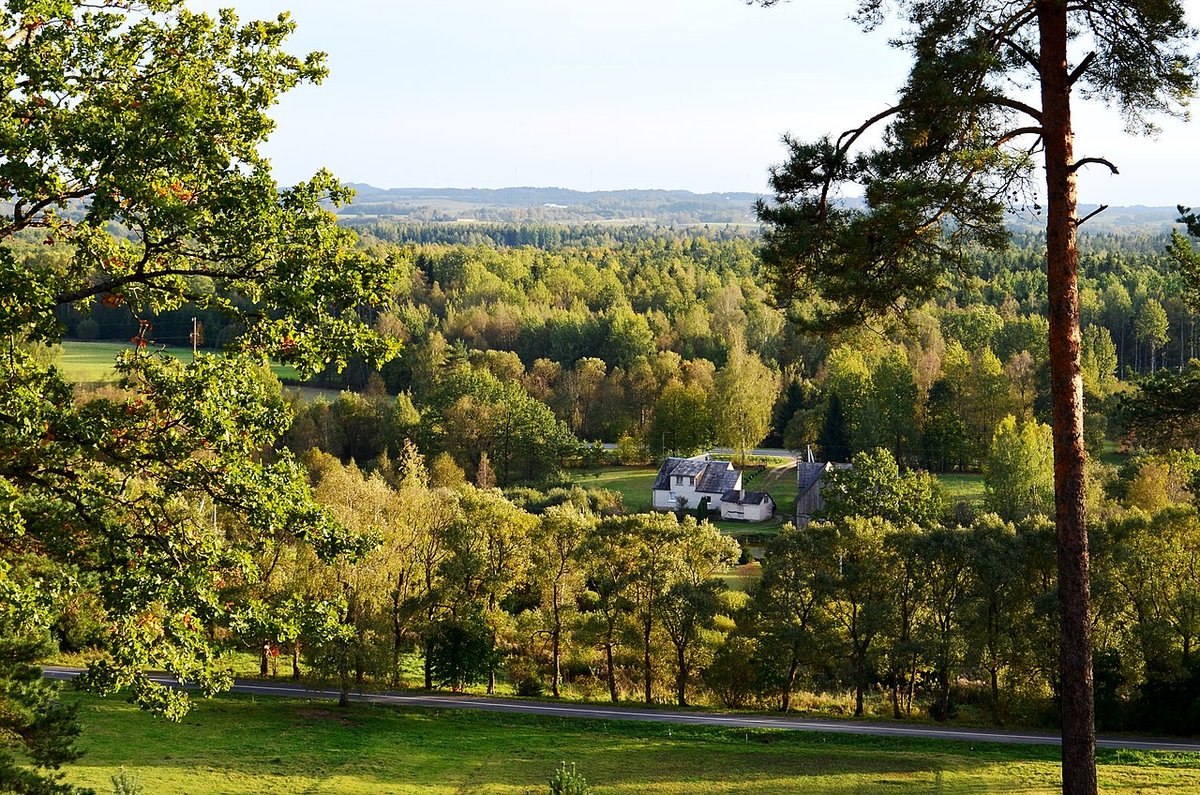
Step beyond the built-up area and the orange groves take over again. Rows stretch out towards the acequias and along the service paths that cross the fields. For walking, the surroundings of the Barranco de Rótova offer simple trails through Mediterranean vegetation, with occasional views towards nearby mountains. It is not a landscape of dramatic peaks, and it does not need to be. The usual plan here is to walk for a while, pause, and carry on.
Time shaped by the fields
Rótova is the sort of place where plans are not defined by ticking off sights. They follow the tempo of the land.
In spring, when orange blossom appears, its scent fills the air. Anyone who has been near flowering citrus trees will recognise it: a sweet fragrance that can feel intense at first, then fades into the background until a breeze brings it back again.
Autumn and winter bring a visible shift. Tractors move along the paths, trailers carry fruit, and there is more activity across the agricultural tracks. It becomes a good moment to understand how the huerta of La Safor actually works, beyond the calm image it gives at other times of year.
There are occasionally family-run farms that explain how citrus is grown or how the harvest is organised. This is not always advertised online, so the most reliable approach is simply to ask locally. In villages like this, a short conversation in the square often reveals more than extended searching on a phone.
Food follows the same logic as everything else: simple Valencian cooking based on rice, vegetables from the huerta and seasonal produce. When oranges are at their best, they tend to find their way into desserts and homemade sweets as well.
For those who prefer a bit of movement, paths lead out from Rótova towards other nearby villages. The terrain is gentle, making it suitable for walking or an easy bike ride. The landscape repeats its pattern of cultivated fields, irrigation channels and small rural buildings known as alquerías, a defining feature of inland La Safor.
Festivals and everyday traditions
The fiestas patronales in honour of San Miguel Arcángel usually take place towards the end of September. These are traditional village celebrations in the most literal sense. Events happen in the streets, with processions, music and neighbours who have known each other for years. There are no large-scale productions, but there is a strong sense of participation.
In March, the Fallas also appear here on a smaller scale. They are very different from those in the city of València. In Rótova, the atmosphere is more local and familiar, with smaller monuments and a focus on community rather than spectacle.
Semana Santa has its place too, with processions moving through the village streets. These are traditions passed down through generations, and they retain the slower, more measured tone that characterises many towns in this part of the Valencian region.
A place that keeps its own pace
Rótova does not try to compete with the better-known destinations of La Safor, and that is part of its appeal. It is the kind of place people arrive at without fixed expectations and leave with a clearer sense of how life unfolds in this inland corner of the Comunidad Valenciana. The huerta, the quiet paths and the steady rhythm of the village all play their part, without needing to present themselves as anything more than they are.