Full Article
about Simat de la Valldigna
Home to the majestic Monasterio de Santa María de la Valldigna, a Cistercian gem.
Hide article Read full article
Simat de la Valldigna: cuando el monasterio es el pueblo
Llegas a Simat de la Valldigna y lo primero que ves son naranjos. Kilómetros de ellos. Y luego, casi sin avisar, aparece la silueta del monasterio encajada entre las casas bajas. Es como si todo el pueblo hubiera crecido a su sombra. Porque básicamente, es lo que pasó.
El Monasterio de Santa María de la Valldigna no es solo un monumento que visitas. Es el motivo por el que este valle y este pueblo existen. Fundado por Jaime II (dicen que exclamó "una valle digna para un monasterio" al verlo), fue el centro económico, social y religioso durante siglos. Lo que ves hoy es grande, sí, pero lo interesante es cómo se nota el paso del tiempo: arcos tapiados, ampliaciones, restos de distintas épocas. No es un decorado perfecto. Es un lugar que se ha usado.
La lógica del agua y los campos
Si el monasterio da sentido al pueblo, el agua da sentido a todo lo demás. Date una vuelta y verás fuentes por todas partes. La más conocida es la Font Gran, con su lavadero público antiguo todavía en pie. Aquí era donde se lavaba la ropa y, sobre todo, donde se enteraba uno de todo.
Luego está el acueducto de Les Arcades. No esperes algo colosal; es un puente de piedra modesto del siglo XVIII que llevaba agua hasta el monasterio. Su gracia está en entender para qué servía: regar las huertas y mantener vivo el complejo. En un sitio así, quien controlaba el agua controlaba la vida.
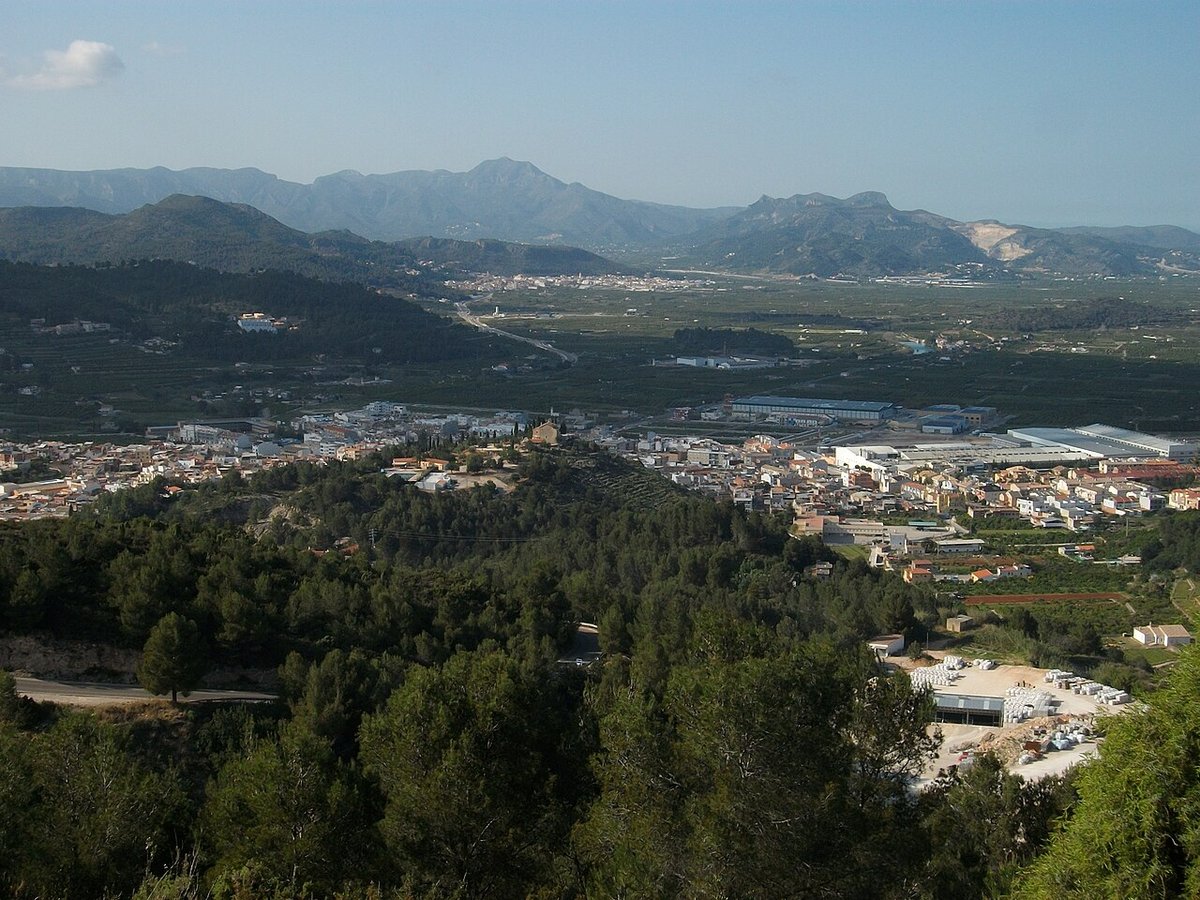
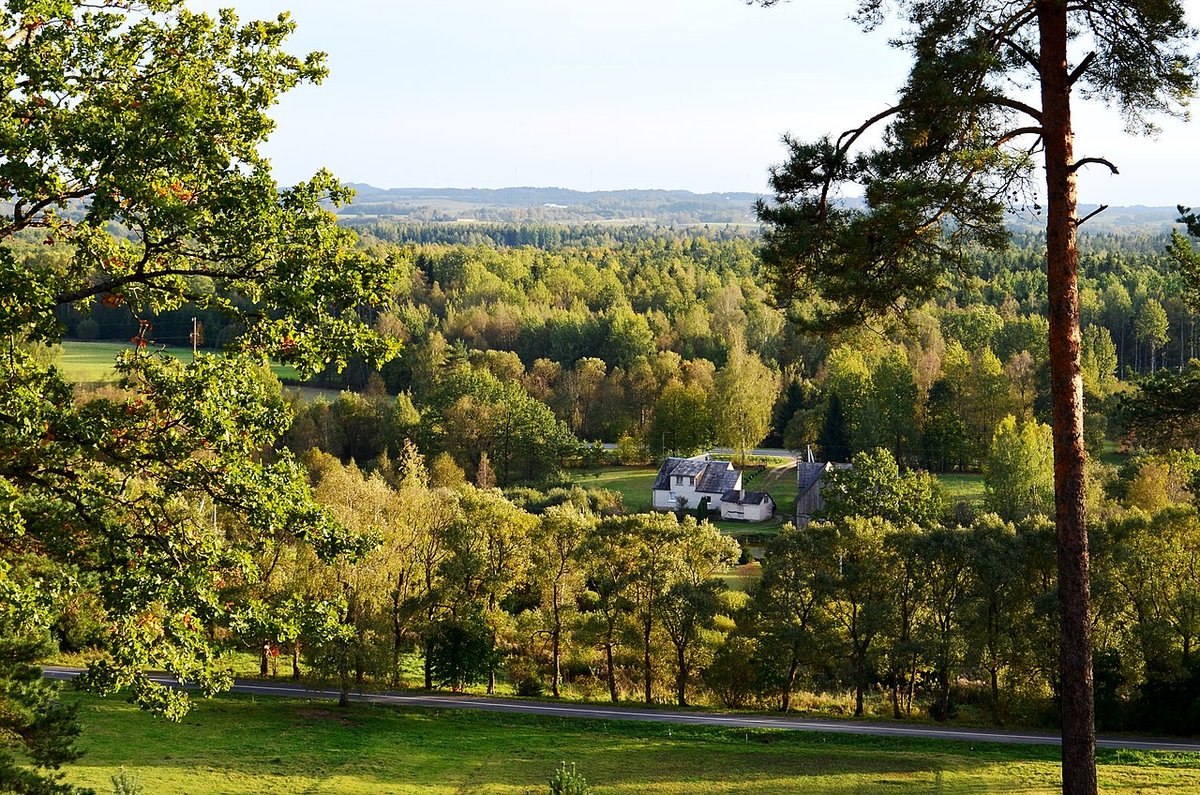
El paisaje lo explica todo: un valle cerrado por montañas, lleno de naranjos y cultivos de regadío. Simat está en el centro de eso. El ritmo sigue siendo agrícola. Verás a gente con cajas de naranjas, tractores pasando por la carretera principal y terrazas tranquilas donde se habla más en valenciano que en otra cosa.
La mezquita que sobrevivió
A cinco minutos andando del monasterio, subiendo una cuesta entre casas, te encuentras con la ermita de Santa Ana. Parece una capilla rural más hasta que te fijas en la puerta. Tiene un arco de herradura.
Estás ante la antigua mezquita de La Xara, uno de los pocos restos visibles de la época andalusí en la zona. Dentro se conserva el mihrab, ese nicho que marca la dirección a La Meca. Es pequeña y sencilla, pero tiene un peso histórico enorme. Desde allí arriba tienes la vista completa: el pueblo a tus pies, los campos verdes y, al fondo, el monasterio que vino después.
Comer entre naranjos
Aquí no vienen a hacer gastronomía de diseño. Se come lo que hay: arroz (de muchos tipos), verduras de la huerta y embutidos de la zona como la blanqueta o la longaniza. Es comida contundente, sin florituras.
Mi recomendación es que reserves tiempo para sentarte en algún lugar del casco. Pedir un arroz al mediodía no es solo comer; es escuchar cómo habla la gente del tiempo o de la cosecha. Entiendes más del sitio en esa hora que en tres paseando rápido.
Vale la pena parar?
Depende totalmente de lo que busques.
Si quieres tiendas de souvenirs, ruinas espectaculares o una vida nocturna activa, probablemente te quedes corto. Simat no tiene eso.
Pero si te interesa ver cómo un pedazo de historia (un monasterio) modela un territorio completo (un valle entero), entonces aquí todo encaja perfectamente. Es para ir sin prisa: ver el monasterio con sus cicatrices del tiempo, subir hasta la mezquita-escondite, sentarte junto a una fuente vieja y luego comer bien. Te vas con la sensación clara de haber entendido un mecanismo: cómo una construcción medieval decidió dónde vivía la gente, qué cultivaban y por dónde corría el agua. Eso no te lo cuentan en muchos sitios