Full Article
about Tavernes de la Valldigna
Town between sea and mountain with a tourist beach and the Cueva del Bolomor
Ocultar artículo Leer artículo completo
The morning freight train from Valencia pulls in at 10:07, and the only other passengers to step onto the platform are two elderly women carrying string bags of spinach. That tells you most of what you need to know about Tavernes de la Valldigna: it is still a working town first, a beach resort second, and a headline act never.
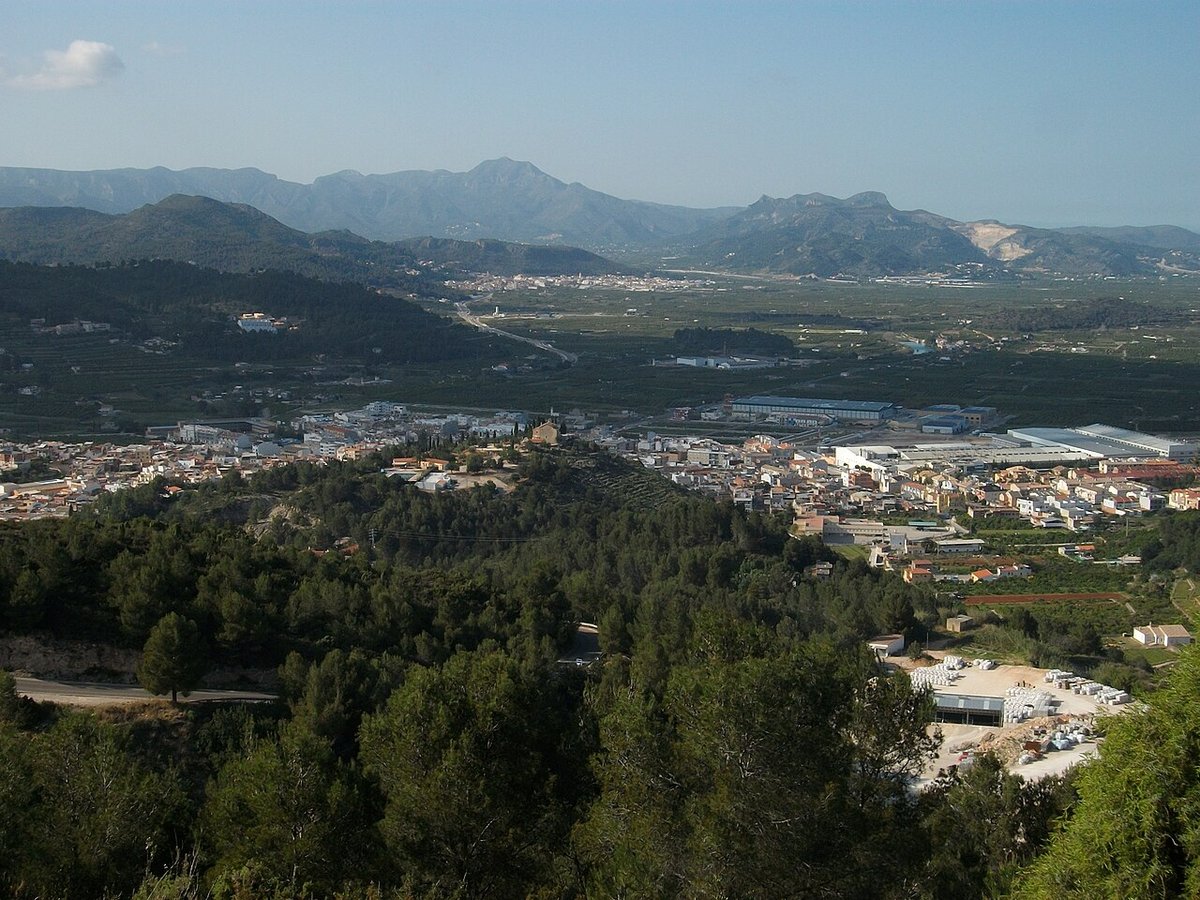
Fifteen metres above sea-level, the place sits in a kilometre-wide ribbon of alluvial soil squeezed between the last ridges of the Serra de Corbera and a seven-kilometre sweep of sand. From the station you can cycle to the shore in twelve minutes, the road arrow-straight between citrus blocks whose blossom turns the air thick with honey each April. The scent is so heady that drivers roll their windows down, even when the Levante wind is whipping dust off the ploughed rows.
The Beach That Didn't Sell Out
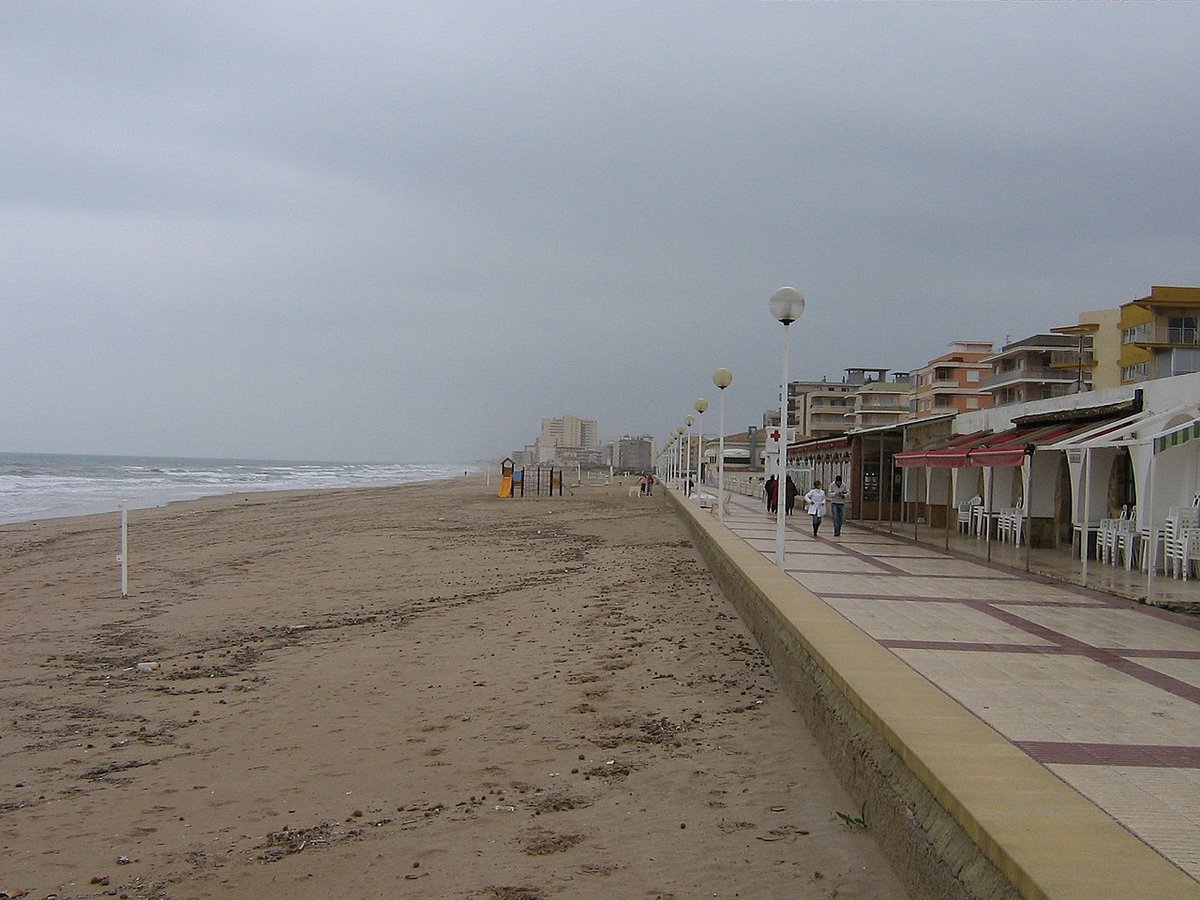
Playa de Tavernes starts where the tarmac stops. No promenade of high-rises, just a low dune fence and wooden walkways put in for wheelchairs. In May you can still pick your spot without tripping over anyone; by August the sand is quilted with towels, yet even then the density feels more Bournemouth circa 1985 than Benidorm present day. British families who come once tend to re-book the same apartments year after year, drawn by the simple equation of clean loos, lifeguards who don't blow whistles every five minutes, and a lunch bill half what it would be in Valencia city.
The northern end, where the Riu Vaca slips into the sea, is the quietest stretch. Walk another twenty minutes south and you reach the little chiringuito kiosks that grill sepia between two metal plates and serve it on a paper tray with nothing more than lemon and a napkin. They close at sunset, so don't plan on a late-night daiquiri.
What the Monastery Lost and Kept
Three kilometres inland, the Cistercian monastery of Santa María de la Valldigna rises out of the orange groves like a lesson in diminished power. Jaume II founded it in 1297; the Crown took it apart piecemeal after 1835. What remains is enough to map the original footprint—Gothic church, Renaissance gateway, a cloister only two sides of which still have roofs. Restoration money arrives in drips, so one arcade smells of new stone dust while the next is open to the sky and full of swallow nests.
Entry is free, though the caretaker will follow you at a respectful distance in case you fancy chiselling off a souvenir. Concerts are staged in the nave on summer Saturdays; plastic chairs, no programme, bring your own wine. From the bell-tower platform the view is a living map: irrigation ditches running ruler-straight, the coast a bright thread in the distance, and the mountains acting as a natural wall that keeps the cold air pooled in the valley on winter nights.
Eating by the Calendar, Not the Menu
Tavernes restaurants don't print "seasonal dishes" because everything is. In January the table arrives with a cauldron of arroz caldoso—soupy rice thick with mountain snails that taste of rosemary and rain. April means tender garlic stems stirred into fideuà so short it eats like savoury Rice Krispies. By late July the boats are landing dorada and the price on the chalkboard drops daily until the boxes are empty.
The set-menu del día hovers around €13 and includes a carafe of wine that started life in a bulk tank behind the bodega. The house white is a Valencia DO blend of Merseguera and Tortosí; at 11.5% it slips down like water, then climbs back up and waves. If you prefer something softer, order the fresh orange juice: the fruit comes from the grove you cycled past that morning, and the grower's cousin probably owns the bar.
When the Valley Turns Loud
March brings Fallas, and the town fills with papier-mâché figures taller than the electricity poles. A retired British couple once asked the baker what time the "bonfire parade" began, not realising that the cremà starts at midnight sharp and involves enough fireworks to register on seismographs in Alicante. Accommodation within the old centre is best avoided 15–19 March unless you enjoy waking to the smell of cordite.
August is the other sonic month. San Roque's fiestas mean open-air concerts that run until the 04:30 train to Valencia, and a bull-free bull-run through foam instead of horns. British families with toddlers tend to retreat to self-catering apartments on the beach side, where the dunes muffle the bass.
Walking Off the Rice
Behind the monastery a farm track becomes the PR-CV 364 footpath and climbs gently into the Serra de Corbera. After forty minutes you pass the Ermita de Sant Josep, a chapel the size of a Dorset garden shed, then the track narrows to a stony staircase hacked into the rock during a 19th-century land dispute. From the ridge the whole Valldigna valley fans out below—an emerald chessboard of citrus broken only by the silver flash of irrigation canals.
The loop back down takes two hours, descending through pine and scrub where wild rosemary snaps under your boots and releases a scent that makes the earlier lunch feel like a rehearsal. Take water: there is no bar, no fountain, and mobile reception vanishes halfway up.
Getting Here, Getting Out
Valencia airport is 66 km north; the C-1 Cercanías train reaches Tavernes in 70 minutes for €7.40 return. From Alicante the journey is slower—change at Xeraco—but the ride along the coast is worth the extra hour. A hire car lets you reach the mountain trailheads and the Sunday flea market in town, where Dutch cyclists haggle over second-hand Spanish army canteens and local honey sells out by 11 a.m.
If you stay on the coast, cycle paths link the beach to the orange-roads, though you will share the lane with tractors hauling crates of fruit at dawn. Helmets are not compulsory for adults, but a polite nod when you pull over costs nothing and usually earns a wave from the driver.
The Catch
Tavernes is quiet by design, not accident. Evening entertainment beyond a beachside beer is thin, and if the sea turns rough there is no cinema, no bowling alley, no mock-Irish pub. Supermarkets still close for three hours after lunch, and the single cash machine in the old quarter runs dry at weekends. When the Levante really blows, sand stings your legs and the lifeguards raise the red flag for days.
Come anyway, but pack a book and a sense of calendar. The town will not rearrange itself around your holiday; it has oranges to pick, rice to stir, and a monastery roof that still needs three more years of grants. The compensation is a stretch of Mediterranean coast where you can hear the fruit fall, and where the train home always leaves on time—unless the driver is finishing his coffee, in which case it leaves when he's ready.