Full Article
about Alfarrasí
Town at the confluence of the Albaida and Clariano rivers with a farming tradition.
Ocultar artículo Leer artículo completo
The church bell strikes noon and the single café on Plaza Mayor empties faster than a pub at closing time. This isn't rudeness—it's survival. In Alfarrasí, where the Vall d'Albaida valley traps summer heat like a clay oven, locals know better than to linger over coffee when the mercury pushes past 35°C.
At 180 metres above sea level, this agricultural village won't fulfil coastal fantasies. There's no beach, no promenade, no ice-cream coloured houses reflecting in Mediterranean waters. Instead, Alfarrasí offers something increasingly rare in the Valencia region: a working village that hasn't rebranded itself for weekenders from the city.
The Arithmetic of Small-Town Spain
With 1,200 residents, Alfarrasí operates on numbers that would make a British market town blink. The baker knows how many baguettes Mrs García wants before she opens her mouth. The pharmacist stocks malaria tablets for precisely one customer—the Englishwoman who visits her daughter each winter. Even the village stray cat, a ginger tom with a torn ear, answers to a name the whole town uses.
This intimacy extends to the built environment. The historic centre spans three streets. Four, if you're being generous. The Church of the Purísima Concepción dominates the skyline mainly because nothing else exceeds two storeys. Built in typical Valencian rural style, it's been modified so many times that architectural purists might wince, but the patched-together result feels honest—like the village itself.
The plaza serves as alfresco living room, council chamber and playground. Elderly men cluster on metal benches that grow too hot to touch after 11 am. Women coordinate the week's shopping, dispatching grandchildren to the Spar for forgotten items. Teenagers circle on bicycles, practising the ritual of looking bored that seems universal to fifteen-year-olds everywhere.
Working Fields, Not Wellness Retreats
Orange groves press against the village boundaries like eager spectators. Between the trees, farmers manoeuvre tractors that predate Spain's EU membership. The agricultural rhythm governs life here: January pruning, March blossom, October harvest. Visitors arriving in picking season might find locals too busy for conversation—citrus doesn't wait for anyone's holiday schedule.
Walking tracks weave through the groves, though "track" flatters some routes. They're service roads really, built for tractors rather than hikers. A circular hour-long stroll from the church takes you past almond trees, olive groves and the occasional farmhouse selling honey from a table staffed by honesty boxes. The terrain won't challenge anyone who's tackled the Lake District, but the views across the valley reward the minimal effort required.
Spring brings the most dramatic transformation. From February onwards, blossom turns the valley floor white, pink and orange depending on tree variety. By April, the scent carries into the village, mixing with woodsmoke from houses that still use traditional heating. Photographers arrive clutching expensive lenses, though they often leave disappointed—the beauty lies in the scale, not individual specimens.
What Passes for Entertainment
The village's single restaurant opens only at weekends outside summer. Casa Toni serves whatever Teresa—Toni's wife—decides to cook. Rice dishes dominate: paella valenciana (rabbit and snails, no chorizo controversy here), arroz al horno baked in earthenware dishes, and on Thursdays, arroz con costra topped with egg and baked until a crust forms. Three courses cost €14 including wine that arrives in unlabelled bottles. Vegetarian options extend to omelette or omelette.
For drinking, Bar Central opens at 6 am for farmers and stays open until the last customer leaves, often well past midnight. They serve Estrella beer on tap and coffee that could revive the dead. The television shows bullfighting during fiesta season, football the rest of the year. Conversation stops for both.
Shopping options run to basic. The Spar stocks UHT milk, tinned fish and those Spanish crisps that taste faintly of fried eggs. Fresh produce means the weekly market—Thursday mornings, Plaza Mayor—or driving to Ontinyent, twenty minutes away. The baker closes at 1 pm sharp and woe betide anyone arriving at 1:05. She's been known to sell yesterday's loaf to latecomers as punishment.
Timing Your Visit (Or Why August Might Break You)
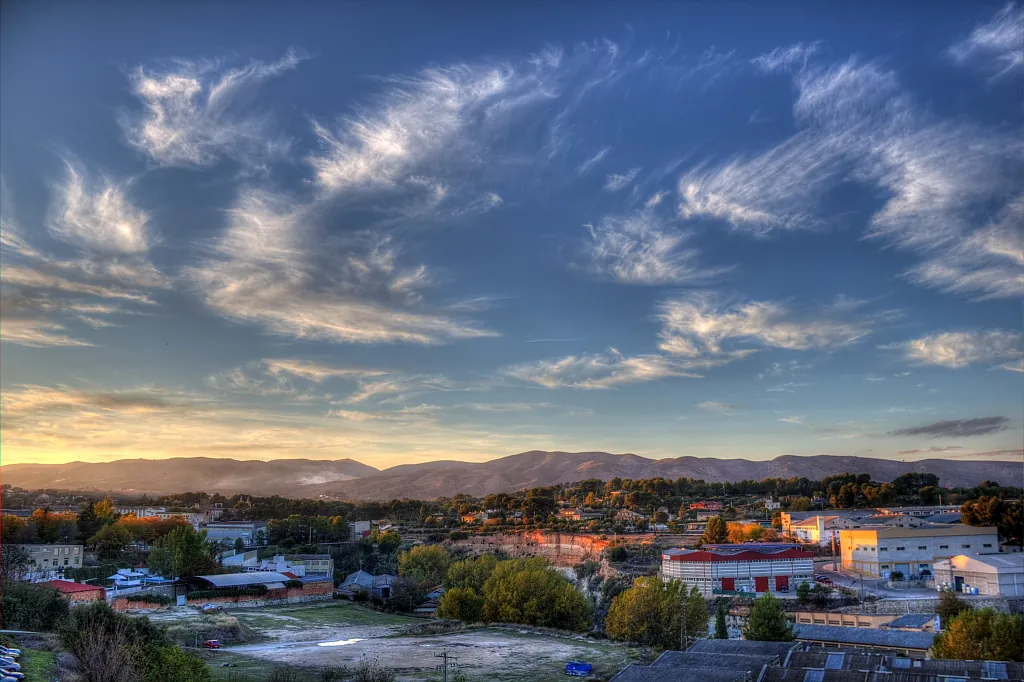
Alfarrasí's climate divides the year into three seasons: pleasant, hot, and furnace. April through June offers warm days and cool nights, ideal for walking and avoiding the coastal crowds. September brings harvest activity and temperatures that won't melt shoe rubber. October sees the valley turn gold as leaves change—photographers' second chance after spring blossom.
July and August transform the village into a test of endurance. Temperatures regularly exceed 40°C. The sensible retreat indoors between noon and 5 pm. Even the flies move slower. Accommodation without air conditioning becomes a form of torture banned by most civilised nations. These months attract only the most committed (or misinformed) visitors.
Winter surprises many with its bite. At 180 metres, Alfarrasí sits high enough for frost. January mornings see villagers scraping car windscreens while wearing coats that wouldn't look out of place in Manchester. The surrounding peaks—visible on clear days—wear snow caps that photographers love but drivers hate when the white stuff drifts onto access roads.
Getting Here, Getting By
From Valencia, take the A-7 towards Alicante, exit at Ontinyent and follow the CV-81. The journey takes ninety minutes if you miss the agricultural traffic. Miss being the operative word—tractors don't hurry for anyone. Sat-nav gives up entirely in the village centre, where streets narrow to single-track width built when donkeys represented cutting-edge transport.
Parking operates on the village square system: find a space where cars already park, regardless of yellow lines or common sense. The local police—one officer, part-time—issues tickets only during fiestas when he's feeling particularly enthusiastic. The rest of the year, creative parking passes without comment.
Public transport means the twice-daily bus to Ontinyent, connecting with Valencia services. Missing the 2 pm return leaves you stranded until 7 pm. Taxis require twenty-four hours' notice and cost more than hiring a car for the week. Walking everywhere works fine, assuming everywhere means the three streets of the centre and you're happy carrying shopping in 35°C heat.
Alfarrasí won't change your life. It doesn't feature in glossy brochures or Instagram feeds. What it offers instead is increasingly precious: a place where Spain carries on being Spanish, where orange blossoms scent the air and the church bell still marks time for people who've never needed watches. Just don't arrive expecting the coast. The sea remains forty kilometres away—and in Alfarrasí, nobody's apologising for its absence.