Full Article
about Bèlgida
Quiet village with red soil and farming tradition in the heart of Vall d'Albaida
Ocultar artículo Leer artículo completo
The Village That Time Forgot to Rush
At 270 metres above sea level, Bèlgida sits high enough to catch the mountain breeze yet low enough to keep its orange groves thriving. The difference is noticeable within minutes of leaving Valencia's coastal plain. That thick Mediterranean humidity thins out, replaced by crisp air that carries the scent of almond blossom and wood smoke from farmhouse chimneys.
This elevation isn't incidental—it's what shapes everything about the village. Winter mornings bring proper frost that silver-plates the citrus leaves. Spring arrives two weeks later than on the coast, dragging out the almond blossom season until mid-March. Summer brings relief: when Valencia city swelters at 35°C, Bèlgida hovers at a manageable 28°C. The trade-off comes with access: the CV-610 mountain road winds upward for 20 minutes from the A-7, and winter fog can reduce visibility to mere metres.
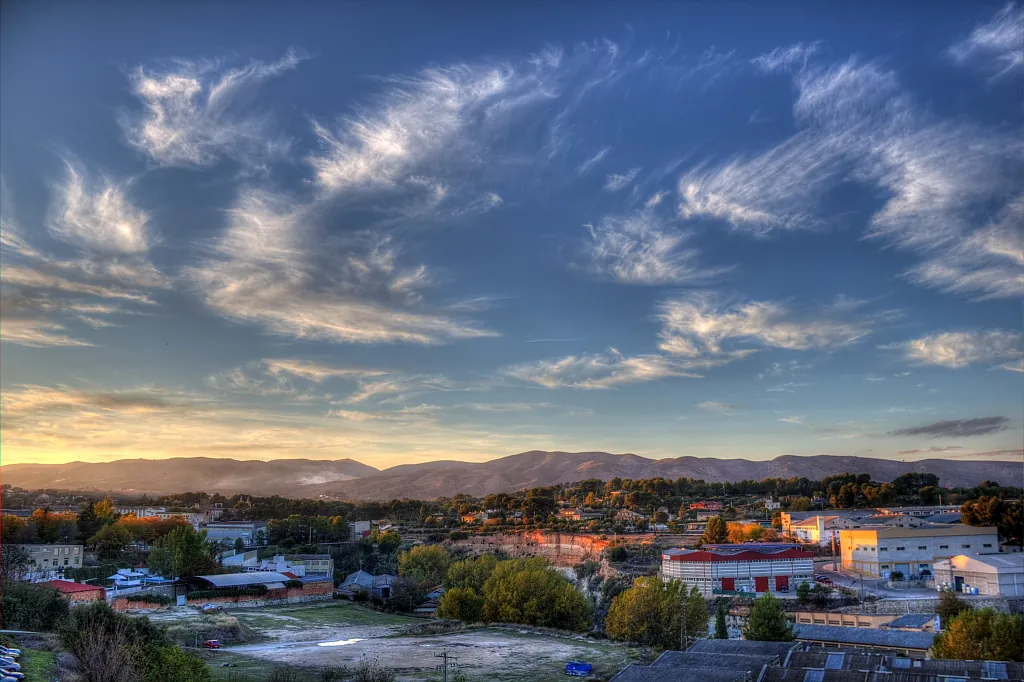
The village spreads across a south-facing slope, its whitewashed houses arranged like amphitheatre seating overlooking the Vall d'Albaida. From the upper streets, the view unfolds across a patchwork of smallholdings—orange groves in their regimented rows, almond terraces clinging to steeper ground, and the occasional olive grove breaking the monoculture. It's agricultural England meets Mediterranean efficiency, minus the hedgerows.
Walking Through Living History
Bèlgida's medieval core reveals itself gradually. There's no dramatic plaza mayor or cathedral to announce your arrival in the historic centre. Instead, narrow lanes snake between houses whose stone doorways have been worn smooth by five centuries of agricultural traffic. The parish church of Sant Miquel dominates physically but not ostentatiously—its modest Baroque facade suggests a community that invested in spiritual needs without architectural grandstanding.
The old town takes exactly forty-seven minutes to explore thoroughly, assuming you stop to read the ceramic street signs and peer into the occasional open gateway. These glimpses reveal the village's architectural signature: interior courtyards designed as cool retreats from summer heat, external staircases leading to haylofts now converted into guest rooms, and bread ovens built into shared walls between properties.
Walk uphill past the church and the streets dissolve into agricultural tracks. Here, the village's working character becomes apparent. Tractors appear suddenly from between houses, their tyres caked with the distinctive red clay of the region. Elderly residents still carry shopping up gradients that would challenge a fit thirty-something, stopping to rest on stone benches placed strategically every hundred metres. These aren't heritage features installed for tourists—they're necessities in a place where vertical distance matters more than horizontal.
The Almond Blossom Lottery
February transforms Bèlgida into something approaching a natural phenomenon. The almond trees explode into flower simultaneously, creating a white-out effect that photographers chase across social media. But timing this display requires either local knowledge or extraordinary luck. The blossom window lasts barely ten days, dictated by overnight temperatures that can shift from -2°C to 15°C within a week.
Local farmer José Luis Martínez, whose family has worked these terraces since the 1800s, explains the calculus: "We watch the weather forecasts from January 20th onwards. One warm week and everything flowers early. A cold snap delays it. The trees decide, not us." His recommendation? Book accommodation for late February through early March, but build flexibility into travel plans. The blossom doesn't wait for anyone's weekend schedule.
When the flowers appear, the village experiences its busiest period. Day-trippers from Valencia and Alicante arrive in convoys, parking haphazardly on agricultural tracks and trampling between trees for the perfect photograph. The irony isn't lost on residents: their quiet village becomes briefly notorious on Instagram, then returns to anonymity just as quickly.
Eating What the Land Provides
Bèlgida's culinary identity reflects its agricultural reality. This isn't paella territory—the rice fields lie an hour east on the coastal plain. Instead, expect dishes built around almonds, oranges, and whatever the vegetable gardens yield. Restaurant Ca Vicent serves paella de montaña, a mountain variant that substitutes rabbit and local beans for seafood, cooked over orange wood that imparts a subtle citrus note.
The village's bakery, open from 6 am, produces coca de mullador—a savoury pastry topped with local tomatoes and onions—alongside sweet almond tarts that use nuts harvested from surrounding groves. Coffee comes properly strong, served in glasses that burn your fingers, accompanied by a small glass of water that locals sip between mouthfuls to cleanse the palate.
For self-caterers, the Friday market in nearby Ontinyent (15 minutes by car) offers the region's agricultural bounty. Look for nísperos (loquats) in May, tiny sweet tomatoes throughout summer, and almonds sold still in their green husks during September. The market's cheese stall stocks a local goat's cheese that's aged in mountain caves, developing a complexity that justifies its €18 per kilo price tag.
When to Visit, When to Stay Away
Spring and autumn provide Bèlgida's sweet spots. March through May offers mild temperatures, wildflowers on the surrounding hillsides, and that almond blossom spectacle if you time it right. September brings the grape harvest and comfortable hiking weather, with daytime temperatures hovering around 24°C.
Summer presents a mixed proposition. August temperatures reach 32°C, but the altitude keeps nights bearable. The village's fiestas patronales transform the quiet streets into a celebration that lasts four days, complete with late-night concerts and processions. Accommodation books up a year in advance for these dates—local families return from Barcelona and Madrid, filling houses to capacity.
Winter brings its own challenges. While snow remains rare, January fog can isolate the village for days. The CV-610 becomes treacherous, and that spectacular view disappears into grey nothingness. Several guesthouses close from November through March, their owners heading to coastal apartments until spring returns.
Access remains the perennial issue. Without a car, Bèlgida requires commitment. ALSA runs one daily bus from Valencia, departing at 2:30 pm and returning at 6:15 am—impractical for anyone not planning an overnight stay. Car hire from Valencia Airport costs around €30 daily, but mountain driving experience helps on roads that drop suddenly into valleys before climbing again.
The village won't suit everyone. Nightlife means drinking wine on someone's terrace. Shopping options extend to two small supermarkets and a pharmacy. Mobile phone reception cuts out in the narrowest streets. But for those seeking to understand how inland Valencia lives when the tourists depart, Bèlgida offers authenticity without the performance. Just remember to check the weather forecast—and pack walking shoes with proper grip.