Full Article
about Bellús
Small town known for the reservoir that bears its name and its ancient thermal waters.
Ocultar artículo Leer artículo completo
The only traffic jam in Bellús happens at nine o’clock sharp, when the bar owner rolls up the metal shutter and half the village is already waiting, caps in hand, for the first coffee of the day. Three hundred souls, one pavement café, and a parish church the colour of warm bread: that is the entire civic centre. Beyond it, the streets dissolve into dirt tracks that smell of damp earth and citrus leaf, and the real map begins.
The Pay-Off for Leaving the Coast Behind
Seventy kilometres inland from Valencia’s City of Arts and Sciences, the motorway shrinks to a two-lane comarcal that threads between smallholdings of oranges and lemons. Bellús sits at the point where the Baix Vinalopó plain begins to rumple into the Vall d’Albaida hills, so the land is flat enough for bicycles yet tilted just enough to give views. The drive takes fifty minutes if you resist stopping to photograph the blossom; longer in March when the azahar drifts through open windows and makes speed feel impolite.
There is no charge to enter the village, no parking meter, and scarcely a signpost. Leave the car by the sports pitch (rough gravel, always space) and everything worth seeing is within a ten-minute radius on foot.
A Town that Works, Then Rests
Bellús will never feature on a souvenir fan. The houses are low, rendered in ochre or custard-white, with terracotta roofs and the occasional 1950s balcony tacked on like an afterthought. Shutters open outwards, not for prettiness but because the afternoon sun is fierce. Look closer and you can date the building by the size of the doorway: wide enough for a mule cart before 1940, narrowed to fit a SEAT 600 after Franco, enlarged again when tractors arrived.
The church of Sant Pere Apòstol keeps watch from a modest rise. Its bell strikes the quarters whether anyone is listening or not; swallows use the tower as a meeting point. Inside, the air is cool and smells of candle wax and floor polish. A single fresco fragment survives above the altar, the blues faded to greys, like denim left too long on the washing line.
Walk south-east for two minutes and the asphalt stops. Suddenly you are between irrigation ditches the width of a Yorkshire stream, water gliding along concrete channels built by the Moors and patched by every generation since. Follow any path and you will reach a balsa – a shallow holding pool – where farmers still syphon water into hoses dragged like fat pythons across the rows. The system looks improvised because it is: valves made from cut-up fizzy-drink bottles, gates wedged with river stones, everything calibrated by eye and experience.
What the Brochures Don’t Mention
Spring arrives weeks earlier than in Britain. By late February the first orange blossom is open, and the scent is so heavy it can give you a headache if you march too fast. The advice, then, is to slow down. Paths are level, distances short: a circular loop south to the Mas de Ximo ruin and back takes forty-five minutes, less if you don’t stop to watch a hoopoe or listen to the click-click of a sprinkler. Stout trainers suffice; boots are overkill unless you plan to venture onto the steeper olive terraces above the village.
Summer is a different contract. Temperatures touch 38 °C by eleven in the morning, shade is scarce, and the cicadas sound like faulty electricity. Locals walk at dawn, siesta through the middle of the day, then reappear at seven to water and gossip. Visitors who ignore the timetable end up pink, thirsty, and photographed on someone’s WhatsApp story entitled “los guiris al sol”.
Autumn brings the monastrell grape harvest in neighbouring fields and the smell of diesel as grape-harvesters crawl like bright-red beetles along the vines. Winter is short, often dry, occasionally sharp: frost on the car windscreen, wood-smoke in the air, but lunch outside still possible if you sit against a south-facing wall.
When the Village Throws a Party
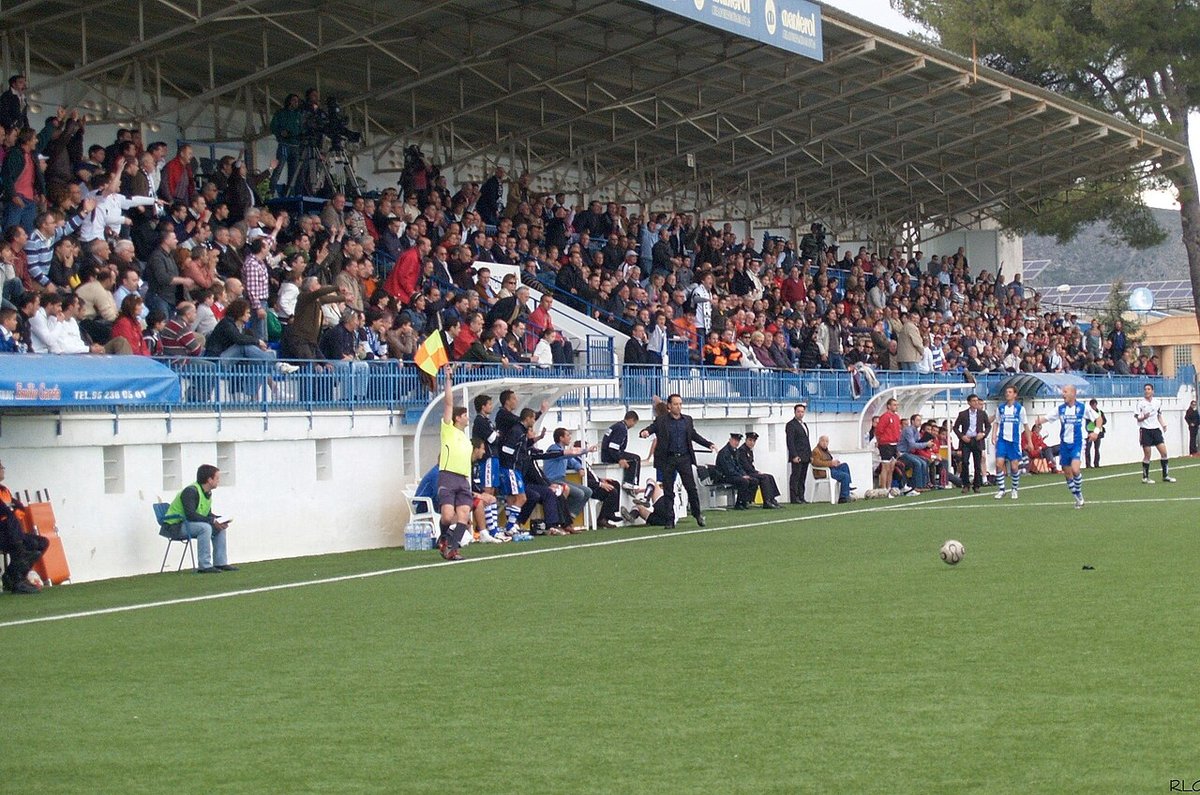
Fiestas are calibrated to the agricultural lull, not the school calendar. The main burst is around 15 August, when a fairground ride small enough to fit on the back of a lorry occupies the plaza for three nights, and the bar stays open until the last uncle stops dancing. Earlier in the year, 17 January belongs to Sant Antoni: bonfires, a straw effigy, and the priest sprinkling holy water over tractors, hunting dogs, and the occasional bemused pet rabbit. Rollets d’anís – stubby anise-flavoured doughnuts – appear in plastic bags of twenty. They cost two euros a bag and are impossible to eat without licking sugar off your fingers.
No tickets are required, but if you want a seat at the Saturday night paella you need to know someone, or at least be prepared to carry folding chairs and declare your allegiance to Valencia CF or Villarreal. Neutrals are viewed with suspicion.
The Honest Itinerary (No Rose-Tinted Glasses)
Allow two hours and you will have seen it. Allow half a day if you fancy a slow lunch under the pergola at the bar – toasted bocadillo of sobrasada, beer ice-cold, price about nine euros all-in. The village has no hotel, no cash machine, and the nearest petrol is six kilometres away in Quesa. Mobile signal flickers inside stone walls; WhatsApp voice messages are the preferred communication tool.
Rain turns the dirt tracks to sticky clay that clogs soles like wet cement. On those days residents stay indoors and tourists discover how quickly a small place feels even smaller. Bring footwear with grip, or simply postpone and drive to Xàtiva castle instead, twenty minutes away, where the paving is Napoleonic and the cafés have indoor seating.
Getting There, Getting Fed, Getting Home
From Valencia, take the A-7 south-west, exit at Ontinyent, then follow the CV-655 through lumpy citrus plantations. The final five kilometres are single-lane; pull in when the local behind you wants to overtake, which will be immediately.
If you need a bed, Ontinyent has serviceable three-star hotels from sixty euros a night. Bellús itself offers one rural cottage, Casa del Tío Pepe, bookable through the regional tourist office; two doubles, one bathroom, no pool, about eighty euros mid-week. Breakfast is up to you: the village shop opens at nine, sells tinned tuna, UHT milk, and locally made miel de romero that tastes like the hillside in a jar.
Lunch options are the bar (closes kitchen 4 p.m. sharp) or a picnic bought en route. Evening meals happen at home; restaurants shut early unless you drive to Albaida, ten minutes, where La Solana serves rabbit paella for two with twenty-four hours’ notice.
Last Light
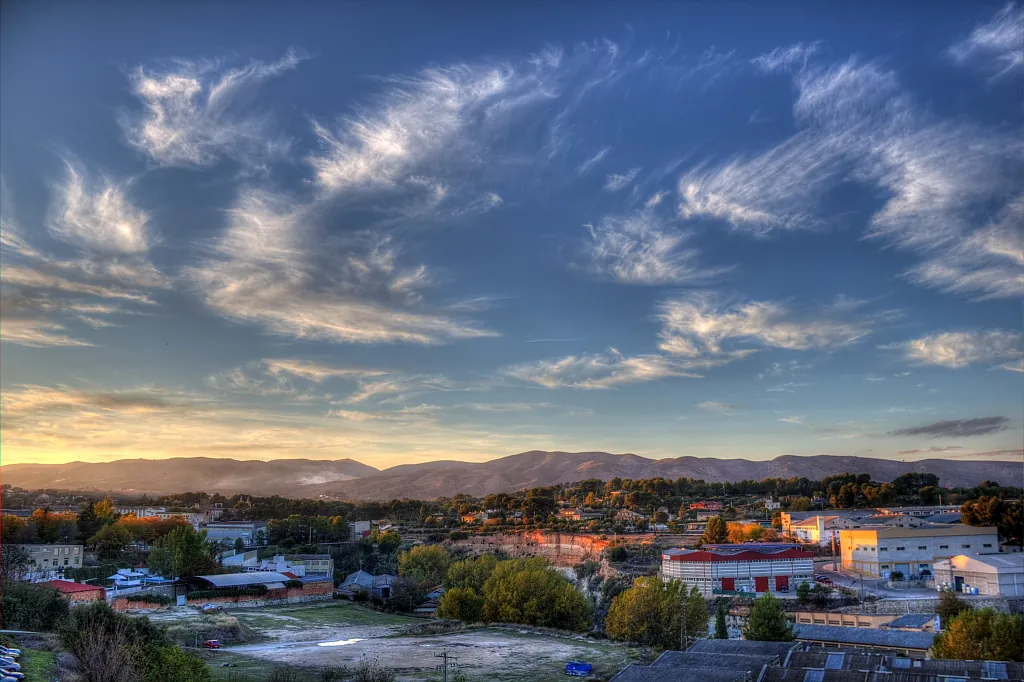
Stay until the sun drops behind the western ridge and the Segura watershed turns gold. From the low hill behind the cemetery you can see the motorway lights threading towards Alicante, a reminder that high-speed Spain is still out there. Down in Bellús the irrigation water keeps flowing, the church bell counts down to night, and the bar owner stacks the chairs. Nothing dramatic happens, which is precisely why you came. Drive away while the sky is still orange and you will carry the smell of orange blossom on your clothes all the way back to the coast.